Can Ninja Pans Go In The Oven Everything You Need To Know
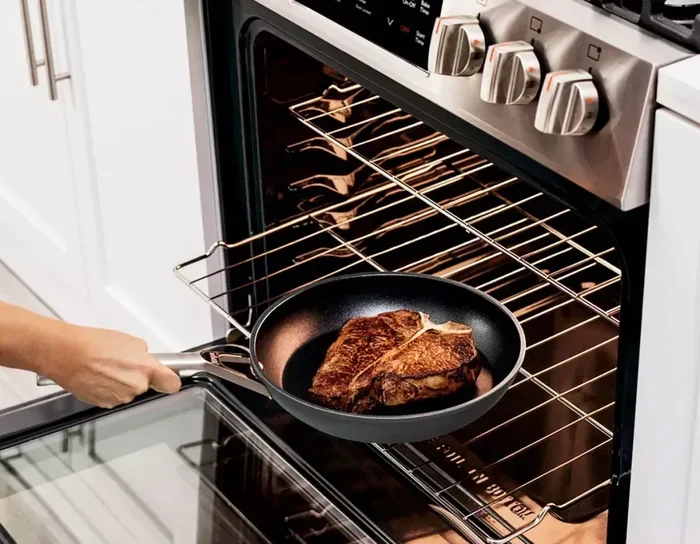
Yes, most Ninja pans are oven safe, but the answer depends on the specific product and its materials. Understanding the temperature limits, handle construction, and coating type is essential before placing any Ninja pan in a hot oven. This guide covers every Ninja pan model, oven-safe guidelines, and practical tips to keep your cookware performing at its best.
Have you ever finished cooking a beautiful meal on the stovetop and thought, “I bet this would taste even better if I finished it in the oven”? It is a common moment for home cooks. You grab your trusty Ninja pan, slide it into the hot oven, and then suddenly wonder — can Ninja pans go in the oven?
The short answer is yes, but with some important caveats. Not every Ninja pan handles oven heat the same way. The material, the coating, and the handle design all play a role. In this article, we will walk through everything you need to know about using your Ninja cookware in the oven safely and effectively.
Whether you own a Ninja sauté pan, a Ninja frying pan, or a Ninja Foodi pan, this guide has you covered. We will look at temperature limits, oven-safe features, common mistakes, and expert tips. By the end, you will feel confident about using your Ninja pans in the oven every single time.
Key Takeaways
- Most Ninja pans are oven safe: Many models handle temperatures up to 400°F to 500°F, but always check the specific product label.
- Handle material matters: Silicone-wrapped or stainless steel handles are oven safe, while plastic handles are not.
- Nonstick coatings have limits: Ceramic and PTFE coatings can degrade if exposed to temperatures above their rated limit.
- Ninja Foodi pans offer versatility: They are designed for both stovetop and oven use, making them ideal for one-pot cooking.
- Always follow manufacturer guidelines: Using a Ninja pan beyond its rated temperature voids the warranty and risks damage.
- Practical care extends lifespan: Proper cleaning, storage, and heat management keep Ninja pans performing for years.
📑 Table of Contents
- Can Ninja Pans Go In The Oven: The Short Answer
- Ninja Pan Oven Temperature Limits
- Ninja Pan Handle Materials and Oven Safety
- Ninja Nonstick Coatings and Oven Heat
- Which Ninja Pans Are Oven Safe?
- How To Safely Use Ninja Pans in the Oven
- Common Mistakes People Make With Ninja Pans and the Oven
- Caring For Your Ninja Pans After Oven Use
- Expert Insights: Ninja Pans vs. Other Oven-Safe Cookware
- Final Thoughts
Can Ninja Pans Go In The Oven: The Short Answer
Let us get the big question out of the way first. Can Ninja pans go in the oven? The answer is mostly yes. The vast majority of Ninja cookware is designed to be versatile. That means you can use them on the stovetop, in the oven, and sometimes even under the broiler.
However, “mostly yes” does not mean “all yes.” There are specific conditions you need to meet. The oven temperature must stay within the rated limit. The handle material must be heat resistant. And the nonstick coating must be the right type for high-heat use.
Ninja designs its cookware with home cooks in mind. That means they want you to be able to start a dish on the stove and finish it in the oven without any hassle. This is especially true for their Ninja Foodi line, which bridges the gap between frying pans and oven-safe baking dishes.
Why Oven Safety Matters
Using a pan that is not oven safe can lead to serious problems. The handle could melt or warp. The nonstick coating could release harmful fumes. The pan itself could warp or crack. None of these outcomes are good for your cooking or your health.
This is why understanding oven safe cookware basics is so important. It is not just about whether the pan fits inside the oven. It is about whether every part of the pan can handle the heat. A pan might have a great cooking surface, but if the handle is plastic, it is not truly oven safe.
Ninja Pan Oven Temperature Limits
Every Ninja pan comes with a specific oven safe temperature rating. This is the maximum heat the pan can handle in an oven setting. Going beyond this limit can damage the pan and void the warranty.
Here are the general temperature limits you can expect from different Ninja pan lines:
- Ninja Nonstick Frying Pans: Typically rated for up to 400°F (204°C)
- Ninja Stainless Steel Pans: Usually safe up to 500°F (260°C)
- Ninja Ceramic Coated Pans: Generally rated for up to 450°F (232°C)
- Ninja Foodi Oven-Safe Pans: Often rated for 500°F (260°C) or higher
These are general guidelines. Always check the bottom of your specific pan or the product manual for the exact rating. The Ninja cookware temperature limit is printed clearly on most models.
What Happens If You Exceed the Temperature Limit?
Exceeding the rated temperature can cause several problems. The nonstick coating may begin to break down. This releases toxic fumes that are harmful to inhale. The pan surface can warp, which means food will no longer cook evenly.
In worst-case scenarios, the handle can become loose or the pan can become permanently discolored. These are all signs that the pan has been overheated. Once the coating is damaged, it cannot be repaired. You would need to replace the pan entirely.
This is why knowing the Ninja pan oven temperature before you use it is so critical. It takes two seconds to check, and it can save you from a costly replacement.
Ninja Pan Handle Materials and Oven Safety
The handle is one of the most overlooked parts of a pan when it comes to oven safety. You might have a perfect cooking surface, but if the handle cannot handle the heat, the whole pan is limited.
Ninja uses several different handle materials across their product line. Here is what you need to know about each:
Silicone-Wrapped Handles
Many Ninja pans feature silicone-wrapped handles. These are oven safe because silicone can withstand high temperatures. Most silicone handles are rated for up to 450°F to 500°F. This makes them a great choice for oven use.
The silicone wrapping also provides a comfortable grip. You can move the pan from the stovetop to the oven without worrying about burning your hands. Just make sure the silicone is fully intact and not cracked or peeling.
Stainless Steel Handles
Stainless steel handles are the most durable option. They are fully oven safe and can handle very high temperatures. Ninja pans with stainless steel handles are excellent for oven use because they do not have any plastic or silicone components that could degrade.
One thing to keep in mind is that stainless steel handles get very hot. Always use an oven mitt or a towel when handling the pan after it comes out of the oven.
Plastic Handles
Some lower-priced Ninja pans have plastic handles. These are generally not oven safe. Plastic can melt or warp at relatively low temperatures. If your Ninja pan has a plastic handle, do not put it in the oven.
Check your pan carefully before using it in the oven. If you are unsure about the handle material, look up the product model online or contact Ninja customer support. It is better to be safe than sorry.
Ninja Nonstick Coatings and Oven Heat
The nonstick coating on your Ninja pan plays a big role in oven safety. Different coatings have different heat tolerances. Understanding these differences helps you use your pan correctly.
PTFE (Teflon) Coatings
PTFE is the most common nonstick coating used in cookware. It provides excellent food release and easy cleaning. However, PTFE coatings begin to break down at temperatures above 500°F. This is why most Ninja pans with PTFE coatings are rated for lower oven temperatures.
When PTFE overheats, it releases fumes that can be harmful to humans and deadly to birds. This is a serious safety concern. Always stay well below the temperature limit when using PTFE-coated pans in the oven.
Ceramic Coatings
Ninja also offers pans with ceramic coatings. Ceramic is a more heat-resistant material than PTFE. Ceramic-coated Ninja pans can typically handle oven temperatures up to 450°F or higher.
Ceramic coatings are also free of PFAS and PFOA, which makes them a healthier choice for many home cooks. They provide good nonstick performance, though they may not last as long as PTFE coatings over time.
Hard-Anodized Surfaces
Some Ninja pans use hard-anodized aluminum surfaces. These are not traditional nonstick coatings, but they do provide a durable, low-stick cooking surface. Hard-anodized surfaces are very heat resistant and can handle oven temperatures up to 500°F or more.
This makes them ideal for recipes that require high oven heat. They are also more scratch-resistant than soft nonstick coatings, which adds to their durability.
Which Ninja Pans Are Oven Safe?
Ninja offers a wide range of cookware products. Not all of them are designed for oven use. Here is a breakdown of the most popular Ninja pan types and their oven safety status.
| Ninja Pan Type | Oven Safe? | Max Temperature |
|---|---|---|
| Ninja Nonstick Frying Pan | Yes | 400°F (204°C) |
| Ninja Stainless Steel Sauté Pan | Yes | 500°F (260°C) |
| Ninja Ceramic Coated Pan | Yes | 450°F (232°C) |
| Ninja Foodi 5-in-1 Cooking Pot | Yes | 500°F (260°C) |
| Ninja Plastic-Handled Pan | No | N/A |
| Ninja Glass Lid Pan | Yes (lid only to 350°F) | 350°F (177°C) |
As you can see, the answer to can Ninja pans go in the oven depends on the specific product. Always check the product label or manual before using any pan in the oven. When in doubt, contact Ninja customer service for clarification.
How To Safely Use Ninja Pans in the Oven
Now that you know which Ninja pans are oven safe, let us talk about how to use them properly. Following these steps will keep your pans in great condition and ensure safe cooking.
- Check the temperature rating. Before placing the pan in the oven, confirm the maximum oven-safe temperature. Do not exceed this limit.
- Preheat the oven first. Always preheat the oven before placing the pan inside. Putting a cold pan into a hot oven can cause thermal shock, which may warp the pan.
- Use oven mitts. Even if the handle is oven safe, it will get hot. Always use a thick oven mitt or a dry towel when handling the pan.
- Place the pan on a middle rack. This ensures even heat distribution and reduces the risk of the pan touching the heating element.
- Avoid the broiler. Unless the product manual specifically says the pan is broiler safe, avoid using it under the broiler. The direct, intense heat can damage the coating and the handle.
- Let the pan cool naturally. Do not plunge a hot Ninja pan into cold water. This can cause warping and damage the nonstick surface.
Quick Tips for Oven Use
- Always place the pan on an oven-safe surface like a baking sheet or oven rack.
- Do not leave the pan unattended in the oven for long periods.
- If the pan has a lid, check whether the lid is oven safe before using both together.
- Use a pan that fits comfortably inside your oven without touching the walls or heating elements.
- For best results, allow the pan to come to room temperature before placing it in a preheated oven.
Common Mistakes People Make With Ninja Pans and the Oven
Even experienced cooks make mistakes when it comes to oven-safe cookware. Here are the most common errors and how to avoid them.
Assuming All Ninja Pans Are Oven Safe
This is the biggest mistake. Not every Ninja pan is designed for oven use. Some models have plastic components, wooden handles, or coatings that cannot handle high heat. Always verify oven safety before using a pan in the oven.
Ignoring the Temperature Limit
Some people think that if a pan is oven safe, it can handle any temperature. This is not true. Every oven-safe pan has a maximum temperature rating. Exceeding it can damage the pan and release harmful fumes.
Using Abrasive Cleaners After Oven Use
After using a Ninja pan in the oven, the surface may have residue. It can be tempting to scrub it with a harsh abrasive cleaner. This can damage the nonstick coating. Instead, wash the pan with warm soapy water and a soft sponge.
Stacking Hot Pans Without Protection
After removing a Ninja pan from the oven, do not stack it directly on other pans or surfaces. The heat can damage surfaces and the pan itself. Use a pan stand or a towel between stacked pans.
Caring For Your Ninja Pans After Oven Use
Proper care keeps your Ninja pans performing well for years. Oven use can put extra stress on cookware, so a good cleaning routine is essential.
Cleaning Tips
- Wait for the pan to cool down before washing it.
- Use warm water and mild dish soap for regular cleaning.
- For stubborn residue, soak the pan in warm soapy water for 10 to 15 minutes.
- Use a soft sponge or cloth. Avoid steel wool and abrasive scrubbers.
- Dry the pan thoroughly after washing to prevent water spots.
Storage Tips
- Store Ninja pans in a dry place with good airflow.
- Use pan protectors or soft cloths between stacked pans to prevent scratches.
- Hang pans if possible. This prevents warping and keeps the nonstick surface intact.
- Do not store heavy items on top of nonstick pans.
When To Replace Your Ninja Pan
Even with proper care, Ninja pans do not last forever. Here are signs that it is time to replace your pan:
- The nonstick coating is peeling or flaking.
- The pan surface has deep scratches that affect cooking performance.
- The handle is loose or wobbly.
- The pan has warped and no longer sits flat on the stovetop.
- The pan has been exposed to temperatures above its rated limit.
Replacing a damaged pan is important for both cooking quality and safety. A worn-out nonstick surface can release particles into your food. It is not worth the risk.
Expert Insights: Ninja Pans vs. Other Oven-Safe Cookware
How do Ninja pans compare to other oven-safe cookware brands? Let us take a quick look at what makes Ninja stand out and where it falls short.
Ninja pans offer excellent value for the price. They combine durable construction with versatile oven-safe designs. The Ninja Foodi line, in particular, is known for its multi-functional cookware that works on the stovetop, in the oven, and even under the broiler.
Compared to premium brands like All-Clad or Le Creuset, Ninja pans are more affordable. However, they may not last as long under heavy, daily use. The nonstick coatings on Ninja pans tend to wear faster than the seasoned surfaces on cast iron pans.
That said, for most home cooks, Ninja pans hit the sweet spot between performance, durability, and price. They are a great choice for everyday cooking, including oven use.
Quick Tips for Extending Pan Lifespan
- Always use silicone, wood, or nylon utensils with nonstick Ninja pans.
- Never use metal utensils that can scratch the surface.
- Cook on medium to low heat whenever possible.
- Avoid preheating an empty nonstick pan.
- Hand wash your Ninja pans instead of putting them in the dishwasher, even if they are labeled dishwasher safe.
These simple habits can significantly extend the life of your Ninja cookware. They also help maintain the nonstick performance that makes these pans so popular.
Final Thoughts
Can Ninja pans go in the oven? Yes, the majority of Ninja cookware is designed to be oven safe and versatile for everyday cooking. From sauté pans to frying pans to the popular Ninja Foodi line, most products can handle oven temperatures between 400°F and 500°F. The key is to always check the specific product rating and follow the manufacturer guidelines.
Understanding your pan’s temperature limit, handle material, and coating type will keep you safe and your cookware in great shape. Avoid common mistakes like exceeding the temperature limit or using pans with plastic handles in the oven. With proper care and smart usage, your Ninja pans can serve you well for many years.
So go ahead and use your Ninja pan in the oven. Just remember the tips and guidelines in this article, and you will be cooking delicious oven-finished meals with confidence every single time.
Frequently Asked Questions
Can all Ninja pans go in the oven?
No, not all Ninja pans are oven safe. Some models have plastic handles or coatings that cannot handle high heat. Always check the product label or manual for oven-safe information before using a Ninja pan in the oven.
What is the maximum oven temperature for Ninja pans?
Most Ninja pans are rated for oven temperatures between 400°F and 500°F. The exact temperature depends on the pan model, coating type, and handle material. Always refer to the product specifications for the precise limit.
Can I put my Ninja nonstick pan under the broiler?
Most Ninja nonstick pans are not recommended for broiler use. The direct, intense heat from the broiler can damage the nonstick coating and the handle. Only use a pan under the broiler if the product manual specifically states it is broiler safe.
Are Ninja pans dishwasher safe after oven use?
Many Ninja pans are dishwasher safe, but hand washing is always recommended, especially after oven use. Oven heat can cause food residue to bond more tightly to the surface. Hand washing with warm soapy water and a soft sponge is the gentlest and most effective cleaning method.
How do I know if my Ninja pan handle is oven safe?
Check the handle material. Silicone-wrapped and stainless steel handles are generally oven safe. Plastic handles are not. If you are unsure, look up your specific model online or contact Ninja customer support for confirmation.
Will using a Ninja pan in the oven void the warranty?
Using a Ninja pan within its rated oven-safe temperature will not void the warranty. However, using the pan beyond its temperature limit or in ways the manufacturer does not recommend can void the warranty. Always follow the guidelines in the product manual.