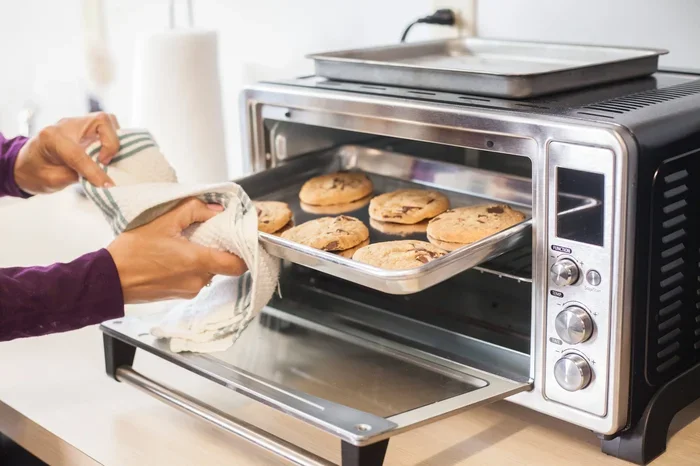
How Does a Toaster Oven Work to Cook Your Favorite Meals
A toaster oven works by using heating coils that glow hot and radiate radiant heat into the cooking chamber. A thermostat and timer control the toaster oven temperature so your food cooks evenly. Whether you are toasting bread or roasting vegetables, the even heat distribution inside a compact oven makes it a kitchen essential.
A toaster oven sits on your countertop and does an amazing job cooking food. Many people use it every day without thinking about what happens inside. The truth is, a toaster oven is a small but clever machine. It uses heat, air flow, and smart controls to prepare meals quickly. Let us walk through exactly how a toaster oven works from start to finish.
When you push down the lever or press a button, a lot happens in seconds. The heating coils inside begin to glow red hot. Radiant heat fills the cooking chamber and starts to cook your food. A thermostat watches the toaster oven temperature and keeps things steady. This whole process makes a toaster oven one of the handiest tools in any kitchen.
Key Takeaways
- Heating elements are the core: The baking element and broiling element create the heat that cooks your food through radiant heat and infrared radiation.
- Convection fans make a big difference: Convection cooking circulates hot air for even heat distribution and faster food browning.
- Settings matter a lot: Each toaster oven setting like toast, bake, or broil uses different elements and temperatures for specific results.
- Small but mighty: A toaster oven offers great energy efficiency because it heats up fast and uses less power than a full-size oven.
- Proper placement and care help: Keeping the thermal insulation intact and cleaning the crumb tray ensures safe and consistent performance.
📑 Table of Contents
- What Is a Toaster Oven and How Does It Work?
- The Key Parts Inside a Toaster Oven
- How Heating Elements Create Heat
- Convection vs. Conventional Heating in a Toaster Oven
- Understanding Toaster Oven Settings and Functions
- Common Mistakes People Make With Toaster Ovens
- Expert Insights on Toaster Oven Cooking
- Final Thoughts
What Is a Toaster Oven and How Does It Work?
The Basic Idea Behind Toaster Oven Cooking
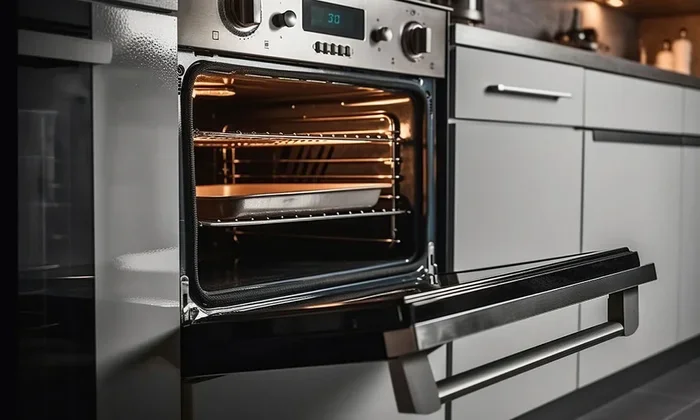
A toaster oven is a small countertop oven that works a lot like a regular oven. But it is much smaller and heats up way faster. The main job of a toaster oven is to use electric heating elements to create heat. This heat then cooks your food through a process called radiant heat transfer. The food sits on a wire rack or tray inside the cooking chamber, and the hot air and heat surround it from all sides.
What makes a toaster oven special is its size. Because the cooking chamber is small, it needs less time and energy to reach the right toaster oven temperature. This is why you can toast bread in just a minute or two. The thermal insulation inside the oven keeps the heat trapped so it does not escape. That is also why the outside of a toaster oven stays cool to the touch in most cases.
Why People Love Using a Toaster Oven
There are many reasons people reach for a toaster oven instead of a full-size oven. First, it heats up almost instantly. You do not need to wait ten or fifteen minutes for it to preheat. Second, a toaster oven uses less electricity. This makes it a great choice for energy efficiency. Third, it is perfect for small meals. You do not need to heat up a huge oven just to warm up a slice of pizza or make a single serving of crisping chicken.
People also love the versatile cooking options. Most toaster ovens let you bake broil toast and even dehydrate food. Some models include a convection fan that moves hot air around. This gives you even heat distribution for more consistent food browning. With so many features packed into a small compact oven, it is easy to see why toaster ovens are so popular.
The Key Parts Inside a Toaster Oven
Every toaster oven has several important parts that work together. Understanding these parts helps you understand how the whole toaster oven system functions. Here are the main components you will find inside.
Heating Elements — The Heart of the Oven
The heating elements are the most important part of any toaster oven. These are usually made of metal wires wrapped around a ceramic or metal core. When electricity flows through them, they glow bright orange or red. This glow is the visible sign that infrared radiation is being produced.
Most toaster ovens have two sets of heating coils. The baking element is usually at the bottom. The broiling element is at the top. Some models also have a rear heating element for convection cooking. Each element plays a specific role in how your food gets cooked.
The Cooking Chamber and Wire Rack
The cooking chamber is the inside space where your food sits. It is lined with thermal insulation to keep heat from escaping. Inside the chamber, you will find a wire rack and sometimes a baking pan or tray. The wire rack allows hot air to flow underneath your food. This helps with even heat distribution and better food browning on both sides.
The size of the cooking chamber varies by model. A small toaster oven might fit four slices of bread. A larger one can hold a 12-inch pizza or a small chicken. The crumb tray at the bottom catches any crumbs or drips. This makes cleanup easy and helps keep the oven working well.
Thermostat and Timer Controls
The oven thermostat is the brain that controls toaster oven temperature. It measures the heat inside the cooking chamber and turns the heating elements on or off as needed. This keeps the temperature steady so your food does not burn or undercook.
The timer lets you set how long the oven runs. When the time is up, the oven shuts off and often pops the lever back up. Many modern toaster ovens also have digital controls. These let you set exact temperatures and cook times with precision. Some even have preset programs for common tasks like toasting or reheating.
How Heating Elements Create Heat
Radiant Heat and Infrared Energy
The magic of a toaster oven starts with radiant heat. When electricity flows through the heating coils, the metal gets very hot. It starts to glow and give off infrared radiation. This invisible energy travels through the air and hits your food. The food absorbs this energy and its molecules start to vibrate. That vibration creates heat, which cooks the food from the outside in.
This is different from a microwave, which heats food from the inside out. With a toaster oven, the radiant heat warms the surface first. That is why food browning and crisping happen so well. The outside gets golden and crunchy while the inside stays moist. This is the same principle that makes a toaster oven great for toasting bread and baking cookies.
The Role of the Baking and Broiling Elements
The baking element at the bottom does most of the heavy lifting. It provides steady, gentle heat for baking and roasting. When you set your toaster oven to bake mode, the bottom element turns on first. The oven thermostat keeps checking the temperature and cycles the element on and off to maintain the right heat.
The broiling element at the top works differently. It produces very intense radiant heat that comes from above. This is perfect for broiling foods like cheese on top of casserole or getting a golden crust on a burger. When you use the broil setting, only the top element runs. The heat is much more direct and powerful. This creates fast food browning and a satisfying crunch.
Some toaster ovens also use the rear heating element along with a fan. This creates convection cooking, which we will talk about next.
Convection vs. Conventional Heating in a Toaster Oven
What Is Convection in a Toaster Oven
Convection cooking uses a small fan inside the toaster oven to move hot air around. This fan sits near the rear heating element. As the air heats up, the fan pushes it through the cooking chamber. This creates a continuous flow of hot air that surrounds your food on all sides.
The result is even heat distribution. Without a fan, hot air rises and cool air sinks. This can create hot spots and cold spots. With convection, the fan eliminates those problems. Your food cooks more evenly and food browning happens faster. Many people love convection toaster ovens because they reduce cooking times by about 20 to 25 percent.
When to Use Each Heating Mode
Knowing when to use each mode makes a big difference. Here is a simple guide to help you choose:
- Bake mode: Use the bottom heating element for cakes, cookies, and casseroles. This gives gentle, steady heat from below.
- Broil mode: Use the top broiling element for melting cheese, browning the tops of dishes, or cooking thin cuts of meat quickly.
- Toast mode: Uses both top and bottom elements at high heat for quick and even toasting of bread, bagels, and English muffins.
- Convection bake: Uses the fan plus the bottom element. Great for roasting vegetables, chicken, or anything that needs even heat distribution.
- Convection broil: Uses the fan plus the top element. This speeds up broiling and gives more food browning on the surface.
For most everyday cooking, convection bake is the most versatile mode. It works well for almost anything you would put in a regular oven. If you are just toasting bread, the simple toast mode works best.
Understanding Toaster Oven Settings and Functions
Toast, Bake, Broil, and More
A good toaster oven gives you several settings to choose from. Each setting changes how the heating elements work and what toaster oven temperature is used. Let us look at the most common ones.
The toast setting is the most basic. It uses high heat from both the top and bottom heating coils. The timer is usually short, around one to four minutes. The oven focuses on getting the surface of the bread golden brown and crispy. This is all about food browning and crisping.
The bake setting uses lower, more even heat. The bottom baking element does most of the work. The oven thermostat keeps the temperature steady. This is ideal for baking cookies, muffins, small pizzas, and casseroles. The cooking chamber fills with gentle heat that cooks food all the way through.
The broil setting is all about intense top-down heat. The top broiling element gets very hot. This is perfect for finishing dishes, melting cheese, or cooking thin meats fast. You need to watch food closely on broil mode because it can burn quickly.
Temperature Control and Preheating
Toaster oven temperature control is essential for good cooking. Most toaster ovens let you set temperatures between 150 and 450 degrees Fahrenheit. The oven thermostat inside monitors the heat and adjusts the heating elements to stay on target.
Preheating a toaster oven is quick. Because the cooking chamber is small, it usually takes only three to five minutes. This is much faster than a full-size oven. Preheating helps ensure your food starts cooking at the right temperature right away. For crisping and food browning, preheating makes a noticeable difference.
Quick Tips for Better Results:
- Always preheat your toaster oven for at least three minutes before baking.
- Place food in the center of the wire rack for the best even heat distribution.
- Do not overcrowd the cooking chamber. Leave space for hot air to flow.
- Use the crumb tray and clean it after every few uses to prevent smoke.
- Check your food a few minutes early. Toaster ovens can cook faster than you expect.
Common Mistakes People Make With Toaster Ovens
Mistake 1: Skipping the Preheating Step
Many people put food in a cold toaster oven and hope for the best. This leads to uneven cooking and poor food browning. Always preheat your compact oven before adding food. The heating elements need a few minutes to reach the right toaster oven temperature. This small step makes a big difference in your results.
Mistake 2: Using the Wrong Pan
Not all pans work well in a toaster oven. Thick or dark pans can absorb too much radiant heat and burn your food. Use thin, light-colored metal pans or the wire rack that comes with the oven. Avoid plastic, paper, or wooden items that can melt or catch fire. The right cooking chamber setup is key to safe and tasty cooking.
Mistake 3: Ignoring the Crumb Tray
The crumb tray catches crumbs and drips that fall to the bottom. If you ignore it, buildup can smoke or even cause a small fire. Pull out the crumb tray regularly and empty it. This simple habit keeps your toaster oven clean, safe, and working efficiently.
Mistake 4: Overcrowding the Oven
A toaster oven has a limited cooking chamber size. If you pack too much food in, hot air cannot flow properly. This blocks even heat distribution and leads to uneven cooking. Cook in batches if needed. Give each piece of food room to breathe for the best crisping and browning.
Expert Insights on Toaster Oven Cooking
What Chefs Want You to Know
Professional cooks know that a toaster oven is more than just a bread warmer. Many chefs use a countertop oven for quick tasks like crisping leftover pizza or roasting small portions of vegetables. The radiant heat from the heating coils creates a texture that is hard to replicate in a microwave.
One chef tip is to use the convection setting for roasting. The fan helps food browning happen evenly on all sides. Another tip is to place a small pan of water in the cooking chamber when baking. This adds moisture and keeps bread and pastries from drying out. These small tricks can elevate your toaster oven cooking from good to great.
Experts also suggest getting to know your specific model. Every toaster oven has its own hot spots and quirks. Run a few test bakes to learn how yours behaves. Once you understand your oven thermostat and heating elements, you will cook with confidence every time.
Final Thoughts
A toaster oven is a smart and efficient way to cook a wide variety of meals. From toasting bread in seconds to roasting a full chicken, the heating elements and smart controls inside do the heavy lifting. Understanding how radiant heat, convection cooking, and the oven thermostat work together helps you use your toaster oven to its full potential.
Now that you know how a toaster oven works, you can cook with more confidence and better results. Try using different settings and pay attention to how your food responds. With a little practice, your compact oven will become the most-used tool in your kitchen. Enjoy the energy efficiency, the speed, and the delicious food browning that a toaster oven delivers every single day.
Frequently Asked Questions
What is the main difference between a toaster oven and a regular oven?
A toaster oven is smaller and uses heating coils to produce radiant heat in a compact cooking chamber. A regular oven is larger and usually uses a broiling element and baking element along with a fan. A toaster oven heats up faster and uses less energy, making it perfect for small meals and quick tasks like toasting bread.
Can a toaster oven replace a full-size oven?
For most everyday cooking tasks, a toaster oven can replace a full-size oven. It handles bake broil toast functions very well. However, if you regularly cook large meals for a big family, a full-size oven may still be better. A toaster oven excels at energy efficiency and speed for smaller portions.
How long does it take a toaster oven to preheat?
Most toaster ovens preheat in three to five minutes. This is much faster than a regular oven that can take fifteen to twenty minutes. The small size of the cooking chamber and the powerful heating elements allow for quick toaster oven temperature changes. Always preheat for the best food browning and even cooking.
Is convection better than conventional heating in a toaster oven?
Convection cooking uses a fan to circulate hot air for even heat distribution. This is great for roasting and baking because food cooks more evenly and faster. Conventional heating without a fan works well for simple toasting and broiling. Both modes have their place, and the best choice depends on what you are cooking.
What should I avoid putting in a toaster oven?
Avoid using plastic, paper, or wooden items that can melt or catch fire. Do not use very dark or thick pans that absorb too much radiant heat. Also avoid covering the heating coils with foil or food debris, as this can block infrared radiation and create a fire hazard. Always keep the crumb tray clean for safe operation.
How does a toaster oven keep the outside cool while cooking inside?
Thermal insulation lines the inside walls of the toaster oven. This insulation traps radiant heat inside the cooking chamber and prevents it from escaping to the outside. That is why the exterior stays safe to touch even while the inside reaches high toaster oven temperatures. Always check that the insulation is intact if your oven feels hot on the outside.