Can Le Creuset Phenolic Lids Go In The Oven Safely
Yes, Le Creuset phenolic lids are oven-safe, but only up to certain temperature limits. Most Le Creuset phenolic lids can handle temperatures up to 375°F (190°C), making them suitable for many oven recipes. Always check the lid handle material and avoid broilers, microwaves, and extreme heat sources. Proper care and usage will extend the life of your Le Creuset lid for years.
If you own Le Creuset cookware, you probably love it deeply. Those beautiful Dutch ovens and pots are kitchen staples for so many home cooks. But when it comes to using the lid in the oven, questions pop up fast. Can le creuset phenolic lid go to oven safely? This is one of the most common questions Le Creuset owners ask. The short answer is yes, but with important limits you need to know.
Understanding your Le Creuset phenolic lid oven safety is not just about avoiding damage. It is about getting the best cooking results every time you use your pot. A lid that is not oven-safe can warp, crack, or even release harmful chemicals into your food. That is why knowing the facts matters so much. In this guide, we will walk through everything you need to know about using your Le Creuset phenolic lid in the oven safely and confidently.
Key Takeaways
- Le Creuset phenolic lids are oven-safe up to 375°F (190°C) under normal cooking conditions.
- The phenolic resin material is designed to withstand moderate heat but not extreme temperatures.
- Never place phenolic lids under a broiler or in a microwave, as this can cause damage.
- Always remove the lid before preheating an empty oven or pan to prevent thermal shock.
- Proper cleaning and storage will keep your Le Creuset lid in excellent condition for decades.
- Check the lid handle and knob for any cracks or wear before placing it in the oven.
- Le Creuset offers a limited lifetime warranty that may cover manufacturing defects in phenolic lids.
📑 Table of Contents
- What Is a Le Creuset Phenolic Lid?
- Can You Put a Le Creuset Phenolic Lid in the Oven?
- Temperature Limits and Safety Guidelines
- How to Care for Your Le Creuset Phenolic Lid
- Common Mistakes to Avoid
- Le Creuset Phenolic Lid vs. Other Lid Materials
- Expert Tips for Getting the Most Out of Your Le Creuset Lid
- Le Creuset Warranty and Phenolic Lid Coverage
- Conclusion
What Is a Le Creuset Phenolic Lid?
Before we dive into oven safety, let us talk about what a phenolic lid actually is. Le Creuset uses a special material called phenolic resin for many of their lid knobs and handles. Phenolic resin is a type of thermoset plastic. It is created through a chemical process that makes it extremely durable and heat-resistant. This is the same material used in high-quality cutting boards and electrical insulation.
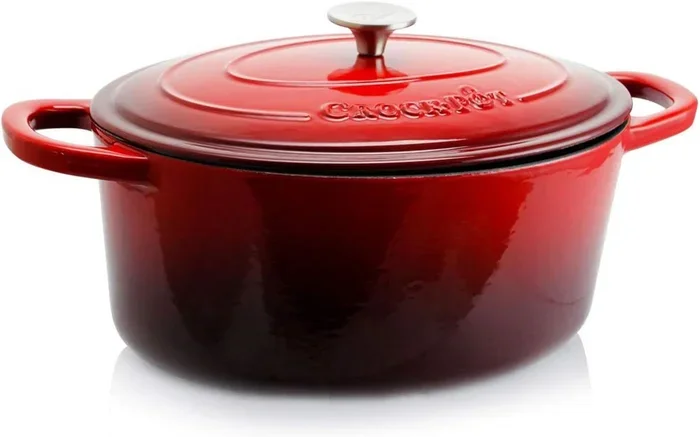
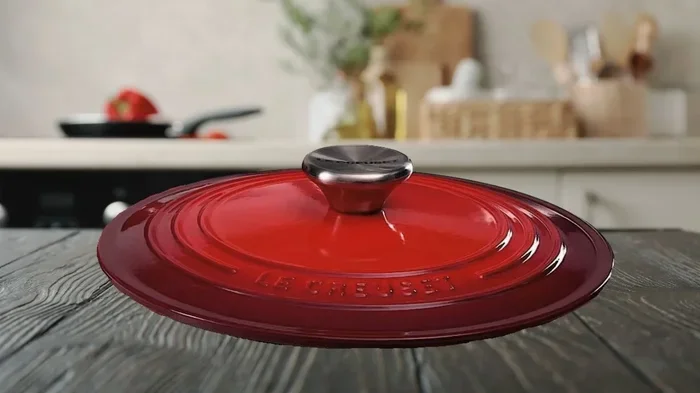
The phenolic lid knob on a Le Creuset Dutch oven is not just for looks. It is engineered to handle moderate heat during cooking. The black knob sits on top of the enameled cast iron lid. Together, they create a tight seal that traps moisture and flavor inside your pot. This design is a big part of why Le Creuset cookware is so popular among home cooks and professional chefs alike.
Not all Le Creuset lids use phenolic knobs. Some older models or special editions may use different materials. But the vast majority of modern Le Creuset Dutch ovens come with phenolic lid knobs. These knobs are typically black and have the Le Creuset logo on them. If you are unsure about your lid, check the product documentation or look at the material on the knob itself.
Why Phenolic Material Matters
The choice of phenolic resin for lid knobs is not random. Le Creuset chose this material for specific reasons. Phenolic resin has excellent heat resistance compared to many other plastics. It does not melt easily and maintains its shape under heat. This makes it ideal for a lid knob that sits close to a hot oven environment.
Another reason phenolic works well is its low thermal conductivity. This means it does not transfer heat quickly. When you grab the lid knob with an oven mitt, you will not burn your fingers as fast as you would with a metal handle. This is a practical safety feature that makes cooking with Le Creuset more comfortable and enjoyable.
Can You Put a Le Creuset Phenolic Lid in the Oven?
So, can le creuset phenolic lid go to oven? Yes, it can. Le Creuset phenolic lids are designed to be oven-safe. However, the key word here is “designed.” The lid is built to handle a specific range of temperatures. Going beyond those limits can cause serious problems. This is where many cooks make mistakes, and it is important to understand why.
When you place a Le Creuset Dutch oven with its phenolic lid into a preheated oven, the lid is exposed to the oven’s ambient heat. The enameled cast iron body of the lid handles this heat very well. Cast iron can tolerate temperatures well above what a home oven typically reaches. The phenolic knob, however, has a lower threshold. This is the part of the lid that needs the most attention.
The official Le Creuset guidance states that their phenolic knobs are safe up to 375°F (190°C). This covers the vast majority of home cooking scenarios. Whether you are braising meat, making soups, or baking bread, 375°F is more than enough. Most oven recipes for Dutch ovens fall well within this range.
When Is It Safe to Use the Phenolic Lid in the Oven?
There are many situations where using your Le Creuset phenolic lid in the oven is perfectly safe and even recommended. Here are some common examples where your lid will work just fine:
- Braising meats at 300°F to 350°F — This is one of the most popular uses for a Le Creuset Dutch oven. The phenolic lid handles these temperatures with ease.
- Making soups and stews — Simmering on the stovetop and then transferring to the oven at moderate temperatures works great with the phenolic lid.
- Baking bread — The Dutch oven bread-baking method typically uses temperatures around 450°F, but you remove the lid for the last part of baking. When the lid is on, the initial phase is usually at or below 375°F.
- Slow cooking in the oven — Low and slow oven cooking at 250°F to 300°F is ideal for the phenolic lid.
- Roasting vegetables — Covering your roasting pan with a Le Creuset lid at moderate oven temperatures works perfectly.
In all of these scenarios, the phenolic lid oven combination works beautifully. The lid traps moisture, creates even cooking, and delivers excellent results. Just make sure you stay within the recommended temperature range.
Temperature Limits and Safety Guidelines
Knowing the temperature limits for your Le Creuset phenolic lid is essential. This is the foundation of safe oven use. Let us break down the numbers clearly so there is no confusion.
The phenolic knob on a Le Creuset lid is rated for continuous use at temperatures up to 375°F (190°C). This is the maximum temperature the phenolic material can handle without risk of damage. Some sources suggest the material can briefly tolerate slightly higher temperatures, but this is not recommended. Always play it safe and stay at or below 375°F.
The enameled cast iron part of the lid has a much higher temperature tolerance. Le Creuset enameled cookware can generally handle temperatures up to 500°F (260°C). This means the lid itself can go in the oven at higher temperatures, but the phenolic knob cannot. This is a critical distinction that many people miss.
What Happens If You Exceed the Temperature Limit?
If you accidentally expose your phenolic lid to temperatures above 375°F, several things can happen. The most common issue is discoloration. The black phenolic knob may turn brown or develop a rough texture. In more serious cases, the knob can crack or warp. A warped lid will not seal properly, which defeats the purpose of using a lid in the first place.
In extreme cases, such as placing the lid under a broiler, the phenolic material can melt or release fumes. This is not just bad for the lid. It is bad for your food and your health. Melting phenolic can release harmful chemicals into your oven and into your meal. This is why following the temperature guidelines is so important.
Quick Tips for Temperature Safety
- Always use an oven thermometer to verify your oven’s actual temperature. Many ovens run hotter or cooler than the dial setting.
- Never preheat the oven with the lid on the pot inside. This can expose the phenolic knob to extreme heat before any food absorbs it.
- If your recipe calls for temperatures above 375°F, remove the phenolic lid and use aluminum foil to cover the pot instead.
- Let the lid cool naturally before washing it. Sudden temperature changes can cause thermal shock and crack the knob.
- Keep the lid away from direct flame or heating elements on the stovetop as well.
How to Care for Your Le Creuset Phenolic Lid
Proper care is the secret to a long-lasting Le Creuset phenolic lid. These lids are built to last for decades, but they need the right treatment. Caring for your lid is simple, but it does require some attention to detail. Let us walk through the best practices for keeping your lid in top shape.
Cleaning Your Phenolic Lid
Cleaning a Le Creuset phenolic lid is straightforward. After cooking, let the lid cool down to room temperature before washing. Never plunge a hot lid into cold water. This sudden temperature change can cause the phenolic knob to crack or the enamel to chip. Patience here pays off big time.
Wash the lid by hand using warm water and mild dish soap. A soft sponge works best for the enameled surface. Avoid abrasive scrubbers or steel wool, as these can scratch the enamel finish. For the phenolic knob, a gentle wipe with a soft cloth is all you need. Most food residue will come off easily with warm soapy water.
If you have stubborn stains on the enamel part of the lid, try making a paste of baking soda and water. Apply it gently and let it sit for a few minutes before rinsing. This natural cleaning method is safe for both the enamel and the phenolic knob.
Storage and Handling
When storing your Le Creuset lid, place it carefully on a shelf or in a cabinet. Do not stack heavy items on top of the lid, as this can put pressure on the phenolic knob and cause it to deform over time. If you stack your Le Creuset pots and lids, place a soft cloth between them to prevent scratching.
Handle the lid with care during everyday use. The phenolic knob is durable, but it is not indestructible. Dropping the lid on a hard surface can crack the knob or chip the enamel. Always grip the lid by the handle and set it down gently on a stable surface.
Dealing with Stains and Discoloration
Over time, you may notice some discoloration on your Le Creuset lid. This is especially common on the enamel surface. Darkened spots or a slight change in color do not affect the performance of the lid. They are purely cosmetic and do not mean the lid is damaged.
If the phenolic knob itself becomes discolored from heat exposure, this is usually a sign that it has been exposed to temperatures above the recommended limit. A slightly brownish knob is still safe to use in most cases, but it is a warning sign that you should be more careful with temperature control going forward.
Common Mistakes to Avoid
Even experienced cooks make mistakes with their Le Creuset lids. Being aware of common errors can save you a lot of trouble and expense. Here are the most frequent mistakes people make when using their Le Creuset phenolic lids in the oven.
Mistake 1: Using the Lid Under a Broiler
This is the single most damaging thing you can do to a phenolic lid. Broilers can reach temperatures of 500°F or higher, which is far beyond what phenolic resin can handle. The intense direct heat will quickly damage the knob and potentially the entire lid. Never, ever put a Le Creuset phenolic lid under a broiler. If you need to finish a dish under the broiler, remove the lid first and use foil to cover the pot if needed.
Mistake 2: Putting the Lid in the Microwave
Some people assume that because Le Creuset is oven-safe, it is also microwave-safe. This is not true for phenolic lids. The phenolic material is not designed for microwave use. Microwaves can cause uneven heating, which may damage the knob or create hot spots that compromise the lid’s integrity.
Mistake 3: Ignoring Cracks and Wear
Over time, you should inspect your phenolic lid for any signs of damage. Small cracks may seem harmless, but they can grow with repeated heating and cooling. A cracked knob can break off entirely during cooking, which is both a safety hazard and a ruined meal. If you notice any cracks, replace the lid or contact Le Creuset customer service for warranty options.
Mistake 4: Using the Lid on a Direct Heat Source
The phenolic knob is not designed to sit directly on a burner or heating element. Even on a low flame, direct contact with the heat source can overheat the knob. Always use the pot on the stovetop with the lid slightly ajar or propped up if you need to vent steam. Never place the lid flat on a hot burner.
Le Creuset Phenolic Lid vs. Other Lid Materials
To put things in perspective, it helps to compare the Le Creuset phenolic lid with other lid materials commonly found on cookware. This comparison gives you a clearer picture of where phenolic stands and why Le Creuset chose it for their lids.
| Material | Max Oven Temp | Microwave Safe | Broiler Safe | Durability |
|---|---|---|---|---|
| Phenolic Resin (Le Creuset) | 375°F (190°C) | No | No | High |
| Metal (Stainless Steel) | 500°F+ (260°C+) | Yes | Yes | Very High |
| Glass (Tempered) | 450°F (230°C) | Yes | No | Moderate |
| Silicone | 400°F (200°C) | Yes | No | Moderate |
As you can see from the comparison table, phenolic lids have specific limitations. They are not the most versatile option. However, they offer excellent durability for their intended use. The trade-off is that you must be more careful with temperature control. For most home cooking, this trade-off is well worth it.
Some Le Creuset collections feature metal knobs instead of phenolic. These metal-knobbed lids can handle higher oven temperatures and are more versatile. If you frequently cook at high temperatures, you might prefer a Le Creuset model with a metal lid knob. However, the phenolic version remains the most popular choice for its comfortable grip and classic design.
Expert Tips for Getting the Most Out of Your Le Creuset Lid
Experienced Le Creuset owners have shared plenty of tips over the years. These insights can help you use your phenolic lid more effectively and keep it in great shape for years to come.
Tip 1: Use the lid for braising, not just covering. The tight-fitting design of the Le Creuset lid creates a self-basting effect. Moisture循环 back into the pot, which keeps your food incredibly tender. This is one of the biggest advantages of using a Dutch oven lid in the oven.
Tip 2: Invest in a replacement knob. Le Creuset sells replacement phenolic knobs separately. If your knob becomes damaged, you do not need to replace the entire lid. This is a cost-effective way to keep your cookware in use for a lifetime. Contact Le Creuset directly or check their website for replacement parts.
Tip 3: Rotate your lid usage. If you own multiple Le Creuset pots, rotate which lid you use for high-temperature cooking. This reduces wear on any single knob and extends the overall lifespan of your lids.
Tip 4: Read the manual for your specific model. Different Le Creuset collections may have slightly different guidelines. Always refer to the product manual or the Le Creuset website for the most accurate information about your specific lid model. The warranty information is also a good resource for understanding your coverage.
Tip 5: Trust the material, but respect its limits. Phenolic resin is a remarkable material. It has served Le Creuset well for decades. But it is not invincible. Treat it with care, stay within the temperature guidelines, and your lid will serve you beautifully for many years.
Le Creuset Warranty and Phenolic Lid Coverage
Le Creuset offers a limited lifetime warranty on their cookware. This warranty covers manufacturing defects in materials and workmanship. If your phenolic lid develops a crack or defect that is not caused by misuse, Le Creuset may replace it at no cost to you.
However, the warranty does not cover damage caused by overheating, misuse, or normal wear and tear. If you expose your phenolic lid to temperatures above 375°F and it cracks, this would not be covered under warranty. This is another reason why following the temperature guidelines is so important.
If you believe your lid has a manufacturing defect, contact Le Creuset customer service. They are generally very helpful and will guide you through the warranty claim process. Keep your original purchase receipt and any documentation that came with your cookware. This makes the process smoother if you ever need it.
Conclusion
The answer to the question “can le creuset phenolic lid go to oven” is a clear yes, with some important boundaries. Your Le Creuset phenolic lid oven combination works beautifully at temperatures up to 375°F. This covers the vast majority of home cooking needs, from braising to baking. By staying within the temperature limits and following proper care guidelines, you can enjoy your Le Creuset lid for decades to come.
Remember the key points: avoid broilers and microwaves, never preheat with the lid on, and inspect your lid regularly for signs of wear. These simple habits make a huge difference. Your Le Creuset cookware is an investment, and treating it with care pays off in delicious meals and long-lasting performance.
Now that you know the ins and outs of Le Creuset phenolic lid oven safety, you can cook with confidence. Go ahead and use your lid in the oven for your favorite recipes. Just keep an eye on those temperatures and enjoy the incredible cooking results that Le Creuset is known for. Your kitchen deserves it, and so does your food.
Frequently Asked Questions
Can I use my Le Creuset phenolic lid at 400°F?
It is not recommended to use a Le Creuset phenolic lid at 400°F. The phenolic knob is rated for temperatures up to 375°F only. Exceeding this limit can cause the knob to warp, crack, or discolor. If your recipe requires 400°F, remove the phenolic lid and cover the pot with aluminum foil instead.
How do I know if my Le Creuset lid has a phenolic knob?
Most modern Le Creuset Dutch ovens have a black plastic-looking knob on the lid. This is the phenolic knob. It will feel smooth and slightly lighter than the cast iron lid body. If you are unsure, check the Le Creuset product documentation or look up your specific model number on the Le Creuset website for confirmation.
Can I put my Le Creuset lid in the dishwasher?
Le Creuset recommends hand washing all their cookware, including phenolic lids. Dishwashers can be harsh on the enamel finish and may cause the phenolic knob to degrade over time from high heat and strong detergents. Hand washing with mild soap and warm water is the best approach for long-lasting performance.
What should I do if my Le Creuset phenolic knob cracks?
If your phenolic knob cracks, stop using the lid in the oven immediately. A cracked knob can break off during cooking and may release small pieces into your food. You can contact Le Creuset customer service to inquire about warranty coverage or purchase a replacement knob directly from their website. Replacement knobs are affordable and easy to install.
Can I use the Le Creuset phenolic lid on the stovetop?
Yes, you can use the phenolic lid on the stovetop, but with caution. The phenolic knob is designed for moderate heat. Never place the lid directly on a burner or heating element. Use the lid on top of the pot while cooking on low to medium heat, and always keep the knob away from direct flame contact.
Is there a difference between old and new Le Creuset phenolic lids?
Le Creuset has used phenolic resin for their lid knobs for many decades. The material and manufacturing process have remained largely consistent. However, if you own a vintage or older Le Creuset piece, it is always a good idea to inspect the lid carefully for any signs of wear, cracks, or damage before using it in the oven. Older lids may have accumulated wear that affects their safety.