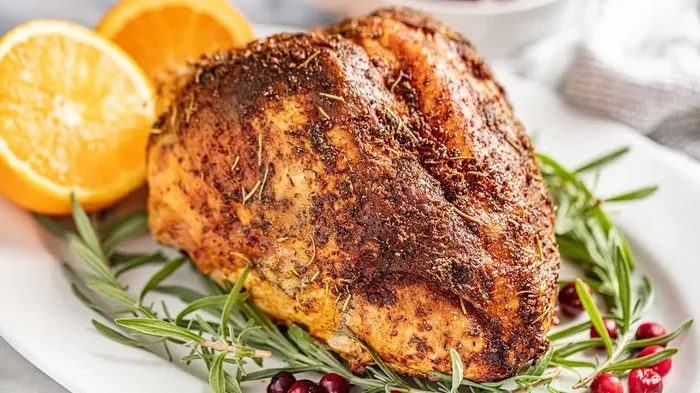
How To Cook Whole Turkey Breast In Oven Step By Step
Cooking a whole turkey breast in oven is simpler than you think. This guide walks you through every step from prep to plate. You will learn the right temperature, timing, and seasoning for a moist, golden roast. Whether it is for Thanksgiving or a weekend dinner, this method delivers consistent results. Follow along and impress everyone at your table.
Key Takeaways
- Oven temperature matters: Baking at 325°F to 375°F ensures even cooking and juicy meat.
- Brining is optional but powerful: A simple saltwater soak keeps turkey breast moist throughout roasting.
- Internal temperature is the real indicator: Always check that the thickest part reaches 165°F before removing from oven.
- Resting time is non-negotiable: Letting the roast rest for 15 to 20 minutes redistributes juices for a tender result.
- Seasoning goes beyond salt: Herb butter, garlic, and citrus add depth and aroma to your whole turkey breast in oven.
- Prep and pat dry: Drying the skin before cooking helps achieve a crispy golden finish.
- Carving with care preserves moisture: Slice against the grain for the most tender and juicy servings.
📑 Table of Contents
- Why Cooking a Whole Turkey Breast in Oven Is a Great Idea
- What You Will Need to Get Started
- How To Prepare the Turkey Breast
- Step-by-Step Cooking Instructions
- Tips for Perfectly Juicy and Flavorful Results
- Serving and Carving Your Turkey Breast
- Common Mistakes To Avoid When Cooking Turkey Breast
- Expert Insights on Roasting Turkey Breast
- Frequently Asked Questions About Cooking Turkey Breast
- Conclusion
Why Cooking a Whole Turkey Breast in Oven Is a Great Idea
Roasting a whole turkey breast in oven is one of the most rewarding things you can do in your kitchen. It fills your home with an amazing aroma. It brings people together around the table. And it gives you a beautiful centerpiece for any meal.
Unlike a whole turkey, a breast roast is much easier to handle. It fits comfortably in most standard ovens. It cooks faster too. You do not need to worry about uneven cooking or dried-out legs. The result is tender, juicy meat that everyone loves.
Whether you are cooking for a small family or a holiday gathering, a whole turkey breast in oven gives you flexibility. You can serve it sliced, chopped, or pulled for sandwiches the next day. It is a versatile cut that works for many occasions. Once you master this method, you will never go back to dry store-bought rotisserie chicken.
The Beauty of Oven-Roasted Turkey Breast
An oven-roasted turkey breast gives you control. You decide the seasoning. You decide the level of crispiness. You decide how juicy you want it. That control is what makes home cooking so satisfying. A whole turkey breast in oven lets you customize every bite to your liking.
Also, oven roasting is hands-off for the most part. You set the temperature. You set the timer. Then you wait. There is no need to stand over a hot stove or flip things constantly. You can prep sides or set the table while your turkey cooks. It is truly one of the easiest impressive meals you can make.
What You Will Need to Get Started
Before you start, gather everything you need. Having all your tools and ingredients ready makes the process smooth and stress-free. Here is a simple checklist to follow.
Essential Tools
- Roasting pan or baking dish: A deep pan with a rack works best for even airflow.
- Meat thermometer: This is the single most important tool for perfect results.
- Aluminum foil: You will use this to tent the breast during part of cooking.
- Basting spoon or brush: For spreading juices or butter over the top.
- Sharp carving knife and cutting board: For slicing cleanly after cooking.
Key Ingredients
- Whole turkey breast: Look for one that is 4 to 8 pounds for best results.
- Olive oil or melted butter: This helps the skin crisp up and stay moist.
- Salt and black pepper: The foundation of any great seasoning.
- Fresh herbs: Rosemary, thyme, and sage add wonderful flavor.
- Garlic cloves: Whole cloves tucked under the skin add a subtle aroma.
- Lemon: Sliced lemon placed inside or on top brightens the flavor.
With these simple items, you are ready to cook a whole turkey breast in oven like a pro. You do not need fancy equipment. You just need good ingredients and a little patience.
How To Prepare the Turkey Breast
Preparation is the secret to a great roast. Taking time at this stage makes a huge difference in the final result. Do not skip or rush these steps.
Thawing Your Turkey Breast
If your turkey breast is frozen, thaw it safely first. Place it in the refrigerator on a tray for 24 to 48 hours depending on size. A 5-pound breast takes about two days to thaw completely. Never thaw at room temperature. That invites bacteria to grow on the surface.
You can also thaw in cold water if you are short on time. Submerge the wrapped breast in cold water and change the water every 30 minutes. This method takes about 2 to 3 hours for a typical breast. Always pat the bird dry before seasoning.
Brining for Extra Juiciness
Brining is an optional step, but it works wonders. A simple brine soaks the meat in saltwater, which helps it retain moisture during cooking. This is especially helpful if you tend to overcook poultry.
To brine, dissolve 1 cup of kosher salt in 1 gallon of cold water. Submerge the turkey breast for 4 to 12 hours. Rinse it well and pat it completely dry before seasoning. The extra effort pays off in juicier meat every single time.
Seasoning and Aromatics
Now comes the fun part. Rub the entire breast with olive oil or melted butter. This creates a barrier that locks in moisture. Then sprinkle generously with salt and pepper.
For deeper flavor, mix softened butter with minced garlic, chopped rosemary, thyme, and a pinch of lemon zest. Spread this herb butter all over the breast. Tuck lemon slices and whole garlic cloves underneath the skin. These aromatics steam as the bird cooks, infusing every bite with flavor.
Another great option is a dry rub. Combine paprika, garlic powder, onion powder, cumin, and brown sugar. Rub it all over the breast for a savory, slightly sweet crust. Both methods work beautifully when you cook whole turkey breast in oven.
Step-by-Step Cooking Instructions
Now that your turkey breast is prepped and seasoned, it is time to put it in the oven. Follow these steps carefully for the best outcome.
Step 1: Preheat the Oven
Set your oven to 350°F. This is the sweet spot for cooking turkey breast evenly. A preheated oven ensures the meat starts cooking immediately. Place the oven rack in the lower third of the oven. This position allows hot air to circulate around the breast without burning the top too quickly.
Step 2: Position the Breast
Place the turkey breast on a rack inside your roasting pan. The rack lifts the meat, allowing hot air to flow underneath. If you do not have a rack, you can use a bed of chopped onions and carrots as a stand. This also adds flavor to any drippings you might use for gravy later.
Make sure the thickest part of the breast faces up. This is where the meat takes the longest to cook, so starting it at the right position matters.
Step 3: Roast at the Right Temperature
Place the pan in the oven and set your timer. A general rule is about 20 minutes per pound at 350°F. So a 5-pound breast will take roughly 1 hour and 40 minutes.
After the first 45 minutes, check the internal temperature. Use your meat thermometer in the thickest part, avoiding bone. You want it to reach 165°F before you take it out. If the top is browning too fast, loosely tent it with aluminum foil.
Step 4: Baste Every 30 Minutes
Basting keeps the surface moist and builds flavor. Every 30 minutes, open the oven and spoon the pan juices over the top of the breast. If you used herb butter, the melted butter will be full of flavor. This simple step makes a noticeable difference in the final dish.
Basting also helps the skin turn golden and slightly crispy. That crispy skin is one of the best parts of any roast. Do not skip it if you want restaurant-quality results.
Step 5: Check Internal Temperature
This is the most important step. The only way to know your turkey breast is done is with a meat thermometer. Insert it into the thickest part of the breast, making sure it does not touch bone.
The target internal temperature is 165°F. However, many experts recommend pulling the breast at 160°F. The temperature will continue to rise during resting. This prevents the meat from drying out. Letting it reach 165°F inside the oven often leads to overcooked, dry results.
Always check in multiple spots. The breast can cook unevenly, especially in larger roasts. A reading of 165°F in at least two places means it is done safely.
Step 6: Rest Before Slicing
Once the temperature hits your target, remove the pan from the oven. Cover the breast loosely with foil and let it rest for 15 to 20 minutes. This resting period is crucial.
During cooking, the juices inside the meat are pushed toward the center. Resting allows them to redistribute throughout the breast. When you slice, the meat stays moist and tender instead of drying out on the plate.
Do not skip this step. Even a few minutes of resting makes a big difference. Use this time to make a quick pan gravy or set the table.
Tips for Perfectly Juicy and Flavorful Results
Getting the most out of your whole turkey breast in oven comes down to a few smart techniques. These tips will elevate your cooking every single time.
Start with a Dry Surface
Pat the turkey breast completely dry with paper towels before seasoning. Moisture on the surface creates steam instead of crispiness. A dry skin roasts up beautifully and turns golden and slightly crunchy. This one simple step separates good turkey from great turkey.
Do Not Overcook
Overcooking is the number one mistake people make. It turns juicy breast meat into dry, stringy disappointment. Use your thermometer and pull the breast early. Remember, carryover cooking will add 3 to 5 degrees after you take it out.
Set a timer and check early. It is always better to add a few more minutes than to overcook the bird. Trust the thermometer, not the clock alone.
Use a Meat Probe Thermometer
A probe thermometer with an alarm is a game-changer. You insert it before the breast goes in the oven. Set the alarm for 160°F. Then you can go about your day and wait for the alert. No need to keep opening the oven door and losing heat.
This tool takes the guesswork out entirely. It is especially helpful if you are new to roasting poultry. Once you use one, you will never go back to guessing again.
Let the Bird Come to Room Temperature
Take the turkey breast out of the refrigerator about 30 to 45 minutes before cooking. Letting it sit on the counter brings it closer to room temperature. This helps the meat cook more evenly from edge to center.
Cold meat going into a hot oven cooks unevenly. The outside overcooks while the inside is still cold. A quick tempering step solves this problem with minimal effort. Just make sure you do not leave it out for more than an hour for food safety.
Save the Drippings
After you remove the breast, do not throw away the pan drippings. They are pure gold for making gravy. Pour them into a fat separator or let the fat rise to the top. Use the flavorful liquid to make a simple pan sauce or gravy for your table.
Deglaze the roasting pan with chicken broth or white wine. Scrape up all the browned bits from the bottom. Simmer for a few minutes and strain. You will have a rich, homemade gravy that complements your roast perfectly.
Serving and Carving Your Turkey Breast
Carving a turkey breast properly keeps it moist and makes it look beautiful on the platter. Follow these simple steps for clean slices and maximum flavor.
How To Carve a Turkey Breast
Place the rested breast on a large cutting board. Use a sharp carving knife. Find the breastbone and slice along it on both sides. This frees the whole breast half from the bone.
Then lay each breast half skin-side down on the board. Slice against the grain in even pieces about a quarter-inch thick. Cutting against the grain shortens the muscle fibers, making each slice more tender.
Arrange the slices on a warm platter. Spoon any accumulated juices from the cutting board over the top. Garnish with fresh herbs and lemon wedges for a beautiful presentation.
Storing Leftovers
Leftover turkey breast keeps well in the refrigerator for up to four days. Store it in an airtight container. You can also freeze cooked turkey for up to three months.
The next day, use leftover turkey in sandwiches, salads, soups, or casseroles. Cold turkey breast makes an excellent wrap with avocado and sprouts. Get creative and enjoy this meal for days after you cook it.
Common Mistakes To Avoid When Cooking Turkey Breast
Even experienced cooks can make errors with turkey breast. Knowing what to avoid saves you from disappointment.
- Not using a thermometer: Guessing doneness leads to overcooked or undercooked meat. Always use a meat thermometer.
- Cooking at too high a temperature: High heat dries out the breast before the inside is done. Stick to 325°F to 375°F.
- Skipping the rest: Cutting too soon releases all the juices onto the cutting board instead of staying in the meat.
- Seasoning too late: Salt needs time to penetrate the meat. Season at least 30 minutes before cooking, or better yet, the night before.
- Overcrowding the pan: Give the breast room to breathe. Crowding traps steam and prevents crispy skin.
Avoiding these simple mistakes puts you on the path to a perfect roast every time. Keep these tips in mind each time you cook whole turkey breast in oven.
Expert Insights on Roasting Turkey Breast
Professional chefs and home cooking experts agree on a few key principles for roasting turkey breast. Let us look at what the pros recommend.
Chef Tip: Butter Under the Skin
Many chefs recommend separating the skin from the meat and slipping softened butter directly underneath. This technique adds richness from the inside out. The butter melts slowly during roasting and keeps the breast incredibly moist. It also crisps the skin beautifully. This method takes just a few extra minutes but transforms the final result.
The Role of Acid
Adding acid through lemon juice or a splash of white wine to your seasoning blend brightens the flavor. Acid cuts through the richness of the meat and balances the dish. A little goes a long way. Too much can toughen the surface, so use it sparingly.
Brine vs Dry Rub
Both methods work well, but they serve different purposes. A wet brine adds moisture. A dry rub adds flavor and texture. For the best results, many cooks do both. They brine overnight for juiciness and apply a dry rub just before roasting for a flavorful crust.
Experiment with both approaches and find what works for your taste. The beauty of cooking whole turkey breast in oven is that you control every variable.
Frequently Asked Questions About Cooking Turkey Breast
Here are answers to the most common questions home cooks ask about roasting turkey breast in the oven.
How Long Does It Take To Cook a Whole Turkey Breast in the Oven?
A whole turkey breast typically takes about 20 minutes per pound at 350°F. A 5-pound breast will take roughly 1 hour and 40 minutes. Always use a meat thermometer to confirm doneness. The internal temperature should reach 165°F in the thickest part.
Should I Cover Turkey Breast With Foil While Cooking?
Covering with foil during the first half of cooking helps prevent the top from burning. After that, remove the foil to let the skin crisp up. Tenting loosely with foil during the resting period also keeps the meat warm while allowing steam to escape.
What Is the Best Internal Temperature for Turkey Breast?
The USDA recommends cooking turkey to an internal temperature of 165°F. However, pulling the breast at 160°F and letting it rest is a popular technique. Carryover cooking will raise the temperature an additional 3 to 5 degrees during resting. This method produces juicier results.
Can I Cook a Frozen Turkey Breast in the Oven?
Yes, but it takes significantly longer. You will need to add about 50 percent more cooking time. It is always better to thaw the breast first for more even cooking. If you must cook from frozen, use a meat thermometer and check frequently to ensure it reaches 165°F throughout.
How Do I Keep Turkey Breast From Drying Out?
Brining is the most effective way to prevent dryness. Also, do not overcook the meat. Pull it at 160°F and let it rest for 15 to 20 minutes. Using butter or olive oil under the skin and over the surface adds moisture and flavor. Avoid cooking at temperatures above 375°F, which can dry out the meat quickly.
What Temperature Should I Set My Oven To for Turkey Breast?
A temperature of 350°F is the most commonly recommended setting for roasting turkey breast. Some cooks prefer 325°F for a slower, more gentle roast. Others go up to 375°F for a crispier skin. The key is consistency and using a thermometer to monitor internal doneness rather than relying solely on time.
Conclusion
Cooking whole turkey breast in oven is a skill anyone can learn. It does not require fancy equipment or years of experience. With the right temperature, proper seasoning, and a reliable meat thermometer, you will serve a roast that impresses everyone at your table.
Remember to take your time with preparation. Pat the bird dry. Season generously. Let it rest after cooking. These small steps make a massive difference in the final result. Whether you are preparing for a holiday feast or a simple weeknight dinner, this method delivers juicy, flavorful turkey every single time.
Now that you know how to cook whole turkey breast in oven step by step, it is your turn to try it. Gather your ingredients, preheat your oven, and enjoy the process. You will be amazed at how easy and rewarding homemade roast turkey can be. Happy cooking!