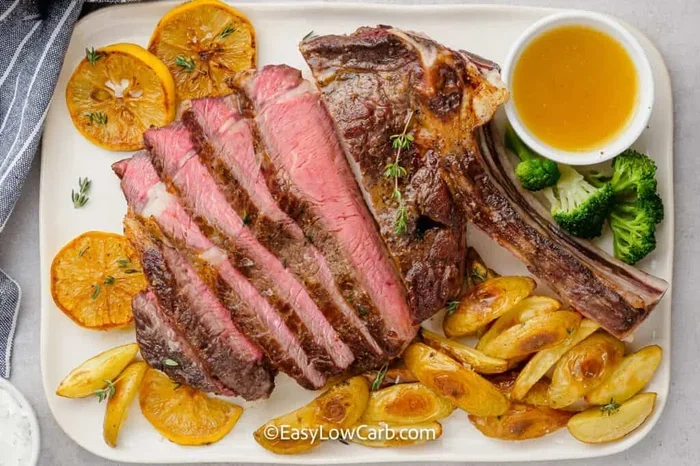
How To Cook Rump Steak In The Oven Perfectly Every Time
Cooking rump steak in the oven is easier than you think, and the results are unbeatable. This guide walks you through every step, from choosing the right cut to pulling it off the heat at the perfect moment. You will learn how to cook rump steak in the oven with confidence, no matter your skill level. Follow our tips for a juicy, tender, and flavorful steak every single time.
There is something deeply satisfying about cooking a thick rump steak in the oven. The gentle, even heat wraps around the meat and turns a simple cut into something truly special. Whether you are feeding a family of four or treating yourself to a solo dinner, how to cook rump steak in the oven is a skill worth mastering.
Many people reach for the grill when they think about steak. But your oven can deliver incredible results too. It is more consistent, easier to control, and works perfectly even when the weather outside is less than ideal. This guide covers everything you need to know about oven-baked steak, from picking the right cut at the butcher counter to slicing into a perfectly pink center at the table.
Key Takeaways
- Pick the right cut: Look for well-marbled rump steak that is at least 1 inch thick for the best oven results.
- Bring it to room temperature: Letting your steak sit out for 30 minutes before cooking ensures even heat throughout.
- Use a meat thermometer: This is the single most important tool for hitting your desired doneness every time.
- Rest your steak: Always let the steak rest for 5 to 8 minutes after cooking to lock in the juices.
- Sear before or after: You can sear your rump steak in a cast iron skillet before or after the oven for a beautiful crust.
- Season simply: Salt, pepper, garlic, and a touch of olive oil go a long way with beef rump steak.
- Store leftovers properly: Cooked rump steak keeps well in the fridge for up to 3 days and reheats beautifully.
📑 Table of Contents
- Why Oven-Cooked Rump Steak Deserves a Spot in Your Kitchen
- Choosing the Right Rump Steak for the Oven
- Preparing Your Rump Steak for the Oven
- The Best Oven Temperature and Timing for Rump Steak
- Searing Your Rump Steak for the Perfect Crust
- Resting, Slicing, and Serving Your Oven-Cooked Steak
- Common Mistakes to Avoid When Cooking Rump Steak in the Oven
- Expert Tips for the Perfect Oven Rump Steak
- Frequently Asked Questions
- Conclusion
Why Oven-Cooked Rump Steak Deserves a Spot in Your Kitchen
The oven method for cooking steak in oven is one of the most reliable techniques you can learn. Unlike a grill where hot spots can cause uneven cooking, an oven surrounds the steak with consistent heat. This means less guesswork and more predictable outcomes.
Rump steak is a fantastic choice for oven cooking. It comes from the hindquarter of the animal and carries a rich, beefy flavor. When cooked properly, it has a firm yet tender texture that pairs beautifully with a crispy outer crust. The fat content in a well-chosen rump steak renders slowly in the oven, basting the meat from the inside out.
Here are some reasons why the oven method works so well for beef rump steak:
- Even heat distribution: Your oven warms the steak uniformly, reducing the risk of a cold center.
- Hands-off cooking: Once the steak is in the oven, you can prep sides and set the table.
- Year-round convenience: No need to fire up the grill in the middle of winter or on rainy days.
- Better control: You can adjust the temperature at any point to fine-tune the doneness.
- Consistent results: Once you nail the timing, you will reproduce perfect steaks every single time.
The Reverse Sear Method for Oven Steak
One of the most popular techniques for oven-baked steak is the reverse sear. This method involves cooking the steak low and slow in the oven first, then finishing it with a hard sear in a hot skillet. The result is an even pink center with a deeply caramelized crust. It is especially effective for thicker cuts of rump steak, those 1.5 inches or more.
The reverse sear gives you more control over the interior temperature. Because the oven does the heavy lifting, you avoid the shock of high direct heat that can overcook the edges. This is why many home cooks and even professional chefs prefer this approach for how to cook rump steak in the oven.
Choosing the Right Rump Steak for the Oven
Not all rump steaks are created equal. The cut you choose at the store or butcher will make a huge difference in the final dish. A great beef rump steak should have a few key qualities that set it up for oven success.
What to Look For at the Butcher
When selecting your oven-baked steak, keep these visual and tactile cues in mind:
- Marbling: Look for thin white streaks of fat running through the meat. This marbling melts during cooking and adds flavor and tenderness.
- Color: The steak should be a deep red with a slightly purplish hue. Avoid any that look brown or gray on the surface.
- Thickness: Aim for at least 1 inch thick, ideally 1.5 inches. Thinner steaks can dry out quickly in the oven.
- Firmness: The meat should feel firm but give slightly when pressed. It should not feel mushy or overly soft.
- Fat cap: A thin layer of fat on one side helps baste the steak as it cooks. Look for a visible, even fat cap.
Understanding Different Rump Cuts
The rump area of the cow produces several cuts that work well for oven cooking. The top rump, also called the top sirloin butt, is leaner and slightly more tender. The bottom rump is a bit tougher but carries more flavor and responds well to slow, low-temperature cooking. For most home cooks, a top rump steak offers the best balance of flavor and tenderness when using the oven method.
You might also hear this cut referred to as a steak roast or beef rump roast depending on your local butcher. They are all similar and work wonderfully for oven preparation. The key is to buy fresh and choose a piece with good marbling.
Preparing Your Rump Steak for the Oven
Preparation is where many people skip steps and end up with a less-than-perfect result. Taking a few extra minutes to prep your rump steak recipe properly can elevate the entire dish. The goal is to make sure the steak cooks evenly and develops a gorgeous crust.
Bringing the Steak to Room Temperature
This is a step that should never be rushed. Take your rump steak out of the refrigerator about 30 to 45 minutes before you plan to cook it. This allows the meat to come to room temperature, which means it will cook more evenly from edge to center.
If you skip this step and put a cold steak straight into a hot oven, the outside will overcook while the inside remains cold. That is not the oven temperature for steak experience you are going for. Pat the steak dry with paper towels before seasoning. Moisture on the surface can steam the meat instead of letting it sear properly.
Seasoning Your Steak for Maximum Flavor
Seasoning a rump steak for the oven is simple but effective. Here is a basic approach that works every time:
- Pat the steak completely dry with paper towels.
- Brush both sides lightly with olive oil or a neutral cooking oil.
- Generously coat each side with kosher salt and freshly cracked black pepper.
- Add minced garlic or garlic powder for extra depth of flavor.
- Optional: add a sprinkle of smoked paprika or dried rosemary for a savory kick.
Keep it simple. A great steak seasoning does not need to be complicated. Salt and pepper alone can create a stunning steak crust when the oven does its work. The salt draws out some moisture initially, but as the steak cooks, that moisture reabsorbs along with the seasoning, creating a flavorful crust on the surface.
Optional: Marinating Your Rump Steak
While a simple seasoning rub works beautifully, some cooks prefer to marinate their oven-baked steak for extra flavor. A basic marinade of olive oil, soy sauce, garlic, and a splash of Worcestershire sauce works wonders. Marinate for at least 1 hour or up to overnight in the refrigerator. Just remember to pat the steak dry before it goes into the oven, as excess liquid can prevent a good sear.
The Best Oven Temperature and Timing for Rump Steak
Getting the oven temperature for steak right is the single most important factor in cooking a perfect rump steak. Too hot and the outside burns before the inside is done. Too low and the steak dries out over a long cook. The sweet spot depends on the thickness of your cut and your preferred level of doneness.
Recommended Oven Temperatures
For a standard rump steak that is about 1 to 1.5 inches thick, preheat your oven to 275°F (135°C). This low temperature allows the heat to penetrate gently to the center without overcooking the outer layers. If you prefer a faster cook, you can raise the temperature to 350°F (175°C), but you will need to watch the steak more closely.
For a thicker cut of 2 inches or more, the reverse sear method shines. Start at 275°F and cook until the internal temperature is about 10 to 15 degrees below your target doneness. Then finish with a hot sear in a cast iron skillet for 1 to 2 minutes per side.
Timing Guide for Different Levels of Doneness
Cooking times will vary based on the thickness of your steak and the oven temperature. Here is a general guide for a 1.5-inch rump steak cooked at 275°F:
- Rare: 20 to 25 minutes (internal temp of 120°F to 125°F)
- Medium Rare: 25 to 30 minutes (internal temp of 130°F to 135°F)
- Medium: 30 to 35 minutes (internal temp of 140°F to 145°F)
- Well Done: 35 to 40 minutes (internal temp of 155°F to 160°F)
Always use a meat thermometer to check the internal temperature. This is the most reliable way to know exactly where your steak is in terms of doneness. Insert the thermometer into the thickest part of the steak, avoiding any bone or fat pockets.
Comparison Table: Oven Temperature vs. Cooking Time
| Oven Temperature | Steak Thickness | Approximate Cook Time | Best For |
|---|---|---|---|
| 275°F (135°C) | 1 to 1.5 inches | 20 to 30 minutes | Reverse sear, even cooking |
| 350°F (175°C) | 1 to 1.5 inches | 15 to 20 minutes | Faster cook, single method |
| 400°F (200°C) | 1 inch or less | 10 to 15 minutes | Thin steaks, direct oven method |
| 275°F then sear | 1.5 to 2 inches | 25 to 35 minutes total | Thick cuts, restaurant-quality crust |
Searing Your Rump Steak for the Perfect Crust
While the oven does the bulk of the work, a good sear adds texture, color, and flavor that elevates your oven-baked steak to the next level. The sear creates the steak crust those beautiful brown and caramelized edges that make every cut of steak look and taste incredible.
How to Sear After Oven Cooking
Once your rump steak has reached the target internal temperature in the oven, remove it and let it rest for a few minutes. Then, heat a cast iron skillet over high heat until it is smoking hot. Add a small amount of high-smoke-point oil like avocado oil or grapeseed oil. Place the steak in the skillet and sear for 60 to 90 seconds per side. This gives you a deep, golden-brown crust without overcooking the interior.
How to Sear Before Oven Cooking
You can also sear the steak first and then transfer it to the oven. This approach works well if you want a more pronounced crust. Heat your skillet with oil until it is shimmering hot, then place the seasoned rump steak in the pan. Sear each side for about 2 minutes until a dark brown crust forms. Then transfer the entire skillet into the preheated oven and continue cooking until it reaches your desired doneness.
Both methods produce excellent results. The choice comes down to personal preference and how much crust you prefer. Many people find that searing after the oven gives a more even crust, while searing before adds a bolder flavor layer.
Why Cast Iron Skillets Are Ideal for Searing Steak
A cast iron skillet is the best tool for searing rump steak. It retains heat incredibly well and distributes it evenly across the cooking surface. This means you get a consistent, beautiful crust on every side. If you do not have a cast iron skillet, a heavy stainless steel pan works as a good alternative. Avoid non-stick pans for searing, as they do not get hot enough to create that perfect Maillard reaction on the surface of the meat.
Resting, Slicing, and Serving Your Oven-Cooked Steak
The final steps of how to cook rump steak in the oven are just as important as the cooking itself. Rushing through this stage is the number one mistake home cooks make, and it costs them a juicy, tender steak.
Why Resting Matters
When your rump steak comes out of the oven or off the skillet, the juices inside are under pressure from the high heat. If you cut into it immediately, those juices will run out onto the cutting board instead of staying in the meat. Resting allows the proteins to relax and reabsorb that moisture, giving you a juicier, more flavorful bite.
Let your beef rump steak rest for at least 5 to 8 minutes after cooking. Tent it loosely with aluminum foil to keep it warm without trapping too much steam, which can soften the crust. This resting period also gives the internal temperature time to rise by a few degrees, a phenomenon known as carryover cooking.
Slicing Against the Grain
When it is time to slice your rump steak, always cut against the grain. The grain refers to the direction of the muscle fibers in the meat. Cutting against these fibers shortens them, making each bite more tender and easier to chew. If you cut with the grain, the steak will feel tougher and chewier, no matter how perfectly you cooked it.
Use a sharp slicing knife and cut the steak into strips about half an inch thick. This thickness works well for serving and makes each piece easy to handle with a fork and knife.
Best Sides to Serve with Oven Rump Steak
The right sides can turn a great steak into an unforgettable meal. Here are some classic pairings that complement oven-baked steak:
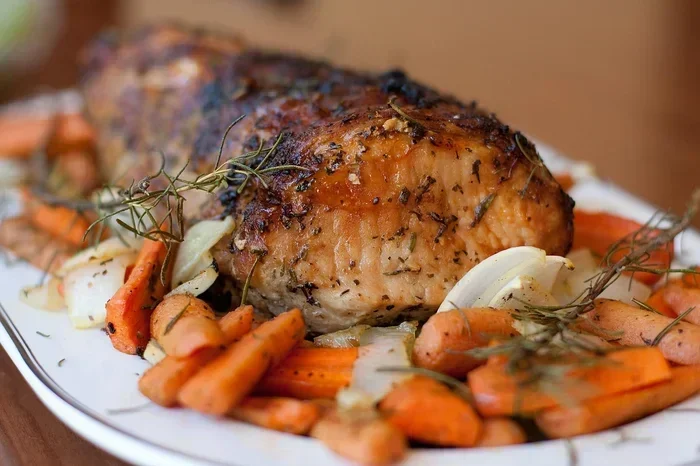
- Crispy roasted potatoes: Toss baby potatoes with olive oil, rosemary, and garlic, then roast alongside the steak.
- Grilled or roasted vegetables: Asparagus, broccolini, or zucchini make excellent steak companions.
- Garlic butter mushrooms: Sautéed mushrooms with butter and garlic add a rich, earthy flavor.
- Creamy mashed potatoes: A classic comfort food that pairs beautifully with any cut of beef.
- Simple green salad: A light salad with a vinaigrette dressing cuts through the richness of the steak.
Storing Leftover Rump Steak
If you have leftovers, store them properly to enjoy them later. Let the cooked rump steak cool to room temperature, then wrap it tightly in plastic wrap or aluminum foil. Place it in an airtight container and refrigerate. Cooked steak keeps well in the fridge for up to 3 days. To reheat, use a low oven temperature of 250°F or warm it gently in a skillet with a splash of broth to keep it moist.
Common Mistakes to Avoid When Cooking Rump Steak in the Oven
Even experienced cooks can make mistakes when preparing oven-baked steak. Being aware of these pitfalls helps you avoid them and consistently achieve better results.
Skipping the Meat Thermometer
This is the single biggest mistake people make. Guessing the doneness of your steak by time alone is unreliable. Every oven is different, and every steak varies in thickness and starting temperature. A meat thermometer takes the guesswork out entirely and ensures your steak is cooked exactly how you like it.
Not Letting the Steak Rest
Cutting into a freshly cooked steak the moment it comes out of the oven is tempting, but it is a mistake. The juices will spill out, leaving you with a drier steak. Give it the full 5 to 8 minutes to rest, and you will notice a dramatic difference in juiciness.
Using a Steak That Is Too Thin
Thin cuts of rump steak (less than ¾ inch) are not ideal for oven cooking. They can overcook quickly and dry out before you get a chance to sear them. If you only have thin steaks, consider using a higher oven temperature and reducing the cook time, or use the stovetop method instead.
Over-Salting Too Early
While salt is essential for flavor, salting too far in advance can draw out too much moisture and create a surface that is too wet. For best results, salt your steak about 30 to 45 minutes before cooking, or right before it goes into the oven.
Opening the Oven Door Too Often
Every time you open the oven door, you lose heat and disrupt the cooking environment. Resist the temptation to check on the steak constantly. Use the oven light to monitor progress, and only open the door when you need to check the internal temperature with the thermometer.
Expert Tips for the Perfect Oven Rump Steak
Here are some professional-level tips that separate a good oven steak from a great one:
- Use a wire rack: Place your steak on a wire rack set over a baking sheet. This allows hot air to circulate around the meat, cooking it more evenly than placing it directly on a pan.
- Add a sprig of rosemary: Tossing a fresh rosemary sprig onto the steak before it goes in the oven infuses a subtle herbal aroma into the meat as it cooks.
- Baste with butter: During the final sear, add a knob of butter, crushed garlic, and thyme to the skillet. Tilt the pan and spoon the melted butter over the steak for added richness.
- Let the steak finish in the oven: If you sear first and then transfer to the oven, the residual heat will gently bring the center up to the perfect temperature without overcooking the edges.
- Slice and serve immediately: Steak is at its best when served right after resting. Do not let it sit on the plate for too long before slicing.
Quick Tips for Oven-Cooked Rump Steak
Quick Tip 1: Always preheat your oven before placing the steak inside. A cold start leads to uneven cooking.
Quick Tip 2: If you do not have a meat thermometer, use the finger test. Press the center of the steak and compare the feel to the firmness of the fleshy part of your palm below your thumb for different doneness levels.
Quick Tip 3: For extra flavor, add a small pat of butter on top of the steak before it goes into the oven. The butter melts and bastes the meat as it cooks.
Quick Tip 4: Let your rump steak dry on a rack in the fridge for a few hours before cooking. This dries the surface and leads to a better crust.
Frequently Asked Questions
Can I cook rump steak in the oven without searing it first?
Yes, you absolutely can. The oven method alone can produce a tender and flavorful steak. However, adding a sear in a cast iron skillet before or after the oven gives you a more textured crust and deeper flavor. It is optional but highly recommended for the best results.
How do I know when my rump steak is done in the oven?
The most reliable way is to use a meat thermometer. For rare, aim for 120°F to 125°F. Medium rare is 130°F to 135°F. Medium is 140°F to 145°F. The internal temperature will continue to rise a few degrees after you remove the steak from the oven, so pull it off early.
What is the best oven temperature for cooking rump steak?
For most rump steaks, 275°F (135°C) is the ideal oven temperature for steak. This low and slow approach cooks the meat evenly and preserves its juiciness. If your steak is thinner, you can increase the temperature to 350°F or 400°F and reduce the cooking time accordingly.
How long should I let my steak rest after cooking?
Let your beef rump steak rest for at least 5 to 8 minutes after cooking. This allows the juices to redistribute throughout the meat. Tent it loosely with foil to keep it warm during this time. Cutting too early will cause the juices to run out, leaving the steak less flavorful.
Can I use frozen rump steak for oven cooking?
It is best to thaw your rump steak before cooking it in the oven. Place it in the refrigerator the night before and let it defrost slowly. Cooking from frozen can lead to uneven cooking, with the outside overcooking before the center thaws. If you must cook from frozen, increase the cooking time and use a lower oven temperature.
Is rump steak a good cut for oven cooking?
Absolutely. Rump steak is a flavorful and affordable cut that responds well to oven cooking. It is leaner than some premium cuts like ribeye or filet mignon, but with the right technique and timing, it can be just as delicious. The reverse sear method works especially well with rump steak.
Conclusion
Learning how to cook rump steak in the oven is one of the most rewarding kitchen skills you can develop. It gives you a reliable, consistent way to prepare a restaurant-quality steak in the comfort of your own home. From selecting the right cut at the butcher counter to resting the steak before you slice it, every step matters.
The beauty of oven cooking is in its simplicity and control. You set the temperature, you set the timer, and you let the oven do the work. When you combine that with a good sear and a proper resting period, the results speak for themselves. Your oven-baked steak will have a beautiful crust, a juicy pink center, and a depth of flavor that will impress everyone at the table.
Remember to use a meat thermometer, bring your steak to room temperature before cooking, and never skip the resting step. These small habits make a huge difference. With practice, you will be able to cook a perfect beef rump steak in the oven without even thinking about it. It becomes second nature.
So next time you are craving a great steak, skip the grill and let your oven work its magic. Grab a good rump steak, keep it simple with salt and pepper, and trust the process. You will be amazed at what a little patience and the right technique can do. How to cook rump steak in the oven has never been easier, and the results are always worth the effort.