Is Pyrex Snapware Oven Safe Everything You Need to Know
Yes, Pyrex Snapware is oven safe, but only under specific conditions. The glass containers can handle temperatures up to 425°F, making them great for baking and reheating. However, the plastic lids should never go in the oven, as they melt at much lower temperatures. Always follow Pyrex guidelines to avoid thermal shock and keep your kitchen safe.
Key Takeaways
- Pyrex Snapware glass is oven safe up to 425°F: The tempered glass body handles baking, roasting, and reheating with ease.
- Plastic lids are NOT oven safe: Always remove them before placing any Pyrex Snapware container in the oven.
- Thermal shock is a real risk: Avoid sudden temperature changes like moving from freezer to hot oven directly.
- Check for cracks or damage: Discard any Pyrex Snapware with chips or scratches before oven use.
- Use the right bakeware size: Match your Pyrex dish to the recipe temperature and cooking time for best results.
- Lids are microwave and dishwasher safe: They work great for storage but stay out of high-heat environments.
- Follow manufacturer guidelines: Pyrex provides clear instructions that protect your bakeware and your safety.
📑 Table of Contents
Is Pyrex Snapware Oven Safe? The Complete Guide
Many home cooks reach for their Pyrex Snapware containers every day. They are convenient, stackable, and perfect for storing leftovers. But when it comes time to reheat food, a common question pops up: is Pyrex Snapware oven safe? The short answer is yes, with some important caveats. This guide covers everything you need to know about using Pyrex Snapware in the oven safely.
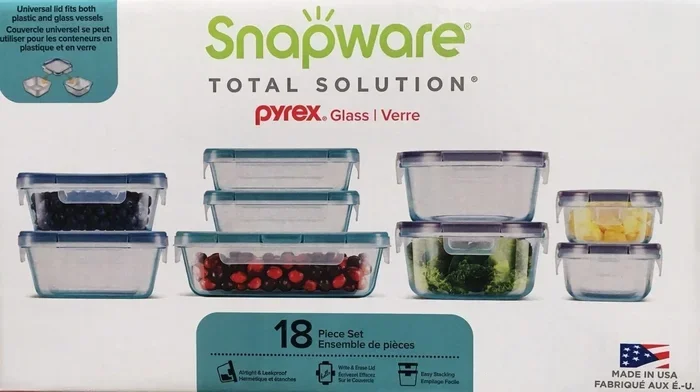
Whether you are baking a casserole, reheating last night’s dinner, or preparing a meal ahead of time, knowing your bakeware limits matters. Pyrex Snapware products are made from tempered glass, which gives them strong heat resistance. But not every part of the set handles heat the same way. The glass base is oven safe, but the plastic lids are not. Understanding this difference keeps your food safe and your bakeware in good shape.
In this article, we will walk through temperature limits, lid safety, common mistakes, and expert tips. By the end, you will feel confident using your Pyrex Snapware in the oven every time. Let us dive in.
What Is Pyrex Snapware Made Of?
Pyrex Snapware containers are built from tempered glass, also known as borosilicate glass in older versions. This type of glass is specially treated to handle high temperatures. It resists thermal expansion, which means it does not crack easily when exposed to heat. That is what makes Pyrex bakeware so popular among home cooks.
The snap-on lids, on the other hand, are made from plastic. Specifically, they use a type of plastic designed for food storage. This plastic is safe for the microwave and dishwasher. However, it is not built to withstand oven temperatures. The mismatch between the glass base and plastic lid is the single most important thing to remember when using Pyrex Snapware in the oven.
Modern Pyrex glass containers are different from vintage Pyrex. Older versions used a formula that handled extreme temperature changes better. Today’s Pyrex is still durable but requires more careful handling. Knowing what your Pyrex containers are made of helps you use them correctly and avoid accidents.
Temperature Limits for Pyrex Snapware
Pyrex Snapware oven safe temperature is clearly stated by the manufacturer. The glass base can handle up to 425°F (218°C). This covers most baking and reheating needs. You can safely use Pyrex Snapware for casseroles, roasted vegetables, baked pasta, and more.
However, there are limits. Exposing Pyrex bakeware to temperatures above 425°F increases the risk of breakage. Broilers and direct flame sources are a no-go. The glass is not designed for those extreme heat levels. Always check your recipe temperature before placing Pyrex Snapware in the oven.
Here is a quick look at what Pyrex Snapware can and cannot handle:
- Oven safe: Up to 425°F for baking and roasting
- Microwave safe: Glass base and plastic lid both work
- Dishwasher safe: All parts are dishwasher friendly
- Freezer safe: Glass base can go from freezer to fridge
- Not oven safe: Plastic lids, broiler settings, direct flame
- Not stovetop safe: Never place on a burner or hotplate
Following these guidelines keeps your Pyrex Snapware in great condition for years. It also prevents kitchen accidents that can happen when glass is pushed beyond its limits.
The Lids: Why They Are Not Oven Safe
This is the part most people get wrong. The snapware lids are convenient for storing food in the fridge or taking lunches to work. They seal tightly and keep spills contained. But those same lids should never enter a hot oven. The plastic will melt, warp, and release harmful chemicals into your food.
When you use Pyrex Snapware for oven cooking, always remove the lid first. You can cover the dish with aluminum foil instead. This traps heat and moisture just like a lid would, without the risk of melting. Some cooks also use a separate oven-safe lid designed for high-heat cooking.
One common mistake is leaving the lid on loosely, thinking it will be fine. Even a loose plastic lid in the oven will warp and stick to the glass. This can ruin both the lid and the container. Make it a habit to always check that the lid is off before the Pyrex Snapware goes in the oven.
Understanding Thermal Shock and How to Avoid It
Thermal shock is one of the biggest enemies of glass bakeware. It happens when glass experiences a sudden temperature change. For example, taking a Pyrex Snapware container straight from the freezer and placing it in a hot oven can cause it to crack or shatter. The rapid expansion and contraction of the glass creates stress fractures.
To avoid thermal shock with your Pyrex bakeware, follow these simple steps:
- Let frozen food thaw in the fridge overnight before transferring to the oven
- Never place cold Pyrex containers directly into a preheated oven
- Allow glass to come to room temperature before exposing it to heat
- Place Pyrex Snapware in a cold oven and let it heat up with the oven
- Avoid placing hot glass on cold or wet surfaces
These small habits make a big difference. They extend the life of your Pyrex glass containers and keep your kitchen safe. Thermal shock can happen faster than you think, so staying mindful of temperature transitions is key.
Can You Use Pyrex Snapware for Baking?
Absolutely. Pyrex Snapware works wonderfully for baking. The even heat distribution of tempered glass makes it ideal for casseroles, cobblers, and baked goods. Many bakers prefer glass over metal because it heats more evenly and allows you to monitor the bottom of your dish through the clear walls.
Here are some popular baking uses for Pyrex Snapware:
- Casseroles: Assemble and bake right in the container
- Lasagna: The deep walls hold layers perfectly
- Baked pasta: Easy to go from prep to oven to table
- Cobblers and crisps: The glass lets you check the crust color
- Roasting vegetables: The wide opening makes tossing easy
When baking with Pyrex Snapware, reduce your oven temperature by 25°F compared to metal pans. Glass heats up more slowly but retains heat longer, which means your food continues cooking after you take it out. This is a great tip for anyone new to using Pyrex bakeware for baking.
Common Mistakes People Make with Pyrex Snapware
Even experienced cooks make mistakes with their Pyrex containers. Here are the most common errors and how to avoid them:
Putting the Lid in the Oven
This tops the list of mistakes. The plastic lid will melt onto the glass and may release toxic fumes. Always remove it. If you need to cover the dish, use a piece of aluminum foil or a separate oven-safe lid made from metal or ceramic.
Moving from Freezer to Oven
We have all been tempted to do this. It seems convenient, but it is dangerous. The sudden temperature change can cause the glass to explode. Always let your Pyrex Snapware adjust to room temperature first, or better yet, thaw your food in the refrigerator overnight.
Using Damaged Containers
Cracks, chips, and scratches weaken glass over time. A damaged Pyrex container is more likely to break when exposed to heat. Inspect your bakeware before each use. If you see any damage, it is best to retire the container and replace it.
Overfilling the Container
When baking, food expands as it heats. Overfilling a Pyrex Snapware container can cause spills that are hard to clean and may create smoke in the oven. Leave at least one inch of space at the top for food to expand safely.
Using Pyrex on the Stovetop
Pyrex Snapware is not stovetop safe. The direct heat from a burner can cause the glass to crack or shatter. Always use Pyrex bakeware in the oven, microwave, or as a storage container only.
Expert Tips for Using Pyrex Snapware in the Oven
Getting the most out of your Pyrex Snapware is easy with a few pro tips. These recommendations come from experienced cooks and Pyrex guidelines:
- Preheat the oven first: Always put your Pyrex Snapware in a preheated oven, not a cold one that is heating up. Wait until the oven reaches the target temperature before inserting the dish.
- Place on a dry, oven-safe surface: Set your Pyrex containers on a dry oven rack or baking sheet. Wet or greasy surfaces can cause slipping or thermal shock.
- Use oven mitts: Glass gets hot. Always wear oven mitts when handling Pyrex bakeware straight from the oven.
- Let it cool before washing: Do not run hot Pyrex glass containers under cold water immediately after oven use. Let them cool to room temperature first.
- Store with the lid off: When not in use, keep Pyrex Snapware lids off to prevent moisture buildup and odor absorption.
- Check for the oven-safe symbol: Some newer Pyrex products have specific symbols on the bottom. Always look for the oven-safe marking before using.
These tips might seem small, but they add up to a longer lifespan for your Pyrex Snapware and a safer kitchen. A little care goes a long way with glass bakeware.
Pyrex Snapware vs. Other Oven-Safe Containers
How does Pyrex Snapware compare to other popular oven-safe options? Here is a quick comparison:
| Feature | Pyrex Snapware | Metal Baking Dish | Ceramic Dish |
|---|---|---|---|
| Oven Safe Temp | Up to 425°F | Varies, often higher | Varies by type |
| Lid Included | Yes (plastic, not oven safe) | Usually no | Sometimes |
| Storage Ready | Yes | No | No |
| Microwave Safe | Yes | No | Usually yes |
| Dishwasher Safe | Yes | Yes | Usually yes |
| Weight | Lightweight | Medium | Heavy |
| Price | Affordable | Varies | Varies |
Pyrex Snapware stands out for its versatility. You can cook, store, and reheat all with the same container. Metal and ceramic dishes are great for baking, but they do not offer the same all-in-one convenience. The snap-on lids make Pyrex containers ideal for meal prep and fridge storage, which is a huge plus for busy households.
Is Pyrex Snapware Safe for Reheating?
Reheating food is one of the most common uses for Pyrex Snapware. The good news is that it works beautifully for this purpose. You can take your container straight from the fridge, pop it in the oven, and reheat your meal evenly. The tempered glass heats food thoroughly without hot spots.
For best results when reheating, add a splash of water or a drizzle of oil to prevent drying out. Cover the dish loosely with foil since the plastic lid cannot go in the oven. Heat at 350°F for about 15 to 20 minutes, depending on the portion size.
Always remember to remove the snapware lid before reheating. This simple step prevents melting, warping, and potential chemical leaching. Your food will taste better and your Pyrex Snapware will last longer.
Caring for Your Pyrex Snapware
Proper care keeps your Pyrex containers looking great and performing well. Here are some maintenance tips:
- Hand wash when possible: While dishwasher safe, hand washing extends the life of both the glass and the plastic lid.
- Use non-abrasive sponges: Avoid steel wool or harsh scrubbers that can scratch the glass surface.
- Store lids separately: This prevents warping and keeps the snap seal tight.
- Inspect regularly: Check for chips, cracks, or discoloration before each use.
- Replace worn lids: If a lid no longer seals properly, replace it. Pyrex sells replacement lids separately.
Taking care of your Pyrex bakeware means it will serve you well for many years. These containers are an investment in a well-organized kitchen.
The Verdict: Is Pyrex Snapware Oven Safe?
Pyrex Snapware oven safe is a question with a clear answer: yes, the glass base is oven safe up to 425°F. The plastic lids are not. By following the guidelines in this article, you can confidently use your Pyrex Snapware for baking, roasting, and reheating. Always remove the lid, avoid sudden temperature changes, and inspect your containers before each use.
Using Pyrex Snapware correctly means fewer kitchen accidents and better cooking results. The tempered glass provides even heat distribution, and the snap-on design makes storage a breeze. It is one of the most versatile kitchen tools you can own, as long as you respect its limits.
Remember, Pyrex containers are built to last, but they need proper handling. Treat them well, and they will reward you with years of reliable service. From first meal prep to last-minute reheating, your Pyrex Snapware has got you covered.
Frequently Asked Questions
Can I put the Pyrex Snapware lid in the oven?
No, the plastic lid is not oven safe. It will melt and potentially release harmful chemicals. Always remove the lid before placing Pyrex Snapware in the oven. Use aluminum foil as a substitute cover if needed.
What is the maximum oven temperature for Pyrex Snapware?
Pyrex Snapware is safe for oven temperatures up to 425°F (218°C). Going above this limit increases the risk of breakage. Always check your recipe temperature and adjust accordingly.
Can I move Pyrex Snapware from the freezer directly to the oven?
No, this is a major cause of thermal shock and can cause the glass to crack or shatter. Let the container come to room temperature first, or thaw the food in the refrigerator overnight before baking.
Are all Pyrex Snapware lids dishwasher safe?
Yes, all Pyrex Snapware plastic lids are dishwasher safe. You can also wash them by hand with warm soapy water. Avoid using abrasive cleaners that could scratch the plastic surface.
Can Pyrex Snapware go on the stovetop?
No, Pyrex Snapware is not stovetop safe. The direct heat from a burner can cause the glass to break. Use it only in the oven, microwave, or as a food storage container.
How do I know if my Pyrex Snapware is oven safe?
Check the bottom of the container for the oven-safe symbol or marking. Most modern Pyrex bakeware includes clear markings. If in doubt, refer to the manufacturer guidelines on the Pyrex website or product packaging.