Do Cookies Continue To Cook After Leaving The Oven
Yes, cookies absolutely continue to cook after you pull them from the oven. This process, known as carryover cooking, happens because the hot baking sheet and trapped heat keep the cookies baking even off the tray. Understanding this simple fact can transform your cookie-baking results from average to amazing.
Have you ever pulled a tray of cookies out of the oven and thought, “These look a little underdone”? You’re not alone. That moment of doubt hits almost every baker at some point. The good news is that do cookies continue to cook after leaving the oven — and understanding why can change your entire baking game.
When you slide a tray of fresh cookies into the oven, the magic starts. Heat moves through the dough, butter melts, sugar melts, and the edges turn golden. But here’s the secret most people miss: the cookies don’t stop cooking the second the timer goes off. Carryover cooking keeps happening. The hot baking sheet, the trapped warmth inside the cookie, and the residual heat all work together to finish the job even after you take them out.
This carryover effect is one of the most important things to understand in cookie baking science. It affects texture, chewiness, crispness, and overall doneness. Whether you prefer soft centers with crispy edges or a uniform golden bake, knowing how residual heat works puts you in control. Let’s dive into the full picture so you can bake cookies with total confidence.
Key Takeaways
- Carryover cooking is real: Cookies keep baking from residual heat after removal.
- Residual heat matters: The baking sheet and oven air continue to cook cookies on the surface.
- Timing is everything: Pulling cookies early prevents overbaking and keeps them chewy.
- Cooling technique counts: Using a wire rack stops cookies from overcooking on a hot sheet.
- Oven temperature accuracy is key: An oven thermometer helps you bake more consistently.
- Cookie type changes the game: Different recipes respond differently to carryover heat.
📑 Table of Contents
- What Is Carryover Cooking in Cookies?
- Why Does Residual Heat Matter So Much?
- How to Know When Cookies Are Truly Done
- The Cooling Process and Why It Changes Everything
- Common Mistakes That Lead to Overbaked Cookies
- How Different Cookie Types Respond to Carryover Heat
- Expert Insights on Perfect Cookie Baking
- Final Thoughts on Cookie Carryover Cooking
What Is Carryover Cooking in Cookies?
Carryover cooking is a well-known concept in the kitchen. It doesn’t just apply to cookies. It happens with meats, casseroles, and yes — baked goods. The idea is simple. Something that has absorbed heat continues to cook even after the heat source is removed.
In cookies, this means the dough keeps setting and the texture keeps changing after you pull the tray out of the oven. The baking sheet underneath is often the biggest culprit. Metal holds heat incredibly well. Even when the oven is off, that sheet is still scorching hot. It transfers heat upward into the bottom of the cookies for several minutes.
The oven air also plays a role. When the cookies are inside, they sit in a pocket of superheated air. When you open the door, that air doesn’t instantly disappear. It lingers and continues to warm the cookies from above. This is why the top of a cookie often looks done before the center does.
How Long Does Carryover Cooking Last?
Most cookies continue to cook for about 3 to 5 minutes after removal. Some thicker cookies can carry over for up to 10 minutes. The exact time depends on a few factors:
- Cookie thickness: Thicker cookies hold more heat in the center and carry over longer.
- Baking sheet material: Dark metal sheets hold more heat than light-colored or aluminum sheets.
- Oven temperature: Higher oven temps mean more stored heat in the sheet and the cookies.
- Cookie size: Larger cookies retain heat longer than smaller ones.
The cookie texture you want should guide when you pull them out. If you like crispy cookies all the way through, you might let them bake a little longer in the oven. If you love soft, chewy centers, pull them early and let carryover cooking finish the job.
Why Does Residual Heat Matter So Much?
Understanding residual heat is the key to perfect cookies. Many home bakers make the mistake of using the oven timer as their only guide. But the timer tells you when the oven has done its job — not when the cookies are truly done.
Here is a quick look at what happens during the residual heat phase:
- The edges firm up: The outer edges of the cookie, which heated first, continue to set and become more rigid.
- The center softens: Heat moves toward the center, but it also continues to cook the starches and proteins there.
- The color deepens: Maillard reactions and caramelization keep happening at lower temperatures, giving cookies a richer color and flavor.
- The structure sets: The cookie goes from soft and puffy to stable and sliceable as it cools.
This is why your cookie doneness should never be judged by the oven timer alone. You need to look, touch, and even smell the cookies. A properly baked cookie will have golden brown edges but a slightly underdone center. It will firm up beautifully during the cooling phase.
The Role of Baking Soda and Baking Powder
Baking soda and baking powder play a huge role in how cookies respond to carryover heat. Baking soda creates an immediate rise. It reacts with acid in the dough and produces carbon dioxide. This makes cookies spread and become lighter.
Baking powder, on the other hand, has a double action. It reacts when mixed with wet ingredients and reacts again when heated. This means cookies made with baking powder keep rising in the oven — and even slightly during carryover cooking.
The type of leavener you use affects how much cookie spread happens and how the final texture turns out. More baking soda usually means more spread and thinner cookies. More baking powder means thicker, puffier cookies. Both types of cookies will be affected by residual heat after removal.
How to Know When Cookies Are Truly Done
Timing cookies perfectly is part science, part art. The baking time listed in most cookie recipes is a starting point, not a guarantee. Ovens vary, cookie dough varies, and even your altitude matters.
Here are the best ways to judge cookie doneness before you pull them out:
- Look at the edges: Golden brown edges mean the cookie has been baking long enough. The center should look slightly underbaked and soft.
- Touch the top: Gently press the top of a cookie with your finger. If it springs back, the structure has set enough.
- Check the smell: A rich, toasty aroma means the sugars have caramelized properly.
- Lift an edge: Use a spatula to gently lift a cookie. If it releases easily from the baking sheet, it’s ready to come out.
Remember, pulling cookies early is almost always better than pulling them late. You can always let them sit longer on the tray. You cannot undo an overbaked cookie. The carryover heat will take care of finishing the center if you give it a few minutes.
The Cooling Process and Why It Changes Everything
What you do right after pulling cookies from the oven matters just as much as what you do during baking. The cooling process is where carryover cooking does its final work.
Most baking experts agree on one thing: always use a wire cooling rack. Placing cookies directly on a flat surface or a cutting board traps heat underneath. The bottom continues to cook and can become overly crisp or even burnt. A wire rack lets air flow underneath and stops the carryover effect from going too far.
Here is a simple cooling routine that works every time:
- Remove the tray from the oven using oven mitts.
- Let the cookies sit on the tray for 2 to 3 minutes. This lets the structure set.
- Transfer each cookie to a wire rack using a spatula.
- Let them cool for 10 to 15 minutes before eating or storing.
During those 10 to 15 minutes, the cookies undergo a big transformation. The center firms up, the edges stay crisp, and the cookie consistency reaches its final form. This is also when the flavors develop fully. The sugars finish their work and the butter sets into that perfect, melt-in-your-mouth texture.
What Happens If You Leave Cookies on the Hot Sheet?
Leaving cookies on the hot baking sheet for too long is one of the most common mistakes home bakers make. The trapped heat underneath will continue to cook the bottom of the cookie aggressively. The result is often a cookie with a burnt or overly dark bottom and a perfectly baked top.
If you accidentally leave cookies on the sheet too long, you can sometimes save them by moving them to a rack immediately. The heat will dissipate more evenly. But prevention is always better than a fix. Set a timer for 2 to 3 minutes after the oven timer goes off as a reminder to move your cookies.
Common Mistakes That Lead to Overbaked Cookies
Overbaking is the number one enemy of great cookies. It turns a chewy, soft treat into a hard, crumbly disk. Understanding the overbaked cookies problem helps you avoid it entirely.
Here are the most common mistakes that lead to overbaking:
- Relying only on the timer: Ovens run hot or cold. The timer is just a guide.
- Using the wrong sheet color: Dark baking sheets absorb more heat and can cause cookies to overbake on the bottom.
- Overcrowding the tray: Cookies placed too close together block airflow and create hot spots.
- Skipping the parchment paper: Parchment helps regulate heat and prevents the bottom from burning.
- Not knowing your oven: Every oven has hot spots and temperature quirks. Learning yours takes time and attention.
One of the best investments you can make as a baker is an oven thermometer. These cheap tools show you the true temperature inside your oven. Many ovens run 10 to 25 degrees hotter or cooler than what the dial says. Once you know the truth, you can adjust your baking temperature and get much more consistent results.
Quick Tips to Prevent Overbaking
- Rotate your cookie tray halfway through baking for even heat exposure.
- Chill your cookie dough before baking to slow down cookie spread and reduce overbaking risk.
- Pull cookies when the center still looks slightly underdone. Trust the carryover process.
- Use light-colored aluminum baking sheets for more even heating.
- Line your trays with parchment paper or silicone mats to buffer the heat.
How Different Cookie Types Respond to Carryover Heat
Not all cookies are created equal when it comes to carryover cooking. Different cookie recipes and styles respond in very different ways. Here is a closer look at how the most popular types handle residual heat.
| Cookie Type | Carryover Sensitivity | Best Pull Time | Final Texture |
|---|---|---|---|
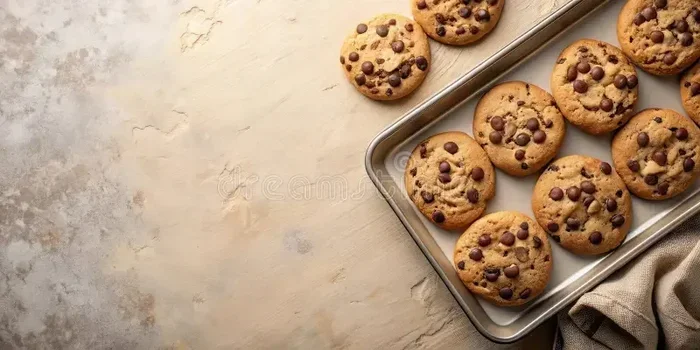
| Chocolate Chip | Medium | When edges are golden, center is soft | Crispy edges, chewy center |
| Sugar Cookies | High | Just before edges brown | Firm and sliceable |
| Snickerdoodles | Medium-High | When tops look slightly underdone | Crisp outside, soft inside |
| Oatmeal Raisin | Low-Medium | When edges set, center is soft | Chewy throughout |
| Shortbread | High | When bottoms turn pale gold | Delicate and crumbly |
| Macarons | Very High | When shells set but are still soft | Crisp shell, chewy interior |
As you can see, the type of cookie you are baking changes how you should think about residual heat and carryover cooking. Thin, crispy cookies like shortbread are more sensitive to carryover because they have less mass. Thick, soft cookies like chocolate chip can handle a little more time on the hot sheet because their center needs more time to set.
Soft Center Cookies vs. Crisp All-Over Cookies
If you love soft center cookies, you need to pull them out earlier than you think. The center will look almost raw when you take them out. That is perfectly fine. The carryover heat will bring the center up to the right cookie consistency during cooling.
If you prefer crisp cookies all the way through, you can leave them in the oven a minute or two longer. The extra time in the oven means less carryover cooking is needed to finish the job. You are essentially pre-finishing the bake so the residual heat only does a light touch-up.
The golden brown edges are your best visual cue for either style. Edges that are deep golden mean the cookie is well on its way to done. Edges that are pale mean it needs more time. This simple visual check works for nearly every cookie type.
Expert Insights on Perfect Cookie Baking
Professional bakers and pastry chefs all agree on one thing: the oven is not the end of the baking process — it is the beginning. The real transformation happens during cooling. This is where the magic of heat retention and carryover cooking creates the final product you will actually eat.
Chef and baking instructor Sarah Graham once said, “The cookie is not done when you pull it from the oven. It is done when it has cooled on the rack and the structure has fully set.” This philosophy has changed the way many home bakers approach their favorite cookie recipes.
The science behind this is straightforward. Proteins in the egg and flour denature and set as they cool. Starches in the flour absorb moisture and firm up. Sugars crystallize and harden slightly. All of this happens during the cooling phase, which is really just the tail end of the baking process.
What the Research Says
Food science researchers have studied carryover cooking extensively. The findings confirm what experienced bakers have always known. Internal cookie temperature can rise by 5 to 10 degrees Fahrenheit after removal from the oven. This rise is enough to change the texture noticeably.
Studies also show that cookies cooled on wire racks have a more even texture than cookies cooled on flat surfaces. The airflow prevents moisture from getting trapped underneath and creating a soggy bottom. This is a small change that makes a big difference in your final cookie texture.
One more thing worth mentioning: the ambient temperature in your kitchen affects how fast cookies cool and how much carryover cooking occurs. On a hot summer day, cookies cool more slowly and carry over longer. On a cold winter day, they cool quickly and the carryover effect is shorter. Keep this in mind when you are baking in different seasons.
Final Thoughts on Cookie Carryover Cooking
So, do cookies continue to cook after leaving the oven? Absolutely yes. And now you know exactly why and how to use this knowledge to your advantage. Carryover cooking is not something to worry about. It is something to embrace.
The next time you pull a tray of cookies from the oven, remember what you have learned. Look at the edges. Feel the top. Trust the process. Give the cookies a few minutes on the tray and then move them to a wire cooling rack. The result will be cookies with the perfect balance of crisp edges and soft centers.
Baking great cookies is about understanding the full journey from oven to plate. The oven does the heavy lifting, but the cooling phase finishes the job. When you respect both stages, your cookie baking will level up dramatically. You will get more consistent results, fewer overbaked batches, and cookies that taste like they came from a professional bakery.
Start paying attention to how your cookies change after they come out of the oven. Notice the texture shift. Watch the color deepen. Feel the warmth fade. These small observations add up to big improvements in your baking. Soon, you will be able to look at a tray of cookies and know exactly what they will taste like before you even take a bite.
The secret to perfect cookies has been waiting for you every time you open the oven door. It is the heat that stays behind, the warmth that lingers, and the slow, beautiful transformation that happens when a hot cookie meets the cool air of your kitchen. Trust the process. Pull them a little early. Let carryover cooking do its thing. Your cookies will thank you for it.
Frequently Asked Questions
Can cookies overbake from residual heat?
Yes, cookies can absolutely overbake from residual heat. This is called carryover cooking, and it happens when the hot baking sheet continues to transfer heat to the cookies after removal. To prevent this, move cookies to a wire rack within 2 to 3 minutes of taking them out of the oven.
How long should cookies cool on the baking sheet before transferring?
Let cookies cool on the baking sheet for 2 to 3 minutes after removing them from the oven. This short rest allows the structure to set. After that, transfer them to a wire rack so the bottom does not continue cooking from trapped heat.
Why do my cookies keep burning on the bottom?
Burning on the bottom usually happens because the baking sheet is too hot or dark-colored. Dark sheets absorb more heat and intensify the carryover effect. Try using light-colored aluminum sheets and parchment paper to buffer the heat and prevent burning.
Does cookie dough temperature affect carryover cooking?
Yes, it does. Chilled cookie dough takes longer to heat through in the oven, which means it carries over more heat after removal. Room-temperature dough bakes faster and has less carryover. If you chill your dough, pull the cookies out even earlier than usual.
Should I turn off the oven after taking cookies out?
It does not matter much for the cookies themselves. However, turning off the oven is a great energy-saving habit. If you are baking multiple batches, keeping the oven on between loads helps maintain consistent heat for the next round.
Can I put warm cookies in the fridge to stop carryover cooking?
Yes, placing warm cookies on a wire rack in a cool area or near a breeze speeds up cooling and stops carryover cooking faster. Putting them in the fridge is fine too, but it changes the texture. The cookies will firm up more and lose some of their fresh-baked chewiness.