What Is An Oven Door Gasket And Signs It Needs Replacing
An oven door gasket is the rubber or silicone seal that lines the edge of your oven door and keeps heat locked inside. A worn or damaged oven door gasket causes heat loss, uneven cooking, and higher energy bills. In this guide, you will learn what it does, how to spot a failing seal, and when to replace it.
You know that rubber or silicone strip that runs along the edges of your oven door? That is the oven door gasket. It might look like a small, unimportant part. But it plays a huge role in how well your oven works every single day.
A healthy oven door gasket keeps hot air sealed inside the oven chamber. When it starts to wear out, your oven loses heat. This means longer cook times, uneven results, and wasted energy. In this article, we will cover everything you need to know. You will learn what the gasket does, how to spot a failing one, and when it is time for a replacement.
Whether you own a standard gas oven, a self-cleaning oven, or a sleek electric range, the gasket matters. It is one of those hidden parts that affects your entire cooking experience. Let us dive in and make sure your oven seal is doing its job.
Key Takeaways
- The oven door gasket seals the oven chamber: It prevents hot air from escaping during cooking.
- Warning signs include visible gaps, cracks, and burning food: These mean the seal is no longer working properly.
- Replacing a gasket is affordable and easy: Most homeowners can do it themselves in under 30 minutes.
- A failing gasket raises energy costs: Your oven works harder and uses more electricity or gas.
- Regular cleaning extends gasket life: Simple maintenance can add years to your oven seal.
- Choose the right material for your oven type: Fiberglass, rubber, and silicone gaskets serve different needs.
📑 Table of Contents
- What Is An Oven Door Gasket?
- Common Signs Your Oven Door Gasket Needs Replacing
- What Causes Oven Door Gasket Damage?
- Types of Oven Door Gaskets
- How to Replace Your Oven Door Gasket
- How to Extend the Life of Your Oven Gasket
- Common Mistakes People Make With Oven Gaskets
- When to Call a Professional Instead of DIY
- Conclusion
What Is An Oven Door Gasket?
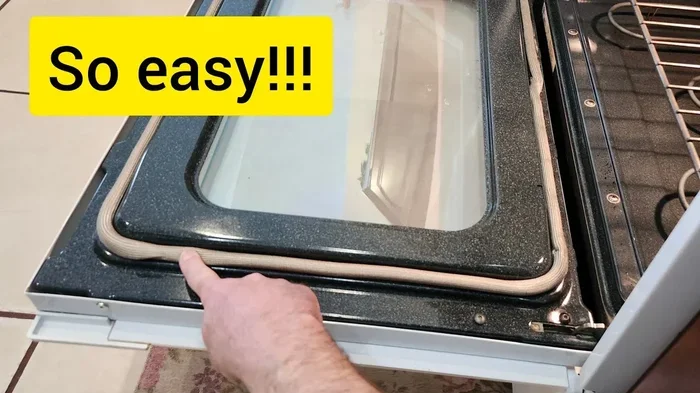
The oven door gasket is the flexible seal that sits between the oven door and the oven cavity. It wraps around the entire door frame. Its main job is simple but critical. It keeps hot air from escaping while you cook.
Most gaskets are made from fiberglass, rubber, or silicone. Each material has its own strengths. Fiberglass gaskets handle very high temperatures well. Rubber gaskets are common in standard ovens. Silicone gaskets resist heat and stay flexible longer.
The gasket attaches to the door using clips, adhesive, or a channel groove. Over time, the oven seal can stretch, crack, or break apart. When that happens, your oven starts losing heat. This is why understanding the gasket matters for every home cook.
Why the Gasket Matters for Baking Performance
Think of your oven like a thermos. If the lid does not close tight, the heat escapes. The same thing happens with a worn oven door gasket. Your oven has to work harder to maintain the right oven temperature. This affects how your food cooks in several ways.
- Even heat distribution: A good seal keeps the temperature steady inside the oven.
- Moisture retention: Sealed ovens keep steam inside, which helps baked goods rise properly.
- Energy efficiency: Less heat loss means your oven uses less power to cook food.
- Shorter preheat times: A tight seal helps your oven reach the target temperature faster.
When the oven seal weakens, all of these benefits disappear. You may notice hot spots, undercooked food, or a oven that never seems to finish heating up.
Common Signs Your Oven Door Gasket Needs Replacing
How do you know if your oven door gasket is failing? There are several clear warning signs. Catching them early can save you money and frustration. Let us walk through each one.
1. Visible Gaps or Gaps in the Seal
Open your oven door and look closely at the edges. The gasket should sit flush against the oven frame. If you see gaps, curls, or parts that are pulling away, that is a red flag. Even a small heat loss point can cause big problems over time.
Run your hand along the seal when the oven is warm (but not hot enough to burn you). If you feel hot air escaping, the seal is compromised. This is one of the most obvious oven seal leak indicators.
2. Food Burns on the Outside but Stays Raw Inside
This is a frustrating problem many people ignore. Your food looks done on the outside but is still undercooked in the center. A worn oven door gasket lets hot air escape. The oven temperature drops, so cooking times increase. But the heating element blasts at full power to compensate. This creates a cycle of over-browning on the outside and raw food on the inside.
3. Your Oven Takes Longer to Preheat
If your preheat time has increased significantly, the gasket could be the cause. A healthy oven should preheat within 10 to 15 minutes for most recipes. If it takes 25 minutes or more, check the seal. Escaping heat forces the oven to use more energy and more time to reach the set temperature.
4. You Notice a Rise in Energy Bills
A failing oven seal makes your appliance work harder. It runs longer cycles and draws more power. If your utility bill has crept up without any other explanation, the oven could be the culprit. This is a subtle but important sign that homeowners often miss.
5. Visible Cracks, Stiffness, or Discoloration
Inspect the gasket material closely. Healthy gaskets are flexible and uniform in color. Look for cracks, brittle spots, or areas that have turned dark or charred. These are clear signs of oven seal wear. The material has broken down and can no longer maintain a proper seal.
6. You Can Hear or Feel Air Leaking
Place a thin strip of paper or tissue near the door seal while the oven is running. If the paper flutters, air is escaping. This simple test is one of the best ways to check for a heat loss problem. You can also listen for a faint hissing sound of hot air pushing through gaps.
What Causes Oven Door Gasket Damage?
Understanding the causes helps you prevent early failure. Several factors speed up gasket material breakdown. Knowing them can extend the life of your seal.
Normal Wear and Tear
Over time, the constant exposure to high temperatures causes the gasket to age. Most oven gaskets last between 5 and 10 years, depending on usage. Frequent cooking, especially at high temperatures, wears the material faster. This is normal appliance maintenance territory.
Improper Cleaning Methods
Using harsh chemicals or abrasive scrubbers on the gasket can damage it. Some oven cleaners are too strong for the seal material. Always use mild soap and warm water. Avoid scraping the gasket with metal tools. Gentle cleaning keeps the oven seal flexible and intact.
Door Misalignment or Loose Hinges
If your oven door does not close properly, the gasket takes the hit. Misaligned doors put uneven pressure on the seal. Over time, this creates weak spots and gaps. Check your oven door hinge regularly. Tighten any loose screws and make sure the door sits evenly when closed.
Exposure to Grease and Food Residue
Grease buildup on the gasket can break down the material from the outside in. Food spills that carbonize on the seal create stiff spots. These spots crack when the door opens and closes. Regularly wiping down the gasket with a damp cloth prevents this buildup.
Types of Oven Door Gaskets
Not all gaskets are the same. Different oven types use different materials. Here is a quick look at the most common options.
| Gasket Type | Material | Best For | Heat Resistance |
|---|---|---|---|
| Fiberglass Gasket | Fiberglass with adhesive backing | Standard and self-cleaning ovens | Up to 500 degrees F |
| Rubber Gasket | Rubber or elastomer | Basic electric and gas ovens | Up to 400 degrees F |
| Silicone Gasket | Silicone | High-heat cooking and steam ovens | Up to 550 degrees F |
| Magnetic Gasket | Rubber with magnetic strip | Modern ovens with magnetic door seals | Up to 450 degrees F |
Choosing the right gasket material matters. A fiberglass oven door gasket works well for most home ovens. Silicone is a great upgrade for those who cook at very high temperatures. Magnetic gaskets are common in newer oven models and provide a tighter seal.
How to Replace Your Oven Door Gasket
Replacing a worn gasket is one of the easiest oven repair jobs you can do at home. You do not need professional help. With the right part and a few basic tools, you can complete the job in under 30 minutes.
Step-by-Step Replacement Guide
- Turn off the oven and let it cool completely. Safety comes first. Never work on a hot oven.
- Remove the old gasket carefully. Most gaskets are held by clips or channels. Gently pull them out without bending the door frame.
- Clean the channel groove thoroughly. Wipe away any grease, food residue, or old adhesive. A clean surface helps the new gasket stick properly.
- Insert the new gasket into the channel. Start at one corner and work your way around the door. Make sure it sits evenly in the groove.
- Secure the gasket with clips if needed. Some gaskets use small metal clips to hold them in place. Press them in firmly.
- Test the seal before cooking. Close the door and check for gaps. Run the paper test to confirm the seal is tight.
Make sure you buy the correct replacement part. Check your oven model number before purchasing a new oven door gasket. Universal gaskets work for many models, but a model-specific gasket provides the best fit.
Quick Tips for Gasket Replacement
- Take a photo of the old gasket before removing it. This helps you match the shape and size.
- Keep a spare gasket on hand. Having one ready means no downtime when the old one fails.
- Do not use glue unless the manufacturer specifies it. Most gaskets clip or channel into place.
- Check the new gasket for defects before installing it. Look for cracks or uneven edges.
How to Extend the Life of Your Oven Gasket
Proper care goes a long way in keeping your oven door gasket in great shape. A few simple habits can add years to the seal and improve your cooking results.
Clean the Gasket Regularly
Wipe the gasket with a damp cloth after heavy cooking sessions. Remove grease and food particles before they build up. This simple habit prevents stiffness and cracking. Use a mild dish soap and avoid harsh chemicals.
Avoid Slamming the Oven Door
Slamming the door puts stress on the gasket and the hinges. Over time, this creates weak spots and misalignment. Close the door gently but firmly. Your seal will thank you for it.
Inspect the Gasket Every Few Months
Make it a habit to check the seal every few months. Look for gaps, cracks, or stiffness. Early detection means you can replace the gasket before it causes bigger problems. This is an easy part of regular appliance maintenance.
Use the Right Temperature Settings
Avoid cranking the oven to the highest setting for every cook. Excessive heat breaks down the gasket material faster. Use appropriate temperatures for each recipe. This protects the seal and saves energy too.
Expert Insight
Many people wait until the oven is clearly broken before checking the gasket. Professional appliance technicians recommend inspecting the oven seal at least twice a year. This simple check can prevent cooking problems, save energy, and extend the life of your entire oven. A few minutes of inspection can save you from costly repairs down the road.
Common Mistakes People Make With Oven Gaskets
Even well-meaning homeowners can make mistakes that shorten gasket life. Here are the most common ones to avoid.
- Using the wrong cleaning products: Harsh chemicals eat away at the gasket material. Stick to mild soap and water.
- Ignoring small gaps: A tiny gap might seem harmless. But it leads to heat loss and uneven cooking over time.
- Waiting too long to replace: A damaged gasket gets worse with use. The longer you wait, the more energy and food you waste.
- Buying the wrong size: Not all gaskets fit all ovens. Always confirm the model number before ordering.
- Over-tightening clips: Forcing clips too tight can warp the door frame and damage the seal channel.
Avoiding these mistakes keeps your oven door gasket working properly for years. It is all about being proactive with your oven repair and appliance maintenance routine.
When to Call a Professional Instead of DIY
Most gasket replacements are simple DIY projects. But there are times when calling a professional makes sense. If your oven door hinge is damaged along with the gasket, you may need expert help. Also, if the oven frame itself is warped or bent, a new gasket will not fix the problem.
Another reason to call a pro is if you own a high-end or commercial-grade oven. These models sometimes have specialized gasket systems. A technician can ensure the replacement is done correctly. For standard home ovens, the DIY approach works great in most cases.
Remember, a failing oven door gasket affects more than just cooking. It impacts your energy bills, your kitchen safety, and the lifespan of your appliance. Taking action early saves money in the long run.
Conclusion
The oven door gasket is a small part with a big job. It keeps your oven sealed, your food cooking evenly, and your energy bills under control. Now that you know the signs of a failing gasket, you can catch problems early and fix them quickly.
Regular inspection and simple maintenance go a long way. Clean the seal gently, close the door with care, and replace the gasket as soon as you spot damage. These small steps keep your oven seal in top shape and your cooking results consistent.
Do not wait until your food burns or your energy bill spikes. Check your oven door gasket today. A quick inspection now can save you time, money, and frustration in the kitchen. Your oven works hard for you. Give it the care it deserves.
Frequently Asked Questions
How much does it cost to replace an oven door gasket?
Most replacement gaskets cost between 15 and 40 dollars. If you do it yourself, there is no labor cost. Professional installation typically adds 50 to 100 dollars for the service call. Overall, it is one of the most affordable oven repair jobs you can tackle.
Can I still use my oven if the gasket is damaged?
Yes, you can still use it, but not efficiently. A damaged oven door gasket causes heat loss and uneven cooking. Your oven works harder, uses more energy, and may not cook food properly. It is best to replace the gasket as soon as you notice damage.
How often should I replace my oven door gasket?
Most gaskets last between 5 and 10 years with normal use. Heavy use or poor maintenance can shorten that lifespan. Inspect your gasket every few months and replace it at the first sign of wear. Regular appliance maintenance keeps the seal working well.
Can I clean the oven door gasket with regular oven cleaner?
It is best to avoid harsh oven cleaners on the gasket. Strong chemicals can break down rubber and silicone materials. Use mild soap, warm water, and a soft cloth instead. This simple approach keeps the oven seal flexible and in good condition.
What is the difference between an oven door gasket and an oven seal?
The terms are often used interchangeably. Both refer to the flexible strip that lines the oven door and keeps heat inside. Some people call it the oven seal while others say oven door gasket. They are the same component and serve the same purpose.
Does a new oven door gasket improve cooking performance?
Absolutely. A fresh oven door gasket restores proper heat retention. Your oven maintains a steady oven temperature, cooks food more evenly, and uses less energy. Many homeowners notice an immediate improvement in baking performance after replacing a worn seal.
=== CONCLUSION ===
Understanding your oven door gasket is one of the simplest ways to improve your kitchen experience. This small seal has a big impact on cooking quality, energy efficiency, and appliance longevity. Watch for the warning signs we covered, and take action early when you spot them. With the right care and timely replacement, your oven will perform at its best for years to come. Start by inspecting your gasket today and enjoy better results in every meal you prepare.