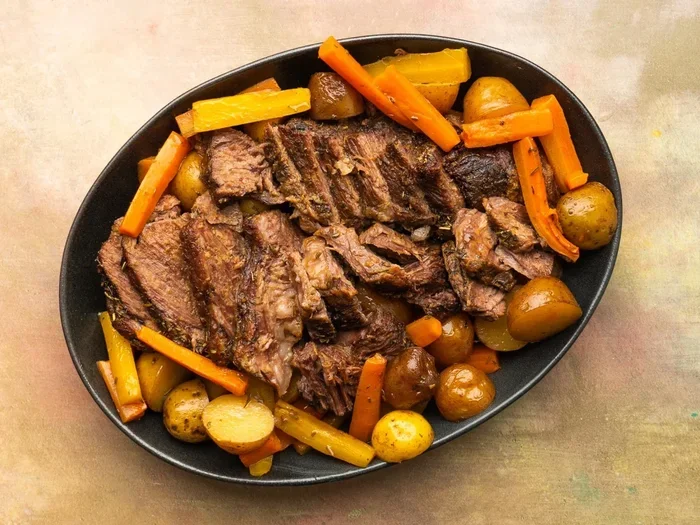
How To Bake Chuck Roast In Oven For Mouthwatering Results
Discover how to bake chuck roast in oven for tender, juicy perfection. This guide walks you through choosing the best cut, seasoning, oven temperature, and cooking time. Follow these steps for a mouthwatering pot roast that falls apart with a fork.
If you want a how to bake chuck roast in oven method that yields fall-apart tender meat, you’re in the right place. This guide breaks down every step so you can create a juicy, flavorful roast without stress. Whether you’re cooking for a family dinner or a special occasion, oven-baked chuck roast is a classic comfort food that never disappoints.
The beauty of using your oven is the even, gentle heat. It transforms a tough cut of beef into something melt-in-your-mouth delicious. You don’t need any fancy equipment—just a Dutch oven or a deep baking dish, some basic seasonings, and a little patience.
Below, I’ll share the exact process I use every time. From selecting the right roast to checking the internal temperature, you’ll have all the details you need. Let’s dive in and make your next chuck roast a showstopper.
Key Takeaways
- Choose well-marbled chuck roast: Fat keeps the meat moist during long baking.
- Sear the meat first: Browning builds deep, savory flavor.
- Use low oven temperature: 300°F is the sweet spot for tender results.
- Add flavorful liquid: Beef broth and red wine create a rich braising base.
- Check internal temperature: 195-205°F ensures fork-tender texture.
- Let the roast rest: 15-20 minutes keeps juices inside.
- Store leftovers properly: Keep in braising liquid for up to 3 days.
📑 Table of Contents
Why Baking Chuck Roast In The Oven Is A Game-Changer
Baking a chuck roast in the oven is one of the easiest ways to get incredible results. Unlike stovetop methods, the oven surrounds the meat with consistent heat. This gentle environment breaks down the tough connective tissues slowly.
The result? A tender, juicy pot roast with rich flavor. You can set it and forget it. While the roast cooks, your kitchen fills with a savory aroma. It’s the kind of dinner that makes everyone happy.
Quick Tips:
- Use a Dutch oven or a heavy baking dish with a lid.
- Preheat the oven before placing the roast inside.
- Don’t skip the searing step—it builds deep flavor.
Common Mistakes: Overcrowding the pan prevents even browning. Make sure the roast has space. Also, avoid opening the oven door too often, as it loses heat.
Expert Insight: “Low and slow is the secret to a perfect oven-baked chuck roast. The collagen in the meat needs time to dissolve into gelatin, which creates that silky texture.” — Chef Maria, Beef Cooking Specialist
Choosing The Right Chuck Roast
Not all chuck roasts are created equal. The cut you choose makes a big difference in texture and flavor. Look for a well-marbled piece with bright red meat and creamy white fat.
What to look for:
- Marbling: Thin streaks of fat throughout the meat keep it moist during long cooking.
- Size: A 3-4 pound roast is ideal for most ovens. It fits in a standard Dutch oven.
- Bone-in vs. boneless: Bone-in adds more flavor, but boneless is easier to slice. Both work great.
- Color: Fresh beef should be cherry-red. Avoid any that look brown or gray.
Common Mistakes: Choosing a lean cut. Lean chuck roast can dry out during baking. Always pick a cut with good marbling. Also, don’t buy a roast that’s too large—it may not fit in your oven-safe pot.
Expert Insight: “I always recommend a 3.5-pound boneless chuck roast for beginners. It’s forgiving and delivers consistent results.” — Butcher Tom
Essential Prep Work And Seasoning
Before you start how to bake chuck roast in oven, you need to prep the meat properly. Seasoning is simple but essential. A good rub transforms the flavor profile of your beef roast.
Basic seasoning blend:
- 2 teaspoons kosher salt
- 1 teaspoon black pepper
- 1 tablespoon garlic powder
- 1 teaspoon onion powder
- 1 teaspoon smoked paprika
Pat the roast dry with paper towels. This helps the seasoning stick and promotes a good sear. Rub the blend all over the meat, including the sides. Let it rest at room temperature for 30 minutes. This helps the roast cook more evenly.
Quick Tips:
- You can add fresh herbs like rosemary and thyme for extra aroma.
- For a richer flavor, add a splash of red wine to the seasoning mix.
- Don’t forget to season the fat side—it adds flavor to the juices.
Common Mistakes: Skipping the dry pat. Wet meat steams instead of searing. Also, adding too much salt early is fine; the long cooking time balances it. But avoid adding sugar, which can burn during the long bake.
Expert Insight: “A simple salt, pepper, and garlic rub is all you need for a classic chuck roast recipe. Let the beef shine.” — Chef Linda
How To Bake Chuck Roast In Oven: Step-By-Step Guide
This section is the heart of the guide. I’ll walk you through every action so you can how to bake chuck roast in oven with confidence. Follow these steps and you’ll get a perfect oven-baked chuck roast every time.
Sear The Meat First
Searing creates a flavorful crust that locks in juices. Heat a tablespoon of oil in a Dutch oven over medium-high heat. Once the oil shimmers, place the seasoned roast in the pot.
Sear all sides until they are deeply browned. This takes about 3-4 minutes per side. Use tongs to turn the roast carefully. Don’t move it too soon, or the crust won’t form.
Quick Tips:
- Work in batches if your pot is small. You can sear the roast in two rounds.
- Remove the roast and set it aside on a plate. Keep the browned bits in the pot—they are flavor gold.
Common Mistakes: Not heating the oil enough before adding the meat. Cold oil leads to steaming instead of searing. Also, crowding the pan lowers the temperature and prevents browning.
Build A Flavorful Liquid
After searing, you’ll have delicious fond on the bottom of the pot. Add chopped onions, carrots, and celery. Sauté for 5 minutes until softened. Then pour in beef broth and a cup of red wine. Stir to scrape up all the browned bits.
This liquid becomes the braising base. It infuses the roast with rich flavor as it cooks. You can also add a few cloves of garlic and a bay leaf. For a red wine chuck roast, the wine adds depth and tenderness.
Quick Tips:
- Use low-sodium beef broth so you can control the salt level.
- No wine? Substitute with more broth and a splash of balsamic vinegar.
- Add a tablespoon of tomato paste for depth.
Common Mistakes: Using too much liquid. The roast should be about halfway submerged, not fully covered. Too much liquid dilutes the flavor and can make the meat boil instead of braise.
The Science Behind Low And Slow Cooking
Understanding why low and slow works helps you trust the process. Chuck roast comes from the shoulder, a hard-working muscle. It contains a lot of collagen and connective tissue.
When you cook at low temperatures around 300°F, the collagen slowly breaks down into gelatin. This gelatin gives the meat a silky, tender texture. The low and slow cooking method also allows the flavors to penetrate deeply.
Quick Tips:
- Resist the urge to raise the temperature to speed things up. It will dry out the roast.
- Patience is key. A 3-pound roast needs at least 3 hours at 300°F.
Cover And Bake
Now it’s time to how to bake chuck roast in oven properly. Place the seared roast back into the pot, nestling it into the vegetables. The liquid should come about halfway up the roast, not cover it completely.
Cover the pot with a tight-fitting lid or aluminum foil. Put it in a preheated oven set to 300°F (150°C). This low temperature is the key to tender results. The oven does the work for you while you prepare side dishes or relax.
Expert Insight: “The 300°F temperature ensures the collagen breaks down without drying out the meat. It’s the sweet spot for a perfect oven-baked chuck roast.” — Cooking Professor Jane
Quick Tips:
- Place the pot in the center of the oven for even heat distribution.
- If you’re using a glass baking dish, reduce the temperature by 25°F to prevent over-browning.
Check The Internal Temperature
A meat thermometer is your best friend. Insert it into the thickest part of the roast, avoiding bone. The target internal temperature is 195°F to 205°F (90°C to 96°C).
At this range, the connective tissues have melted into gelatin. The meat will be fork-tender and juicy. If it’s not quite there yet, keep baking and check every 30 minutes.
Quick Tips:
- Don’t rely on time alone. Every oven is different. Use the thermometer.
- If the roast is browning too fast, cover it with foil to prevent over-browning.
- Let the roast rest for 15-20 minutes before slicing. This allows the juices to redistribute.
Common Mistakes: Cutting into the roast too early. This releases all the juices and dries it out. Also, not letting the roast rest. The resting period is crucial for a tender result.
Oven Temperature And Time For Perfect Results
Getting the temperature and time right is crucial. Here’s a quick comparison table to guide you.
| Oven Temperature | Approximate Cooking Time (3-4 lb roast) | Result |
|---|---|---|
| 275°F (135°C) | 3.5 to 4 hours | Very tender, fall-apart texture |
| 300°F (150°C) | 3 to 3.5 hours | Ideal balance of tenderness and flavor |
| 325°F (163°C) | 2.5 to 3 hours | Slightly firmer, good for slicing |
| 350°F (175°C) | 2 to 2.5 hours | Less tender, can dry out if not careful |
The recommended temperature is 300°F. It’s the most reliable for a juicy chuck roast. I’ll also mention that some recipes use 275°F for even slower cooking, which is great for tougher roasts.
Common Mistakes: Setting the oven too high. High heat dries out the outside before the inside is cooked. Also, skipping the rest period after baking. The roast needs 15-20 minutes to reabsorb juices.
Quick Tips:
- If you’re short on time, you can bake at 325°F, but check the temp more frequently.
- Use a probe thermometer with an alarm to monitor without opening the oven.
- For a beef roast oven method that’s forgiving, stick to 300°F.
Expert Insight: “The chuck roast cooking time varies with the size of the roast. A 2-pound roast might be done in 2 hours, while a 5-pounder could take 4.5 hours. Always trust the thermometer over the clock.” — Meat Scientist Dr. Evans
Common Mistakes To Avoid, Serving Ideas And Final Thoughts
Even with a great recipe, small errors can ruin a chuck roast. Let’s look at the biggest pitfalls and how to serve your masterpiece.
Common Mistakes To Avoid
Skipping the sear: Some folks rush straight to baking. This robs the roast of deep flavor. Always take the extra 10 minutes to brown all sides.
Using the wrong pot: A thin baking dish won’t hold heat properly. A heavy Dutch oven distributes heat evenly. If you don’t have one, use a deep ceramic baking dish with a tight lid.
Opening the oven too often: Every time you open the door, the temperature drops. This extends cooking time and dries out the meat. Trust the process and only open it to check the temp near the end.
Not resting the roast: Cutting into a hot roast releases all the juices onto the cutting board. Let it sit for 15-20 minutes tented with foil. The meat will be juicier and easier to slice.
Overcooking: While chuck roast is forgiving, going too far past 205°F can dry it out. Always use a thermometer and pull it at 200-205°F.
Serving Ideas
A perfect oven-baked chuck roast deserves great sides. Here are some ideas that complement the rich flavor.
Best side dishes:
- Creamy mashed potatoes – the classic pairing.
- Buttered egg noodles – they soak up the gravy.
- Roasted root vegetables – carrots, parsnips, and potatoes.
- Steamed green beans with a touch of lemon.
- Crusty bread for mopping up juices.
Making gravy from the juices:
Don’t throw away the cooking liquid! Strain it into a saucepan, skim off the fat, and bring it to a simmer. Mix a tablespoon of cornstarch with cold water and stir it in. Cook until thickened. You’ll have a rich, homemade gravy in minutes. This is a game-changer for your chuck roast recipe.
Storing Leftovers
Let the roast cool completely before storing. Place it in an airtight container with some of the braising liquid. It keeps in the fridge for up to 3 days. Reheat gently on the stovetop or in the microwave. The flavor actually improves the next day. Chuck roast leftovers are perfect for sandwiches and tacos.
Common Mistakes: Storing the roast without liquid. It dries out quickly. Also, reheating at high heat, which toughens the meat. Always reheat low and slow.
Expert Insight: “Leftover oven-baked chuck roast makes the best beef sandwiches. Slice it thin, pile it on a hoagie roll, and add the cooking juices. It’s incredible.” — Food Blogger Sam
Now you know exactly how to bake chuck roast in oven for mouthwatering results. The process is simple: choose a well-marbled roast, season it, sear it, build a flavorful liquid, and cook low and slow at 300°F. Use a meat thermometer to hit the perfect internal temp of 195-205°F. Let it rest, make the gravy, and serve with your favorite sides.
Remember, how to bake chuck roast in oven is all about patience and a little love. The oven does the hard work for you. So next time you’re craving a comforting beef roast, give this method a try. Your family will thank you. Happy cooking!
Frequently Asked Questions
What temperature should I bake chuck roast in the oven?
The ideal temperature is 300°F (150°C). This low heat allows the collagen to break down slowly, creating a tender and juicy result. You can also use 275°F for an even slower cook or 325°F if you’re short on time.
How long does it take to bake a chuck roast in the oven?
A 3-4 pound chuck roast typically takes 3 to 3.5 hours at 300°F. The exact time depends on the roast size and your oven. Always use a meat thermometer to check for doneness at 195-205°F.
Do I need to sear the chuck roast before baking?
Yes, searing is highly recommended. It creates a flavorful crust through the Maillard reaction, which adds depth to the final dish. Even a quick sear on all sides makes a big difference in taste.
Can I use a regular baking dish instead of a Dutch oven?
You can, but a Dutch oven is ideal because it retains heat well and has a tight-fitting lid. If using a regular baking dish, cover it tightly with aluminum foil to trap moisture and prevent drying.
How do I know when the chuck roast is done?
The best way is to use a meat thermometer. The internal temperature should reach 195-205°F. At this point, the meat will be fork-tender and pull apart easily. Don’t rely solely on cooking time.
What can I make with leftover chuck roast?
Leftover roast is perfect for sandwiches, tacos, beef stew, or sliced over salads. Reheat it gently in the braising liquid to keep it moist. The flavor often improves the next day.