Do You Need To Cover Baked Mac And Cheese In The Oven
Do you need to cover baked mac and cheese in the oven? The answer depends on what texture you want. Covering mac and cheese traps steam and keeps the cheese sauce creamy, while leaving it uncovered creates a golden, crispy top. Most bakers use a two-step method: cover first, then uncover to finish. Learning when to cover and when not to is the secret to perfect baked mac every time.
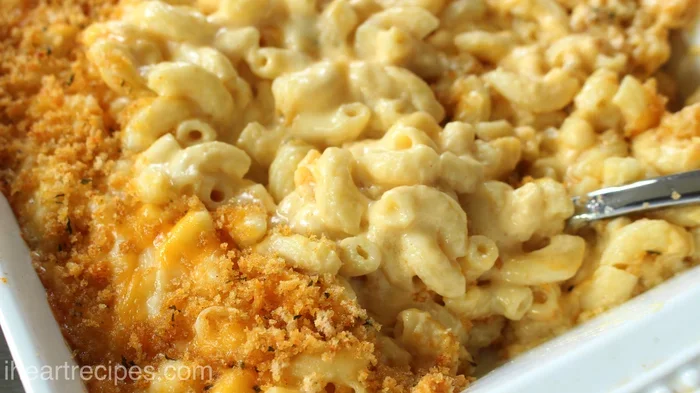
There is nothing quite like a bubbling pan of baked mac and cheese coming out of the oven. The golden top, the creamy center, and that irresistible cheese pull make it a favorite dish for holidays, weeknight dinners, and potlucks. But here is a question that trips up a lot of home cooks: do you need to cover baked mac and cheese in the oven?
The short answer is: it depends on what kind of result you are going for. Some people love a soft, custardy interior. Others want a crackling, golden crust on top. The good news is that you do not have to pick just one. With the right approach, you can have both. In this guide, we will walk you through everything you need to know about covering your oven-baked macaroni dish. You will learn when to use a cover, when to skip it, and exactly how to get the perfect bake every single time.
Key Takeaways
- Covering baked mac and cheese keeps the inside moist and creamy during the early stages of baking.
- Uncovering mac and cheese near the end helps create a golden, bubbly crust on top.
- Aluminum foil is the most common and affordable cover option for oven-baked mac.
- A two-step baking method (covered then uncovered) gives you the best of both worlds.
- Breadcrumb toppings should always be added when the dish is uncovered for maximum crunch.
- Oven temperature plays a big role in whether you need a cover or not.
- Leftover mac and cheese reheats better when covered to prevent drying out.
📑 Table of Contents
- Why Covering Matters When Baking Mac And Cheese
- When To Cover Baked Mac And Cheese
- When To Leave Mac And Cheese Uncovered
- Best Materials For Covering Mac And Cheese
- Step-By-Step Guide To Baking Mac And Cheese With The Right Cover
- Common Mistakes People Make When Baking Mac And Cheese
- Key Takeaways
- Frequently Asked Questions
- Conclusion
Why Covering Matters When Baking Mac And Cheese
Understanding why covering matters is the first step to mastering baked mac and cheese. When food goes into the oven, heat surrounds it from all sides. This heat causes moisture to evaporate. Without a cover, that moisture escapes into the air. With a cover, the moisture stays trapped inside the dish.
For a creamy mac and cheese recipe, keeping moisture in is essential. The cheese sauce contains a lot of liquid. If that liquid evaporates too quickly, the dish can turn out dry and grainy. Nobody wants that. A cover acts like a lid on a pot. It holds the steam inside and keeps the cheese sauce silky smooth throughout the baking process.
The Science Behind Covering
When you place a cover over your baked pasta dish, something simple but effective happens. The trapped steam heats the food from above and below. This gentle, even heat cooks the macaroni and melts the cheese without pulling away too much moisture. Think of it like steaming vegetables, but in an oven-safe dish.
As the baking temperature rises, the cheese sauce bubbles gently under the cover. Those bubbles push extra moisture back into the pasta. This creates a rich, velvety texture that is hard to achieve any other way. The cover also prevents the top layer from forming a skin, which can happen when exposed to dry oven heat.
What Happens If You Never Cover Mac And Cheese
If you bake macaroni and cheese completely uncovered from start to finish, the results can be mixed. The top might brown nicely, but the inside could dry out. The edges might become crispy and firm while the center remains undercooked. This uneven baking happens because the oven heat pulls moisture away from the surface continuously.
Some recipes call for an uncovered bake the entire time, but these are usually very thick dishes with extra sauce. If your cheese casserole recipe has a thinner sauce, skipping the cover almost always leads to a drier result. It is a small detail that makes a big difference.
When To Cover Baked Mac And Cheese
Knowing when to use a cover is just as important as knowing why. There are specific stages in the baking process where covering makes the biggest impact. Let us break it down so you never have to guess again.
During The First Half Of Baking
The most common advice for baked mac and cheese is to cover the dish during the first half of baking. This gives the pasta time to cook through and the cheese sauce time to heat evenly. The trapped steam helps the macaroni cheese recipe set properly without losing moisture.
For most standard oven-baked macaroni dishes, this means covering for the first 20 to 25 minutes at 350°F (175°C). The exact time depends on your oven and the depth of your dish. A deeper casserole might need a little more covered time. A shallower dish might be ready to uncover sooner.
When Reheating Leftovers
Covering is not just for the first bake. If you are reheating mac and cheese leftovers, a cover helps bring back that creamy texture. The oven can be harsh on leftover baked pasta dishes. Without a cover, the cheese can dry out and the noodles can turn rubbery. A simple piece of foil over the dish keeps everything moist and warm.
Add a splash of milk or a little extra cheese sauce before reheating. Then cover with aluminum foil and warm it at 325°F for about 15 to 20 minutes. This gentle approach brings back the comfort of a fresh-baked meal.
When Using A Slow To Moderate Oven Temperature
If you bake at lower temperatures, around 325°F to 350°F, covering for a longer period is a good idea. Lower heat means slower evaporation, but the moisture still escapes over time. A cover protects the dish for a longer stretch and lets the flavors meld together beautifully.
Some bakers prefer a low-and-slow approach for their cheese casserole. They cover the dish for the entire first hour and only uncover it at the end. This works especially well for dishes with a breadcrumb topping, since the uncovered final phase toasts the crumbs perfectly.
When To Leave Mac And Cheese Uncovered
While covering has its place, leaving your baked mac and cheese uncovered is equally important at the right time. The uncovered phase is what gives you that beautiful golden top everyone loves.
The Final Phase Of Baking
Once the inside is hot and bubbly, it is time to remove the cover. This final phase usually lasts 10 to 15 minutes. During this time, the top surface dries out slightly, which allows the cheese to brown and form a crust. The golden crust on a baked mac and cheese is one of the best parts of the dish.
Uncovering also lets excess moisture escape. This prevents the top from becoming soggy. The steam that has been trapped inside now escapes, and the surface begins to set. You will see the cheese start to bubble and then turn a beautiful golden brown.
When You Have A Breadcrumb Topping
If your recipe includes a breadcrumb topping, you should always add it when the dish is uncovered. Sprinkling breadcrumbs over a covered dish would steam them instead of toasting them. The result would be soft, pale breadcrumbs instead of the crispy, golden crunch you are looking for.
Add your breadcrumbs during the last 10 to 15 minutes of baking. The uncovered oven heat toasts them to perfection. Some people also drizzle a little melted butter over the breadcrumbs before baking. This adds extra flavor and helps them brown faster.
When Baking At A High Temperature
Baking at higher temperatures, like 375°F or 400°F, means you need to be careful with uncovered time. High heat can brown the top too quickly while the inside is still cold. If you bake at a higher temperature, keep a close eye on the dish during the uncovered phase.
A good rule of thumb is to start checking after 8 to 10 minutes of uncovered baking. You want the top to be golden but not burnt. The cheese pull should be stretchy and gooey, not dry or overcooked. High heat works well for thin dishes but requires more attention.
Best Materials For Covering Mac And Cheese
Not all covers are created equal. The material you use can affect how your baked mac and cheese turns out. Let us look at the most common options and what each one does best.
| Cover Material | Best For | Pros | Cons |
|---|---|---|---|
| Aluminum Foil | Standard oven baking | Cheap, easy to shape, traps steam well | Can stick to cheese if not greased |
| Oven-Safe Lid | Glass or ceramic casserole dishes | Fits snugly, no sticking, reusable | Not all dishes come with one |
| Parchment Paper | Preventing sticking without trapping too much steam | Non-stick, easy to remove | Does not trap steam as effectively |
| Dutch Oven Lid | Cast iron or enameled Dutch ovens | Seals in moisture, even heat distribution | Heavy, not always oven-safe at high temps |
| Sheet Pan And Foil | Loose cover for extra protection | Prevents over-browning on top | Less secure, steam can escape |
Aluminum Foil: The Go-To Choice
Aluminum foil is the most popular cover for oven-baked macaroni dishes. It is inexpensive, easy to find, and works well for most baking situations. To use it, simply tear off a piece large enough to cover your dish, lightly grease the shiny side, and lay it gently over the top.
Make sure the foil does not touch the cheese directly. The grease or sauce between the foil and the food prevents sticking. If the foil sticks, it can tear the top layer and ruin the presentation. A light spray of cooking spray or a brush of butter on the foil solves this problem easily.
Oven-Safe Lids And Alternative Covers
If your oven-safe dish came with a lid, use it. Glass lids let you peek at the dish without removing the cover, which is a great way to check on progress. Ceramic lids work just as well but do not offer a visual window.
Some people use a cookie sheet as a loose cover. This works well if you want to protect the top from direct heat without creating a tight seal. The steam can still escape slightly, which prevents the top from getting too soggy. It is a great middle-ground option.
Quick Tips For Choosing The Right Cover
- Always grease your cover if it will touch the food directly.
- Use heavy-duty foil for a tighter seal and better steam retention.
- Never use a plastic lid or cover in the oven, no matter what the packaging says.
- If using a Dutch oven, check that the lid is rated for oven-safe temperatures.
- A loose tent of foil works better than a tight seal for preventing over-browning.
Step-By-Step Guide To Baking Mac And Cheese With The Right Cover
Now that you understand the why and when, let us put it all together with a simple step-by-step guide. This method works for almost any homemade mac and cheese recipe and gives you consistent, delicious results.
- Prepare your mac and cheese as usual. Make the cheese sauce, cook the pasta, and combine them in an oven-safe dish.
- Preheat your oven to 350°F (175°C). Let it reach the full temperature before placing the dish inside.
- Cover the dish with a lightly greased piece of aluminum foil or an oven-safe lid. Make sure the cover is secure but not pressing down on the food.
- Bake covered for 20 to 25 minutes. This lets the heat penetrate evenly and the cheese sauce bubble gently.
- Remove the cover carefully. Watch out for escaping steam. Use oven mitts and tilt the foil away from you.
- Add your breadcrumb topping if using one. Sprinkle it evenly over the top of the mac and cheese.
- Bake uncovered for 10 to 15 minutes. Watch for the golden-brown color and bubbly edges.
- Let the dish rest for 5 to 10 minutes before serving. This lets the cheese set slightly and makes serving easier.
This two-step method gives you the creamiest interior and the best golden top. It works whether you are making a classic cheddar mac and cheese or a more elaborate version with extra ingredients like bacon, herbs, or truffle oil.
Adjusting For Different Dish Sizes
The size and depth of your baking dish changes the timing. A deep 9×13-inch pan needs more covered time than a shallow dish. A small cast iron skillet bakes faster because the walls conduct heat directly into the food.
For a deep dish, extend the covered phase to 30 minutes. For a shallow dish, you might only need 15 minutes covered. The key is to check that the center is hot and bubbly before uncovering. A quick probe with a knife or toothpick can tell you if the inside is cooked through.
Adjusting For Different Oven Types
Convection ovens and conventional ovens behave differently. A convection oven circulates hot air, which can dry out food faster. If you use a convection setting, keep the cover on for a slightly longer period. You may also want to lower the temperature by 25°F to prevent over-browning.
Conventional ovens rely on radiant heat, which is gentler on covered dishes. The baked mac and cheese in a conventional oven may need less covered time because the heat does not pull moisture away as aggressively. Knowing your oven is a big part of getting great results every time.
Common Mistakes People Make When Baking Mac And Cheese
Even experienced cooks can make mistakes when baking macaroni and cheese. Here are some common errors and how to avoid them.
- Leaving the cover on the entire time. This creates a soggy top and prevents the golden crust from forming. Always uncover for the final phase.
- Forgetting to grease the cover. Foil or a lid can stick to the cheese and tear the surface when you remove it.
- Baking at too high a temperature. High heat sets the outside before the inside is cooked. Stick to 350°F for even results.
- Using a dish that is too small. Overflowing mac and cheese creates a mess and uneven cooking. Choose a dish that gives the pasta room to spread.
- Not letting the dish rest after baking. Cutting into it immediately causes the cheese sauce to run out. A short rest makes a big difference.
- Skipping the breadcrumb topping when uncovered. If you want crunch, add the topping during the uncovered phase only.
Avoiding these mistakes puts you ahead of most home bakers. Small adjustments lead to big improvements in your cheese casserole results.
Expert Insights From Professional Bakers
Professional bakers and chefs often share one key tip: trust the two-step method. Cover first, uncover to finish. This approach works for nearly every baked pasta dish because it respects the science of moisture and heat.
Chef Carla Lalli Music has noted that the covered phase is where the magic of creamy texture happens. The uncovered phase is where the visual appeal comes together. Both phases matter equally. Skipping either one means missing out on a key part of the perfect baked mac and cheese experience.
Another expert insight is to use a thermometer to check the internal temperature. The center of the dish should reach 165°F (74°C) before you take it out. This ensures the pasta is fully cooked and the cheese sauce is safe and hot. It is a simple tool that takes the guesswork out of baking.
Key Takeaways
- Covering baked mac and cheese keeps the inside moist and creamy during the early stages of baking.
- Uncovering mac and cheese near the end helps create a golden, bubbly crust on top.
- Aluminum foil is the most common and affordable cover option for oven-baked mac.
- A two-step baking method (covered then uncovered) gives you the best of both worlds.
- Breadcrumb toppings should always be added when the dish is uncovered for maximum crunch.
- Oven temperature plays a big role in whether you need a cover or not.
- Leftover mac and cheese reheats better when covered to prevent drying out.
Frequently Asked Questions
Should I cover baked mac and cheese with foil or a lid?
Both work well, but aluminum foil is the most versatile option. It fits any dish shape and is easy to adjust. A glass or ceramic lid works great if your dish came with one. The key is to make sure the cover traps steam without touching the cheese directly. Grease the cover lightly to prevent sticking.
Can I bake mac and cheese without a cover at all?
Yes, you can, but the results will be different. An uncovered bake throughout produces a drier dish with a more pronounced crust. This method works best for very thick recipes with extra sauce. For most standard creamy mac and cheese recipes, a cover during the first half of baking produces better texture.
How long should I keep the cover on my baked mac and cheese?
The general rule is to cover the dish for the first half of the total baking time. For a standard 45-minute bake, that means 20 to 25 minutes covered. For a longer 60-minute bake, cover for about 30 to 35 minutes. Always check that the center is hot before uncovering.
What temperature should I bake mac and cheese at?
350°F (175°C) is the most recommended baking temperature for mac and cheese. It provides even heat without burning the top too quickly. If you prefer a faster bake, 375°F works but requires closer monitoring. Lower temperatures like 325°F are great for slow, gentle baking that keeps the dish extra creamy.
Does covering mac and cheese affect the cheese sauce?
Yes, it does. A cover traps moisture, which keeps the cheese sauce thin and creamy. Without a cover, the sauce can reduce and thicken too much during baking. This can make the final dish heavier and less smooth. The cover helps maintain the right consistency throughout the baking process.
Can I use a microwave cover instead of foil?
For reheating leftovers, a microwave-safe cover works perfectly. But for oven baking, always use oven-safe materials like foil, a glass lid, or a ceramic lid. Never put a plastic cover in the oven. The safest bet is always aluminum foil or a lid that is specifically rated for oven use.
Conclusion
The answer to the question do you need to cover baked mac and cheese in the oven is clear: yes, but only for part of the bake. Covering your baked mac and cheese during the early stages keeps the inside creamy and moist. Uncovering it at the end creates that beautiful golden crust everyone loves. This simple two-step approach transforms a good mac and cheese recipe into a great one.
Remember to use the right cover material, pay attention to your oven temperature, and always add any breadcrumb topping during the uncovered phase. These small steps add up to a big difference on your plate. Whether you are baking for a family dinner, a holiday gathering, or just a cozy night in, perfectly baked mac and cheese is always a crowd-pleaser.
Now that you know the secrets, go ahead and put them to use. The next time you pull a golden, bubbly pan of oven-baked macaroni out of the oven, you will know exactly why it turned out so well. Happy baking, and enjoy every cheesy bite!