How To Open Oven Door To Clean Glass Without Struggle
Learning how to open oven door to clean glass is easier than most people think. This guide covers every method, from simple latch releases to full door removal, so you can tackle grease and grime with confidence. You will discover safe cleaning solutions, common mistakes to avoid, and expert tips that make the whole process quick and painless.
Cleaning your oven door glass doesn’t have to be a nightmare. Many homeowners struggle with how to open oven door to clean glass without dealing with stubborn grease, stuck latches, or broken parts. This guide walks you through every step, from releasing the door to making it shine like new. You will learn the safest methods, the best tools, and proven tricks that actually work. By the end, you will feel confident tackling this common household chore on your own.
Whether you own a standard range or a self-cleaning oven, the principles stay the same. We cover everything you need to know about oven door glass cleaning, from simple home remedies to professional-grade solutions. No more guessing or wasting money on products that don’t deliver. Let’s get started and make your glass oven door sparkle again.
Key Takeaways
- Know your oven type: Different ovens have different door mechanisms, and understanding yours is the first step to successful cleaning.
- Safety always comes first: Always cool the oven completely before attempting to open or remove the door for cleaning.
- Home remedies work great: Baking soda, vinegar, and dish soap can handle most grease and baked-on stains effectively.
- Avoid common mistakes: Using harsh chemicals, excessive force, or wrong tools can damage your oven door glass and hinges.
- Regular maintenance keeps it easy: Wiping down your glass oven door after each use prevents tough buildup over time.
- Full door removal is an option: Many oven doors can be detached for a more thorough and comfortable cleaning experience.
- Replace when needed: Knowing when to replace a damaged door glass saves you from bigger repair costs later.
📑 Table of Contents
Why Cleaning Your Oven Door Glass Matters
Your oven door glass takes a lot of abuse. Every time you bake, roast, or broil, splatters and grease fly upward. Over weeks and months, this buildup turns into a thick, cloudy layer that blocks your view of food. But the problem goes deeper than appearance.
How Dirty Glass Affects Cooking Performance
A filthy glass oven door can actually change how your oven cooks. The trapped grease and residue act as insulation, which may affect heat distribution inside the oven. This means your food could cook unevenly or take longer to bake. Keeping the door glass clean helps your oven work the way it was designed.
Here are a few reasons you should make oven door glass cleaning a regular habit:
- Better visibility: You can watch your food cook without opening the door and losing heat.
- Even cooking: Clean glass allows heat to circulate properly through the oven.
- Longer appliance life: Regular maintenance reduces wear on door hinges and latches.
- Healthier cooking: Old grease can smoke and create odors that stick to your food.
- Easier future cleaning: Wiping down after each use prevents tough tough baked-on stains from forming.
Most people wait until the buildup becomes impossible to ignore. By then, the grease has hardened and requires much more effort to remove. Making oven maintenance tips part of your routine saves you from that frustration.
Types of Oven Doors and How They Open
Before you dive into cleaning, you need to understand your specific oven door type. Not all ovens open the same way, and the method you use for how to open oven door to clean glass depends on your model. Let’s look at the most common types.
Standard Hinge Oven Doors
Most traditional ovens use side-mounted hinges that allow the door to swing downward or outward. These are the most common in residential kitchens. To access the inside glass, you typically need to unlock the door latch and lower the door to a partial open position.
Some standard doors have a removable inner panel. This panel gives you direct access to the glass surface without needing to take off the entire door. Check your oven manual to see if yours has this feature.
Removable Oven Doors
Many modern ovens come with doors that can be fully detached. This design makes cleaning oven door inside much simpler. You usually release the door by unlocking hinges or pulling release tabs located at the top or sides of the frame.
Removable doors are a game-changer for grease removal. You can carry the door to a sink or workbench and clean it without bending over the hot oven cavity. If you have a removable door, take advantage of this feature.
Self-Cleaning Oven Doors
Self-cleaning ovens use high heat to burn off food residue. While this feature handles a lot of the work, the glass door still needs manual attention. Grease and grime often accumulate on the edges and around the frame where the self-cleaning cycle cannot fully reach.
During a self-cleaning cycle, the door lock engages automatically. You cannot open the door until the cycle finishes and the oven cools down. This is important to remember when planning your cleaning routine.
Double-Pane Glass Doors
Many ovens feature double-pane glass for insulation. This means there are two layers of glass with a gap between them. The outer pane gets most of the splatter, while the inner pane stays relatively clean. Both panes need attention, but the outer one usually requires the most effort.
Some double-pane doors have removable inner panels that you can access after releasing the outer door. Understanding this structure helps you clean more effectively without disassembling the entire unit.
Step-by-Step Guide on How To Open Oven Door To Clean Glass
Now that you know your oven type, let’s walk through the actual process of opening the door for cleaning. Follow these steps carefully to avoid damage and ensure a thorough cleaning session.
Step 1: Turn Off and Cool the Oven
This is the most important safety step. Never attempt to open or remove an oven door while the oven is hot. Wait at least one to two hours after your last cooking session. The door, hinges, and glass will all be too hot to handle safely.
Check that the oven is completely cool before you proceed. Touch the door surface gently with the back of your hand to confirm. If it still feels warm, give it more time.
Step 2: Locate the Door Release Mechanism
Every oven has a way to unlock the door for removal or access. Look for a latch, button, or lever on the door frame or handle area. Many ovens have a lock release near the top of the door that you push or pull to free the hinges.
If you cannot find the release mechanism, consult your oven manual. The model number is usually printed on a sticker inside the door frame or on the back of the oven.
Step 3: Unlock the Door Latch
The oven door latch holds the door securely in place during cooking. To release it, press or slide the latch in the direction indicated by your oven’s design. Some latches require you to push them inward, while others need a downward pull.
For stuck oven door situations, try wiggling the door gently while releasing the latch. Sometimes grease buildup around the latch mechanism prevents smooth movement. A quick spray of a gentle degreaser can help loosen things up.
Step 4: Lower or Remove the Door
Once the latch is released, carefully lower the door to a partial open position if it stays attached by hinges. If your door is fully removable, lift it straight up slightly to clear the hinge tracks, then pull it toward you and off the hinges.
Place the door on a soft towel or blanket to protect the glass surface. Work on a stable, flat surface at a comfortable height. This makes the entire cleaning process much easier on your back and arms.
Step 5: Clean the Glass and Components
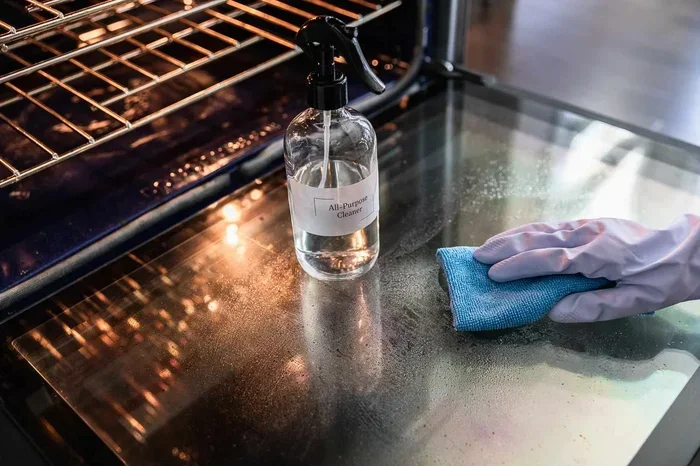
Now you have full access to the glass oven door and all its parts. You can clean both sides of the glass, the door frame, the hinges, and any removable panels. Use your preferred cleaning method (more on this below) and a microfiber cloth for streak-free results.
Don’t forget to clean the oven cavity while the door is off. This gives you full access to the back wall, ceiling, and floor of the oven. A clean oven interior pairs perfectly with a sparkling door glass.
Step 6: Dry and Reassemble
After cleaning, dry all surfaces thoroughly with a clean microfiber cloth. Moisture left on metal parts can lead to rust over time. Once everything is dry, reattach the door by aligning it with the hinge tracks and lowering it into place until the latch clicks securely.
Run your finger along the door edges to make sure it sits evenly. A properly reinstalled door should open and close smoothly without any grinding or sticking.
Best Cleaning Methods for Glass Oven Doors
Choosing the right cleaning method makes all the difference when tackling oven door glass cleaning. Some methods work best for light grime, while others handle heavy grease and baked-on residue. Here are the most effective approaches.
Baking Soda and Vinegar Paste
This classic combination is one of the safest and most effective cleaning solutions for oven use. Baking soda acts as a gentle abrasive that lifts grease without scratching the glass. Vinegar adds natural acidity that breaks down stubborn residue.
Mix three parts baking soda with one part water to form a thick paste. Spread it evenly over the glass and let it sit for 15 to 20 minutes. Then spray white vinegar over the paste and wipe away with a damp cloth. The fizzing action helps lift dirt from the surface.
Dish Soap and Warm Water Soak
For moderately dirty doors, a simple dish soap solution works wonders. Mix warm water with a few drops of dish soap in a basin. Soak a microfiber cloth in the solution and lay it over the glass for 10 minutes. This softens the grease and makes it easy to wipe away.
If you have a removable door, you can submerge the glass panels in a sink filled with warm soapy water. Let them soak for 30 minutes, then scrub gently with a non-abrasive sponge.
Commercial Oven Cleaners
Store-bought degreaser for oven products are designed to handle heavy buildup. Look for products specifically labeled safe for glass surfaces. Always follow the manufacturer’s instructions and wear gloves during application.
Spray the cleaner on the glass, let it sit for the recommended time, and wipe clean. These products are powerful, so use them in a well-ventilated area. Avoid using them on a regular basis, as the chemicals can degrade door seals and gaskets over time.
Steam Cleaning Method
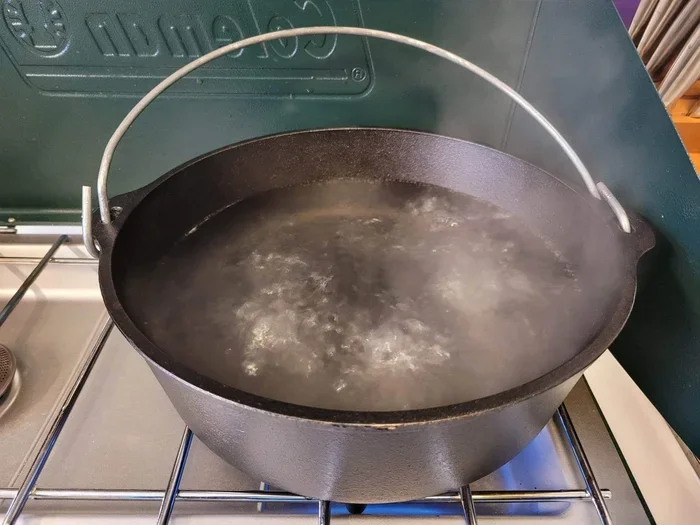
Steam is a fantastic option for safe oven cleaning methods that don’t involve chemicals. Boil a pot of water and place it inside the oven on a tray. Close the door and let the steam work for 10 to 15 minutes. The moisture loosens grease and grime, making it easy to wipe away with a cloth.
This method works especially well for light to moderate buildup. It is also a great option if you want to avoid strong smells or chemical residues inside your oven.
Comparison Table: Cleaning Methods at a Glance
| Method | Best For | Effort Level | Safe for Glass |
|---|---|---|---|
| Baking Soda and Vinegar | Light to moderate grease | Easy | Yes |
| Dish Soap and Water Soak | Moderate buildup | Easy | Yes |
| Commercial Oven Cleaner | Heavy baked-on stains | Medium | Yes (if labeled) |
| Steam Cleaning | Light grease and odors | Easy | Yes |
| Razor Scraper (carefully) | Extreme hardened residue | Hard | Yes (with caution) |
Quick Tips for Stubborn Stains
- Let the cleaner sit longer: For tough baked-on stains, allow the cleaning solution to penetrate for at least 30 minutes.
- Use a plastic scraper: A plastic spatula or scraper can lift hardened grime without scratching the glass.
- Repeat if needed: One application may not be enough for heavy buildup. Don’t hesitate to repeat the process.
- Warm the cleaning solution: Slightly warm water helps dissolve grease faster than cold water.
- Wipe in circular motions: This technique spreads the cleaning agent evenly and prevents streaking.
Common Mistakes to Avoid When Cleaning Oven Glass
Even with the best intentions, many people make mistakes that damage their oven door or make the cleaning process harder. Knowing what to avoid is just as important as knowing what to do.
Using Abrasive Scrubbers
Steel wool, rough scrub pads, and abrasive sponges can scratch the glass surface. Once the glass is scratched, it becomes harder to clean and may look permanently cloudy. Always use a soft cloth, sponge, or microfiber towel when cleaning your glass oven door.
Applying Too Much Force
If the door latch feels stuck, don’t force it. Applying excessive pressure can bend the hinge, crack the glass, or break the release mechanism. Instead, spray a small amount of lubricant around the latch and let it work for a few minutes before trying again.
Using the Wrong Cleaning Chemicals
Harsh chemicals like bleach or ammonia-based cleaners can damage the glass coating and oven seals. Stick to mild dish soap, baking soda, vinegar, or products specifically designed for oven use. Always check the label before applying any cleaner to your cleaning oven door inside or glass surface.
Skipping the Drying Step
Leaving moisture on metal parts after cleaning leads to rust and corrosion. Always dry the door, hinges, and frame thoroughly before reassembling. A damp door also attracts dust and grease faster, undoing your hard work.
Forgetting to Clean the Door Frame
Grease accumulates on the door frame and hinges just as much as on the glass. When you reassemble a dirty frame, the grime transfers right back onto the clean glass. Take the time to wipe down the entire door assembly, including the tracks and latches.
Expert Tips for Keeping Your Oven Door Glass Sparkling
The best way to make how to open oven door to clean glass easier in the future is to prevent heavy buildup in the first place. These expert oven maintenance tips will keep your door glass looking great between deep cleanings.
Wipe Down After Every Use
Get in the habit of wiping the door glass with a damp cloth after each cooking session. This takes only 30 seconds and prevents grease from hardening into stubborn layers. Keep a microfiber cloth and a small spray bottle of vinegar solution near your oven for quick cleanup.
Use Oven Liners
Oven liners placed on the bottom rack catch drips and splatters before they reach the door glass. While they don’t eliminate the need for door cleaning, they significantly reduce the amount of grease that migrates upward during cooking.
Clean the Racks Regularly
Dirty oven racks can drip grease onto the door glass during cooking. Make cleaning racks part of your regular oven maintenance routine. Soak them in warm soapy water and scrub off any residue before placing them back in the oven.
Schedule Monthly Deep Cleans
Set a reminder to deep clean your oven door glass once a month. A regular schedule prevents buildup from reaching the stubborn stage. During each deep clean, inspect the door hinges, latches, and seals for any signs of wear or damage.
Replace Damaged Parts Promptly
If you notice cracks in the glass, loose hinges, or a broken latch, address the issue immediately. A damaged oven door panel can worsen over time and lead to more expensive repairs. Replacement glass and parts are widely available and usually easy to install.
Expert Insight from Professional Cleaners
Professional cleaners who specialize in oven maintenance tips recommend a simple routine: clean the glass after every five to six cooking sessions. This frequency keeps the door in great shape without requiring a major effort each time. They also suggest keeping a dedicated oven cleaning kit stocked with baking soda, vinegar, microfiber cloths, and a soft sponge.
Many experts also advise against using the self-cleaning cycle too frequently. While it is effective, the extreme heat can weaken door seals and discolor the glass over time. Reserve the self-cleaning feature for heavy buildup and rely on manual cleaning for routine maintenance.
Conclusion
How to open oven door to clean glass is a straightforward process once you understand your oven’s design and follow the right steps. From releasing the door latch to choosing the best cleaning method, every part of this task is manageable with a little patience and the right tools.
Regular cleaning keeps your glass oven door looking great and your oven performing at its best. The home remedies and expert tips shared in this guide make the entire process simpler, safer, and more effective. Remember to avoid common mistakes, stay consistent with your maintenance routine, and always prioritize safety.
Your oven works hard for you every day. Taking a little time to care for it pays off in better cooking results, a longer appliance lifespan, and a cleaner kitchen. Start applying these steps today, and you will never dread cleaning your oven door glass again.
Frequently Asked Questions
Can I clean my oven door glass without removing the door?
Yes, many oven doors can be accessed while still attached. Simply lower the door to a partial open position, unlock the latch, and clean through the gap. However, removing the door gives you better access and a more thorough cleaning experience.
What is the best homemade solution for cleaning oven door glass?
A paste made from baking soda and water is one of the most effective homemade solutions. Apply it to the glass, let it sit for 15 to 20 minutes, then spray vinegar over it and wipe clean. This combination handles most grease and baked-on stains safely.
How often should I clean my oven door glass?
For best results, wipe down the glass after every few cooking sessions and do a deeper clean once a month. Regular maintenance prevents heavy buildup and makes each cleaning session quicker and easier.
Can I use a razor blade to clean baked-on stains from oven glass?
Yes, but only with extreme caution. Use a plastic scraper or razor blade held at a 45-degree angle, and apply minimal pressure. Always wet the glass first and avoid using sharp metal scrapers that can scratch or crack the surface.
Why does my oven door glass keep getting dirty so quickly?
This usually happens when you cook frequently at high temperatures or when food splatters are not wiped up quickly. Using oven liners and wiping down the door after each use can significantly slow down the buildup process.
Is it safe to use commercial oven cleaners on glass surfaces?
Most commercial oven cleaners are safe for glass if the product label specifically says so. Always check the label, wear gloves, and work in a ventilated area. Avoid using these cleaners on a regular basis to prevent damage to door seals and gaskets over time.