How To Make Kebab In Oven With Simple Step By Step Guide
Learn how to make kebab in oven with our easy step-by-step guide. This article covers everything from marinades and spices to baking times and serving tips. You will create restaurant-quality homemade kebab right in your kitchen without any special equipment.
There is something truly special about homemade kebab. It fills your kitchen with an irresistible aroma, and the results are far better than anything you can buy from a freezer aisle. Whether you love chicken kebab or prefer beef kebab, the oven gives you a simple path to delicious, juicy meat without needing a grill or outdoor space.
Making kebab in oven is one of the easiest cooking skills you can learn. You do not need fancy equipment or years of experience. With the right kebab recipe, a few basic spices, and a reliable oven, you can create restaurant-quality kebab in your own home. This guide walks you through every single step so you feel confident from start to finish.
If you have been searching for a simple kebab recipe that actually works, you have come to the right place. We will cover kebab prep, the best marinades, baking temperatures, and serving ideas. By the end, you will know exactly how to make oven-baked kebab that your whole family will love.
Key Takeaways
- Oven-baked kebab is simple: You only need basic ingredients, a hot oven, and a little patience.
- Marinade is the secret: A well-made kebab marinade transforms ordinary meat into something extraordinary.
- Temperature and timing matter: Baking at the right heat ensures juicy, perfectly cooked kebab every time.
- You can use chicken or beef: Both work beautifully in the oven with the right approach.
- Serving makes a difference: Pair your oven kebab with fresh sides and sauces for a complete meal.
📑 Table of Contents
- Why Make Kebab In Oven?
- Essential Ingredients For Homemade Kebab
- Step By Step Guide To Making Kebab In Oven
- Temperature and Timing Guide
- Tips For Perfect Oven Kebab Every Time
- Common Mistakes To Avoid When Baking Kebab
- Serving Ideas And Kebab Accompaniments
- Storing and Reheating Leftover Kebab
- Frequently Asked Questions
- Conclusion
Why Make Kebab In Oven?
Many people think kebab means a grill or a skewer over open flame. While that is traditional, oven-baked kebab offers real advantages. It is convenient, consistent, and perfect for indoor cooking. You do not need to worry about weather, charcoal, or flare-ups.
Here are some great reasons to try bake kebab in your oven:
- Convenience: You can make kebab any day of the week without special setup.
- Consistency: Ovens provide even heat, which means uniform cooking every time.
- Less mess: No smoke, no charcoal, no outdoor cleanup.
- Indoor-friendly: Perfect for apartments, cold weather, or small kitchens.
- Easy cleanup: A baking tray and some foil make washing up a breeze.
- Safe for beginners: Oven kebab prep is forgiving and hard to mess up.
Indoor kebab has come a long way. Modern ovens circulate heat efficiently, so your oven kebab turns out moist and flavorful. Many professional cooks actually prefer oven methods for certain cuts of meat. The controlled environment allows you to focus on seasoning and timing rather than managing live fire.
Essential Ingredients For Homemade Kebab
Great homemade kebab starts with great ingredients. You do not need anything exotic or hard to find. The beauty of kebab seasoning lies in its simplicity. A few quality ingredients combine to create something truly memorable.
Choosing Your Kebab Meat
The foundation of any kebab meat dish is, of course, the meat itself. Here are the best options for oven baking:
- Chicken breast or thigh: Chicken is lean and takes on flavors beautifully. Thigh meat stays juicier than breast.
- Beef mince or sirloin: Beef gives a rich, hearty flavor. Sirloin works well for chunkier skewer kebab styles.
- Lamb: Traditional and full of flavor. Lamb is a favorite in Mediterranean kebab recipes.
- Turkey: A lighter alternative that still absorbs kebab spices wonderfully.
For the best results, choose fresh, quality meat. Avoid pre-packaged options that have been sitting too long. Fresh meat absorbs marinades better and cooks more evenly.
The Kebab Marinade
The kebab marinade is what sets great oven-baked kebab apart from ordinary meat. A good marinade does three things: it adds flavor, tenderizes the meat, and keeps it juicy during baking.
Here is a basic marinade framework that works for almost any kebab recipe:
- Olive oil — keeps the meat moist and helps spices stick
- Yogurt — tenderizes and adds a creamy base
- Garlic — provides that classic savory depth
- Lemon juice — adds brightness and helps break down fibers
- Ground cumin — warm, earthy, and essential to kebab seasoning
- Paprika — adds color and mild sweetness
- Salt and pepper — the foundation of all great kebab spices
- Fresh herbs — parsley, mint, or cilantro add freshness
Mix these together and coat your meat generously. The longer you marinate, the better the flavor penetrates. Aim for at least 30 minutes, but overnight marinating produces the best results for homemade kebab.
Supporting Ingredients
While the meat is the star, a few supporting ingredients make your oven kebab even better:
- Onion: Sliced onions on skewers add moisture and sweetness
- Bell peppers: Colorful and sweet, they balance the savory meat
- Tomatoes: Add during the last few minutes of baking
- Zucchini or eggplant: Great for Mediterranean kebab style
Step By Step Guide To Making Kebab In Oven
Now let us get into the heart of the matter. This step-by-step guide shows you exactly how to make kebab in oven from start to finish. Follow these steps carefully, and you will be amazed at the results.
Step 1: Prepare the Meat
Start by cutting your kebab meat into uniform pieces. Aim for chunks about 1.5 inches square. Uniform size ensures even cooking, which is the key to juicy kebab. If you are using mince meat, you can shape it directly onto skewers or into patties.
Place the cut meat into a large bowl. This is where the magic happens with your kebab marinade.
Step 2: Apply the Marinade
Pour your prepared marinade over the meat. Use your hands or a spoon to make sure every piece is fully coated. Cover the bowl with cling film or a lid.
Refrigerate for at least 30 minutes. For the best homemade kebab flavor, marinate for 2 to 4 hours. If you have time, overnight marinating produces the deepest flavor.
Step 3: Preheat Your Oven
Preheat your oven to 220°C (425°F). A hot oven is essential for oven-baked kebab. The high heat sears the outside of the meat, locking in juices and creating that delicious slightly charred exterior.
While the oven heats, line a baking tray with foil. This makes cleanup much easier and prevents sticking.
Step 4: Thread the Kebab Skewers
If you are using wooden skewers, soak them in water for at least 20 minutes first. This prevents them from burning in the hot oven. Metal skewers work perfectly and do not need soaking.
Thread the marinated meat onto skewers, alternating with vegetables if desired. Leave a small gap between each piece so heat circulates properly. This is an important kebab tip that many beginners overlook.
Step 5: Bake the Kebab
Place the skewers on the prepared baking tray. You can stand them upright or lay them flat. If standing upright, use a small cup or foil ball to prop them up.
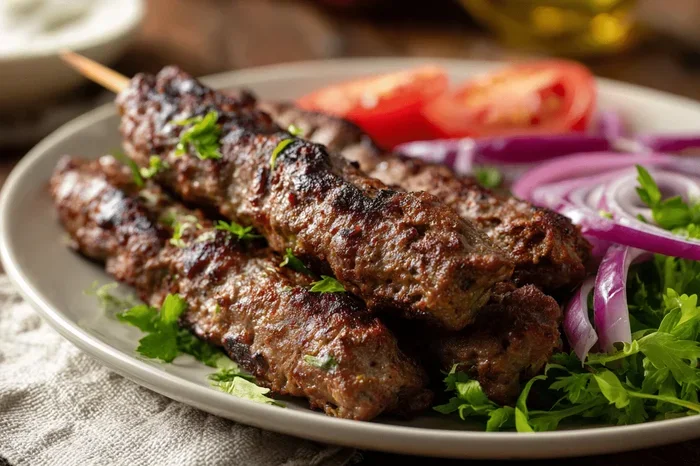
Bake in the preheated oven for 15 to 20 minutes. Flip the skewers halfway through cooking. This ensures even browning on all sides.
For beef kebab, you may need 20 to 25 minutes depending on the thickness of your chunks. Chicken kebab usually cooks faster, around 15 to 18 minutes. Always check that the internal temperature reaches 74°C (165°F) for chicken and 63°C (145°F) for beef.
Step 6: Rest and Serve
Remove the oven kebab from the oven and let it rest for 3 to 5 minutes. This allows the juices to redistribute, making every bite more flavorful. Skip this step, and your juicy kebab may lose moisture when cut.
Serve hot with your favorite sides. More on serving ideas below.
Temperature and Timing Guide
Getting the oven-baked kebab timing right is crucial. Too low and the meat dries out. Too high and the outside burns before the inside cooks through. Here is a handy reference guide:
| Meat Type | Oven Temperature | Cooking Time | Internal Temp |
|---|---|---|---|
| Chicken kebab | 220°C (425°F) | 15-18 minutes | 74°C (165°F) |
| Beef kebab | 220°C (425°F) | 20-25 minutes | 63°C (145°F) for medium |
| Lamb kebab | 220°C (425°F) | 18-22 minutes | 63°C (145°F) for medium |
| Turkey kebab | 220°C (425°F) | 16-20 minutes | 74°C (165°F) |
These times are guidelines. The actual bake kebab time depends on your oven, the size of your meat chunks, and how brown you like the exterior. Always use a meat thermometer for the safest and most accurate results.
Tips For Perfect Oven Kebab Every Time
Even with a great kebab recipe, small mistakes can affect the final result. Here are proven tips that make a real difference in your homemade kebab quality.
Use Metal Skewers When Possible
Metal skewers conduct heat better than wood. They also do not need soaking and can be reused. If you only have wooden skewers, remember to soak them thoroughly. This simple step prevents burning and ensures your indoor kebab cooks evenly.
Do Not Overcrowd the Tray
Leave space between each skewer on the baking tray. Air needs to flow around the meat for even cooking. Overcrowding creates steam, which leads to soggy rather than crispy oven-baked kebab.
Brush with Oil During Baking
About halfway through cooking, open the oven and lightly brush the kebab with olive oil. This adds shine, helps spices toast evenly, and keeps the surface from drying out. It is one of the easiest ways to elevate your oven kebab from good to great.
Let the Meat Rest
Resting is not just for steaks. Oven-baked kebab benefits from a short rest too. The juices settle back into the meat, making each bite succulent and flavorful. Five minutes is usually enough.
Experiment With Different Kebab Spices
Do not be afraid to adjust your kebab seasoning. Here are some variations to try:
- Middle Eastern style: Add sumac, cinnamon, and allspice for a warm, aromatic profile
- Mediterranean style: Use oregano, thyme, and extra lemon for a bright, fresh taste
- Asian-inspired: Swap cumin for five-spice powder and add soy sauce and ginger
- Smoky style: Add smoked paprika and a pinch of chipotle for depth
Common Mistakes To Avoid When Baking Kebab
Learning what not to do is just as important as knowing the right steps. Here are common pitfalls that can ruin your oven-baked kebab:
Using Cold Meat Straight from the Fridge
Cold meat takes longer to cook in the center. Take your kebab meat out of the fridge 20 to 30 minutes before baking. This small step leads to more even cooking and better texture.
Skipping the Marinade
Some people rush straight to baking without marinating. This is the single biggest mistake in kebab prep. A marinade adds flavor, tenderizes the meat, and keeps it moist. Never skip this step if you want truly delicious homemade kebab.
Opening the Oven Too Often
Every time you open the oven door, heat escapes. This affects cooking time and temperature consistency. Trust the process and only open the oven when you need to flip the skewers or check doneness.
Overcooking the Meat
Overcooked kebab meat becomes dry and tough. Use a meat thermometer to check internal temperature. Once the meat reaches the target temp, remove it immediately. The residual heat will continue cooking it slightly as it rests.
Using Too Much Spice
More is not always better with kebab spices. Heavy spice loads can overpower the natural flavor of the meat. Start with moderate amounts and adjust to taste after your first batch.
Serving Ideas And Kebab Accompaniments
Your oven-baked kebab is ready, but the meal is not complete without the right sides. Great kebab serving ideas turn a simple dish into a memorable dining experience.
Classic Sides
- Pita bread: Warm and soft, perfect for wrapping your kebab
- Rice pilaf: Fluffy rice with herbs and a touch of lemon
- Greek salad: Tomatoes, cucumber, olives, and feta cheese
- Hummus: Creamy and smooth, pairs beautifully with any oven kebab
- Tzatziki sauce: Cool, garlicky yogurt sauce that complements warm meat perfectly
Quick Kebab Sauce Ideas
A great kebab sauce takes your dish to the next level:
- Garlic yogurt: Mix plain yogurt with minced garlic, lemon juice, and a pinch of salt
- Tahini drizzle: Whisk tahini with lemon juice and water until smooth
- Chimichurri: Fresh parsley, garlic, olive oil, and red wine vinegar blended together
- Spicy mayo: Mayonnaise mixed with sriracha and a squeeze of lime
When you serve Mediterranean kebab, keep the sides light and fresh. The rich, spiced meat pairs best with cool, crisp accompaniments. Think bright salads, creamy dips, and warm bread.
Storing and Reheating Leftover Kebab
Got leftover homemade kebab? You can store it safely and enjoy it the next day too.
- Refrigerator: Store cooked kebab in an airtight container for up to 3 days.
- Freezer: Wrap kebab tightly in foil or freezer bags. It keeps for up to 2 months.
- Reheating: Use the oven or a skillet. Avoid the microwave, which can dry out the meat quickly.
- Best method: Reheat at 180°C (350°F) for 8 to 10 minutes, covered with foil to retain moisture.
Properly stored oven-baked kebab tastes almost as good as fresh. The flavors often deepen overnight, making next-day kebab a real treat.
Frequently Asked Questions
Can I make kebab in oven without skewers?
Yes, absolutely. You can shape your marinated kebab meat into patties or chunks and place them directly on a lined baking tray. This works especially well with beef mince or turkey. Just make sure the pieces are similar in size so they cook evenly. This is one of the easiest ways to make indoor kebab without any special tools.
What temperature should I bake kebab at?
The ideal temperature for oven-baked kebab is 220°C (425°F). This high heat sears the outside quickly while keeping the inside juicy. If you are cooking thicker chunks of beef kebab or lamb kebab, you may need to reduce the temperature slightly to 200°C to ensure even cooking throughout.
How long should I marinate kebab meat?
For the best flavor, marinate your kebab meat for at least 30 minutes. However, marinating for 2 to 4 hours produces significantly better results. If you have time, overnight marinating in the fridge gives the deepest flavor penetration. The kebab marinade needs time to work its magic into the meat fibers.
Can I use frozen meat for oven kebab?
It is best to thaw your kebab meat completely before marinating and baking. Frozen meat does not absorb marinades well and cooks unevenly. Thaw it in the refrigerator overnight for the safest and most effective results. Never marinate or cook meat that is still partially frozen.
What is the best meat for oven kebab?
Chicken thigh and beef sirloin are widely considered the best cuts for oven-baked kebab. Chicken thigh stays juicier than breast, and sirloin has the right balance of flavor and texture. Lamb is also excellent for traditional Mediterranean kebab. Choose cuts with some fat content for the most flavorful homemade kebab.
How do I know when kebab is done in the oven?
The most reliable way is to use a meat thermometer. Chicken should reach 74°C (165°F) internally, while beef and lamb should reach at least 63°C (145°F) for medium. You can also check by cutting into the thickest piece — the meat should be cooked through with no pink remaining. Let the oven kebab rest for a few minutes before serving for the juiciest result.
Conclusion
Making kebab in oven is one of the most rewarding skills you can add to your kitchen repertoire. It is simple, flexible, and produces results that rival any restaurant. With the right kebab recipe, a good kebab marinade, and a hot oven, you can create juicy kebab any night of the week.
Remember the key steps: choose quality kebab meat, marinate generously, preheat your oven properly, and bake at high heat. Avoid the common mistakes, follow the timing guide, and serve with fresh, flavorful sides. Whether you prefer chicken kebab, beef kebab, or something more adventurous like lamb, the oven delivers every time.
Now that you know exactly how to make oven-baked kebab, it is time to put this knowledge into action. Try the recipe this week, experiment with different kebab spices, and find your perfect homemade kebab style. Your family and friends will thank you. Happy cooking!