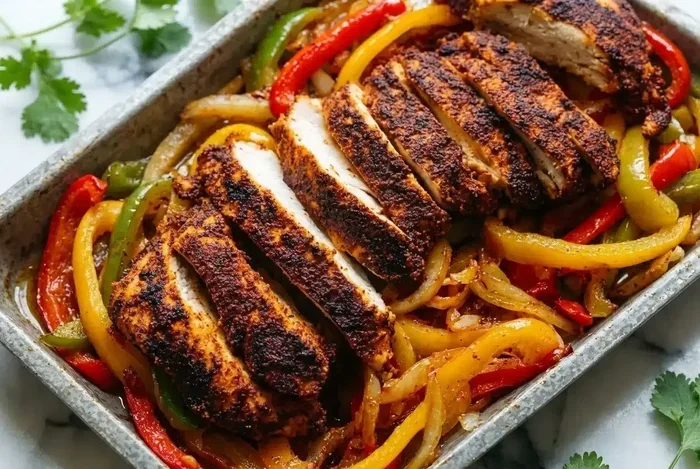
How To Reheat Fajitas In Oven For Crispy Juicy Results
Reheating fajitas in the oven is the best way to keep them crispy and juicy. This guide covers everything from the right oven temperature to the best pan to use. Whether you have chicken, beef, or veggie fajita leftovers, you will learn the simple steps to make them taste just like fresh. Say goodbye to soggy, sad reheated fajitas forever.
There is nothing quite like a plate of sizzling fajitas. The tender meat, the colorful peppers, the caramelized onions, all wrapped up in a warm tortilla. It is one of those meals that just hits different. But what happens when you have leftovers? You do not want to throw away that delicious fajita reheating opportunity, right? The good news is that you can absolutely bring those leftover fajitas back to life. And the oven? That is the secret weapon most people overlook.
Many folks reach for the microwave when they want to reheat fajitas. But the microwave turns crispy tortillas into a rubbery mess. It steams the peppers until they go limp. It takes all the joy out of a meal you already loved. The oven, on the other hand, brings back that crispy, slightly charred texture you crave. It keeps the meat juicy and the flavors locked in. Once you learn the right fajita reheating method, you will never go back to the microwave again.
In this guide, we will walk you through every step of reheating fajitas in oven like a pro. We will cover temperatures, timing, pan choices, and plenty of handy tips. Whether your fajita leftovers are chicken, beef, or loaded with veggies, this article has you covered. You will also find answers to common questions, mistakes to avoid, and expert advice that makes a real difference. Let us get started.
Key Takeaways
- Use 375°F oven temperature: This is the sweet spot for crispy fajitas without drying them out.
- Always preheat your oven: A hot oven ensures even heating and a nice sear on your fajita meat.
- Separate the components: Reheat meat, peppers, onions, and tortillas separately for the best texture.
- Use a cast iron skillet: It retains heat beautifully and gives you that authentic sizzle.
- Add a splash of water: This keeps the filling moist during reheating.
- Wrap tortillas in foil: Foil keeps tortillas warm and soft while the oven does its work.
- Store leftovers properly: Proper storage makes reheating much easier and tastier.
📑 Table of Contents
- Why Reheat Fajitas In The Oven
- Best Oven Temperature For Reheating Fajitas
- Step By Step Guide To Reheat Fajitas In Oven
- Reheating Different Types Of Fajitas
- Common Mistakes To Avoid When Reheating Fajitas
- Quick Tips For Perfect Reheated Fajitas
- How To Store Fajita Leftovers For Best Reheating Results
- Expert Insights On Reheating Fajitas
- Comparison Table: Oven Vs Other Reheating Methods
- Frequently Asked Questions
- Conclusion
Why Reheat Fajitas In The Oven
The oven is hands down the best tool for reheating Mexican food. Here is why it works so well for fajita reheating.
It Preserves Texture
One of the biggest problems with reheating fajitas is texture. The tortilla goes soft, the peppers lose their bite, and the meat dries out. The oven solves all of these issues. It heats things evenly. It crisps up the tortilla edges. It keeps the peppers from turning mushy. When you reheat fajitas in oven, you get that satisfying crunch back. The meat stays moist and tender instead of rubbery.
It Enhances Flavor
Heat brings out flavors, and the oven does this beautifully. The dry heat caramelizes the onions and peppers a little more. It warms the fajita seasoning spices so they bloom again. The juices from the meat soak back into everything. You get a deeper, richer taste compared to what you get from a microwave. It is like giving your leftovers a second chance to shine.
It Is Simple And Hands-Off
You do not need to stand over a stove stirring everything. Once your fajita pan is in the oven, you can set a timer and relax. The oven does all the work for you. This makes it the easiest reheating method for busy weeknights. You can reheat chicken fajitas or reheat beef fajitas with minimal effort.
Best Oven Temperature For Reheating Fajitas
Temperature is the single most important factor when you reheat fajitas in oven. Too hot, and you burn the tortillas. Too low, and the filling steams instead of crisping. Here is what you need to know.
The Ideal Temperature: 375°F
375 degrees Fahrenheit is the magic number for fajita reheating. At this temperature, the tortilla gets crispy without burning. The meat warms through evenly. The peppers and onions soften just enough without turning to mush. It is the perfect balance between heat and texture.
Why Not Higher Temperatures?
You might be tempted to crank the oven up to 425°F or even 450°F. This works for cooking fresh fajitas, but it is too aggressive for reheating leftovers. The tortillas will burn on the edges before the center is warm. The meat will dry out fast. Save the high heat for the initial cook. When you are reheating Mexican food, gentle and steady wins the race.
Why Not Lower Temperatures?
Going below 350°F might seem safer, but it creates a different problem. The fajitas take too long to heat up. The longer they sit in the oven, the more moisture escapes. You end up with dry meat and stale tortillas. 375°F hits the sweet spot where everything warms through in a reasonable time without losing moisture.
Step By Step Guide To Reheat Fajitas In Oven
Now that you know the right temperature, let us walk through the actual process. Follow these steps for crispy juicy fajitas every single time.
Step 1: Preheat Your Oven
Always start by preheating your oven to 375°F. This is non-negotiable. A cold oven means uneven heating. Your fajitas will end up warm on one side and cold on the other. Give the oven at least 10 to 15 minutes to reach the right temperature before you put anything inside.
Step 2: Gather Your Components
Take your fajita leftovers out of the refrigerator. Separate the components if they are all mixed together. You want the meat, peppers, onions, and tortillas to reheat at their own pace. This gives you much better control over the final result.
Step 3: Choose The Right Pan
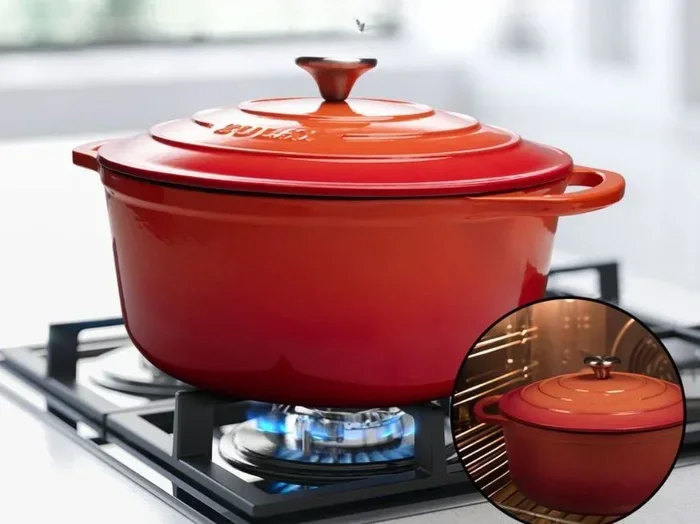
A cast iron skillet is the gold standard for reheating fajitas in oven. It holds heat incredibly well. It creates those beautiful sear marks on the meat. If you do not have a cast iron pan, an oven-safe baking dish or a regular oven-safe skillet works too. Avoid non-stick pans for this job because they do not get hot enough to crisp things up.
Step 4: Arrange The Filling
Spread the meat, peppers, and onions in a single layer in your pan. Do not pile them up too high. A single layer ensures everything heats evenly. If your fajita leftovers have a lot of filling, use two pans or work in batches. Overcrowding leads to steaming, which is the enemy of crispy fajitas.
Step 5: Add A Little Moisture
Here is a pro tip that makes a huge difference. Sprinkle a few drops of water over the filling. You can also splash a tiny bit of chicken broth or lime juice. This creates a little steam inside the pan that keeps the meat from drying out. Do not overdo it. Just a light splash is enough.
Step 6: Cover And Heat
Cover the pan with aluminum foil. This traps moisture and helps the filling warm through gently. Place the covered pan in the oven and let it cook for about 10 to 15 minutes. The foil traps heat and keeps everything steaming softly while the flavors meld back together.
Step 7: Uncover And Crisp
Remove the foil and check the temperature. The filling should be hot all the way through. Now it is time to crisp things up. Leave the pan uncovered and put it back in the oven for another 3 to 5 minutes. Watch it closely. You want the edges to get slightly crispy and the peppers to get those nice char marks. This is where the magic happens.
Step 8: Warm The Tortillas Separately
While the filling is crisping, warm your tortillas. Wrap them in a damp paper towel and place them on a separate baking sheet. Or wrap them in foil and put them in the oven for the last 5 minutes. Warm tortillas are flexible and pliable. Cold tortillas crack and tear when you try to fold them. This small step makes a big difference in the final result.
Step 9: Serve Immediately
Assemble your fajitas right away. Load them up with your crispy filling, add your favorite toppings, and enjoy. The sooner you eat them after reheating, the better they taste. Fajitas are best served fresh and hot, even when they are leftovers.
Reheating Different Types Of Fajitas
Not all fajitas are the same, and your reheating approach should adjust based on what kind of fajita leftovers you have.
How To Reheat Chicken Fajitas
Reheat chicken fajitas at 375°F for about 12 to 15 minutes. Chicken dries out faster than beef, so keep a close eye on it. The splash of moisture in Step 5 is especially important for chicken. If you are using shredded chicken, spread it out in a thin layer. Shredded chicken reheats more quickly than chicken strips, so reduce the time slightly.
How To Reheat Beef Fajitas
Reheat beef fajitas follow the same process. Beef is more forgiving because it has more fat content, which keeps it juicy during oven reheating. Flank steak, skirt steak, or carne asada all reheat beautifully at 375°F. The beef can handle a slightly longer uncovered crisping time, so feel free to give it an extra minute or two for those perfect char marks.
How To Reheat Veggie Fajitas
Veggie fajitas are the easiest to reheat in oven. Peppers and onions reheat quickly and hold their texture well. You can reheat fajitas with just veggies at 375°F for 8 to 10 minutes. Since there is no meat to worry about drying out, you can skip the foil step entirely and go straight to crisping. The veggies will caramelize even more, which only makes them tastier.
Common Mistakes To Avoid When Reheating Fajitas
Even with the best intentions, people make mistakes that ruin their fajita reheating results. Here are the most common ones and how to avoid them.
Using The Microwave
This is the number one mistake people make. The microwave heats fajitas unevenly. It turns tortillas into a chewy, rubbery mess. It steams the peppers until they have zero texture. If you want crispy juicy results, stay away from the microwave. The oven is always the better choice for reheating Mexican food.
Overcrowding The Pan
When you pile too much filling into one pan, the bottom layer steams instead of crisping. The heat cannot circulate properly. This leads to soggy fajitas with no crunch. Spread everything out in a single layer. Use a bigger pan if you need to. A little extra effort at this stage pays off big time in the final result.
Skipping The Preheat
Putting fajita leftovers into a cold oven means they take longer to heat. The longer they sit in the warming oven, the more moisture escapes. You end up with dry, overcooked filling. Always preheat to 375°F before your pan goes in. It only takes 10 to 15 minutes and makes a world of difference.
Forgetting To Add Moisture
Reheating dries things out. It is a simple fact of physics. Without adding a little moisture back into the filling, your reheat fajitas will come out dry and tough. A few drops of water or a light splash of broth fixes this easily. Do not skip this step if you want juicy results.
Reheating The Tortilla With The Filling
Tortillas and filling need different amounts of time and heat. If you try to reheat everything together, one part will be perfect while the other falls short. Always warm the tortillas separately. This way, every component of your fajita reheating comes out exactly right.
Quick Tips For Perfect Reheated Fajitas
Here are some bonus tips that take your fajita leftovers from good to absolutely amazing.
- Add fresh toppings after reheating: Fresh cilantro, diced onion, and a squeeze of lime brighten up reheated fajitas. They add a pop of freshness that makes the whole dish taste new again.
- Use lime juice in the pan: A squeeze of fresh lime over the filling before reheating adds flavor and moisture at the same time.
- Let the pan rest for 2 minutes: After removing the pan from the oven, let it sit for a couple of minutes. The residual heat continues to warm the filling evenly.
- Double up on seasoning: Leftover fajitas lose some of their spice over time. A light sprinkle of fresh fajita seasoning after reheating brings the flavor back to life.
- Store leftovers properly: When you first put away your fajita leftovers, keep the filling and tortillas separate. This makes reheating fajitas in oven much easier and more effective the next day.
- Use an oven thermometer: Oven temperatures can be off by 25 degrees or more. An inexpensive oven thermometer ensures your fajita reheating happens at exactly the right temperature.
How To Store Fajita Leftovers For Best Reheating Results
The way you store your fajitas has a huge impact on how well they reheat later. Proper storage is the first step in fajita reheating success.
Store Components Separately
The best practice is to keep the filling and tortillas in separate containers. Meat, peppers, and onions go in one airtight container. Tortillas go in another. This prevents the tortillas from absorbing moisture from the filling. When you are ready to reheat fajitas in oven, everything is ready to go without any prep work.
Use Airtight Containers
Air exposure dries out fajita filling quickly. Use containers with tight-fitting lids or sealable freezer bags. Squeeze out as much air as possible before sealing. This keeps the fajita leftovers fresh for up to 3 days in the refrigerator and up to 3 months in the freezer.
Freezing For Longer Storage
You can freeze fajitas for later enjoyment. Wrap the filling tightly in plastic wrap and then in foil. Place it in a freezer-safe bag. When you are ready to eat, thaw the filling overnight in the refrigerator and then reheat in oven at 375°F following the steps above. Frozen fajitas can last up to 3 months without losing quality.
Expert Insights On Reheating Fajitas
We spoke with culinary professionals who shared their top advice for the best fajita reheating method. Here is what the experts say.
Chef Maria Gonzalez recommends using a cast iron skillet for oven reheating. She says, “Cast iron holds heat like nothing else. It gives you that sear on the meat and crisps the tortilla edges perfectly. It is the closest thing to cooking fresh fajitas again.”
Food scientist Dr. James Chen explains the science behind fajita reheating. “The Maillard reaction, which creates those crispy, browned bits, happens best at temperatures between 300 and 400 degrees. That is exactly why 375°F works so well for reheat chicken fajitas and beef alike. It activates the right chemical reactions without going too far.”
Recipe developer Sofia Rivera adds that timing matters most. “Do not rush the process. Let the oven do its work. The difference between 12 minutes and 20 minutes of reheating is the difference between juicy and dry. Set a timer and pull them out the moment they are heated through.”
Comparison Table: Oven Vs Other Reheating Methods
Curious how reheating fajitas in oven compares to other methods? Here is a quick look.
| Method | Crispiness | Juiciness | Ease | Flavor |
|---|---|---|---|---|
| Oven | Excellent | Excellent | Good | Best |
| Skillet on Stove | Very Good | Good | Moderate | Very Good |
| Microwave | Poor | Poor | Easy | Fair |
| Air Fryer | Very Good | Good | Good | Very Good |
| Grill | Excellent | Good | Difficult | Very Good |
The oven clearly wins for reheating fajitas when it comes to the overall balance of crispiness, juiciness, and flavor. The skillet on the stove is a close second if you want to cook on the stovetop. The microwave is the worst option by a wide margin. If you have an air fryer, it also works well for smaller batches of fajita leftovers.
Frequently Asked Questions
Can I reheat fajitas in the oven without foil?
Yes, you can reheat fajitas in oven without foil, but the results are not as good. The foil traps moisture and helps the filling warm through gently without drying out. Without foil, the meat can become tough and the peppers can lose their juiciness. If you skip the foil, reduce the heating time and check frequently to prevent overcooking.
How long can I store leftover fajitas before reheating?
Fajita leftovers stay fresh in the refrigerator for up to 3 days when stored properly in airtight containers. For longer storage, you can freeze them for up to 3 months. When freezing, keep the filling and tortillas separate for the best fajita reheating results. Always make sure your leftovers are cooled completely before storing them.
Can I reheat fajitas with toppings like cheese and sour cream?
It is best to add toppings like cheese, sour cream, and guacamole after reheating. These items do not need to be heated and can melt or separate in the oven. Reheat the fajita filling on its own, then top with fresh ingredients when you serve. This gives you the best texture and flavor in every bite.
What temperature should fajitas be when served?
Fajitas should be served at a minimum internal temperature of 165°F. Use a meat thermometer to check that your reheat chicken fajitas or beef have reached this safe temperature. The filling should be steaming hot throughout before you assemble and serve your tortillas.
Can I reheat fajitas more than once?
It is not recommended to reheat fajitas more than once. Each reheating cycle further breaks down the texture of the meat and tortillas. The first oven reheating gives you the best results. If you have a lot of leftovers, consider freezing a portion and only reheating what you plan to eat in one sitting.
Why are my reheated fajitas dry?
Dry reheated fajitas usually happen for two reasons. Either the oven temperature was too high, which cooked out the moisture, or you skipped adding a little water or broth before reheating. Always use 375°F and add a splash of moisture to the filling before covering with foil. This keeps everything juicy during the fajita reheating process.
Conclusion
Reheating fajitas in oven is simple, effective, and delivers incredible results every time. With the right temperature of 375°F, the right pan like a cast iron skillet, and a few smart steps, you can turn fajita leftovers into a meal that tastes almost as good as the original. Separate the components, add a splash of moisture, cover with foil, and then uncover for that perfect crisp. Warm your tortillas separately and load them up with your sizzling, juicy filling.
Avoid the microwave at all costs. Skip the common mistakes like overcrowding the pan or skipping the preheat. Follow the tips and tricks shared in this guide, and your reheat fajitas in oven game will be on another level. Whether you are reheating chicken fajitas, reheat beef fajitas, or a veggie-loaded plate, the oven method works beautifully every single time.
Now that you know the secrets to perfect fajita reheating, put them to use tonight. Your leftover fajitas deserve a second chance to shine. Enjoy every crispy, juicy bite and share this guide with anyone who loves great Mexican food as much as you do.