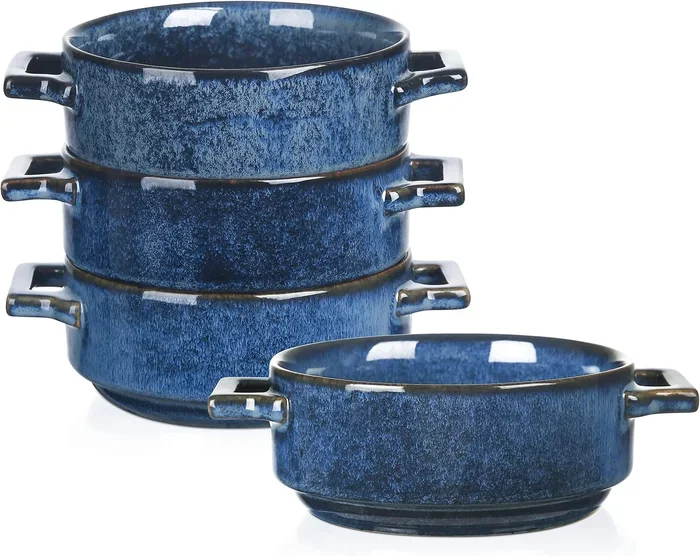
Bowls That Can Go In The Oven For Safe And Easy Cooking
Bowls That Can Go In The Oven are a kitchen game-changer for anyone who loves simple, hands-off cooking. Not every bowl handles high heat, so choosing the right one keeps your food safe and your meals delicious. This guide covers ceramic, glass, stainless steel, and silicone options that stand up to oven temperatures. You will learn how to spot oven-safe labels, avoid common mistakes, and pick the perfect bowl for baking, reheating, and serving. With the right oven-safe bowl, cooking becomes easier, faster, and far more enjoyable.
Key Takeaways
- Not all bowls are oven-safe: Always check the label or manufacturer guidelines before placing any bowl in a hot oven.
- Ceramic, glass, stainless steel, and silicone are the top materials that handle oven heat without cracking or releasing harmful chemicals.
- Avoid melamine, plastic, and wooden bowls in the oven, as they can melt, warp, or become a safety hazard.
- Temperature limits matter: Different materials have different heat thresholds, so knowing yours prevents accidents.
- Oven-safe bowls save time: You can bake, reheat, and serve in the same dish, cutting down on cleanup.
- Proper care extends bowl life: Gradual temperature changes and gentle washing keep your oven-safe bowls in great shape for years.
📑 Table of Contents
- Why Bowls That Can Go In The Oven Make Cooking So Much Easier
- Types Of Bowls That Can Go In The Oven
- How To Tell If A Bowl Is Oven Safe
- Best Bowls For Different Cooking Tasks
- Common Mistakes People Make With Oven Bowls
- Tips For Caring For Your Oven-Safe Bowls
- Quick Tips For Choosing The Right Oven Bowl
- Final Thoughts On Bowls That Can Go In The Oven
Why Bowls That Can Go In The Oven Make Cooking So Much Easier
Cooking should feel simple, not stressful. One of the easiest ways to simplify your kitchen routine is by using bowls that can go in the oven. These versatile dishes let you bake, reheat, and serve food without transferring it between containers. That means fewer dishes to wash and more time enjoying your meal.
Many people do not realize that not every bowl handles oven heat. Some crack under high temperatures. Others release harmful chemicals when they get too hot. That is why knowing which oven-safe bowls to use matters so much. It is not just about convenience. It is about safety and getting great results every time.
Whether you are a beginner cook or someone who has been in the kitchen for years, this guide will help you make smarter choices. You will learn which materials work best, how to read oven-safe symbols, and what mistakes to avoid. By the end, you will feel confident picking the right bowl for any oven task.
Types Of Bowls That Can Go In The Oven
Not all bowls are created equal. Different materials behave differently when exposed to heat. Here is a look at the most popular options for bowls that can go in the oven.
Ceramic Bowls
Ceramic bowls are one of the most popular choices for oven cooking. They distribute heat evenly, which means your food cooks consistently. Ceramic is also naturally non-reactive, so it will not change the taste of your food.
Most ceramic bowls can handle temperatures up to 400 to 450 degrees Fahrenheit. However, always check the manufacturer’s label. Some decorative ceramics are not designed for high heat and may crack or shatter.
One great thing about ceramic is that it looks beautiful on the table. You can bake a casserole in a ceramic dish and serve it right at the dinner table. This makes oven-safe bowls a stylish and practical choice for any kitchen.
Glass Bowls
Glass bowls are another excellent option. Borosilicate glass and tempered glass are especially good at handling oven heat. They can go from the fridge to the oven without cracking, which is a huge plus.
Most oven-safe glass bowls handle temperatures between 350 and 450 degrees Fahrenheit. Pyrex is one of the most well-known brands in this category. Their dishes are trusted by home cooks around the world.
Glass has a clear advantage: you can watch your food cook. You can check on your bake without opening the oven door and losing heat. This makes glass oven-safe bowls a favorite for casseroles, baked eggs, and desserts.
Stainless Steel Bowls
Stainless steel bowls are incredibly durable and heat resistant. They do not crack, chip, or stain. For high-heat cooking, stainless steel is hard to beat.
Most stainless steel bowls can handle temperatures well above 500 degrees Fahrenheit. They are perfect for roasting vegetables, making one-pot meals, or even baking bread. The only downside is that stainless steel does not look as pretty on the table as ceramic or glass.
If you want a bowl that can handle anything you throw at it, stainless steel is a smart pick. It is one of the most reliable heat-resistant bowls you can own.
Silicone Bowls
Silicone bowls are flexible, lightweight, and oven safe up to about 450 to 500 degrees Fahrenheit. They are a great modern option for anyone who wants something that is easy to store and easy to clean.
Silicone does not conduct heat the way metal does, so it stays cool to the touch on the outside. This makes it a safe choice, especially in households with kids. Just make sure you buy food-grade silicone that is labeled as oven-safe.
These bowls are also great for baking. You can use silicone muffin molds or baking bowls to make cupcakes, mini quiches, and more. They are lightweight but surprisingly tough.
How To Tell If A Bowl Is Oven Safe
It is not always obvious whether a bowl can handle oven heat. Here are some simple ways to find out if your bowls that can go in the oven are truly safe.
Check The Bottom Of The Bowl
Most oven-safe bowls have a symbol on the bottom. Look for an image of an oven or wavy lines that represent heat. Some bowls also list a maximum temperature. If you see this symbol, you are good to go.
If there is no symbol, do not assume it is safe. When in doubt, check the packaging or look up the product online. The manufacturer will always list whether a dish is heat resistant and up to what temperature.
Read The Material Label
The material tells you a lot about oven safety. Ceramic, glass, stainless steel, and silicone are generally safe. Plastic, melamine, and wood are not. If a bowl does not list its material clearly, it is best to avoid using it in the oven.
Watch For Cracks Or Chips
Even oven-safe bowls can break if they are damaged. Check your cookware for cracks or chips before putting it in the oven. A small crack can spread under heat and cause the bowl to shatter. Always inspect your bowls before every use.
Best Bowls For Different Cooking Tasks
Different cooking tasks call for different types of bowls. Here is a simple guide to help you pick the right one for the job.
Baking Casseroles And Dips
For baking casseroles, lasagnas, and dips, ceramic and glass bowls work best. They heat evenly and hold warmth well. A deep ceramic baking bowl is perfect for a hearty shepherd’s pie or a bubbly cheese dip.
Glass bowls are also great for these tasks. You can see when the top is golden brown, which helps you avoid overcooking. Both materials are easy to clean and look great for serving.
Roasting Vegetables And Meats
Stainless steel bowls and oven-safe cast iron bowls are ideal for roasting. They handle high heat and distribute it evenly across the surface. Toss your vegetables or chicken with oil and seasoning, then let the oven do the work.
One of the best things about oven-safe roasting bowls is that you can serve directly from them. This cuts down on extra dishes and keeps your kitchen mess-free.
Reheating Leftovers
Reheating leftovers in the oven is much better than using a microwave. It keeps food crispy and flavorful. Use a glass or ceramic oven-safe bowl to reheat pizza, roasted vegetables, or baked pasta.
Cover the bowl with foil to keep moisture in. Your leftovers will taste almost as good as they did the first time. This is one of the easiest ways to use bowls that can go in the oven in your daily routine.
Baking Desserts
For desserts like baked apples, custards, and cakes, glass and ceramic bowls are excellent choices. They look elegant and bake evenly. You can even use a pretty glass bowl as a serving dish right at the table.
Silicone baking bowls are also fun for individual desserts. You can bake mini cakes or custards in silicone cups and pop them out easily. They are light, flexible, and very practical.
Common Mistakes People Make With Oven Bowls
Even experienced cooks sometimes make mistakes when using oven-safe bowls. Here are some common errors to avoid.
Using Bowls Without Checking The Label
The most common mistake is assuming a bowl is oven safe without checking. Just because a bowl looks sturdy does not mean it can handle high heat. Always look for the oven-safe symbol or check the packaging.
Using a non-oven-safe bowl in the oven can cause it to crack, shatter, or even release harmful chemicals into your food. This is a risk you do not want to take.
Ignoring Temperature Limits
Every oven-safe bowl has a temperature limit. Some handle 350 degrees, while others can go up to 500 degrees. Exceeding the limit can cause warping, cracking, or breakage.
Always check the maximum temperature before placing your heat resistant bowls in the oven. If you are baking at 475 degrees, make sure your bowl can handle that heat.
Placing Cold Bowls In A Hot Oven
Sudden temperature changes can cause bowls to crack. This is called thermal shock. Never place a cold bowl straight into a hot oven.
Instead, let the bowl come to room temperature first. Or place it in the oven while it is still cold and let both heat up together. This simple step can save your favorite baking bowls from breaking.
Using The Wrong Bowl For The Stovetop
Some people confuse oven-safe with stovetop-safe. These are not the same thing. A bowl that is safe for the oven may not be safe for direct contact with a burner.
Always check whether your bowl is stovetop-safe if you plan to use it on the cooktop. Using an oven-safe bowl on a gas flame can cause it to crack or even shatter dangerously.
Tips For Caring For Your Oven-Safe Bowls
Proper care keeps your bowls that can go in the oven looking great and lasting for years. Here are some easy tips to follow.
- Wash by hand when possible: Even if a bowl is dishwasher safe, hand washing helps preserve the finish and extends its lifespan.
- Avoid abrasive cleaners: Use mild soap and a soft sponge. Harsh scrubbing pads can scratch ceramic and glass surfaces.
- Store bowls carefully: Stack bowls with a soft cloth or paper towel between them to prevent scratching.
- Let bowls cool before washing: Never plunge a hot bowl into cold water. The sudden temperature change can cause cracks.
- Inspect regularly: Check for chips, cracks, or wear before each use. Damaged bowls should be replaced for safety.
- Use oven mitts: Even oven-safe bowls get hot. Always use a thick oven mitt or towel when handling them.
Taking care of your oven proof dishes is simple. A little attention goes a long way in keeping them in top condition. Your bowls will look better and perform better for years to come.
Quick Tips For Choosing The Right Oven Bowl
Choosing the right bowl does not have to be complicated. Keep these quick tips in mind when shopping for bowls that can go in the oven.
- Always look for the oven-safe label. This is the most important step.
- Match the bowl to your cooking task. Ceramic is great for baking, stainless steel for roasting, and glass for reheating.
- Check the temperature limit. Make sure it matches your typical cooking temperatures.
- Buy from trusted brands. Reputable brands are more likely to provide accurate safety information.
- Consider versatility. Bowls that work in the oven, microwave, and freezer give you the most flexibility.
- Think about serving. Choose bowls that look good enough to go from oven to table.
With these tips, you will always pick the right bowl for the job. Cooking becomes simpler and more enjoyable when you have the right kitchen essentials in hand.
Final Thoughts On Bowls That Can Go In The Oven
Bowls that can go in the oven are one of the most useful and underrated kitchen tools you can own. They make baking, reheating, roasting, and serving easier and more convenient. Whether you choose ceramic, glass, stainless steel, or silicone, the key is to make sure your bowl is truly oven safe.
Always check the label, know the temperature limits, and avoid common mistakes like sudden temperature changes. With the right oven-safe bowls and a little care, you can cook with confidence and enjoy delicious meals every time.
The next time you are in the kitchen, reach for an oven-safe bowl and try something new. Bake a casserole, reheat last night’s dinner, or whip up a quick dessert. You will wonder how you ever cooked without them. Invest in a few quality heat resistant bowls today and make your kitchen routine smoother and more enjoyable.
Frequently Asked Questions
Can I Put A Ceramic Bowl In The Oven?
Yes, most ceramic bowls are oven safe and can handle temperatures up to 400 to 450 degrees Fahrenheit. However, always check the manufacturer’s label for specific temperature limits. Avoid using decorative or hand-painted ceramics in the oven unless they are explicitly labeled as oven safe.
What Happens If You Put A Non-Oven-Safe Bowl In The Oven?
Non-oven-safe bowls can crack, shatter, or release harmful chemicals when exposed to high heat. Melamine bowls, for example, will warp and melt at high temperatures. This can damage your food and even pose a safety risk. Always verify that a bowl is oven safe before using it in the oven.
Are Glass And Ceramic Bowls The Same For Oven Use?
Not exactly. Both glass and ceramic bowls are oven safe, but they behave differently. Glass heats up more slowly and allows you to see your food as it cooks. Ceramic distributes heat more evenly and retains warmth longer. Both are excellent choices for different cooking tasks.
Can Silicone Bowls Handle High Oven Temperatures?
Yes, food-grade silicone bowls can typically handle temperatures up to 450 to 500 degrees Fahrenheit. They are flexible, lightweight, and easy to clean. Just make sure the silicone is labeled as oven safe and free from fillers or harmful chemicals.
How Do I Know If My Bowl Is Oven Safe?
Look for an oven-safe symbol on the bottom of the bowl. It usually looks like an oven with wavy lines or a simple picture of a dish inside a oven shape. You can also check the product packaging or the manufacturer’s website for specific heat resistance information.
Can You Put A Stainless Steel Bowl In The Oven?
Yes, stainless steel bowls are among the most durable and heat-resistant options for oven use. They can typically handle temperatures well above 500 degrees Fahrenheit. They are perfect for roasting, baking, and high-heat cooking tasks. Just avoid using bowls with plastic or wooden handles, as those parts may not be oven safe.