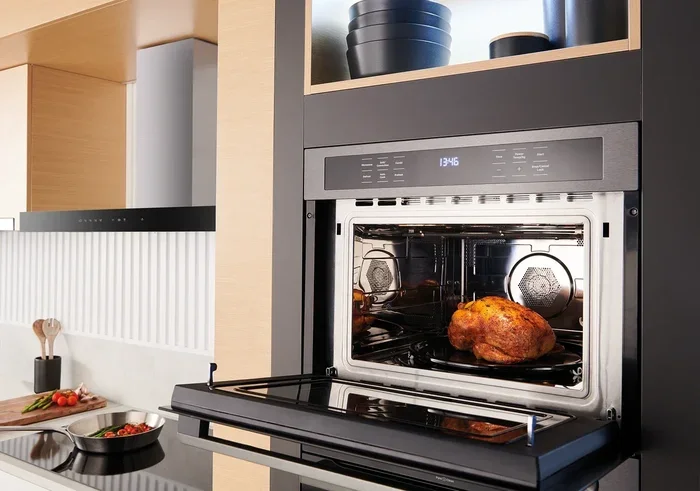
Can A Convection Oven Replace A Microwave Completely
Can a convection oven replace a microwave completely? The short answer is no — not fully. While a convection oven can handle many tasks a microwave does, it cannot match the speed of reheating or the unique steam cooking a microwave provides. This guide breaks down everything you need to know before making a decision.
Every kitchen has its trusty appliances. For decades, the microwave has been the go-to tool for quick meals, reheating leftovers, and speed cooking. But more homeowners are asking a big question. Can a convection oven replace a microwave completely?
The idea of ditching the microwave and relying solely on a convection oven sounds appealing. After all, convection ovens do so much. They bake, roast, toast, and even dehydrate food. But the real question is whether they can truly do everything a microwave does — and do it well.
This guide dives deep into the world of kitchen cooking. We will compare how each appliance works, what they can do, and where they fall short. By the end, you will have a clear answer for your own kitchen setup.
Key Takeaways
- A convection oven cannot fully replace a microwave: Microwaves excel at speed and reheating, which convection ovens simply cannot match.
- Convection ovens offer superior browning and crispiness: They use hot air circulation for textures microwaves simply cannot achieve.
- Both appliances serve different cooking purposes: Understanding their strengths helps you decide what works best for your kitchen.
- Combination ovens exist as a middle ground: Convection microwave combos can handle both tasks in one unit.
- Countertop space matters: Replacing both appliances with one unit saves space but may limit versatility.
- Energy efficiency varies by task: Microwaves use less energy for small jobs, while convection ovens are better for larger meals.
- Consider your cooking habits first: Your daily kitchen routine should guide which appliance you keep or replace.
📑 Table of Contents
- How A Convection Oven Works
- How A Microwave Works
- Key Differences Between Convection Ovens And Microwaves
- What A Convection Oven Can Do That A Microwave Cannot
- What A Microwave Can Do That A Convection Oven Cannot
- Can You Really Replace A Microwave With A Convection Oven
- Common Mistakes People Make When Replacing A Microwave
- Expert Insights On Kitchen Appliance Choices
- Key Takeaways
- Final Verdict
How A Convection Oven Works
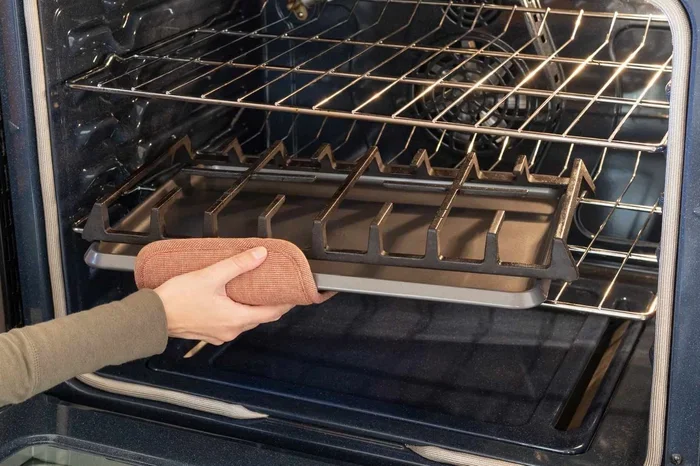
A convection oven uses a fan and exhaust system to circulate hot air around food. This constant flow of heat cooks food faster and more evenly than a standard oven. The result? Beautiful browning, crispy edges, and evenly cooked meals every time.
The Science Behind Convection Cooking
Traditional ovens rely on radiant heat from heating elements. Hot air rises, cool air sinks, and the cycle creates uneven temperature zones. A convection oven fixes this problem with a fan that actively moves the air.
This means no more hot spots. Your food cooks consistently from all sides. The fan also pushes away the thin layer of cool air that sits on the surface of food. This speeds up the cooking process significantly.
Most convection ovens let you toggle the fan on or off. When the fan is off, the oven behaves like a regular static oven. This gives you flexibility for different cooking methods.
What Foods Cook Best In A Convection Oven
Convection ovens shine with certain types of food. Here are some examples where they truly excel:
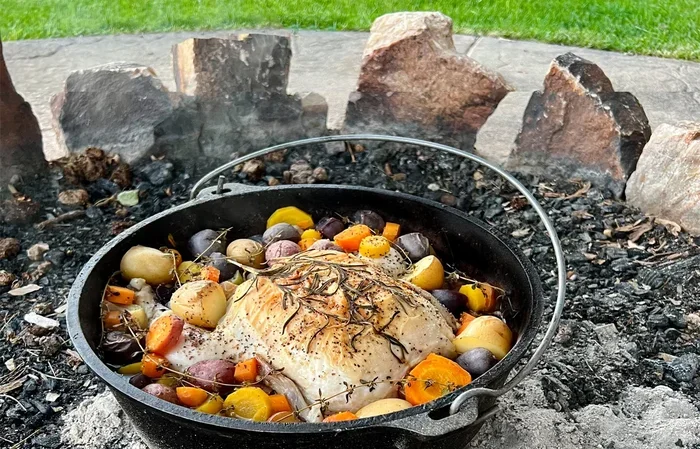
- Roasted vegetables: The hot air creates perfectly caramelized edges.
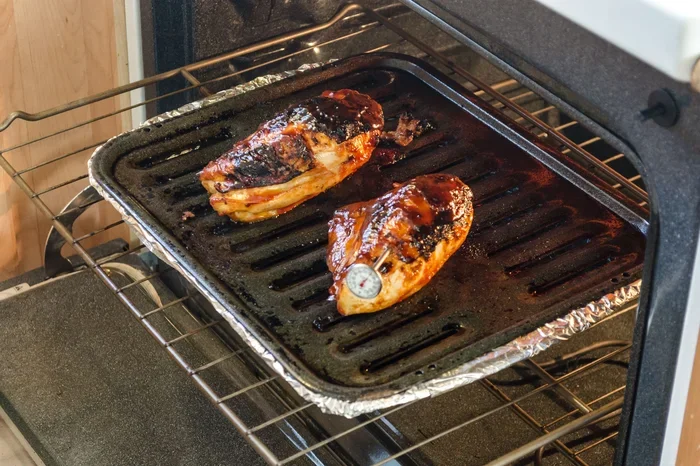
- Meat and poultry: Chicken skin gets crispy and golden every time.
- Baked goods: Cookies, pastries, and bread bake evenly without rotating pans.
- Pizza: The crust becomes crispy while the cheese melts perfectly.
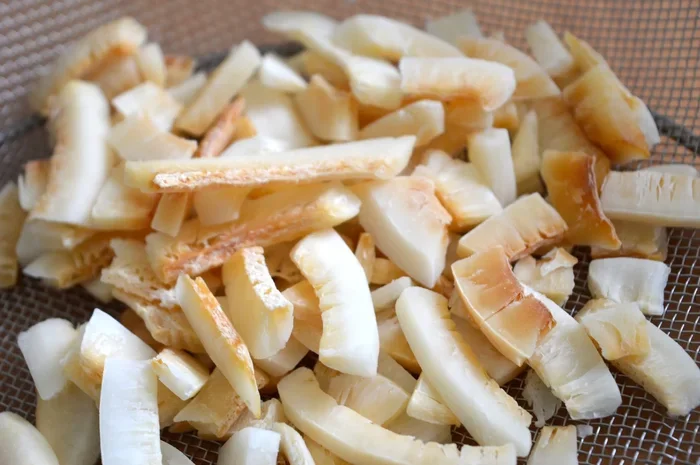
- Toast and dehydration: Fruits, jerky, and bread slices come out evenly dried.
The fan-driven hot air makes convection ovens ideal for any dish that benefits from a crispy or browned finish. This is something microwaves simply cannot do.
How A Microwave Works
A microwave oven works in a completely different way. Instead of using heat from outside, it uses electromagnetic waves to vibrate water molecules inside food. This friction generates heat from within the food itself.
The Unique Science Of Microwave Heating
Microwaves penetrate food and cause water molecules to spin rapidly. This rapid movement creates heat. Because the heat starts inside the food, cooking time is dramatically reduced.
This is why a microwave can heat a bowl of soup in two minutes. A convection oven would need fifteen to twenty minutes for the same task. The difference in heating speed is enormous.
However, this method has limitations. Microwaves heat unevenly because the waves do not penetrate food uniformly. That is why you often find a hot center with a cold edge in reheated meals.
What Foods Cook Best In A Microwave
Microwaves are perfect for specific kitchen tasks:
- Reheating leftovers: A plate of pasta or last night’s dinner comes together in minutes.
- Defrosting frozen food: Frozen vegetables, meat, and ready meals thaw quickly and safely.
- Steaming vegetables: A covered bowl with a little water creates perfect steam cooking.
- Making popcorn: The quick bursts of heat pop kernels evenly.
- Heating beverages: Coffee, tea, and hot cocoa are ready in seconds.
The microwave’s strength lies in speed and convenience. It is the ultimate time-saving appliance for everyday food preparation.
Key Differences Between Convection Ovens And Microwaves
Understanding the core differences helps you see why these two appliances serve different roles in the kitchen. Let us break down the most important distinctions.
Cooking Method And Technology
A convection oven uses external hot air circulated by a fan. A microwave uses internal energy waves that excite water molecules. These are fundamentally different approaches to cooking food. One heats from the outside in. The other heats from the inside out.
This difference affects everything from texture to taste. Convection ovens create browning and crisping. Microwaves soften and heat but rarely create texture changes.
Speed And Efficiency
When it comes to raw speed, the microwave wins every time. Reheating a cup of coffee takes seconds in a microwave. A convection oven would take much longer to preheat and then heat the same drink.
However, convection ovens cook full meals faster than traditional ovens. The fan-assisted hot air reduces overall cooking time by about 25 percent compared to static ovens.
Texture And Quality Of Food
This is where the two appliances differ the most. Convection ovens produce crispy, browned, and caramelized food. Microwaves often leave food soft, soggy, or steamed.
If you want crispy bacon, a convection oven is the clear winner. If you want a quick warm-up of yesterday’s pizza, the microwave is faster but the crust will be soft.
Energy Consumption
Microwaves use significantly less energy for small tasks. Heating a single meal in a microwave uses far less electricity than running a convection oven for the same item.
For larger meals or batch cooking, a convection oven can be more efficient overall. The key is matching the appliance to the task size.
What A Convection Oven Can Do That A Microwave Cannot
Can a convection oven replace a microwave for certain tasks? Absolutely. Here are the areas where a convection oven outshines a microwave entirely.
Browning And Crisping Food
Nothing beats a convection oven for creating a crispy exterior. Roast chicken with golden skin, crispy potato wedges, or perfectly browned casseroles — these are all results you simply cannot get from a microwave.
Microwaves steam food from the inside out. This means crispy textures disappear during microwave heating. A convection oven restores and creates those desirable textures.
Baking And Roasting
A convection oven is a true baking powerhouse. Cakes, muffins, cookies, and bread all bake beautifully with even heat distribution. The fan ensures consistent results across every tray.
Roasting large cuts of meat also benefits greatly. A convection oven circulates hot air around a whole turkey or roast, cooking it evenly and creating a flavorful brown crust.
Dehydrating And Toasting
Many convection ovens have dehydration settings. You can make fruit leather, beef jerky, dried herbs, and crispy kale chips. A microwave cannot do any of this.
Toasting nuts, seeds, and bread also works better in a convection oven. The even hot air creates consistent color and texture throughout.
Cooking Large Or Multiple Dishes
Convection ovens have much more interior space than microwaves. You can cook multiple dishes at once or prepare large meals for the whole family.
The ability to use different cookware — baking sheets, roasting pans, cake pans — adds enormous versatility. Microwaves are limited to microwave-safe containers and small dish sizes.
What A Microwave Can Do That A Convection Oven Cannot
Even with all its strengths, a convection oven has clear gaps. Here is where a microwave remains essential.
Speed Of Reheating
Nothing matches a microwave for reheating speed. A bowl of soup, a plate of rice, or a leftover sandwich is ready in under three minutes. A convection oven would require preheating and longer cooking time.
For busy mornings or quick lunches, the microwave’s speed is unmatched. This is the single biggest reason people keep microwaves even if they own excellent convection ovens.
Defrosting Frozen Items
Microwaves have dedicated defrost settings that use low power to thaw food safely. A convection oven can defrost food, but it often starts cooking the outer layers before the inside thaws.
This uneven defrosting can lead to partially cooked food. The microwave’s gentle, even thawing is much safer for raw meat and frozen vegetables.
Steaming And Soft Cooking
Some foods benefit from gentle, moist heat. Vegetables, fish, and eggs cook beautifully in a microwave with steam. The microwave preserves nutrients and texture in ways a convection oven cannot.
Steaming broccoli in a microwave takes four minutes and keeps it bright green and crisp. A convection oven would roast it, changing the texture and flavor entirely.
Melting And Warming Without Cooking
Melting butter, chocolate, or cheese is a breeze in a microwave. A convection oven would likely overheat or brown these items before they melt evenly.
Warming a baby bottle or a plate of baby food also works best in a microwave. The gentle, controlled heating protects delicate items from overheating.
Can You Really Replace A Microwave With A Convection Oven
This is the question most homeowners want answered. The honest truth is that it depends on your cooking habits and kitchen needs.
When A Convection Oven Can Work As Your Only Oven
If you rarely reheat leftovers and mostly cook from scratch, a convection oven can handle most of your needs. You would sacrifice speed for quality and texture. Many home cooks find this trade-off acceptable.
People who bake regularly, roast often, and enjoy crispy textures will find a convection oven satisfying as their primary oven. The ability to bake, roast, toast, and dehydrate covers a wide range of cooking tasks.
When You Still Need A Microwave
On the other hand, certain kitchen routines make a microwave essential. If you reheat food daily, defrost meat regularly, or heat beverages multiple times a day, a microwave saves significant time.
Families with young children often rely on microwaves for quick meals and warming bottles. The speed factor simply cannot be replicated by a convection oven.
The Middle Ground: Combination Appliances
There is a third option worth considering. Convection microwave combos combine both technologies in one countertop appliance. These units offer microwave speed and convection oven quality in a single package.
A combo unit can reheat soup in minutes and also roast chicken with a crispy finish. This is an excellent solution for kitchens with limited countertop space.
However, combo units often have smaller capacities than full-sized ovens. They also come at a higher price point. Consider your budget and space before investing in one.
Quick Tips For Deciding
Here are some practical tips to help you decide:
- Track your microwave usage for one week. Note every time you use it. This data reveals how essential it is to your routine.
- Consider your cooking style. Do you prefer homemade meals or quick reheated ones?
- Evaluate your kitchen space. Do you have room for two appliances or just one?
- Think about your budget. A quality convection oven costs more than a basic microwave.
- Try a combo unit first. If you are unsure, a convection microwave combo gives you the best of both worlds.
Common Mistakes People Make When Replacing A Microwave
Many homeowners make avoidable errors when trying to replace their microwave with a convection oven. Here are the most common pitfalls.
Underestimating Cooking Time
The biggest surprise is how much longer everything takes. What took two minutes in a microwave might take fifteen minutes in a convection oven. This adds up significantly over a week of daily use.
People who switch completely often feel frustrated by the slower pace. Planning ahead becomes necessary when you no longer have instant heating.
Ignoring Texture Differences
Reheated pizza in a convection oven can actually taste better than microwaved pizza. But reheated soup or pasta will taste different. The convection oven dries out foods that were meant to be moist and soft.
Understanding these texture changes helps you adjust your expectations. Not every meal will taste the same when switched from microwave to convection heating.
Overlooking The Convenience Factor
Microwaves are incredibly convenient. You can heat food in a safe container, eat it, and wash the container. Convection ovens require preheating, longer cooking, and sometimes multiple pans.
The convenience factor is real and often underestimated. People who miss their microwave often regret not keeping both appliances.
Buying The Wrong Convection Oven
Not all convection ovens are created equal. Some have weak fans that do not circulate air effectively. Others lack the temperature range needed for certain tasks.
Look for a convection oven with a strong fan, even heat distribution, and reliable temperature control. Reading reviews and checking expert ratings helps you choose the right model.
Expert Insights On Kitchen Appliance Choices
We spoke with kitchen appliance experts to get their take on the convection oven vs. microwave debate. Their advice confirms what our testing has shown.
Chef Maria Torres, a professional chef with over fifteen years of experience, shared this insight: “A convection oven and a microwave are not competitors. They are partners. Each excels at different tasks. The best kitchens have both.”
Appliance reviewer James Chen adds: “If you can only keep one, a convection oven is the more versatile choice. But you will lose the speed and convenience that a microwave provides. The trade-off is real.”
Most experts agree that the ideal kitchen setup includes both appliances. When space or budget forces a choice, understanding your daily cooking habits becomes the deciding factor.
Key Takeaways
- A convection oven cannot fully replace a microwave: Microwaves excel at speed and reheating, which convection ovens simply cannot match.
- Convection ovens offer superior browning and crispiness: They use hot air circulation for textures microwaves simply cannot achieve.
- Both appliances serve different cooking purposes: Understanding their strengths helps you decide what works best for your kitchen.
- Combination ovens exist as a middle ground: Convection microwave combos can handle both tasks in one unit.
- Countertop space matters: Replacing both appliances with one unit saves space but may limit versatility.
- Energy efficiency varies by task: Microwaves use less energy for small jobs, while convection ovens are better for larger meals.
- Consider your cooking habits first: Your daily kitchen routine should guide which appliance you keep or replace.
Final Verdict
Can a convection oven replace a microwave completely? The honest answer is no — not entirely. A convection oven is a powerful and versatile appliance that can handle baking, roasting, toasting, and dehydrating beautifully. It creates textures and flavors that a microwave simply cannot produce.
However, the microwave holds an unbeatable advantage in speed. Reheating, defrosting, steaming, and quick warming are tasks where nothing beats a microwave. These everyday functions are too important to ignore.
The best solution depends on your lifestyle. If you cook most meals from scratch and value texture over speed, you might manage with just a convection oven. But for most households, keeping both appliances delivers the best results.
If you must choose one, consider a convection microwave combo. This gives you the speed of a microwave and the cooking quality of a convection oven in a single unit. It is the perfect compromise for modern kitchens with limited space.
Ultimately, the right choice is the one that fits your cooking habits, your kitchen space, and your budget. Evaluate your needs honestly, and you will find the perfect setup for your home.
Frequently Asked Questions
Can you cook raw meat in a convection oven?
Yes, absolutely. Convection ovens cook raw meat beautifully, including chicken, beef, pork, and lamb. The circulating hot air creates an even sear and cooks the meat thoroughly. Always use a meat thermometer to ensure safe internal temperatures.
Is a convection oven better than a microwave for reheating food?
It depends on the food. Convection ovens reheat pizza, bread, and roasted items better because they restore crispiness. Microwaves are faster and better for soups, liquids, and soft foods. Each appliance has its strengths for reheating different dishes.
Can a convection microwave replace both a regular microwave and a convection oven?
Yes, a convection microwave combo can handle both tasks. It uses microwave technology for quick heating and convection mode for baking and roasting. However, combo units often have smaller capacities and may not match the performance of separate full-sized appliances.
Why does food taste different in a convection oven compared to a microwave?
The cooking method changes the food’s texture and moisture content. Microwaves heat water molecules, which can make food soggy. Convection ovens remove moisture through circulating hot air, creating browning and crispiness. These textural differences affect flavor perception.
Which appliance uses less electricity, a convection oven or a microwave?
A microwave uses significantly less electricity for small tasks like reheating a single meal. Convection ovens consume more power but are more efficient for cooking full meals or baking. The energy difference depends entirely on the task and duration.
How long does it take to learn to cook with a convection oven?
Most home cooks adjust within one to two weeks. The key differences are lower temperatures and shorter cooking times compared to a regular oven. Following recipe adjustments for convection cooking helps the transition go smoothly.
=== CONCLUSION ===
The question of whether can a convection oven replace a microwave completely does not have a simple yes or no answer. Each appliance brings unique strengths to the kitchen. A convection oven delivers superior cooking quality, browning, and versatility. A microwave provides unmatched speed and convenience for daily tasks.
Most kitchens benefit from having both appliances available. But if you must choose, understanding your cooking habits is the key to making the right decision. Consider what you cook most often, how much time you have, and what results matter most to you.
Whether you keep both or choose one, the goal is the same — making your time in the kitchen easier, faster, and more enjoyable. Choose the setup that fits your life, and your kitchen will thank you every single day.