Can You Bake Mayo In The Oven Everything You Need To Know
Yes, you can bake mayo in the oven — it is safe and creates a delicious golden crust on dishes. Mayo withstands moderate oven heat and works beautifully as a topping, binder, and flavor booster. Learn the right oven temperature for mayo, best practices, and easy recipes to try today.
Have you ever stood in front of your oven wondering if that jar of mayo can handle the heat? Maybe you are making a casserole, a sandwich bake, or a roasted dish and you are not sure if baking mayo is a good idea. You are not alone. This question pops up in kitchens all the time, and the answer might surprise you.
The short answer is yes. You absolutely can bake mayo in the oven. Mayo is more heat-resistant than most people think. It creates a gorgeous golden crust, adds richness, and keeps dishes moist. Whether you are a beginner cook or a seasoned home chef, understanding how mayo behaves in the oven opens up a world of easy, delicious meals.
In this guide, we will cover everything you need to know. We will talk about safe temperatures, timing, tips, and common mistakes. By the end, you will feel confident using mayo in your oven-baked recipes. So let us dive right in.
Key Takeaways
- Mayo is oven-safe: It can handle moderate heat without breaking down or burning.
- Ideal temperature range: Bake mayo-based dishes between 350°F and 400°F for best results.
- Mayo creates a golden crust: It browns beautifully, making it a great alternative to butter or oil.
- Use quality mayo: Homemade or fresh store-bought mayo performs better in the oven than older batches.
- Watch your timing: Overbaking can cause mayo to separate or turn brown too quickly.
- Versatile ingredient: Mayo works in casseroles, sandwiches, dips, and roasted vegetables.
📑 Table of Contents
- What Happens When You Bake Mayo
- Is It Safe to Bake Mayo
- The Best Oven Temperature for Baking Mayo
- Easy Recipes Using Baked Mayo
- Tips for Perfectly Baked Mayo Every Time
- Mayo vs. Other Toppings for Oven Dishes
- Can You Bake Different Types of Mayo in the Oven
- Expert Tips for Getting the Most Out of Baked Mayo
- Final Thoughts on Baking Mayo in the Oven
What Happens When You Bake Mayo
Mayo is an emulsified sauce made from oil, egg yolks, and an acid like vinegar or lemon juice. When you heat it, the emulsion can change. But here is the good news. At moderate oven temperatures, mayo holds together really well. It does not separate or curdle the way you might expect.
As mayo heats up, the water content evaporates slowly. The oil and egg components brown and form a crispy, golden layer on top. This is exactly why oven-baked mayo tastes so good. It adds a toasted flavor that butter or oil simply cannot match.
At very high temperatures, mayo can break. The oil may separate from the egg. But this only happens if you crank the oven way up or bake for too long. Keeping the heat moderate and the timing right prevents this problem entirely.
The Science Behind Mayo in Heat
Let us keep this simple. Mayo is mostly oil held together by egg proteins. When heat is applied gently, the egg proteins set and create a stable structure. The oil stays trapped inside. This is why heated mayo does not turn into a greasy mess in the oven.
Think of it like baking a cake. The ingredients change with heat, but they come together into something new and wonderful. Mayo does the same thing. It transforms from a creamy sauce into a slightly crisp, flavorful topping. It is really quite magical if you think about it.
Is It Safe to Bake Mayo
This is the question most people ask first, and for good reason. Mayo contains raw egg yolks, and raw eggs can carry bacteria like salmonella. So it is natural to worry about is mayo safe in oven conditions.
Here is what you need to know. Commercial mayo uses pasteurized eggs. Pasteurization kills harmful bacteria. So store-bought mayo is safe to bake with. Even homemade mayo is safe as long as you use fresh, clean eggs and bake the dish to a proper internal temperature.
The USDA recommends cooking eggs to an internal temperature of 160°F. When you bake a dish with mayo at 350°F or higher for a reasonable amount of time, the mayo reaches this safe temperature. You do not need to worry. Your oven-baked mayo dish is perfectly safe to eat.
If you want extra peace of mind, you can always use pasteurized eggs to make your own mayo. This removes any doubt and lets you bake with confidence.
Mayo and Food Safety Myths
There is a common myth that mayo spoils easily and should never be heated. This comes from the old belief that raw eggs in mayo make it dangerous. In reality, the acid in mayo (vinegar or lemon juice) actually helps slow bacterial growth. Combined with oven heat, bake with mayo is one of the safest cooking methods for this ingredient.
Another myth is that mayo burns instantly in the oven. This is not true either. Mayo browns slowly and evenly at normal baking temperatures. It only burns if you leave it in too long or set the oven way too high. So do not let these myths stop you from using mayo in your next oven recipe.
The Best Oven Temperature for Baking Mayo
Getting the temperature right is the key to perfect mayo baking results. Too low and the mayo will not brown properly. Too high and it can dry out or separate.
The sweet spot is between 350°F and 400°F. At this range, the mayo warms through, sets nicely, and develops a beautiful golden color. Most mayo oven recipes work best right in this zone.
Here is a quick guide to help you choose the right temperature for different dishes.
- 350°F: Best for casseroles and slow-baked dishes. The mayo browns gently and stays creamy underneath.
- 375°F: Great for sandwiches, toasties, and baked pasta. The top gets crispy without overcooking.
- 400°F: Ideal for roasted vegetables and quick-bake recipes. The mayo caramelizes faster and adds a nice crunch.
Always preheat your oven before baking. A hot oven from the start helps the mayo set evenly. If you place a mayo-topped dish into a cold oven, the heating process is uneven, and you may get a soggy result.
Can You Use a Higher Temperature?
You can go above 400°F, but be careful. At 425°F and above, the mayo can brown too fast. The outside might burn while the inside stays cold. If you need a higher temperature, keep a close eye on the dish. Use the broiler for just the last minute or two if you want extra browning.
Also, remember that the thickness of the mayo layer matters. A thin spread browns faster than a thick layer. Adjust your temperature and time accordingly. A thin layer of oven-baked mayo at 400°F might only need a few minutes, while a thick casserole could take 20 to 30 minutes.
Easy Recipes Using Baked Mayo
Now that you know the basics, let us get into the fun part. Here are some simple and delicious ways to use baked mayo in your kitchen.
Mayo-Topped Baked Potatoes
This is one of the easiest and most popular ways to use mayo in the oven. Cut a potato in half, scoop out some of the inside, and mix it with mayo, cheese, and your favorite seasonings. Put the mixture back into the potato shell and bake at 375°F for about 20 minutes. The top turns golden and crispy, and the inside stays creamy and rich.
You can also brush whole baked potatoes with a thin layer of mayo before baking. This creates a skin that is crispy on the outside and fluffy on the inside. It is a game-changer for plain baked potatoes.
Mayo Casserole Dishes
Casseroles are where bake mayo recipe ideas really shine. Mayo works as a creamy binder that holds everything together. Try mixing mayo with cooked pasta, vegetables, cheese, and herbs. Pour it into a baking dish, top with more cheese, and bake at 350°F for 25 minutes.
The result is a comforting, creamy dish with a golden crust on top. You can use any combination of vegetables, proteins, or grains. Mayo makes the sauce rich without adding extra cream or butter.
If you enjoy mayo casserole recipes, you can also fold in tuna, chicken, or ham for a heartier meal. The mayo keeps the casserole moist even after baking for a longer time.
Baked Mayo Sandwiches and Toasties
Spread mayo on bread, add your fillings, and pop the sandwich in the oven or toaster oven. The mayo melts and browns, creating a crispy exterior and a warm, gooey inside. This works wonderfully with cheese, ham, turkey, or grilled vegetables.
For an extra twist, mix mayo with mustard or herbs before spreading it on the bread. This adds flavor and helps the top layer brown evenly. It is a quick and satisfying meal that the whole family will love.
Roasted Vegetables with Mayo
Toss vegetables like broccoli, carrots, or Brussels sprouts in a light coating of mayo before roasting. Bake at 400°F for 20 to 25 minutes. The mayo caramelizes on the outside, adding a savory, slightly sweet flavor. The vegetables stay tender inside.
This method is especially great for kids who do not love plain roasted veggies. The mayo adds a creamy, familiar flavor that makes vegetables more appealing. It is a sneaky way to get more nutrition on the plate.
Tips for Perfectly Baked Mayo Every Time
Getting great results with baking mayo is easy when you follow a few simple tips. Here are the best practices to keep in mind.
- Use fresh mayo: Fresh mayo emulsifies better and holds up well in the oven. Old or separated mayo will not perform as nicely.
- Spread evenly: A thin, even layer browns more consistently than a thick clump. Use a spatula or the back of a spoon to spread it smooth.
- Cover if needed: If your dish has other ingredients that need more time to cook, cover the dish with foil for the first part of baking. Remove the foil at the end to let the mayo brown.
- Watch the color: Mayo goes from golden to brown very quickly once it starts browning. Check the dish a few minutes before the recipe suggests.
- Let it rest: After baking, let the dish sit for a few minutes. The mayo sets as it cools slightly, making it easier to serve.
These tips apply whether you are making a simple potato bake or a complex casserole. They help you avoid the most common problems and get restaurant-quality results at home.
Common Mistakes to Avoid
Even with the best intentions, people make mistakes when baking with mayo. Here are the ones to watch out for.
- Using too much mayo: A thick layer takes longer to heat through and can turn greasy. Less is more in most cases.
- Baking at too high a temperature: High heat burns the outside before the inside is warm. Stick to 350°F to 400°F for even cooking.
- Not checking on the dish: Mayo browns fast in the last few minutes. Set a timer and check frequently.
- Using expired mayo: Old mayo does not hold its emulsion well. It can separate in the oven and affect the flavor. Always check the expiration date.
- Skipping the preheat: Putting a mayo dish into a cold oven leads to uneven cooking and a soggy top.
Avoid these mistakes and your oven-baked mayo dishes will turn out perfectly every single time.
Mayo vs. Other Toppings for Oven Dishes
Mayo is not the only option for topping oven-baked dishes. Let us compare it with some common alternatives so you can decide what works best for you.
| Topping | Browning | Flavor | Ease of Use | Best For |
|---|---|---|---|---|
| Mayo | Even golden crust | Rich, creamy, mild | Very easy to spread | Casseroles, potatoes, sandwiches |
| Butter | Fast, can burn | Rich, nutty | Easy to melt | Bread, pastries, vegetables |
| Olive Oil | Light sheen | Fruity, mild | Quick drizzle | Roasted vegetables, bread |
| Sour Cream | Moderate browning | Tangy, creamy | Needs careful timing | Baked potatoes, dips |
| Cheese | Melts and browns | Savory, sharp | Easy to sprinkle | Pasta, casseroles, sandwiches |
Mayo stands out for its ease of use and consistent browning. It is simpler to spread than butter and more forgiving than sour cream. While cheese adds a stronger flavor, baked mayo provides a mild, creamy base that lets other ingredients shine.
If you want the best of both worlds, try combining mayo with a sprinkle of cheese. The mayo keeps the dish moist while the cheese adds flavor and extra browning. This combination works wonders on casseroles, baked pasta, and potato dishes.
Can You Bake Different Types of Mayo in the Oven
Not all mayo is the same, and different types can behave slightly differently in the oven. Here is what you need to know about the most common varieties.
Homemade Mayo
Homemade mayo oven recipes work great, but the results depend on the ingredients you use. Homemade mayo with fresh egg yolks and quality oil emulsifies beautifully and holds up well in moderate heat. The flavor is often richer than store-bought, which makes homemade mayo a favorite for baking.
If you make your own mayo, use it within a week for the best baking results. Older homemade mayo can separate more easily when heated.
Store-Bought Mayo
Most commercial mayo baking products are designed to be shelf-stable and perform well in heat. They contain stabilizers that help them hold their structure in the oven. Whether you use classic, light, or flavored mayo, all of them can be baked successfully.
Light mayo has less oil, so it may brown faster. Flavored mayo (like garlic or chipotle) adds an extra dimension to baked dishes. Experiment with different types to find your favorite combination.
Vegan Mayo
Vegan mayo is made without eggs, using ingredients like soy milk or aquafaba. It bakes just as well as regular mayo. The browning might be slightly different because there are no egg proteins, but the results are still delicious. Vegan mayo is a great option for plant-based diets and allergy-friendly cooking.
Expert Tips for Getting the Most Out of Baked Mayo
Want to take your mayo oven recipes to the next level? Here are some expert insights that professional cooks swear by.
- Mix mayo with herbs: Stir fresh herbs like dill, parsley, or chives into the mayo before spreading it on your dish. The herbs infuse the mayo as it bakes, adding fresh flavor.
- Add a squeeze of lemon after baking: Fresh lemon juice on top of warm baked mayo brightens the flavor and adds a nice contrast to the rich, creamy texture.
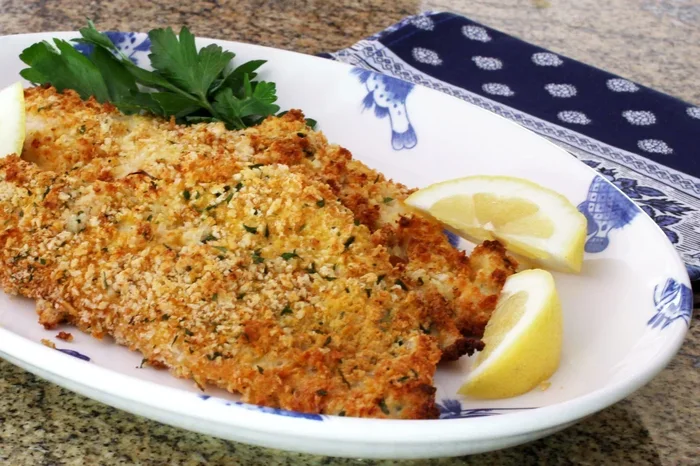
- Use mayo as a marinade base: Mix mayo with spices and brush it on chicken or fish before baking. It keeps the meat juicy and creates a flavorful crust.
- Combine with mustard: A mix of mayo and Dijon mustard makes an excellent baking spread. It adds tang and depth to sandwiches and casseroles.
These small tweaks make a big difference. They turn simple oven-baked dishes into something truly special. Once you start using these tips, you will wonder how you ever baked without them.
Final Thoughts on Baking Mayo in the Oven
So, can you bake mayo in the oven? Absolutely. It is safe, easy, and produces fantastic results. Mayo creates a golden, crispy crust that elevates simple dishes into something memorable. Whether you are baking potatoes, making casseroles, or roasting vegetables, baked mayo is a versatile and delicious tool to have in your kitchen.
Remember to keep your oven temperature between 350°F and 400°F, use fresh mayo, and watch your timing. Avoid common mistakes like using too much mayo or skipping the preheat. With these tips, you will bake with mayo like a pro.
Now it is your turn. Grab a jar of mayo, pick a recipe, and get baking. You will be amazed at how one simple ingredient can transform your oven dishes. Happy cooking!
For more oven tips and recipes, check out our guide on how to cook stuffed rouladen in the oven for another delicious way to use your oven. Also, learn if it is safe to put a pizza box in the oven for important food safety tips. And if you love oven cooking, explore how to make a tandoori oven at home for incredible Indian-inspired dishes.
Frequently Asked Questions
Can you bake mayo in the oven safely?
Yes, baking mayo in the oven is completely safe. Commercial mayo uses pasteurized eggs, and the heat of the oven brings the dish to a safe internal temperature. As long as you bake at 350°F or higher for a reasonable time, the mayo is safe to eat.
What temperature should you bake mayo at?
The best temperature range for baking mayo is 350°F to 400°F. This range allows the mayo to warm through, set properly, and develop a golden crust without burning or separating.
Does mayo burn in the oven?
Mayo can burn if the oven is too hot or if you bake it for too long. At moderate temperatures and with proper timing, mayo browns evenly and beautifully. Always keep an eye on your dish during the last few minutes of baking.
Can you use homemade mayo for baking?
Yes, homemade mayo works great for baking. Just make sure it is fresh and well-emulsified. Homemade mayo with quality ingredients holds up well in the oven and adds a richer flavor compared to some store-bought options.
What dishes work best with baked mayo?
Baked potatoes, casseroles, sandwiches, toasties, and roasted vegetables all work wonderfully with baked mayo. Mayo acts as a creamy binder, a flavorful topping, and a moisture-keeper in all of these dishes.
How long can you bake a dish with mayo in the oven?
Most dishes with bake mayo take between 15 and 30 minutes at 350°F to 400°F. Thicker layers need more time, while thin spreads brown quickly. Always check the dish a few minutes before the suggested time to prevent over-baking.