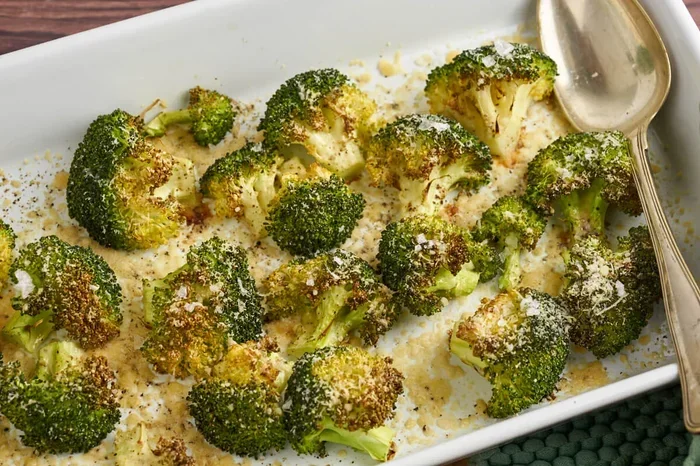
How Long to Roast Broccoli in Oven at 400 Degrees
Learning how long to roast broccoli in oven at 400 degrees is simple and rewarding. Most broccoli florets need about 20 to 25 minutes at this temperature to turn crispy and golden. The key is to spread them in a single layer and not overcrowd the pan. This guide covers timing, temperature tips, seasoning ideas, and common mistakes so you get perfect results every time.
There is something truly satisfying about a tray of roasted broccoli in oven at 400 coming out of the kitchen. The edges turn crispy and slightly charred. The centers stay tender and bright green. It is one of those simple side dishes that elevates any meal.
If you have ever wondered how long to roast broccoli in oven at 400 degrees, you are in the right place. This guide walks you through everything from timing and temperature to seasoning and common mistakes. Whether you are a beginner cook or someone looking to perfect your technique, you will find practical advice here.
Roasting broccoli is one of the easiest ways to cook this nutritious vegetable. Unlike boiling, which can leach out nutrients, roasting locks in flavor and texture. The high heat of the oven caramelizes the natural sugars in the broccoli. This creates a depth of flavor that is hard to beat. And the best part? It takes very little effort.
The short answer to how long to roast broccoli in oven at 400 degrees is about 20 to 25 minutes. But the full picture is a bit more detailed. Several factors affect the final cook time. These include the size of your broccoli florets, how fresh they are, how thick your oven rack is positioned, and whether you like them more crispy or more tender. We will cover all of this in the sections below.
Before we dive into timing, let us talk about why 400 degrees Fahrenheit is the go-to temperature for roasting broccoli. This temperature is high enough to create a beautiful sear on the outside. Yet it is not so high that the outside burns before the inside cooks through. It strikes the perfect balance between crispy broccoli edges and a tender, vibrant center. Most professional chefs and home cooks agree that 400°F is the ideal oven temperature for this vegetable.
Key Takeaways
- Roast Time: Most broccoli takes 20 to 25 minutes at 400°F, but size and freshness matter.
- Temperature Matters: 400 degrees is the sweet spot for crispy edges and tender centers.
- Preparation Is Key: Dry the broccoli, use enough oil, and spread florets in a single layer.
- Seasoning Options: Garlic, parmesan, lemon, and chili flakes all pair beautifully with roasted broccoli.
- Common Mistakes: Overcrowding the pan, skipping the dry step, and using too much oil lead to soggy results.
- Health Benefits: Roasted broccoli retains most nutrients and becomes more flavorful, making it a great side dish.
📑 Table of Contents
- How Long to Roast Broccoli in Oven at 400 Degrees
- Step-by-Step Instructions for Perfect Roasted Broccoli
- Tips for the Best Crispy Broccoli
- Common Mistakes to Avoid When Roasting Broccoli
- Seasoning Ideas and Flavor Variations
- Health Benefits of Roasted Broccoli
- How to Store and Reheat Leftover Roasted Broccoli
- Quick Tips for Roasting Broccoli Perfectly
- Conclusion
How Long to Roast Broccoli in Oven at 400 Degrees
The standard roast time for broccoli at 400 degrees is 20 to 25 minutes. But this is just the starting point. Your actual time may vary based on a few key factors.
Factors That Affect Roast Time
Not all broccoli is the same. Several things influence how long your broccoli needs in the oven:
- Floret Size: Small, bite-sized florets cook faster, often in 18 to 20 minutes. Large, thick stalks need closer to 25 to 30 minutes.
- Freshness: Very fresh broccoli with firm stalks roasts more evenly. Older or wilted broccoli may cook faster but can also dry out quickly.
- Oven Accuracy: Some ovens run hot or cold. An oven thermometer can help you know the true temperature inside.
- Pan Type: A dark, heavy baking sheet absorbs more heat and can speed up cooking. A light-colored sheet pan may take a few extra minutes.
- Crowding: Overcrowded broccoli steams instead of roasts. This adds time and results in a softer texture rather than crispy roasted broccoli.
Visual and Texture Cues
Time is a guide, not a strict rule. The best way to know if your broccoli is done is to look and feel it. Here are the signs to watch for:
- The edges should be golden brown or slightly charred.
- The florets should feel tender when pierced with a fork.
- The stalks should be easy to bite through but not mushy.
- There should be a slight crispness to the outside.
If you prefer your oven roasted broccoli very crispy, push the time to 28 or even 30 minutes. Just keep an eye on it to prevent burning. If you like it more tender, pull it out at 18 to 20 minutes.
Step-by-Step Instructions for Perfect Roasted Broccoli
Now that you know the timing, let us walk through the process step by step. Following these steps will help you achieve consistently great results every time you roast broccoli.
Step 1: Preheat Your Oven
Start by preheating your oven to 400 degrees Fahrenheit. Give it at least 15 to 20 minutes to reach the right temperature. A fully preheated oven is essential for even roasting. If you put broccoli in a cold oven, it will cook unevenly and take longer overall.
Step 2: Wash and Dry the Broccoli
This step is more important than most people realize. Wash your broccoli under cool water to remove any dirt or residue. Then, dry it thoroughly. Use a salad spinner or pat the florets dry with a clean kitchen towel. Moisture is the enemy of crispy roasted broccoli. Wet broccoli will steam in the oven instead of roasting, leading to soggy results.
Step 3: Cut into Even Pieces
Break the broccoli into florets of roughly the same size. This ensures even cooking. If you have thick stalks, you can peel them and cut them into bite-sized rounds too. The stalks are delicious when roasted and should not be wasted.
Step 4: Season Generously
Place the broccoli in a large bowl. Add olive oil, salt, and any other seasonings you like. Toss well to coat every floret evenly. The oil helps conduct heat and promotes browning. It also helps the seasonings stick to the surface.
Step 5: Spread on the Baking Sheet
Arrange the broccoli in a single layer on your baking sheet. Leave space between each piece. Do not crowd the pan. Overcrowding is one of the most common reasons broccoli does not roast properly. If you have a lot of broccoli, use two sheets or work in batches.
Step 6: Roast and Check
Put the baking sheet in the oven on the middle rack. Set a timer for 20 minutes. At the 15-minute mark, open the oven and give the pan a shake or flip the florets with a spatula. This helps them cook evenly. Check for doneness at the 20-minute mark and continue roasting if needed.
Step 7: Serve Immediately
Roasted broccoli is best served right away while it is still warm and crispy. It makes an excellent side dish for grilled chicken, roast beef, pasta, or rice bowls. You can also add it to salads or grain bowls for extra nutrition and flavor.
Tips for the Best Crispy Broccoli
Getting the perfect texture is all about small details. These tips will take your roasted broccoli from good to great.
Use Enough Oil
Do not be shy with the olive oil. Too little oil means the broccoli will dry out and burn. Too much oil makes it greasy. A good rule of thumb is about one to two tablespoons of olive oil for a standard head of broccoli. Toss the florets until they are evenly coated but not swimming in oil.
Don’t Skip the Drying Step
We mentioned this earlier, but it deserves emphasis. Drying the broccoli thoroughly after washing is one of the biggest secrets to crispy results. Surface moisture creates steam in the oven, which prevents browning and crisping.
Use Parchment Paper or a Silicone Mat
Lining your baking sheet with parchment paper or a silicone baking mat prevents sticking. It also makes cleanup much easier. Some people like to roast directly on the bare sheet pan for extra browning, but parchment is more forgiving for beginners.
Rotate the Pan Halfway Through
Ovens often have hot spots. Rotating your baking sheet halfway through cooking ensures all the broccoli gets equal exposure to heat. This simple step can make a big difference in how evenly your broccoli roasts.
Let the Oven Do the Work
Resist the urge to open the oven door too often. Every time you open the door, heat escapes and the oven temperature drops. This can extend cooking time and affect the final texture. Trust the process and check only at the midpoint and at the end.
High Heat Roasting for Extra Crispiness
If you love extra crispy broccoli, you can increase the oven temperature to 425 or even 450 degrees. Just reduce the cooking time slightly and watch carefully. Higher heat accelerates the Maillard reaction, which is the chemical process that creates browning and complex flavors in roasted vegetables.
Common Mistakes to Avoid When Roasting Broccoli
Even experienced cooks make mistakes with roasted broccoli. Knowing what to avoid saves time and frustration.
Overcrowding the Pan
This is the number one mistake people make. When broccoli florets are packed too closely together, they steam instead of roast. The result is pale, soft broccoli rather than the crispy, golden roasted broccoli you are aiming for. Give each piece room to breathe.
Not Seasoning Properly
Broccoli is mild in flavor and benefits greatly from seasoning. Plain broccoli with just salt is fine, but adding garlic powder, smoked paprika, or red pepper flakes takes it to the next level. Season the broccoli before it goes in the oven so the flavors have time to penetrate.
Using Frozen Broccoli Without Adjusting
Frozen broccoli can work well for roasting, but it needs different handling. Frozen broccoli contains more moisture, so you need to pat it very dry before seasoning. Also, frozen broccoli may need a few extra minutes in the oven compared to fresh broccoli.
Ignoring the Stalks
Many people throw away the broccoli stalks, but they are delicious when roasted. The stalks are crunchy, mildly sweet, and full of nutrients. Simply peel off the tough outer layer and slice them into thin rounds. They roast at about the same time as the florets.
Taking It Out Too Early or Too Late
Timing matters. Taking broccoli out too early leaves it undercooked and somewhat raw-tasting. Taking it out too late results in burnt, bitter broccoli. Use the visual cues described earlier and check for doneness frequently toward the end of cooking.
Seasoning Ideas and Flavor Variations
One of the best things about roasted broccoli is how versatile it is. You can change the flavors completely with different seasonings. Here are some popular combinations to try.
Classic Garlic Parmesan
Toss the broccoli with olive oil, minced garlic, salt, and pepper. Roast as usual, then sprinkle with grated parmesan cheese right when it comes out of the oven. The heat melts the cheese slightly, creating a delicious golden crust.
Lemon Herb
Add lemon zest and a squeeze of fresh lemon juice after roasting. Toss with dried herbs like thyme or rosemary. This combination brings a bright, fresh flavor that pairs well with fish and chicken.
Spicy Chili Lime
For a kick, toss the broccoli with chili flakes, a pinch of cumin, and a squeeze of lime juice after roasting. This is a great option for those who enjoy a little heat in their roasted vegetables.
Soy Ginger
Mix a splash of soy sauce, a teaspoon of grated ginger, and a drizzle of sesame oil. Toss with the broccoli before roasting. This Asian-inspired flavor profile adds an umami depth that is incredibly satisfying.
Simple Salt and Pepper
Sometimes less is more. A generous sprinkle of flaky sea salt and freshly cracked black pepper is all you need to let the natural flavor of the broccoli shine through.
Health Benefits of Roasted Broccoli
Roasted broccoli is not just delicious. It is also packed with nutrients that support good health. Understanding these benefits can motivate you to include this vegetable in your meals more often.
Rich in Vitamins and Minerals
Broccoli is an excellent source of vitamin C, vitamin K, and folate. It also provides a good amount of potassium and fiber. Roasting broccoli at 400 degrees helps preserve most of these nutrients better than boiling does.
High in Antioxidants
Broccoli contains powerful antioxidants like sulforaphane and beta-carotene. These compounds help fight oxidative stress in the body. Regular consumption of broccoli has been linked to reduced risk of chronic diseases.
Supports Digestive Health
The fiber content in broccoli supports healthy digestion. A serving of roasted broccoli can contribute significantly to your daily fiber needs. This helps maintain regular bowel movements and supports gut health.
Low in Calories, High in Nutrients
Broccoli is one of those rare vegetables that is low in calories but high in nutrition. A cup of roasted broccoli has roughly 55 calories. This makes it an excellent choice for anyone watching their calorie intake while still wanting nutrient-dense food.
Boosts Immune Function
The vitamin C and other immune-supporting compounds in broccoli help strengthen your body’s natural defenses. Including roasted broccoli as a regular part of your diet can contribute to overall immune health.
How to Store and Reheat Leftover Roasted Broccoli
If you have leftovers, proper storage and reheating can help maintain the quality of your roasted broccoli.
Storing Roasted Broccoli
Let the broccoli cool completely before storing. Place it in an airtight container and refrigerate. Properly stored roasted broccoli stays good for 3 to 4 days in the fridge. Do not store it while it is still warm, as this creates condensation and can make it soggy.
Reheating Tips
The best way to reheat roasted broccoli is in a hot oven or toaster oven. Set the temperature to 375 degrees and reheat for 5 to 8 minutes. This helps restore the crispy texture. Avoid microwaving if possible, as it tends to make the broccoli limp and soggy. If you must use a microwave, do so in short bursts and spread the broccoli out in a single layer.
Quick Tips for Roasting Broccoli Perfectly
- Always preheat the oven before adding the broccoli.
- Dry the florets thoroughly after washing.
- Use a rimmed baking sheet to prevent oil spills.
- Toss the broccoli halfway through cooking for even browning.
- Season after roasting if you prefer a brighter, more distinct flavor.
- Buy fresh broccoli with firm, dark green florets for the best results.
- Experiment with different seasonings to keep this side dish exciting.
Conclusion
Learning how long to roast broccoli in oven at 400 degrees is a simple skill that pays off in a big way. The sweet spot is 20 to 25 minutes at 400°F, but you should always let visual cues guide you. Crispy golden edges and tender centers tell you the broccoli is done. By following the steps outlined in this guide, you can enjoy perfectly roasted broccoli every single time.
Remember to dry your broccoli, use enough oil, and avoid overcrowding the pan. These small habits make a huge difference. Try different seasoning combinations to discover your favorite flavors. Whether you keep it simple with salt and pepper or go bold with garlic parmesan, roasted broccoli is a versatile, nutritious, and delicious addition to any meal.
Now that you have all the information you need, it is time to get cooking. Preheat that oven, grab some fresh broccoli, and enjoy the process. Once you master this basic technique, you will wonder how you ever ate broccoli any other way. Happy roasting!
Frequently Asked Questions
Can I roast broccoli at a lower temperature than 400 degrees?
Yes, you can roast broccoli at 375 degrees, but it will take longer, usually about 25 to 30 minutes. The lower temperature results in less crispy edges and a softer overall texture. If you prefer tender roasted broccoli over crispy, a slightly lower temperature works well.
Should I use fresh or frozen broccoli for roasting?
Fresh broccoli is generally the best choice for roasting because it has less moisture and roasts more evenly. However, frozen broccoli can work too if you pat it very dry before seasoning. Frozen broccoli may need a few extra minutes in the oven and might not get quite as crispy.
Can I roast the whole broccoli head without cutting it?
You can, but it will take significantly longer. A whole head of broccoli roasted at 400 degrees may need 35 to 45 minutes. Cutting it into florets ensures more even cooking and better browning. The florets also have more surface area, which creates more crispy edges.
Is roasted broccoli still healthy compared to raw broccoli?
Yes, roasted broccoli is still very healthy. Roasting preserves most of the vitamins and antioxidants. Some nutrients like vitamin C may decrease slightly with high heat, but the overall nutritional profile remains excellent. Plus, roasting makes broccoli more flavorful, which can encourage you to eat more of it.
What is the best oil to use for roasting broccoli?
Extra virgin olive oil is the most popular and flavorful choice for roasting broccoli. Avocado oil is another great option because it has a high smoke point and a neutral taste. Avoid using butter for high-heat roasting as it can burn at 400 degrees.
How do I know if my broccoli is done roasting?
Your broccoli is done when the edges are golden brown and slightly charred, the florets are tender when pierced with a fork, and the stalks are easy to bite through. If you like it crispier, roast for a few extra minutes. Always check at the 20-minute mark and adjust from there.