How Long To Cook Pinwheel Steaks In The Oven At Home
Cooking pinwheel steaks in the oven takes about 20 to 30 minutes at 400°F, depending on thickness and desired doneness. This guide covers everything you need to know, from prep and seasoning to checking internal temperature and slicing. You will learn how to make restaurant-quality pinwheel steaks right in your home oven with simple ingredients and clear instructions.
There is something truly special about a perfectly cooked steak at home. And if you have never tried pinwheel steaks in the oven, you are missing out. These rolled, stuffed steaks look impressive but are surprisingly easy to make. Whether you are feeding a family of four or hosting a dinner party, this cut delivers big flavor with minimal fuss.
The biggest question most home cooks ask is, “How long to cook pinwheel steaks in oven?” The answer depends on a few factors, but it is simpler than you might think. In this guide, we will walk you through every step. You will learn the right oven temperature for steak, how to prep your meat, and how to get that perfect pink center every single time.
Key Takeaways
- Cook Time: Most pinwheel steaks need 20 to 30 minutes in a preheated 400°F oven.
- Internal Temperature: Aim for 135°F for medium-rare, 145°F for medium, and 155°F for well-done.
- Resting Matters: Always let your steak rest for 5 to 10 minutes after cooking for juicier results.
- Prep Is Key: Properly rolling and securing the steak with kitchen twine ensures even cooking.
- Season Simply: Salt, pepper, garlic, and herbs are all you need for a flavorful oven-baked steak.
- Searing First: A quick sear before baking adds a beautiful crust and locks in moisture.
- Use a Meat Thermometer: This is the single best tool for perfectly cooked stuffed steak every time.
📑 Table of Contents
- What Are Pinwheel Steaks and Why Cook Them in the Oven?
- How to Prepare Pinwheel Steaks for the Oven
- Oven Temperature and Timing Guide
- Step-by-Step Pinwheel Steak Cooking Instructions
- How to Tell When Pinwheel Steaks Are Done
- Tips for Perfect Pinwheel Steaks Every Time
- Serving Suggestions for Pinwheel Steaks
- Storing and Reheating Leftover Pinwheel Steaks
- Frequently Asked Questions
- Conclusion
What Are Pinwheel Steaks and Why Cook Them in the Oven?
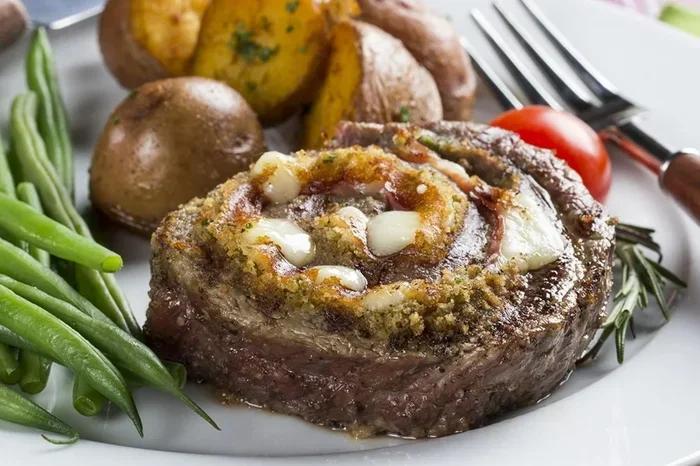
Pinwheel steaks are a creative cut of beef made by slicing a thick steak almost all the way through, then rolling it around a filling. Common fillings include cheese, spinach, sun-dried tomatoes, and herbs. The result is a beautiful spiral cross-section that looks stunning on the plate. People also call this cut a beef roulade or stuffed steak.
Cooking pinwheel steaks in the oven works so well because the even heat surrounds the meat on all sides. Unlike grilling, where hot spots can cause uneven cooking, your oven delivers consistent warmth. This makes it easier to hit the exact pinwheel steak internal temperature you want. The oven also frees up your stovetop for side dishes like roasted vegetables or mashed potatoes.
Why the Oven Beats Other Methods
You might wonder why not just pan-sear or grill these steaks. Those methods work great too, but they come with challenges. A grill can cause the filling to leak out as the steak cooks. A pan requires constant attention and flipping. The oven, on the other hand, lets you set it and forget it. You get a hands-off cooking experience that still produces restaurant-quality results.
The oven-baked steak method also makes it easy to cook multiple steaks at once. If you are feeding a crowd, you can place several pinwheels on a single baking sheet. They all cook evenly without needing extra attention. This scalability is one of the biggest advantages of using your oven for this recipe.
How to Prepare Pinwheel Steaks for the Oven
Good preparation sets you up for success. Before you even think about the oven, you need to prep your steak properly. This step is where the magic really begins.
Choosing the Right Cut
Not all steaks work well for pinwheel rolls. The best cuts are thick and have a flat surface. Here are the top choices:
- Flank Steak: The most popular option. It is long, flat, and takes fillings beautifully.
- Sirloin Steak: Thick and tender, with a mild flavor that pairs well with any filling.
- Ribeye Steak: Rich and juicy, but slightly thicker, so adjust your cooking time.
- Chuck Steak: Budget-friendly and flavorful, though it needs a little more cooking time.
Look for steaks that are at least one inch thick. Thinner steaks will tear when you roll them. You want enough meat to hold the filling snugly inside. Many butchers will slice pinwheel steaks for you if you ask. This saves time and ensures even thickness throughout.
Prepping and Rolling
Start by laying your steak flat on a cutting board. Use a sharp knife to slice horizontally, stopping about half an inch from the edge. You want to create a pocket that opens like a book. Next, layer your filling inside. Keep it evenly distributed so the steak cooks uniformly.
Now comes the rolling part. Start from one narrow end and roll the steak tightly, like a jelly roll. The filling should stay inside as you roll. Once rolled, tie the steak with kitchen twine at one-inch intervals. This keeps the spiral shape intact during cooking. Proper tying is essential for even cooking time for pinwheel steak results.
Seasoning Your Pinwheel Steak
Seasoning is where you can get creative. A simple blend of salt, black pepper, and garlic powder works wonders. Add a drizzle of olive oil to help the seasoning stick and create a beautiful crust. For extra flavor, try adding smoked paprika, dried oregano, or a sprinkle of onion powder.
Let the seasoned steak rest at room temperature for about 15 to 20 minutes before baking. This small step matters more than most people realize. A steak that starts at room temperature cooks more evenly than one straight from the fridge. It also reduces the overall how long to cook pinwheel steaks in oven time slightly.
Oven Temperature and Timing Guide
This is the section most people want to jump straight to. The oven temperature for steak and cooking time are the backbone of a great pinwheel steak. Let us break it down clearly.
Recommended Oven Temperature
Set your oven to 400°F for most pinwheel steaks. This temperature is hot enough to develop a flavorful crust but not so hot that the outside burns before the inside is cooked. If you are using a thinner cut, you can drop the temperature to 375°F and add a few extra minutes. For thicker cuts, 425°F works well but watch them closely.
Always preheat your oven before placing the steak inside. A cold oven leads to uneven cooking and longer bake times. Give your oven at least 10 to 15 minutes to reach the target temperature. This small wait pays off in better results.
Cooking Time Based on Thickness
Cooking time varies based on the thickness of your steak and how done you like it. Here is a general guide:
- Thin pinwheels (less than 1 inch): 15 to 20 minutes
- Standard pinwheels (1 to 1.5 inches): 20 to 25 minutes
- Thick pinwheels (over 1.5 inches): 25 to 30 minutes
These times assume you start with a steak at room temperature. If your steak comes straight from the refrigerator, add 3 to 5 minutes to the total cook time. The difference may seem small, but it can mean the difference between a perfectly cooked steak and one that is underdone in the center.
How Doneness Affects Cooking Time
Your preferred level of doneness also changes the timing. Here is a quick reference:
- Rare: Pull the steak about 3 minutes early. Target 120°F internal temperature.
- Medium-Rare: The sweet spot for most steak lovers. Pull at 130°F to 135°F.
- Medium: A little more cooking time. Pull at 140°F to 145°F.
- Well-Done: Cook until 155°F to 160°F. This will be the longest cook time.
Remember that the steak continues to cook after you remove it from the oven. This is called carryover cooking. The internal temperature can rise by 5 to 10 degrees during resting. Factor this in when deciding when to pull your steak out.
Step-by-Step Pinwheel Steak Cooking Instructions
Now that you understand the basics, let us put it all together. Here is a clear, step-by-step process for cooking pinwheel steaks in the oven.
- Preheat your oven to 400°F. Place an oven-safe skillet or baking sheet inside while it heats.
- Prep your steak by rolling and tying it with kitchen twine. Season generously with salt, pepper, and your choice of spices.
- Heat a small amount of oil in your preheated skillet on the stovetop over medium-high heat.
- Sear the steak for 1 to 2 minutes on each side until a golden-brown crust forms. This step is optional but highly recommended.
- Transfer the skillet directly into the preheated oven. Bake for 20 to 25 minutes.
- Check the internal temperature with a meat thermometer. Remove when it is 5 degrees below your target doneness.
- Rest the steak on a cutting board for 5 to 10 minutes before slicing.
- Remove the twine and slice into 1-inch thick rounds to reveal the beautiful spiral pattern.
That is it. Eight simple steps that transform a basic steak into something extraordinary. The searing step adds a layer of flavor that makes a real difference. It creates a sear and bake steak effect that locks in juices and gives you that satisfying crust everyone loves.
Using an Oven-Safe Skillet vs. a Baking Sheet
Both options work, but each has its advantages. An oven-safe skillet, especially cast iron, retains heat exceptionally well. This means better searing and more even browning during the oven phase. A baking sheet is simpler and easier to clean, but it does not provide the same sear quality.
If you want the best results, use a cast iron skillet. Place it on the stovetop for searing, then transfer the entire skillet into the oven. This one-pan approach saves time and dishes. It is the preferred method among home cooks who want consistent, professional-quality oven-baked steak results.
How to Tell When Pinwheel Steaks Are Done
Knowing when your steak is ready is the most important skill in cooking. Without this knowledge, you are basically guessing. And guessing leads to overcooked or undercooked meat. Let us fix that right now.
The Meat Thermometer Method
A meat thermometer is the single most important tool for cooking steak. It removes all guesswork. Insert the thermometer into the thickest part of the steak, avoiding the filling if possible. The reading at the center tells you exactly where you stand.
Here are the target temperatures for each level of doneness:
- Rare: 120°F to 125°F
- Medium-Rare: 130°F to 135°F
- Medium: 140°F to 145°F
- Well-Done: 155°F to 160°F
Invest in a good instant-read thermometer. They cost under fifteen dollars and last for years. This small tool will completely change how you cook steak. It is the secret weapon behind every perfectly cooked pinwheel steak.
Visual and Touch Cues
If you do not have a thermometer, you can use visual and touch methods. Press the center of the steak with your finger. A rare steak feels very soft, like the base of your thumb when your hand is relaxed. Medium-rare feels slightly firmer, like the base of your thumb when you touch your thumb to your index finger.
Medium firmness feels like touching your thumb to your middle finger. Well-done feels very firm, like touching your thumb to your pinky. These cues take practice, so use them alongside a thermometer until you build confidence.
Resting Your Steak
Resting is not just a suggestion. It is a critical step. When you cut into a steak immediately after cooking, the juices run out onto the cutting board instead of staying in the meat. Letting the steak rest for 5 to 10 minutes allows the juices to redistribute throughout the cut.
During resting, the internal temperature continues to rise slightly. This carryover cooking brings your steak to its final pinwheel steak internal temperature. Tent the steak loosely with aluminum foil to keep it warm without trapping too much steam, which can make the crust soggy.
Tips for Perfect Pinwheel Steaks Every Time
Even experienced cooks can run into trouble with pinwheel steaks. Here are some expert tips to make sure every batch comes out perfectly.
Quick Tips for Better Results
- Freeze the steak slightly before slicing. A partially frozen steak is easier to cut thin, even slices.
- Do not overfill. Too much filling makes the steak hard to roll and can cause it to unravel during cooking.
- Use a sharp knife. A dull knife tears the meat instead of slicing it cleanly.
- Tie the twine snugly but not so tight that it cuts through the meat.
- Let the steak rest at room temperature for at least 15 minutes before baking.
- Preheat the skillet before searing. A hot pan prevents sticking and promotes better browning.
- Slice against the grain when serving for maximum tenderness.
Common Mistakes to Avoid
Even the best recipes can go wrong if you make common errors. Here are mistakes to watch out for:
- Skipping the rest period. This is the number one mistake home cooks make. Cutting too early means dry, flavorless meat.
- Using a cold steak. A steak straight from the fridge cooks unevenly. The outside overcooks while the center stays raw.
- Not tying the steak. An untied pinwheel unravels in the oven, causing the filling to spill out and the meat to cook unevenly.
- Opening the oven door too often. Every time you open the door, you lose heat and extend the cook time. Trust the timer and resist the urge to peek.
- Guessing doneness. Without a thermometer, you are just guessing. Invest in a thermometer and eliminate this problem entirely.
Expert Insights on Oven-Baked Pinwheel Steaks
Professional chefs agree that the oven is the best method for cooking stuffed and rolled steaks. The consistent, surrounding heat ensures the filling cooks through and the meat reaches the right temperature evenly. Chef Michael Lomonaco, a well-known steak expert, emphasizes that the key to great steak is not overcomplicating things. Good meat, simple seasoning, proper temperature, and a reliable thermometer are all you need.
When it comes to how long to cook pinwheel steaks in oven, the answer is really about your specific cut and your oven. Every oven runs slightly hot or cold. Your oven thermometer is your best friend here. If your oven runs hot, drop the temperature by 10 to 15 degrees. If it runs cold, add a few minutes to the cook time. Small adjustments like these make a huge difference in the final result.
Serving Suggestions for Pinwheel Steaks
Your perfectly cooked pinwheel steak deserves the right sides. Here are some ideas that complement the rich, savory flavor of oven-baked steak:
- Crispy roasted potatoes: Toss baby potatoes with olive oil, rosemary, and garlic. Roast on a separate sheet pan for 25 minutes.
- Grilled asparagus: Quick and easy, with a slight char that pairs beautifully with beef.
- Garlic butter mushrooms: Sauté in a pan for 5 minutes for a rich, earthy side dish.
- Simple green salad: A light salad with a lemon vinaigrette cuts through the richness of the steak.
- Creamy mashed potatoes: The classic comfort pairing that never disappoints.
For drinks, a bold red wine like Cabernet Sauvignon or Malbec complements pinwheel steaks perfectly. If you prefer beer, a stout or amber ale works beautifully. The right pairing elevates the entire meal from simple dinner to a memorable experience.
When it is time to serve, remove the kitchen twine carefully. Slice the steak into rounds about one inch thick. This reveals the stunning spiral pattern that makes pinwheel steaks so visually impressive. Arrange the slices on a warm plate and serve immediately for the best flavor and texture.
Storing and Reheating Leftover Pinwheel Steaks
If you have leftovers, you will be happy to know that pinwheel steaks store well. Let the cooked steak cool completely before storing. Wrap it tightly in plastic wrap or aluminum foil. Place it in an airtight container and refrigerate for up to 3 days.
To reheat, use your oven at 300°F for about 10 to 15 minutes. This gentle heat warms the steak without drying it out. Avoid microwaving, which can make the meat tough and rubbery. A quick sear in a hot pan for 30 seconds per side also works well for reheating individual slices.
You can also freeze cooked pinwheel steaks for up to 3 months. Wrap them tightly in freezer-safe packaging. Thaw overnight in the refrigerator before reheating. The beef pinwheel reheats beautifully when you take the time to do it gently in the oven.
Frequently Asked Questions
Can I cook pinwheel steaks from frozen?
Yes, but you will need to increase the cooking time by about 10 to 15 minutes. It is better to thaw the steak first for more even cooking. If you cook from frozen, use a meat thermometer to check doneness and adjust time accordingly. The center should reach a safe temperature of at least 145°F.
What is the best filling for pinwheel steaks?
The best filling depends on your taste preferences. Cream cheese and sun-dried tomatoes are a popular crowd-pleaser. Parmesan and spinach work wonderfully for a more Italian-inspired flavor. For a classic approach, try garlic butter and herbs. Keep the filling evenly distributed and avoid overfilling, which can cause the steak to burst open during cooking.
Do I need to sear pinwheel steaks before putting them in the oven?
Searing is not mandatory, but it is highly recommended. A quick sear adds flavor through the Maillard reaction, which creates that deep, savory crust. It also helps the filling stay sealed inside the roll. If you skip searing, simply place the seasoned steak directly on a hot baking sheet and proceed with oven baking.
Can I use a convection oven for pinwheel steaks?
Absolutely. A convection oven circulates hot air, which cooks food more evenly. Reduce the temperature by 25°F when using convection mode. Check the steak a few minutes early, as convection ovens can cook faster than standard ovens. The even heat distribution actually works in your favor for rolled steaks like pinwheels.
What internal temperature should pinwheel steaks reach?
Target 135°F for medium-rare, 145°F for medium, and 155°F for well-done. Remember that carryover cooking will raise the temperature by 5 to 10 degrees after you remove the steak from the oven. Pulling the steak a few degrees early ensures it reaches the perfect doneness during resting.
How do I know if my pinwheel steak is overcooked?
An overcooked pinwheel steak will feel very firm when pressed and will have little to no pink in the center. The juices will run clear rather than slightly pink. If your meat thermometer reads above 160°F for a steak you wanted medium-rare, it is overcooked. Next time, pull the steak out a few minutes earlier and let carryover cooking do the rest.
Conclusion
Cooking pinwheel steaks in the oven is one of the easiest ways to serve a show-stopping meal at home. With the right temperature, timing, and a little patience, you can create restaurant-quality steak that rivals anything from a fancy restaurant. The key is understanding how long to cook pinwheel steaks in oven, which typically comes down to 20 to 30 minutes at 400°F for most cuts.
Remember to prep your steak properly, tie it securely, and always use a meat thermometer. Let the steak rest after cooking, and do not rush the process. These small steps make a massive difference in the final result. Whether you are a beginner or an experienced home cook, this method gives you consistent, delicious outcomes every time.
Now that you have all the knowledge and tips, it is time to put them into action. Preheat your oven, grab a good cut of beef, and start rolling. You will be amazed at how simple and satisfying homemade pinwheel steaks can be. Your family and guests will be impressed, and you will have a new go-to recipe that works every single time.