How Long To Put Whole Chicken In Oven For Perfect Results
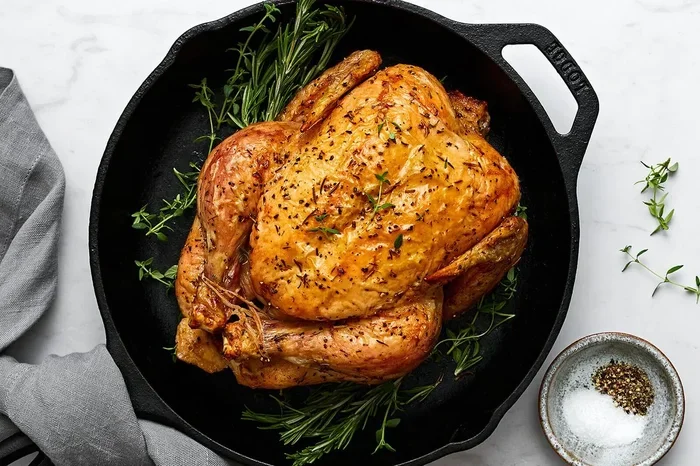
Learning how long to put whole chicken in oven depends on the bird’s weight, oven temperature, and whether you stuff it. A standard 4–5 pound chicken typically roasts for 1 hour to 1 hour and 20 minutes at 425°F. This guide covers everything from prep to plating so you get perfectly cooked, juicy whole chicken every single time.
Key Takeaways
- Standard Timing: A 4–5 pound whole chicken roasts in about 1 hour to 1 hour 20 minutes at 425°F.
- Temperature Matters: Always cook chicken to an internal temperature of 165°F for food safety.
- Bring Chicken to Room Temp: Letting the bird sit out for 30 minutes before roasting ensures even cooking.
- Rest the Chicken: Allow 10–15 minutes of resting time after removing from the oven for juicier results.
- Use a Meat Thermometer: This is the single best tool to avoid overcooking or undercooking.
- Size Affects Time: Larger chickens need more time; smaller birds cook faster.
- Crispy Skin Tip: Pat the chicken dry and rub with oil before roasting for golden, crispy skin.
📑 Table of Contents
How Long To Put Whole Chicken In Oven — The Quick Answer
If you have ever stood in front of an oven wondering how long to put whole chicken in oven, you are not alone. This is one of the most common cooking questions home cooks ask. The answer depends on a few simple factors like the weight of the bird, the oven temperature, and whether you stuffed the chicken or left it empty.
For most whole chickens weighing between 4 and 5 pounds, roasting at 425°F takes about 1 hour to 1 hour and 20 minutes. A bigger bird, say 6 to 7 pounds, might need closer to 1 hour and 40 minutes. Smaller chickens under 3 pounds can be done in as little as 45 minutes.
The real secret is not just time. It is reaching the right internal temperature. A whole chicken cooking temperature of 165°F in the thickest part of the thigh is the golden standard. Once you know this, you will never overcook a roast chicken again.
Below, we walk through everything you need to know. From picking the right bird at the store to pulling it out of the oven at the perfect moment, this guide has you covered. Let us get into it.
Choosing the Right Whole Chicken for Your Oven
Before you even think about timing, you need to pick the right chicken. Not all birds are the same, and choosing well sets you up for success from the start.
Fresh vs Frozen Chicken
Fresh whole chickens cook more evenly than frozen ones. If you buy a frozen bird, make sure you thaw it completely in the fridge for 24 to 48 hours before cooking. Putting a frozen chicken straight into the oven leads to uneven cooking. The outside might be done while the inside is still raw. That is a food safety risk nobody wants to take.
Also, a frozen chicken has extra ice crystals that turn into steam during cooking. This steam can make your crispy chicken skin soggy instead of golden and crunchy.
Size Matters
The size of your bone in chicken directly affects how long it spends in the oven. Here is a simple breakdown:
- Under 3 pounds: About 45 minutes to 1 hour at 425°F.
- 3 to 5 pounds: About 1 hour to 1 hour 20 minutes at 425°F.
- 5 to 7 pounds: About 1 hour 20 minutes to 1 hour 45 minutes at 425°F.
- Over 7 pounds: About 1 hour 45 minutes to 2 hours at 425°F.
When you shop, look for a chicken that fits your oven size. A huge bird in a small oven will not cook properly because the heat cannot circulate well. Give yourself some room inside the roasting pan for hot air to flow around the bird.
Preparing Your Chicken Before It Goes in the Oven
Good prep work makes a big difference in the final result. Skipping steps here can lead to dry meat or unevenly cooked pieces. Take your time with these steps.
Bringing Chicken to Room Temperature
One of the best things you can do is take the chicken out of the fridge 30 minutes before cooking. A cold chicken going straight into a hot oven cooks unevenly. The outside overcooks while the inside is still catching up.
Letting the bird warm up slightly means the heat spreads more evenly throughout the meat. This simple step can save you from a dry breast and undercooked thighs.
Seasoning and Flavoring Tips
seasoning is where you can get creative. A basic chicken seasoning blend of salt, pepper, garlic powder, and paprika works beautifully. But you can also add herbs like rosemary, thyme, or oregano for extra flavor.
Here are some easy seasoning ideas:
- Classic Herb: Salt, pepper, garlic, rosemary, and thyme.
- Lemon and Garlic: Lemon zest, minced garlic, olive oil, salt, and pepper.
- Spicy Southwest: Paprika, cumin, chili powder, garlic powder, and salt.
- Mediterranean: Oregano, lemon zest, garlic, black pepper, and olive oil.
Rub the seasoning under the skin of the breast and all over the outside. This adds flavor deep into the meat, not just on the surface. Drizzle a little olive oil over the skin before seasoning. This helps the spices stick and promotes crispy chicken skin.
To Stuff or Not to Stuff
Stuffing a whole chicken with herbs, citrus, or vegetables adds flavor during roast chicken cooking. Some people put lemon halves, garlic cloves, and fresh herbs inside the cavity. This infuses the meat with aroma as it cooks.
However, stuffing does add a little time to the cooking process. The stuffing needs to reach a safe temperature too. If you stuff your chicken, add about 10 to 15 extra minutes to your cooking time. Always make sure the stuffing reaches 165°F inside.
Trussing the Chicken
Trussing chicken means tying the legs together and tucking the wings under the body. This helps the bird cook evenly. Without trussing, the wings and legs can burn before the breast is done.
You do not need kitchen twine to be a pro at this. A simple knot around the legs and a tuck for the wings works great. Trussing also gives your oven roasted chicken a nice, round shape that looks beautiful on the plate.
Oven Temperature and Timing Guide
This is the section most people care about most. How long should a whole chicken actually be in the oven? Let us break it down clearly.
Temperature Settings
Most whole chicken recipes call for one of three temperatures:
- 425°F: Best for crispy skin and a golden finish. This is the most popular choice. Cooking time is shorter at this temperature.
- 400°F: A good middle ground. The skin still gets crispy, but the chicken has a bit more time to cook through gently.
- 350°F: Lower and slower. This works well for larger birds or if you want very moist results. Cooking time is longer.
For most home cooks, 425°F is the sweet spot. It gives you a beautifully browned exterior and juicy interior without drying out the meat.
Time Chart by Chicken Weight
Use this chart as a starting point. Always verify with a meat thermometer because ovens can vary.
- 3–4 pounds at 425°F: 50–70 minutes
- 4–5 pounds at 425°F: 70–85 minutes
- 5–6 pounds at 425°F: 85–100 minutes
- 6–7 pounds at 425°F: 100–115 minutes
- 3–4 pounds at 350°F: 80–95 minutes
- 4–5 pounds at 350°F: 95–110 minutes
These times are estimates. The only way to know for sure is to check the internal temperature. Insert a meat thermometer into the thickest part of the thigh, avoiding the bone. When it reads 165°F, your baked whole chicken is done.
Checking for Doneness
Do not rely on the clock alone. Ovens behave differently. Some run hot, some run cool. Here are three ways to check if your roast chicken is ready:
- Meat thermometer: The most reliable method. 165°F in the thigh means it is done.
- Juices test: Pierce the thickest part of the thigh. If the chicken juices run clear and not pink, it is done.
- Leg wiggle: Gently move the leg. If it wiggles loosely in the socket, the chicken is likely cooked through.
The meat thermometer is the best method. It removes all guesswork. Invest in a good instant-read thermometer. It is a small tool that changes everything in the kitchen.
Tips for Juicy, Golden Chicken Every Time
Getting a perfect roast chicken is about more than just time and temperature. Small details make a huge difference in the final result. Here are tips that separate good chicken from great chicken.
The Importance of Resting
Once your chicken comes out of the oven, do not cut into it right away. Resting chicken before cutting is one of the most overlooked steps in cooking. When you rest the bird, the juices redistribute throughout the meat.
If you cut too soon, all those juices run out onto the cutting board instead of staying in the meat. You end up with dry chicken. Let the bird rest for 10 to 15 minutes before carving. Tent it loosely with aluminum foil to keep it warm while it rests.
Crispy Skin Secrets
Everyone loves crispy skin on a golden brown chicken. Here is how to get it every time:
- Pat the chicken completely dry with paper towels before seasoning. Moisture is the enemy of crispy skin.
- Rub the skin with a thin layer of olive oil or melted butter.
- Do not cover the chicken with foil during roasting. Foil traps steam and prevents crispiness.
- If the skin is not browning fast enough, crank the heat up to 450°F for the last 10 minutes.
These small steps add up to a big difference. You will notice the skin turning golden and crackly, which makes the whole dish more appetizing.
Using a Meat Thermometer Correctly
A meat thermometer is not just for chicken. It is one of the most useful tools in any kitchen. But you need to use it correctly for accurate readings.
- Insert the probe into the thickest part of the thigh, not touching the bone.
- Check the temperature in at least two spots, like both thighs.
- Do not leave the thermometer in the chicken while it is in the oven. Pull it out to check and then remove it.
- Calibrate your thermometer regularly for accuracy.
A good thermometer costs under $15 and takes the guesswork out of cooking. It is one of the best kitchen investments you can make.
Adding Vegetables Around the Chicken
One of the easiest ways to make a complete meal is to roast vegetables around the chicken. Potatoes, carrots, onions, and garlic all roast beautifully alongside a whole bird. The chicken juices drip down and flavor the vegetables as they cook.
Cut the vegetables into large chunks so they do not burn. Toss them in olive oil, salt, and pepper before spreading them around the chicken in the roasting pan. The vegetables need about the same cooking time as a 4-pound chicken, so they work perfectly together.
Common Mistakes to Avoid When Roasting Whole Chicken
Even experienced cooks sometimes make mistakes when roasting chicken. Knowing what to avoid saves you from dry, overcooked, or undercooked results.
Overcooking the Breast
The chicken breast cooks faster than the thighs. This is the most common reason people end up with dry breast meat. The thighs can handle a slightly higher internal temperature, but the breast dries out quickly once it passes 165°F.
To avoid this, start checking the temperature early. Do not wait until the full estimated time has passed. If the breast is already at 165°F but the thighs need a few more minutes, that is okay. You can always keep cooking the thighs a bit longer.
Skipping the Rest Period
We mentioned this above, but it is worth repeating. Cutting into a chicken the moment it comes out of the oven is one of the biggest mistakes home cooks make. The resting period is not optional. It is essential for juicy results.
Not Preheating the Oven
Always preheat your oven before putting the chicken in. A cold oven means the chicken sits in lukewarm air for too long. This leads to uneven cooking and soggy skin. Give your oven at least 15 to 20 minutes to reach the target temperature before the chicken goes in.
Overcrowding the Pan
If you use a small roasting pan, the chicken will not cook evenly. Hot air needs to flow around the bird. Use a pan that gives the chicken plenty of room. A general rule is to choose a pan that is at least 2 inches wider than the chicken on all sides.
Opening the Oven Door Too Often
Every time you open the oven door, heat escapes. This drops the temperature inside and can add 5 to 10 minutes to your cooking time. Resist the urge to check on the chicken every 10 minutes. Trust the process and check only once or twice near the end of cooking.
Conclusion
Learning how long to put whole chicken in oven is simpler than most people think. The key factors are the weight of the bird, the oven temperature, and reaching the right internal temperature of 165°F. A 4 to 5 pound chicken at 425°F will typically take about 1 hour to 1 hour and 20 minutes.
Remember to bring the chicken to room temperature before cooking, season it well, and truss it for even cooking. Use a meat thermometer to check doneness and always let the chicken rest for 10 to 15 minutes before carving. These steps take very little time but make a massive difference in the final result.
Avoid the common mistakes like skipping the rest period, not preheating the oven, or opening the door too often. With a little practice and attention to detail, you will be serving up perfectly roasted whole chicken with crispy golden skin and juicy meat every single time. Get into the kitchen, try it out, and enjoy the process. You have got this!
Frequently Asked Questions
How long does it take to cook a whole chicken at 350°F?
A 4 to 5 pound whole chicken takes about 95 to 110 minutes at 350°F. The lower temperature means a longer cooking time, but it can result in very moist meat. Always check the internal temperature with a meat thermometer to confirm doneness.
How do I know when whole chicken is done without a thermometer?
If you do not have a meat thermometer, check the juices by piercing the thickest part of the thigh. If the juices run clear and not pink, the chicken is done. You can also gently wiggle the leg. If it moves freely, the bird is likely cooked through.
Should I cover whole chicken with foil while roasting?
No, covering chicken with foil traps steam and prevents crispy skin. Leave the chicken uncovered for the entire roasting time. If the skin is browning too quickly, you can loosely tent it with foil for the last 15 minutes only.
Can I cook a whole chicken at 400°F instead of 425°F?
Yes, 400°F works great and is a common alternative. The chicken will take a few extra minutes compared to 425°F, but the results are still excellent. Cooking at 400°F gives you a bit more time for the heat to penetrate evenly through the meat.
How long should I rest a whole chicken before cutting?
Let the chicken rest for 10 to 15 minutes after removing it from the oven. This allows the juices to redistribute throughout the meat, making every bite more flavorful and moist. Tent the chicken loosely with aluminum foil to keep it warm during resting.
What is the best size chicken for roasting in a standard oven?
A 4 to 5 pound whole chicken fits perfectly in most standard ovens and roasts in about 1 hour to 1 hour and 20 minutes. This size gives you a good balance of crispy skin, juicy meat, and manageable cooking time. Avoid chickens over 7 pounds in a standard home oven as they may not cook evenly.