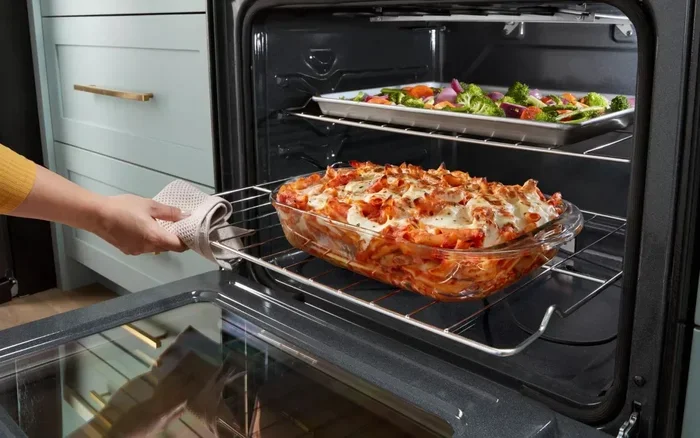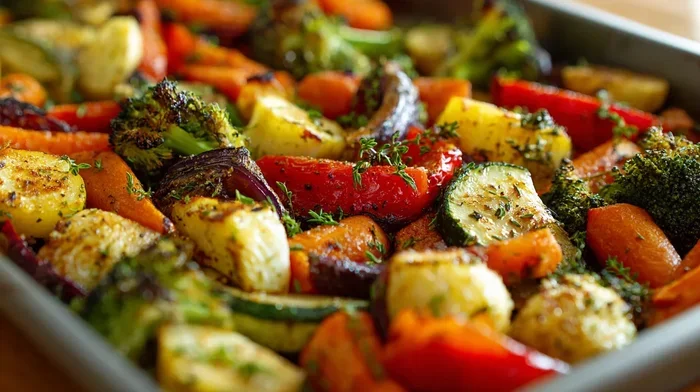
How To Make Vegetables In The Oven And Really Enjoy Them
Discover how to make vegetables in the oven the easy way and turn plain veggies into a crispy, flavorful favorite. This guide covers everything from choosing the best vegetables to perfect oven temperatures and seasoning tricks. You will learn simple methods that make oven-roasted veggies taste amazing every single time.
Learning how to make vegetables in the oven is one of the easiest and most rewarding skills you can pick up in the kitchen. Whether you are a complete beginner or someone who has been cooking for years, oven-roasted vegetables can become your go-to side dish. They are simple, healthy, and incredibly delicious when done right. In this guide, we will walk you through every step so you can enjoy flavorful, crispy, and perfectly tender vegetables every time. You will learn the best vegetables to use, the right temperatures, seasoning tips, and common mistakes to avoid. By the end, you will wonder why you ever settled for boiled or steamed veggies.
Oven-roasted vegetables are not just healthy; they are genuinely enjoyable to eat. The dry heat of the oven caramelizes the natural sugars in vegetables, creating deep flavors and satisfying textures. Unlike boiling, which can strip away nutrients and taste, roasting locks in goodness and brings out the best in every vegetable. This method works for almost any vegetable you can think of. From crispy broccoli to tender sweet potatoes, the oven does most of the work for you. Let us dive in and explore how to make this happen.
Key Takeaways
- Pick the right vegetables: Root vegetables, cruciferous veggies, and hearty greens all roast beautifully in the oven.
- Temperature matters: Most vegetables roast best between 400°F and 425°F for crispy edges and tender interiors.
- Prep is key: Cutting vegetables into even sizes and drying them well leads to much better results.
- Season simply but boldly: Olive oil, salt, pepper, and a few herbs go a long way in enhancing natural flavors.
- Avoid common mistakes: Overcrowding the pan, skipping the hot oven, and forgetting to shake the pan make a big difference.
- Experiment freely: Once you master the basics, you can try spices, sauces, and different vegetable combinations.
📑 Table of Contents
- Why Oven-Roasted Vegetables Are Worth Your Time
- The Best Vegetables For Oven Roasting
- How To Prep Your Vegetables The Right Way
- Oven Temperature And Timing Guide
- Tips For Perfectly Crispy And Flavorful Veggies
- Common Mistakes To Avoid When Roasting Vegetables
- Easy Recipes To Get You Started
- Conclusion
Why Oven-Roasted Vegetables Are Worth Your Time
Many people avoid cooking vegetables because they think it is complicated or boring. That could not be further from the truth. Making vegetables in the oven is one of the simplest cooking methods you can use. There is no need to watch a pot on the stove or stir constantly. You just chop, season, and let the oven do the work.
Roasting vegetables also brings out flavors that you simply cannot get from other cooking methods. The high heat causes a process called caramelization, where the natural sugars in vegetables brown and develop rich, sweet, and complex flavors. This is why roasted carrots taste so much better than steamed carrots. The same goes for broccoli, Brussels sprouts, and even zucchini.
Another big reason to roast vegetables is the texture. When you bake vegetables in the oven properly, you get crispy edges and a tender inside. This contrast in texture makes every bite more interesting. Boiled or steamed vegetables tend to be soft and mushy, which many people find unappealing. Roasted vegetables, on the other hand, have a satisfying crunch that makes them feel more like a treat than a chore.
Health benefits are another great reason to roast your vegetables. Healthy roasted vegetables retain more nutrients than vegetables that are boiled in water. The oven uses dry heat, which means vitamins and minerals stay locked inside the vegetable. You get all the fiber, vitamins, and antioxidants without losing them to cooking water. This makes oven-roasting one of the best ways to prepare vegetables for your family.
Finally, oven-roasted vegetables are incredibly versatile. You can serve them as a side dish, toss them into salads, add them to grain bowls, or blend them into soups. They work beautifully in meal prep because they reheat well and taste great for days. Once you get comfortable with the basics, you will find yourself making them several times a week.
The Best Vegetables For Oven Roasting
Not all vegetables roast the same way, but most of them do well in the oven. The key is knowing which ones work best and how to treat each one. Here are the top vegetables to try when you make vegetables in the oven.
Root Vegetables
Root vegetables are some of the best candidates for oven roasting. They are dense, hearty, and packed with natural sugars that caramelize beautifully. Sweet potatoes roast into crispy, golden cubes that pair well with almost any meal. Carrots become sweet and tender with slightly charred edges. Parsnips and beets also roast wonderfully and add earthy, rich flavors to your plate.
When roasting root vegetables, cut them into similar-sized pieces so they cook evenly. Smaller pieces will crisp up faster, while larger pieces will stay softer inside. A mix of sizes can actually be nice if you enjoy variety in texture.
Cruciferous Vegetables
Broccoli, cauliflower, Brussels sprouts, and cabbage all belong to the cruciferous family. These vegetables have a slightly bitter taste that becomes sweet and nutty when roasted. Roasted broccoli is a family favorite because the edges get crispy while the center stays tender. Brussels sprouts develop a crispy outer leaf and a creamy inside that tastes amazing with a little balsamic glaze.
The trick with cruciferous vegetables is to not overcrowd the pan. These vegetables release moisture during cooking, and if they are stacked too tightly, they will steam instead of roast. Give them space on the baking sheet, and you will get much better results.
Other Great Options
Do not limit yourself to just root and cruciferous vegetables. Zucchini, bell peppers, onions, mushrooms, and asparagus all roast beautifully. Even leafy greens like kale can be turned into crispy chips in the oven. The beauty of oven roasting is that you can mix and match vegetables based on what you have on hand. This makes it a great way to use up leftovers and reduce food waste.
How To Prep Your Vegetables The Right Way
Proper prep is the secret to great roasted vegetables. Taking a few extra minutes before the vegetables go into the oven makes a huge difference in the final result.
Washing And Drying
Start by washing all your vegetables thoroughly under cold water. This removes dirt and any residue. The most important step many people skip is drying the vegetables completely. Wet vegetables will steam in the oven instead of roasting, which leads to soggy results. Use a clean kitchen towel or paper towels to pat them dry before seasoning.
Cutting For Even Cooking
Cut your vegetables into uniform pieces so they cook at the same rate. For most vegetables, pieces about one to two inches work well. Too small and they may burn; too large and they will not cook through. Use a sharp knife and a stable cutting board to make the process quick and safe.
Seasoning Your Vegetables
Seasoning is where the magic happens. A simple combination of olive oil, salt, and pepper works wonders. Toss the vegetables in a bowl with a generous drizzle of olive oil first. This helps the seasoning stick and promotes even browning. Then add your salt, pepper, and any herbs or spices you like.
Some great seasoning combinations include:
- Garlic powder, paprika, and a pinch of cumin for a warm, smoky flavor
- Fresh rosemary, thyme, and lemon zest for a Mediterranean feel
- Oregano, basil, and red pepper flakes for an Italian twist
- Soy sauce, sesame oil, and ginger for an Asian-inspired profile
Do not be shy with your seasoning. Vegetables need enough salt and oil to roast properly. Too little oil means dry, burnt vegetables. Too little salt means bland results. Find the right balance and your flavorful vegetables will thank you.
Oven Temperature And Timing Guide
Getting the temperature right is one of the most important parts of how to make vegetables in the oven. The right temperature ensures your vegetables are crispy on the outside and tender on the inside.
The Ideal Temperature Range
Most vegetables roast best at temperatures between 400°F and 425°F. This range is hot enough to create a nice sear and caramelize the edges, but not so hot that the vegetables burn before they cook through. For denser vegetables like sweet potatoes and carrots, 400°F works well because they need a bit more time. For softer vegetables like zucchini and peppers, 425°F helps them brown quickly without overcooking.
Always preheat your oven before adding the vegetables. Putting vegetables into a cold oven leads to uneven cooking and steamed rather than roasted results. Give your oven at least 10 to 15 minutes to reach the right temperature.
Cooking Times By Vegetable Type
Different vegetables need different amounts of time in the oven. Here is a general guide:
- Broccoli and cauliflower: 20 to 25 minutes at 425°F
- Sweet potatoes and carrots: 25 to 35 minutes at 400°F
- Brussels sprouts: 20 to 30 minutes at 425°F
- Zucchini and bell peppers: 15 to 20 minutes at 425°F
- Mushrooms: 15 to 20 minutes at 400°F
- Onions: 20 to 30 minutes at 400°F
These times are approximate. Check your vegetables by poking them with a fork. They should be tender but not mushy. If you like extra crispy edges, let them go a few minutes longer. Just keep an eye on them to avoid burning.
How To Know When Vegetables Are Done
Look for a golden-brown color on the edges and a slight crisp when you poke them. The vegetables should be tender all the way through but not falling apart. If you are roasting a mix of vegetables, consider adding the quicker-cooking ones partway through so everything finishes at the same time.
Tips For Perfectly Crispy And Flavorful Veggies
Now that you know the basics, here are some expert tips that will take your roasted vegetables to the next level.
Use A Sheet Pan Lined With Parchment Paper
Lining your baking sheet with parchment paper or a silicone mat prevents sticking and makes cleanup a breeze. It also promotes even airflow around the vegetables, which helps them crisp up better. Avoid using too much oil on the pan itself. The vegetables will release their own oils as they cook.
Do Not Overcrowd The Pan
This is the single most common mistake people make when roasting vegetables. If you cram too many vegetables onto one sheet pan, they will steam instead of roast. Use two sheet pans if you need to. The extra space allows hot air to circulate around each piece, giving you that perfect crispy texture.
Shake The Pan Halfway Through
About halfway through cooking, take the pan out and shake it or toss the vegetables with a spatula. This ensures all sides get exposed to the heat and brown evenly. It is a simple step that makes a noticeable difference in the final result.
Add A Finishing Touch
Once your vegetables are out of the oven, add a finishing touch to elevate the flavor. A squeeze of fresh lemon juice brightens everything up. A sprinkle of flaky sea salt adds crunch. A drizzle of balsamic glaze or a dusting of nutritional yeast can take your dish from good to restaurant-quality.
Experiment With Different Oils And Fats
While olive oil is the most popular choice, you can also try avocado oil, coconut oil, or even a little melted butter. Each one brings a slightly different flavor profile. Avocado oil has a high smoke point, making it great for high-heat roasting. Butter adds richness and a nutty flavor that pairs well with root vegetables.
Common Mistakes To Avoid When Roasting Vegetables
Even experienced cooks make mistakes when roasting vegetables. Being aware of these pitfalls helps you avoid them and get better results every time.
Skipping The Dry Step
We mentioned this earlier, but it is worth repeating. Wet vegetables will not roast properly. Always dry them thoroughly after washing. This one simple step can transform your results from soggy to crispy.
Using Too Little Or Too Much Oil
Oil is essential for roasting, but the amount matters. Too little oil means dry, burnt vegetables. Too much oil makes them greasy and heavy. A good rule of thumb is about one to two tablespoons of oil per large sheet pan of vegetables. Toss them well so the oil coats every piece lightly.
Not Preheating The Oven
Putting vegetables into a cold oven means they will cook slowly and unevenly. Always preheat your oven to the target temperature before adding your veggies. This ensures they start roasting immediately and develop a good sear.
Seasoning Too Late
Add your salt and seasonings before the vegetables go into the oven. Salt draws out moisture from the vegetables, which helps them caramelize. If you season after roasting, the vegetables may already be too dry, and the salt will just sit on the surface without enhancing the flavor.
Forgetting To Rest The Vegetables
Just like meat, roasted vegetables benefit from a short rest after coming out of the oven. Let them sit on the pan for a few minutes. This allows the steam inside to redistribute, resulting in a better texture. It also gives the flavors time to settle and develop.
Easy Recipes To Get You Started
If you are not sure where to begin, here are three simple recipes to try tonight.
Recipe 1: Classic Sheet Pan Roasted Vegetables Toss broccoli, carrots, bell peppers, and red onion with olive oil, salt, pepper, and garlic powder. Spread on a sheet pan and roast at 425°F for 25 minutes. Shake the pan halfway through and serve hot.
Recipe 2: Sweet And Crispy Roasted Root Vegetables Cube sweet potatoes, parsnips, and beets. Toss with olive oil, a pinch of cinnamon, salt, and pepper. Roast at 400°F for 30 minutes until golden and tender. Finish with a drizzle of honey and fresh thyme.
Recipe 3: Crispy Roasted Broccoli With Lemon Toss broccoli florets with olive oil, salt, and red pepper flakes. Roast at 425°F for 20 minutes until the edges are crispy. Squeeze fresh lemon juice over the top and sprinkle with parmesan cheese.
These recipes are just the beginning. Once you are comfortable with the basics, you can experiment with different vegetables, spices, and flavor combinations. The more you practice, the more confident you will become. Making vegetables in the oven will quickly become one of the easiest and most enjoyable parts of your week.
Conclusion
Learning how to make vegetables in the oven is a game-changer for anyone who wants to eat healthier without sacrificing flavor. With the right vegetables, proper prep, the correct temperature, and a few simple seasoning tricks, you can create dishes that are crispy, tender, and absolutely delicious. The oven does most of the work, leaving you free to enjoy your meal while the vegetables roast to perfection.
Remember to dry your vegetables well, avoid overcrowding the pan, and always preheat your oven. These small steps make a big difference in the final result. Start with the recipes and tips in this guide, and soon you will be roasting vegetables like a pro. The more you experiment, the more you will discover how versatile and satisfying oven-roasted vegetables can be. So grab your cutting board, preheat that oven, and get ready to enjoy vegetables the way they were meant to be. You will not look back.
Frequently Asked Questions
What vegetables are best for oven roasting?
Root vegetables like sweet potatoes, carrots, and beets roast wonderfully. Cruciferous vegetables such as broccoli, cauliflower, and Brussels sprouts also do very well. Zucchini, bell peppers, mushrooms, and onions are great options too. Almost any vegetable can be roasted, so feel free to use what you have on hand.
What temperature should I roast vegetables at?
Most vegetables roast best between 400°F and 425°F. Denser vegetables like sweet potatoes do well at 400°F, while softer vegetables like broccoli and peppers roast nicely at 425°F. Always preheat your oven before adding the vegetables for the best results.
How long does it take to roast vegetables in the oven?
Cooking times vary depending on the vegetable and the size of the pieces. Most vegetables take between 15 and 35 minutes. Broccoli and zucchini usually take about 15 to 20 minutes, while root vegetables like sweet potatoes and carrots may need 25 to 35 minutes. Check with a fork for tenderness.
Do I need to peel vegetables before roasting them?
No, you do not have to peel most vegetables before roasting. The skin on sweet potatoes, carrots, and beets adds extra fiber and nutrients. Just wash them thoroughly and scrub off any dirt. If you prefer a smoother texture, you can peel them, but it is not necessary for great results.
Can I roast vegetables ahead of time?
Yes, you can roast vegetables ahead of time and store them in the refrigerator for up to five days. They reheat well in the oven or microwave. Roasted vegetables also make excellent additions to salads, wraps, and grain bowls throughout the week, making them perfect for meal prep.
Why are my roasted vegetables soggy instead of crispy?
The most common reason is overcrowding the pan or not drying the vegetables properly. Too much moisture on the surface or lack of space on the baking sheet causes vegetables to steam instead of roast. Use a large enough pan, dry your vegetables well, and give them space to breathe for crispy results.