Can A Steam Oven Replace A Microwave In Your Kitchen
A steam oven can handle many tasks a microwave does, but it cannot fully replace it in every situation. Steam ovens excel at healthy cooking, better texture, and nutrient retention. Microwaves still win for speed and convenience when reheating leftovers quickly.
Key Takeaways
- Steam ovens cook healthier: They use steam to preserve nutrients and reduce the need for oil.
- Microwaves are faster: For quick reheating, nothing beats the speed of a microwave.
- Texture matters: Steam ovens produce better texture and flavor than microwaves in most cases.
- Combination models exist: Some ovens offer both steam and convection cooking in one unit.
- Cost is a factor: Steam ovens cost more than microwaves, so consider your budget.
- They serve different purposes: A steam oven complements a kitchen but does not fully replace a microwave.
📑 Table of Contents
- Can A Steam Oven Replace A Microwave In Your Kitchen?
- What Is A Steam Oven And How Does It Work?
- Steam Oven vs Microwave: Head-To-Head Comparison
- Can You Reheat Food In A Steam Oven?
- What Can A Steam Oven Do That A Microwave Cannot?
- Common Mistakes People Make With Steam Ovens
- Should You Replace Your Microwave With A Steam Oven?
- Expert Insights: What Professional Chefs Think
- Final Thoughts On Can A Steam Oven Replace A Microwave
Can A Steam Oven Replace A Microwave In Your Kitchen?
If you love cooking at home, you have probably wondered about this question. Can a steam oven replace a microwave? The short answer is no, not entirely. But the longer answer is much more interesting. A steam oven can do many things a microwave does, and it does them better in most cases. However, there are still tasks where the microwave holds a clear advantage.
In this guide, we will break down everything you need to know. We will compare cooking speed, food texture, nutrient retention, and everyday convenience. By the end, you will have a clear picture of whether a steam oven belongs in your kitchen. We will also look at combination models that bring the best of both worlds together.
The kitchen appliance market has changed a lot in recent years. More homeowners want healthier cooking methods. They also want appliances that save space and do multiple jobs. A steam oven fits this trend perfectly. But does it mean you should toss out your microwave? Let us find out.
What Is A Steam Oven And How Does It Work?
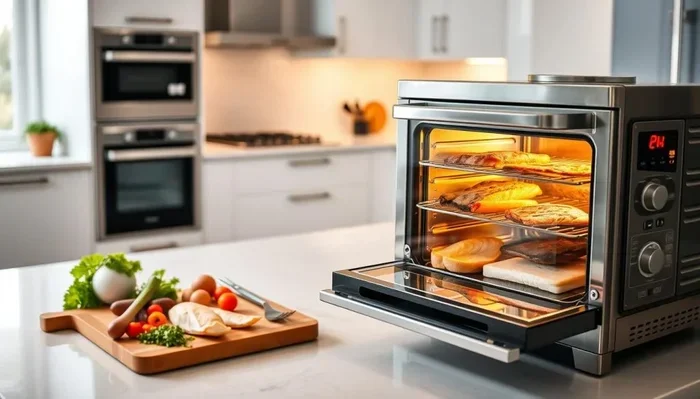
A steam oven uses steam to cook food. It heats water to produce steam, which then surrounds the food inside the cooking chamber. The temperature usually ranges from 100°F to 475°F depending on the model. Some steam ovens use pure steam, while others mix steam with dry heat for more cooking options.
How Steam Cooking Works
Steam transfers heat to food very efficiently. Unlike a microwave that uses radiation to vibrate water molecules, a steam oven relies on hot moisture. This gentle cooking method keeps food juicy and tender. It also prevents the drying effect that microwaves sometimes cause.
Most steam ovens have a built-in water reservoir. You fill it before cooking, and the oven generates steam automatically. Some models connect directly to your water line, which means you never have to refill manually. This makes the cooking process smooth and effortless.
Types Of Steam Ovens
There are mainly two types of steam ovens you will find on the market. The first is a pure steam oven. It uses only steam for cooking. This type is perfect for vegetables, fish, and reheating leftovers. The second type is a combination steam oven. It blends steam with convection heat. This gives you more flexibility for baking, roasting, and grilling.
Countertop steam ovens are also available. These are smaller units that sit on your kitchen counter. They work just like built-in models but take up less space. They are a great option if you do not want to install a large appliance.
Steam Oven vs Microwave: Head-To-Head Comparison
Now let us get to the real comparison. A steam oven and a microwave serve different cooking needs. Understanding their strengths will help you decide which one fits your kitchen best.
Cooking Speed
When it comes to speed, the microwave wins hands down. A microwave can reheat a bowl of soup in about one to two minutes. A steam oven takes longer because it needs to generate steam first. However, steam ovens still cook faster than conventional ovens. For many cooking tasks, the extra time is worth the better results.
Food Texture And Flavor
This is where the steam oven really shines. Food cooked in a steam oven retains its natural texture. Vegetables stay crisp. Meats stay juicy. Breads come out soft on the inside and lightly golden on the outside. Microwaves, on the other hand, often make food soggy or rubbery. The steam cooking method simply produces better flavor and mouthfeel.
Nutrient Retention
One of the biggest advantages of steam cooking is nutrient retention. When you boil vegetables, many vitamins and minerals leach into the water. Steam cooking keeps those nutrients locked inside the food. Studies have shown that steamed vegetables retain more vitamin C and B vitamins than boiled or microwaved ones. If healthy eating matters to you, this is a big win for the steam oven.
Convenience And Ease Of Use
Microwaves are incredibly convenient. You pop in a container, press a button, and your food is ready in seconds. Steam ovens require a bit more setup. You need to add water, select the cooking mode, and wait for the steam to build. However, modern steam ovens have made this process much easier. Many come with preset programs and touch-screen controls that simplify the whole process.
Energy Efficiency
Both appliances are relatively energy efficient compared to a full-size oven. A microwave uses less energy overall because it cooks faster. A steam oven uses more energy than a microwave but less than a traditional oven. If you care about your energy bill, both options are good choices.
| Feature | Steam Oven | Microwave |
|---|---|---|
| Cooking Speed | Moderate to fast | Very fast |
| Food Texture | Excellent, moist and tender | Often dry or soggy |
| Nutrient Retention | High | Moderate |
| Convenience | Good, requires water refill | Very convenient |
| Price Range | $300-$2000+ | $50-$300 |
| Counter Space | Larger footprint | Compact |
| Health Benefits | No added oil needed | No added oil needed |
| Versatility | High with combo models | Limited to reheating and defrosting |
Can You Reheat Food In A Steam Oven?
Yes, you can absolutely reheat food in a steam oven. In fact, many people prefer steam reheating over using a microwave. Here is why it works so well.
When you reheat leftovers in a microwave, they often come out unevenly hot. Some parts are scalding while others are still cold. A steam oven heats food more evenly. The steam surrounds the dish from all sides, which means consistent warmth throughout. Your pizza will taste crispy again, and your rice will not turn into a hard brick.
For best results, use a covered dish or foil when reheating in a steam oven. This traps the moisture and keeps your food from drying out. Set the temperature to around 200°F to 250°F and let it warm for about 10 to 15 minutes. You will notice a big difference in taste and texture compared to microwave reheating.
What Can A Steam Oven Do That A Microwave Cannot?
A steam oven opens up cooking possibilities that a microwave simply cannot match. Let us explore some of these unique benefits.
Baking Bread And Pastries
Steam is essential for great bread baking. The moisture creates a crispy crust while keeping the inside soft and airy. A microwave cannot do this at all. If you love fresh bread, a steam oven is a game changer.
Cooking Fish And Seafood
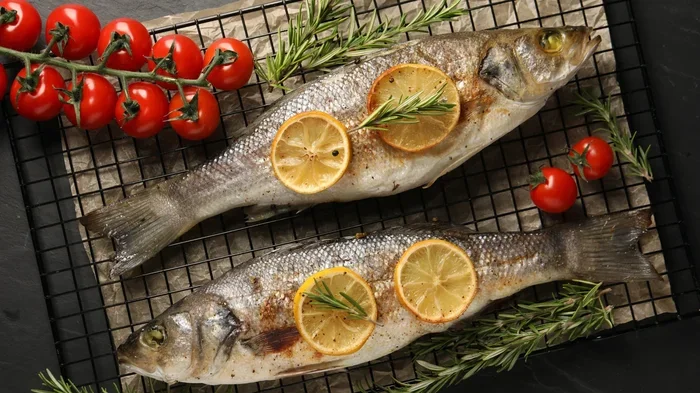
Fish cooks beautifully in a steam oven. The gentle heat keeps the flesh tender and flaky. You can season it with herbs and lemon, and the steam locks in all those flavors. The result is restaurant-quality fish right at home.
Steaming Vegetables
Steaming is one of the healthiest ways to prepare vegetables. A steam oven makes this effortless. Your broccoli, carrots, and green beans come out vibrant in color and full of nutrients. No need for a separate steamer basket or stovetop pot.
Making Eggs
Steam-cooked eggs have a unique texture that you cannot get from a microwave. Soft-boiled eggs with runny yolks are easy to prepare in a steam oven. Poached eggs also turn out perfectly with no mess or fuss.
Defrosting Food
While microwaves are known for defrosting, steam ovens can handle this task too. The gentle heat thaws food more evenly and prevents the edges from cooking while the center stays frozen. It takes a bit longer, but the results are more consistent.
Common Mistakes People Make With Steam Ovens
Even though steam ovens are user friendly, there are some common mistakes to avoid. Being aware of these will help you get the best results every time.
Not filling the water reservoir enough. This is the number one mistake new users make. Always check the water level before starting a cooking cycle. Running a steam oven dry can damage the heating element.
Overcrowding the cooking chamber. Steam needs room to circulate around the food. If you pack too much in, the cooking will be uneven. Leave some space between items for the best results.
Using the wrong temperature setting. Different foods need different steam temperatures. Vegetables cook well at lower temperatures, while meats need higher heat. Always refer to the recipe or preset programs on your oven.
Skipping the preheat. Just like a regular oven, a steam oven benefits from preheating. This ensures the steam is ready when the food goes in. Most models preheat in just three to five minutes.
Ignoring cleaning and maintenance. Mineral buildup from tap water can affect performance. Descale your steam oven regularly to keep it running smoothly. Use distilled water if you live in a hard water area.
Should You Replace Your Microwave With A Steam Oven?
The answer depends on your cooking habits and kitchen needs. If you mostly use your microwave for reheating coffee and defrosting frozen dinners, a steam oven might feel like overkill. But if you enjoy cooking healthy meals and care about food quality, a steam oven is a wonderful addition.
Many home cooks choose to keep both appliances. The microwave handles quick tasks, while the steam oven takes care of everything else. This combination gives you the best of both worlds. You get speed when you need it and quality cooking when you have more time.
If you are tight on counter space, consider a combination steam-convection oven. These powerful appliances can handle steaming, baking, roasting, and more. They are not cheap, but they can truly replace several kitchen gadgets at once.
Think about your family’s needs too. If you have young children, a steam oven is safer than a microwave. There is no risk of superheated containers or uneven heating that can cause hot spots. The gentle steam is much more forgiving and family-friendly.
Expert Insights: What Professional Chefs Think
Professional chefs have been using steam ovens for years. They know that steam cooking produces superior results. Many high-end restaurants have switched from traditional ovens to steam ovens for their versatility and precision.
Chef Thomas Keller, a well-known figure in the culinary world, has spoken about the benefits of steam cooking. He emphasizes how steam preserves the natural flavor of ingredients. It also gives chefs precise control over cooking temperatures, which is essential for delicate dishes like custards and soufflés.
For home cooks, this means you can achieve restaurant-quality results without years of training. A steam oven takes the guesswork out of cooking. The preset programs and consistent steam delivery make it easy to prepare delicious meals every single time.
Final Thoughts On Can A Steam Oven Replace A Microwave
So, can a steam oven replace a microwave? The honest answer is that it depends on what you expect from your kitchen appliances. A steam oven can do many of the same tasks as a microwave, and it does them with better results in terms of flavor, texture, and nutrition. However, it cannot match the raw speed and convenience of a microwave for quick reheating tasks.
If you are looking to upgrade your kitchen and cook healthier meals, a steam oven is an excellent choice. It brings a level of cooking quality that microwaves simply cannot provide. For those who want the best of both worlds, a combination steam-convection oven is the ultimate solution.
The key is to understand what you cook most often. If speed is your top priority, keep your microwave. If quality and healthy cooking matter more, invest in a steam oven. And if you can afford it, why not have both? Your kitchen will thank you, and your meals will be all the better for it.
Take some time to think about your cooking routine. Consider what you wish your current appliances could do better. A steam oven might just be the upgrade you have been looking for. It is one of those kitchen investments that pays off every single day you cook.
Frequently Asked Questions
Can a steam oven cook as fast as a microwave?
No, a steam oven is generally slower than a microwave for reheating and simple tasks. However, for full cooking like vegetables, fish, and grains, the steam oven is quite efficient. The extra time is usually worth the better texture and flavor it delivers.
Is a steam oven healthier than a microwave?
Steam ovens are considered healthier because they preserve more nutrients in food. Microwaves can break down some vitamins due to the rapid heating method. Steam cooking uses no added fat and keeps the natural goodness of your ingredients intact.
Can you reheat pizza in a steam oven?
Yes, you can reheat pizza in a steam oven, and the results are much better than a microwave. The steam oven will keep the crust crispy while warming the cheese evenly. Use a temperature of around 300°F for about 8 to 10 minutes for the best outcome.
Do steam ovens use a lot of electricity?
Steam ovens use more electricity than microwaves but less than conventional ovens. The energy usage depends on the model and how often you use it. Overall, they are quite energy efficient for the quality of cooking they provide.
Can a steam oven boil water?
Yes, a steam oven can bring water to a boil and use it for cooking. The steam generation system heats water internally, which is then used for cooking. Some models even allow you to cook pasta and grains directly using the steam function.
Are combination steam ovens worth the price?
Combination steam ovens are worth the investment if you cook frequently and value food quality. They offer steam, convection, and sometimes even grill functions in one appliance. While they cost more than standard microwaves, they can replace multiple kitchen gadgets and elevate your cooking.