How To Roast Brussel Sprouts In Convection Oven Perfectly
Roasting Brussel sprouts in a convection oven is the easiest way to get crispy, caramelized perfection on your plate. This guide walks you through every step, from picking the freshest sprouts to nailing the ideal temperature and timing. You will learn preparation tricks, seasoning ideas, and common mistakes to avoid. Whether you are a beginner or a seasoned home cook, you will find practical advice that works. Convection ovens cook Brussel sprouts faster and more evenly than traditional ovens, making them a kitchen essential.
There is something magical about how to roast Brussel sprouts in convection oven. When done right, these little green gems turn crispy on the outside, tender on the inside, and absolutely delicious. Many people still think of Brussel sprouts as the bland, soggy vegetable they had as a kid. But a convection oven changes everything. The circulating hot air creates golden, caramelized edges that will make even the pickiest eaters ask for seconds.
Roasting Brussel sprouts in a convection oven is one of the simplest cooking techniques you can learn. You need minimal ingredients, a basic sheet pan, and about 25 minutes of your time. This method works year-round and fits into any meal plan. Whether you are cooking for a weeknight family dinner or a holiday gathering, perfectly roasted Brussel sprouts always impress. Let us walk through everything you need to know.
If you have been avoiding Brussel sprouts because of bad past experiences, it is time to give them another chance. Convection oven roasting brings out the natural sweetness of these cruciferous vegetables. The high heat caramelizes their natural sugars, creating a nutty, rich flavor that is worlds apart from boiled or steamed versions. Below, we cover every detail you need for flawless results.
Key Takeaways
- Convection ovens roast Brussel sprouts faster and more evenly thanks to the fan that circulates hot air around the food.
- Preheat your oven to 400°F (200°C) for the best crispy, caramelized results every time.
- Trim and halve your Brussel sprouts before roasting to ensure even cooking and maximum browning.
- Use parchment paper or a silicone mat on your sheet pan to prevent sticking and make cleanup easy.
- Do not overcrowd the pan — spacing sprouts apart allows steam to escape and promotes crispiness.
- Season simply with olive oil, salt, and pepper first, then experiment with garlic, parmesan, or balsamic glaze.
- Roast for 20-25 minutes, shaking the pan halfway through, for perfectly tender interiors with crispy edges.
📑 Table of Contents
- Why Convection Oven Is Best For Roasting Brussel Sprouts
- Preparing Your Brussel Sprouts For Convection Roasting
- The Best Temperature And Time For Perfect Results
- Seasoning And Flavor Combinations
- Common Mistakes To Avoid When Roasting Brussel Sprouts
- Serving And Storing Your Roasted Brussel Sprouts
- Expert Tips For Next-Level Roasted Brussel Sprouts
- Convection Oven Vs Regular Oven For Roasting Brussel Sprouts
- Conclusion
Why Convection Oven Is Best For Roasting Brussel Sprouts
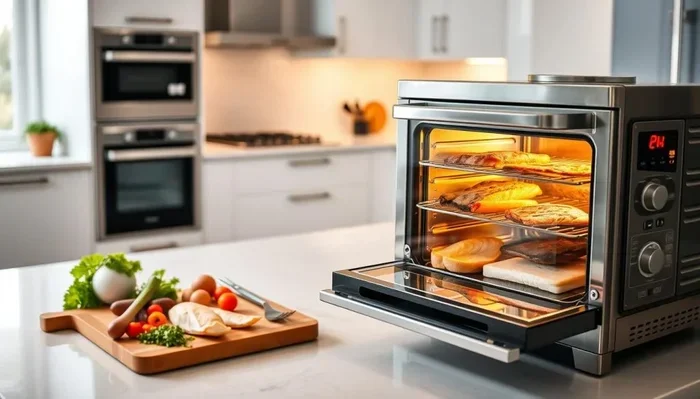
A convection oven uses a fan to move hot air around the food. This creates a very different cooking environment compared to a standard oven. Understanding why this matters helps you appreciate why roasting Brussel sprouts in convection oven produces superior results.
The Fan Makes All The Difference
In a traditional oven, heat rises from the bottom element. The top of the oven gets hotter than the bottom. This creates uneven cooking. Some Brussel sprouts burn while others stay pale and undercooked. A convection oven solves this problem. The fan pushes hot air in a circular motion. Every sprout gets the same amount of heat exposure.
This means your Brussel sprouts cook more evenly from all sides. The outer leaves crisp up beautifully while the inside stays perfectly tender. You also get better caramelization because the moving air evaporates moisture faster. Less moisture means more browning. More browning means more flavor. It is a simple science that makes a huge difference on your plate.
Faster Cooking Times
Another big advantage of using a convection oven for Brussel sprouts is speed. Because the hot air circulates constantly, food cooks about 25 percent faster than in a conventional oven. This is great news if you are feeding a crowd or trying to get dinner on the table quickly.
However, faster cooking also means you need to pay closer attention. Roasting times can vary depending on the size of your Brussel sprouts and how crowded your pan is. We will cover exact timing in detail later in this guide. The key takeaway is that convection ovens save time without sacrificing quality. You get restaurant-quality results in less time.
Energy Efficiency
Because convection ovens cook faster, they also use less energy. Your oven does not need to run as long to reach the same level of doneness. This is a nice bonus for anyone who cares about reducing their energy footprint. Roasting vegetables in a convection oven is one of the most efficient cooking methods you can use at home.
Preparing Your Brussel Sprouts For Convection Roasting
Preparation is the most important step in how to roast Brussel sprouts in convection oven. Skip this step or do it carelessly, and even the best oven will let you down. Take your time with prep, and the results will speak for themselves.
Choosing The Right Brussel Sprouts
Start with fresh, firm Brussel sprouts. Look for ones that are bright green and compact. Avoid any that have yellow leaves, soft spots, or a strong odor. Fresh sprouts cook more evenly and taste much better. Small to medium-sized sprouts work best for roasting because they cook at a similar rate.
You can find fresh Brussel sprouts in the produce section of most grocery stores. Farmers markets are another great source, especially during fall and winter months. Seasonal Brussel sprouts taste better and are often more affordable. If you buy them on the stalk, that is even better — they stay fresh longer.
Trimming And Washing
Rinse your Brussel sprouts under cold running water. Pat them dry with a clean towel. Use a sharp knife to cut off the woody stem end at the bottom. Peel away any loose or discolored outer leaves. These outer leaves tend to burn during roasting and can taste bitter.
For the best results, cut each sprout in half lengthwise. Halving increases the surface area, which means more caramelization and crispiness. It also helps the heat penetrate to the center faster. If your Brussel sprouts are very large, consider quartering them instead.
Drying Is Crucial
This is a step many people skip, but it matters a lot. Moisture is the enemy of crispiness. If your Brussel sprouts are wet when they go on the pan, they will steam instead of roast. Steam makes them soggy and pale. After washing and trimming, spread your sprouts on a clean towel and pat them completely dry.
You can also let them air-dry for a few minutes. The goal is zero surface moisture before they hit the hot pan. This small step makes a massive difference in the final texture of your roasted Brussel sprouts.
The Best Temperature And Time For Perfect Results
Getting the temperature and timing right is the foundation of how to roast Brussel sprouts in convection oven. Too low and they turn out mushy. Too high and they burn before the inside cooks through. Here is what works best.
Ideal Temperature Settings
Set your convection oven to 400°F (200°C). This is the sweet spot for roasting Brussel sprouts. At this temperature, the outside caramelizes quickly while the inside becomes tender and slightly sweet. If you prefer a deeper, more intense flavor, you can go up to 425°F (220°C). Just watch them closely to prevent burning.
Avoid going below 375°F (190°C). Lower temperatures cause the sprouts to roast too slowly, which releases too much moisture. The result is steamed Brussel sprouts instead of roasted ones. High, steady heat is the key to achieving that perfect crispy exterior.
Timing Guidelines
For halved Brussel sprouts at 400°F in a convection oven, roast for 20 to 25 minutes. Smaller sprouts may be done in 18 minutes. Larger ones might need the full 25 minutes or even a few extra.
Here is a simple breakdown to guide you:
- Small sprouts (1 inch): 18 to 20 minutes
- Medium sprouts (1.5 inches): 20 to 22 minutes
- Large sprouts (2 inches or bigger): 22 to 25 minutes
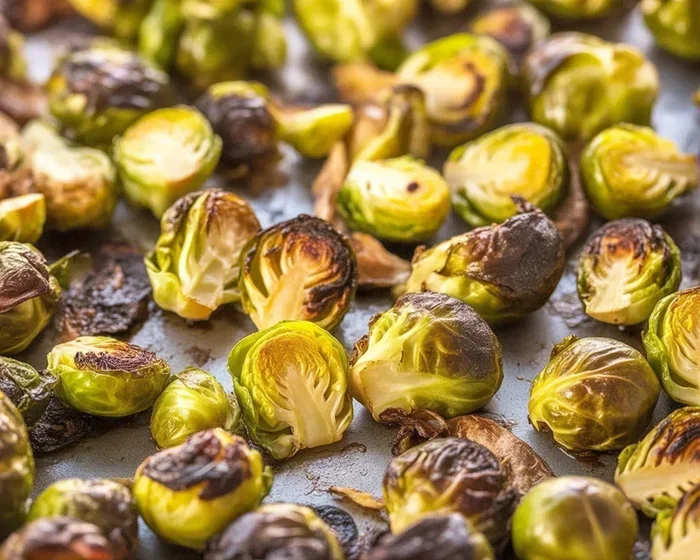
Shake the pan or stir the sprouts halfway through cooking. This ensures even browning on all sides. Check for doneness by piercing the thickest part with a fork. It should slide in easily with slight resistance. The outside should be golden brown with crispy edges.
Using A Thermometer For Precision
If you want to be absolutely precise, use an instant-read thermometer. Insert it into the thickest part of the sprout. The internal temperature should read around 200°F (93°C) when fully roasted. This takes the guesswork out and guarantees consistent results every single time you make this dish.
Seasoning And Flavor Combinations
One of the best things about roasting Brussel sprouts in a convection oven is how versatile they are for seasoning. A simple salt-and-oil base tastes amazing on its own. But you can easily transform them into a completely different dish with a few extra ingredients.
The Classic Seasoning Base
Start with a simple foundation that works every time. Toss your halved Brussel sprouts with:
- 2 tablespoons olive oil per pound of sprouts
- Kosher salt — about 1 teaspoon per pound
- Freshly cracked black pepper — half a teaspoon or to taste
Spread the seasoned sprouts cut-side down on your prepared sheet pan. The cut side faces the hot pan surface, which maximizes caramelization. Season after roasting if you prefer a lighter salt taste, but seasoning before helps the salt penetrate the vegetable during cooking.
Flavor Variations To Try
Once you master the classic method, experiment with these popular flavor combinations:
- Garlic Parmesan: Add minced garlic before roasting and sprinkle grated parmesan cheese in the last 5 minutes of cooking.
- Balsamic Glaze: Drizzle balsamic vinegar and a touch of honey over the sprouts right after they come out of the oven.
- Lemon Herb: Toss with lemon zest, fresh thyme, and a squeeze of lemon juice after roasting.
- Spicy Sriracha: Mix sriracha sauce with a little honey and toss the warm sprouts in the glaze.
- Maple Bacon: Add crispy bacon bits and a drizzle of pure maple syrup after roasting.
Pro tip: Add delicate ingredients like cheese, herbs, and glazes after roasting. The residual heat melts cheese and warms herbs without burning them. This keeps every flavor fresh and vibrant.
What To Avoid In Your Seasoning
Not all seasonings work well for high-heat roasting. Avoid adding sugar-based marinades too early, as they can burn at 400°F. Wet sauces like soy sauce can make the sprouts soggy if applied before cooking. Keep pre-roast seasoning dry and oil-based for the crispiest results. Save the wet sauces and fresh garnishes for after the oven.
Common Mistakes To Avoid When Roasting Brussel Sprouts
Even with a great recipe, small mistakes can ruin your convection oven Brussel sprouts. Learning what not to do is just as important as knowing what to do. Here are the most common pitfalls.
Overcrowding The Pan
This is the number one mistake people make. Crowding the sheet pan traps steam between the sprouts. Steam creates moisture, and moisture prevents caramelization. Your Brussel sprouts will turn out pale, soft, and steamed instead of crispy and roasted.
The fix is simple: use a large sheet pan and spread the sprouts in a single layer with space between each piece. If you need to cook a large batch, use two pans or roast in two batches. The extra effort is absolutely worth it.
Skipping The Preheating Step
Never put Brussel sprouts into a cold oven. Preheating ensures even cooking from the moment the food enters. A preheated oven immediately starts caramelizing the outer surface, which locks in moisture and creates that satisfying crunch.
Give your convection oven at least 10 to 15 minutes to reach the target temperature. Most ovens signal when they are preheated. Wait for that signal before placing your pan inside.
Using The Wrong Pan
Dark, nonstick pans absorb more heat and can cause the bottoms of your Brussel sprouts to burn. Use a light-colored aluminum sheet pan lined with parchment paper or a silicone baking mat. This promotes even browning and makes cleanup a breeze.
Avoid glass or ceramic baking dishes for roasting. They retain heat differently and can lead to uneven cooking. A standard rimmed sheet pan is the best tool for the job.
Not Shaking Or Stirring Midway
Even in a convection oven, hot spots can exist. Shaking the pan or tossing the sprouts at the halfway mark ensures all sides get equal exposure to the hot air. This one simple action transforms your results from good to great.
Serving And Storing Your Roasted Brussel Sprouts
Your Brussel sprouts are perfectly roasted — now what? How you serve and store them affects both the experience and the leftovers. Here is how to make the most of your hard work.
Serving Suggestions
Roasted Brussel sprouts pair beautifully with many main dishes. Serve them alongside:
- Roasted chicken or turkey for a complete comfort meal
- Grilled steak or pork chops for a hearty dinner
- Pasta dishes — toss them into penne with olive oil and parmesan
- Grain bowls — add quinoa, farro, or brown rice for a healthy lunch
- As a standalone appetizer with a dipping sauce like aioli or tahini
Serve immediately after roasting for the best texture. Roasted Brussel sprouts lose their crispiness as they sit. If you need to hold them for a short time, keep them in a warm oven at 200°F for up to 15 minutes.
Storing Leftovers
Store leftover roasted Brussel sprouts in an airtight container in the refrigerator. They keep well for up to 4 days. Reheat them in a hot skillet with a little olive oil to restore some of the crispiness. Avoid reheating in the microwave, which makes them soggy.
You can also freeze roasted Brussel sprouts, but the texture changes. Frozen and reheated sprouts work best in soups, stews, or grain bowls where crispiness is less important. Freeze them in a single layer on a baking sheet first, then transfer to a freezer bag for best results.
Expert Tips For Next-Level Roasted Brussel Sprouts
Want to take your convection oven Brussel sprouts to the next level? These expert tips make a noticeable difference.
- Soak sprouts in salted water for 20 minutes before trimming. This removes any hidden insects and draws out bitterness.
- Leave the outermost leaves on during roasting. They crisp up like natural chips and add a delightful texture.
- Toss with a small amount of cornstarch before seasoning. This creates an ultra-crispy exterior that is restaurant-quality.
- Use flavored olive oil like chili-infused or garlic-infused oil for an extra layer of flavor without extra steps.
- Add a splash of apple cider vinegar right after roasting. The acidity brightens the flavor and balances the sweetness.
The secret to amazing roasted Brussel sprouts comes down to three things: dry sprouts, enough space on the pan, and high consistent heat. Get those three things right, and you will never make bland Brussel sprouts again.
Convection Oven Vs Regular Oven For Roasting Brussel Sprouts
Many home cooks wonder whether a convection oven really makes a difference compared to a standard oven. The answer is yes, and here is why.
A regular oven relies on passive heat. The bottom element heats the air, which rises and slowly circulates. This creates a temperature gradient — the top is hotter, the bottom is cooler. Brussel sprouts on the bottom rack may cook slower and develop less browning than those on the top.
A convection oven eliminates this gradient. The fan forces hot air to circulate uniformly around every piece of food. You get even browning on all sides without having to rotate the pan as often. The faster cooking time also means the inside stays moist while the outside crisps up perfectly.
If you own a convection oven, take full advantage of it for roasting vegetables. The results are noticeably better. If you have a regular oven, you can still get great results — just extend the cooking time by about 5 minutes and rotate the pan halfway through.
Conclusion
How to roast Brussel sprouts in convection oven is a skill that anyone can master with a little practice. The convection oven’s fan-driven heat creates crispy, caramelized, perfectly tender Brussel sprouts every time. From selecting the freshest sprouts to nailing the ideal temperature and timing, each step matters.
Remember to dry your sprouts thoroughly, space them properly on the pan, and season them well. Avoid the common mistakes of overcrowding and skipping the preheat. Experiment with different flavors to keep this simple side dish exciting and new.
Roasting Brussel sprouts in a convection oven is one of the easiest ways to elevate a humble vegetable into a crowd favorite. Whether you serve them as a side dish, toss them into a salad, or enjoy them as a healthy snack, they are always a hit. Now that you have all the knowledge and tips, it is time to head to your kitchen and put them to use. Your taste buds will thank you.
Frequently Asked Questions
Can I roast frozen Brussel sprouts in a convection oven?
Yes, you can roast frozen Brussel sprouts in a convection oven, but results are best if you thaw and dry them first. Frozen sprouts carry extra moisture, which prevents caramelization and crispiness. If you must roast them frozen, spread them in a single layer and add 5 to 10 minutes to the cooking time. Pat them as dry as possible with a towel before seasoning and roasting.
What is the best cut for roasting Brussel sprouts?
Halving Brussel sprouts lengthwise is the best cut for convection oven roasting. The flat cut side sits directly on the hot pan, maximizing surface contact and caramelization. For very large sprouts, quartering works well. Whole small sprouts can be roasted too, but they take longer and may not cook as evenly inside.
How do I know when roasted Brussel sprouts are done?
Done Brussel sprouts have golden brown, crispy edges and are tender when pierced with a fork. The thickest part should slide through easily with slight resistance. Internal temperature should reach around 200°F. If the outside looks dark brown or black, they may be overcooked. Check them a few minutes early and adjust based on your oven’s performance.
Can I use a convection oven for other vegetables the same way?
Absolutely. Convection ovens work wonderfully for roasting almost any vegetable. Cauliflower, broccoli, sweet potatoes, carrots, and asparagus all benefit from the even, circulating heat. The same principles apply — dry the vegetables, space them on the pan, and roast at high heat. Adjust cooking times based on the vegetable’s density and size.
Why are my roasted Brussel sprouts soggy instead of crispy?
Soggy Brussel sprouts usually result from too much moisture. This happens when you skip drying them after washing, overcrowd the pan, or use a pan that traps steam. Make sure your sprouts are thoroughly dry before oiling and seasoning. Give them plenty of space on the sheet pan. Also, avoid covering them after roasting, as trapped steam softens the crispy exterior.
What temperature should I set my convection oven to for Brussel sprouts?
Set your convection oven to 400°F (200°C) for the best results. This temperature creates the perfect balance of crispy exterior and tender interior. If your oven runs hot, you can drop it to 385°F. For a deeper caramelization with more char, try 425°F but watch the sprouts closely to prevent burning. Always preheat your oven before adding the Brussel sprouts.