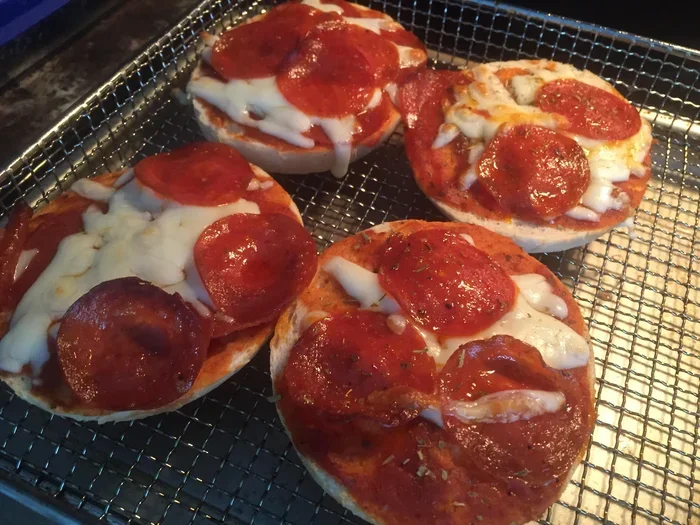
What Temperature To Cook Pizza In Home Oven Perfectly
Cooking pizza at home is all about getting the right what temperature to cook pizza in home oven setting. Most home ovens work best between 450°F and 500°F for a crispy crust and perfectly melted cheese. Whether you use a pizza stone or bake directly on the rack, the right temperature makes all the difference.
This is a comprehensive guide about What Temperature To Cook Pizza In Home Oven.
Key Takeaways
- Ideal Temperature Range: Most home ovens produce the best pizza between 450°F and 500°F for a golden crust and bubbly cheese.
- Preheat Is Essential: Always preheat your oven for at least 30 minutes to reach the target pizza cooking temperature before baking.
- Pizza Stone Matters: Using a pizza stone or baking steel can mimic the high heat of a professional oven and improve crust quality significantly.
- Thin Crust vs. Thick Crust: Different pizza styles need different temperatures. Thin crusts bake at higher heat while thick doughs need slightly lower settings.
- Oven Rack Position: Placing the rack in the lower third of the oven helps the bottom crust crisp up evenly.
- Frozen Pizza Tips: Frozen pizzas often need a slightly lower temperature and longer bake time than fresh homemade pizza.
[FEATURED_IMAGE_PLACEHOLDER]
What Temperature To Cook Pizza In Home Oven
Making pizza at home is one of the most satisfying things you can do in the kitchen. But if your crust comes out soggy or the cheese isn’t bubbling right, the problem is almost always temperature. Getting the what temperature to cook pizza in home oven right changes everything.
A home oven is not the same as a professional pizza oven. A wood-fired pizza oven can reach 800°F or more. Your regular home oven maxes out around 500°F to 550°F. But here is the good news. You do not need extreme heat to make amazing pizza at home. You just need to know the right settings, the right tools, and the right timing.
In this guide, I will walk you through everything you need to know about baking pizza at home. From the ideal temperature range to the best oven rack position, I have got you covered. Whether you are making a thin Neapolitan-style crust or a thick Detroit-style pizza, this article will help you get it right every single time.
Let us start with the basics and then dive into the details that will take your home oven pizza to the next level.
Why Temperature Matters So Much For Pizza
Temperature is the single most important factor in oven-baked pizza. It affects the crust texture, cheese melt, and how the toppings cook. Too low and you end up with a floppy, greasy pizza. Too high and the cheese burns before the crust is done.
Here is what happens at different pizza oven temperature levels:
- Below 400°F: The crust takes too long to bake. It absorbs grease from the cheese and toppings. The result is a soggy, limp pizza.
- 400°F to 450°F: This works for thick-crust pizzas and frozen pizzas. The crust bakes through but may not get very crispy.
- 450°F to 500°F: This is the sweet spot for most homemade pizza. The crust gets golden and crispy while the cheese melts perfectly.
- 500°F to 550°F: This is the maximum for most home ovens. At this range, you can achieve a thin, crispy crust that resembles wood-fired oven results.
The key takeaway is simple. The hotter your oven, the better your pizza will be. But you also need balance. The pizza baking temperature must match your dough thickness and topping load.
The Best Temperature Settings For Different Pizza Types
Not all pizza is the same. A thin Margherita pizza needs a different approach than a deep-dish Chicago pizza. Here is a breakdown of the best temperature to bake pizza for each popular style.
Thin Crust Pizza
Thin crust pizza is all about speed and high heat. You want the oven as hot as it can go. Set your oven to 500°F to 550°F. Place the pizza on the lowest rack position.
Bake for 8 to 12 minutes. Watch it closely after the 8-minute mark. The cheese should be bubbly and slightly browned. The crust should be golden and firm. If you have a pizza stone, place it on the lowest rack while preheating. This mimics the intense heat of a professional pizza oven.
If you want to get fancy, try making your own tandoori-style oven at home for a different flavor profile. Check out this guide on how to make a tandoori oven for creative ideas on building a high-heat cooking setup.
Thick Crust And Deep Dish Pizza
Thick crust pizzas need more time to bake through. Set your oven to 425°F to 450°F. A lower temperature gives the thick dough time to cook without burning the toppings.
Bake for 20 to 30 minutes depending on thickness. The crust should be golden brown and the cheese fully melted. Deep dish pizzas often need a longer bake because of the heavy dough and generous toppings.
Frozen Pizza
Frozen pizzas are designed for home ovens. Follow the package instructions. Most frozen pizzas bake best at 400°F to 425°F. They usually need 12 to 18 minutes.
If you want a crispier frozen pizza, crank the temperature up by 25°F and reduce the bake time slightly. A pizza stone also works wonders here. Just make sure it is preheated for at least 30 minutes.
Reheating Leftover Pizza
Reheating pizza is an art. Set your oven to 375°F to 400°F. Place the slice on a baking sheet or directly on the oven rack. Reheat for 5 to 8 minutes.
This low and slow approach keeps the crust crispy without burning the cheese. Avoid microwaving if you want the best results. A microwave makes the crust rubbery. An oven brings back the crunch.
How To Use A Pizza Stone For Better Results
A pizza stone is one of the best investments you can make for home oven pizza. It absorbs moisture from the dough and helps create a crispy bottom crust. But using it correctly matters more than just buying one.
Here is how to get the most out of your pizza stone:
- Preheat for at least 30 minutes. Place the stone on the lowest rack and let the oven heat up fully. The stone needs to be screaming hot before the pizza goes in.
- Place the stone on the lowest rack. This puts the pizza closer to the bottom heating element, which mimics the heat of a traditional pizza oven.
- Use a pizza peel or parchment paper. Sliding the dough onto a hot stone can be tricky. A peel or parchment paper makes it easier.
- Do not wash the stone with soap. Just wipe it clean with a dry cloth. Soap can seep into the porous surface and affect the taste of your bake pizza later.
The pizza stone temperature should match your oven setting. If you bake at 500°F, the stone should also be at 500°F. This even heat distribution is what gives you that perfect crispy pizza crust.
Common Mistakes People Make When Baking Pizza At Home
Even experienced home cooks make mistakes when baking pizza. Here are the most common errors and how to avoid them.
Not Preheating Long Enough
This is the number one mistake. Many people throw the pizza in after only 10 minutes of preheating. Your oven needs time to reach the target pizza oven temperature. Give it at least 30 minutes. If you use a pizza stone, preheat for a full hour.
A cold oven means a soggy crust. It also means the cheese will not melt evenly. Take the time to preheat properly. Your homemade pizza will thank you.
Overloading The Pizza With Toppings
Too many toppings trap moisture. The water from vegetables and sauce has nowhere to go. It soaks into the dough and makes the crust soggy.
Keep toppings light and spread them evenly. Less is more when it comes to baking pizza at home. A simple Margherita with fresh basil, mozzarella, and a drizzle of olive oil often outperforms a heavily loaded pizza.
Opening The Oven Door Too Often
Every time you open the oven door, you lose heat. The temperature can drop by 25°F to 50°F. This slows down the baking process and affects crust quality.
Resist the urge to peek. Use the oven light to check on your pizza. If you need to rotate the pizza for even browning, do it quickly and close the door right away.
Using The Wrong Rack Position
Placing the pizza on the top rack often leads to a burnt top and an undercooked bottom. The bottom rack is usually the best position for oven-baked pizza. It puts the crust closest to the heat source.
If you have a convection oven, the middle rack can also work well. The fan circulates hot air evenly, so the pizza cooks more uniformly.
Expert Tips For Perfect Pizza Every Time
Want to take your what temperature to cook pizza in home oven game to the next level? Here are some pro tips that make a huge difference.
Use a Baking Steel Instead of a Pizza Stone
A baking steel conducts heat better than a pizza stone. It stores more thermal energy and transfers it to the dough faster. This creates an even crispier bottom crust. Baking steels are a bit more expensive, but they are worth it if you bake pizza regularly.
Brush The Crust With Olive Oil
A light brush of olive oil on the dough before adding toppings does two things. It adds flavor and it helps the crust brown faster. This is a simple trick that elevates the look and taste of your home oven pizza.
Try The Broiler Method
After baking the pizza at your regular temperature, switch the oven to broil for the last 1 to 2 minutes. This gives the top an extra burst of heat. The cheese gets bubbly and slightly charred. The crust stays crispy underneath.
Watch it closely during broiling. It can go from perfect to burnt in seconds.
Let The Dough Come To Room Temperature
Cold dough does not stretch well and does not bake evenly. Take your dough out of the fridge 30 to 60 minutes before you plan to bake. Let it warm up to room temperature. This simple step improves the texture and rise of your pizza dough temperature during baking.
Experiment With Different Flours
The type of flour you use affects how the crust behaves at different temperatures. Bread flour has more protein and creates a chewier crust. All-purpose flour makes a lighter crust. Experiment to find what works best for your preferred pizza oven settings.
How To Know When Your Pizza Is Done
Timing matters, but visual cues matter even more. Here is how to tell if your bake pizza is ready:
- The crust is golden brown. Look at the edges. They should be a deep golden color, not pale and not dark brown.
- The cheese is bubbly and slightly browned. Bubbles indicate the cheese is fully melted. Light brown spots on the cheese mean you have hit the right pizza cooking temperature.
- The bottom crust sounds hollow. Lift the pizza with a spatula. Tap the bottom. If it sounds hollow, the crust is crispy and done.
- The toppings look cooked. Vegetables should be slightly softened. Meats should be cooked through.
If you are unsure, pull the pizza out and check it every 2 minutes. It is better to check frequently than to overbake.
How To Adjust For Different Oven Types
Every oven is a little different. Here is how to adjust your pizza bake temperature based on your oven type.
| Oven Type | Recommended Temperature | Bake Time | Special Notes |
|---|---|---|---|
| Standard Electric | 450°F to 500°F | 10 to 15 min | Preheat with pizza stone for best results |
| Gas Oven | 475°F to 525°F | 8 to 12 min | Gas ovens heat up faster and maintain steady heat |
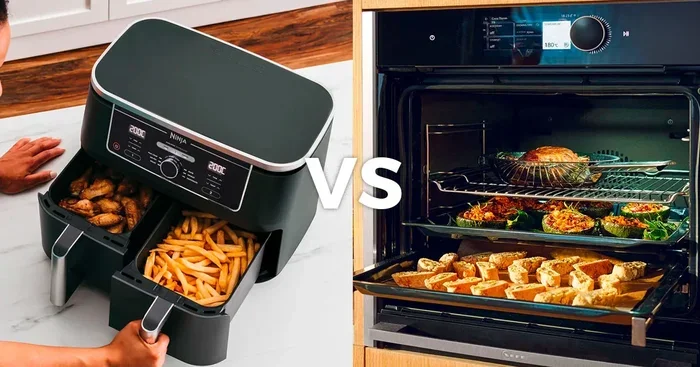
| Convection Oven | 425°F to 475°F | 8 to 12 min | Reduce temp by 25°F due to fan circulation |
| Toaster Oven | 400°F to 450°F | 8 to 10 min | Best for personal-sized pizzas |
| Microwave (not recommended) | N/A | 2 to 4 min | Results in soft, soggy crust |
As you can see, the what temperature to cook pizza in home oven varies depending on your setup. Convection ovens need a slightly lower temperature because the fan circulates hot air more efficiently. Toaster ovens work great for single servings but may not achieve the same crispiness as a full-size oven.
Also, keep in mind that oven thermometers are very helpful. Many ovens run hotter or cooler than the dial suggests. An oven thermometer takes the guesswork out of baking pizza at home.
Pairing Pizza Baking With Other Oven Recipes
Once you master the art of baking pizza at the right temperature, you can start experimenting with other oven recipes too. For example, if you love cooking stuffed dishes in the oven, check out this guide on how to cook stuffed rouladen in the oven. It pairs well with the same temperature control skills you use for pizza.
You might also want to know more about oven safety. If you ever wonder about using boxes or containers in the oven, understanding what is safe makes a big difference. Learn more about is it safe to put a pizza box in the oven to avoid any kitchen hazards.
Final Thoughts On Getting The Right Pizza Temperature
Getting the what temperature to cook pizza in home oven right is the foundation of great homemade pizza. The ideal range is between 450°F and 500°F for most styles. Use a pizza stone or baking steel. Preheat for at least 30 minutes. And keep an eye on your pizza as it bakes.
Temperature control is the skill that separates good pizza from great pizza. Once you nail it, you will never go back to delivery again. Your home oven pizza will be crispy, bubbly, and full of flavor every single time.
Start with the basics. Experiment with different temperatures and styles. Learn what works best for your specific oven. Before long, you will be making pizza that rivals your favorite pizzeria. The key is patience, practice, and paying attention to the heat.
So preheat that oven. Roll out the dough. And make the best bake pizza you have ever had at home. You have got this.
Frequently Asked Questions
What is the best temperature to cook pizza in a home oven?
The best temperature for baking pizza at home is between 450°F and 500°F. This range gives you a crispy crust and perfectly melted cheese. If you have a thin crust, aim for the higher end. For thick crust, 425°F to 450°F works better.
How long should I preheat the oven before baking pizza?
Preheat your oven for at least 30 minutes at your target pizza oven temperature. If you are using a pizza stone or baking steel, preheat for a full hour. This ensures the stone is hot enough to crisp the crust from the bottom.
Can I use a pizza stone in a home oven?
Yes, a pizza stone works great in a home oven. It absorbs moisture from the dough and helps create a crispy bottom. Place it on the lowest rack and preheat it fully before baking your homemade pizza.
What temperature should I use for frozen pizza?
Most frozen pizzas bake best at 400°F to 425°F. Follow the package instructions for the best results. If you want a crispier crust, increase the temperature by 25°F and reduce the bake time slightly.
Why is my pizza crust soggy even at the right temperature?
A soggy crust usually means too many wet toppings or not enough preheating. Make sure your oven and pizza stone are fully preheated. Also, use less sauce and pat dry any watery vegetables before adding them to your oven-baked pizza.
Does a convection oven change the pizza baking temperature?
Yes, convection ovens circulate hot air, so you should reduce the temperature by about 25°F. If you normally bake at 500°F, set your convection oven to 475°F. The pizza will still bake evenly and get a great crispy pizza crust.