Why Does My Stove Work But Not My Oven Troubleshooting Guide
Why does my stove work but not my oven? is one of the most common kitchen questions. When your burners fire up but the oven stays cold, the problem usually lies in a failed heating element, a broken igniter, or a blown thermal fuse. This guide walks you through every likely cause and fix so you can get your oven back to baking, broiling, and roasting without calling a technician.
You fire up the stove to boil water for pasta, and everything works perfectly. Then you set the oven to 375 degrees for a roast, and… nothing. The oven stays cold. This frustrating situation happens to homeowners all the time. The good news is that why does my stove work but not my oven is a question with clear answers and fixable solutions.
Your stove and oven may look like one unit, but they are really two separate appliances sharing a cabinet. The burners on top use a completely different set of parts than the oven below. So when the top works and the bottom does not, the problem is isolated to the oven’s internal components. This separation of function is actually good news for you because it narrows down what could be wrong.
In this troubleshooting guide, we will walk through every major reason an oven stops heating while the stove keeps working. We will cover gas ovens, electric ovens, and the specific parts that fail most often. You will learn how to diagnose the problem yourself, what quick fixes you can try at home, and when it is time to bring in a professional. Let us get into it.
Understanding your oven starts with knowing the basic parts that make it work. Whether you have a gas oven or an electric oven, several key components handle the heating process. The bake element at the bottom provides most of the heat for baking. The broil element at the top handles high-heat broiling. In gas models, an igniter lights the gas burner inside the oven. A thermostat regulates temperature, and a control board acts as the brain of the whole operation.
When any one of these parts fails, the oven loses its ability to heat. But here is the key thing: the stove burners sit on top and run on a completely separate circuit and set of components. That is why your stove burner can work perfectly while the oven stays stone cold. The two systems are independent, and so are their failure points.
Now let us dive into the specific reasons this happens. We will go section by section so you can pinpoint the problem quickly.
Key Takeaways
- Stove and oven are separate systems: Your cooktop and oven have independent parts that can fail without affecting each other.
- Heating element failure is the #1 cause: A burned-out bake or broil element is the most common reason an oven won’t heat.
- Gas ovens rely on an igniter: If the igniter glows weakly or not at all, your gas oven won’t light even if the stove works fine.
- Thermal fuses and control boards matter: These safety and electronic parts can fail over time and stop oven function entirely.
- Many fixes are DIY-friendly: You can test and replace elements, igniters, and fuses with basic tools and a multimeter.
- Regular maintenance prevents problems: Cleaning oven components and checking for wear can extend your appliance’s life significantly.
- Know when to call a pro: Control board failures and wiring issues are best left to qualified technicians for safety.
📑 Table of Contents
- Why Does My Stove Work But Not My Oven: The Most Common Causes
- How to Diagnose the Problem Step by Step
- Quick Fixes You Can Do Yourself
- When to Call a Professional
- Preventing Future Oven Problems
- Understanding Oven Heating: How It All Works Together
- Comparison Table: Gas vs. Electric Oven Common Failures
- Key Takeaways
- Final Thoughts
Why Does My Stove Work But Not My Oven: The Most Common Causes
Failed Bake Element (Electric Ovens)
The bake element is the metal tube at the bottom of your oven cavity. It glows red hot when the oven is heating. Over time, this element can burn out, crack, or develop holes. When this happens, the oven simply cannot heat from the bottom. This is the single most common reason why does my stove work but not my oven in electric models.
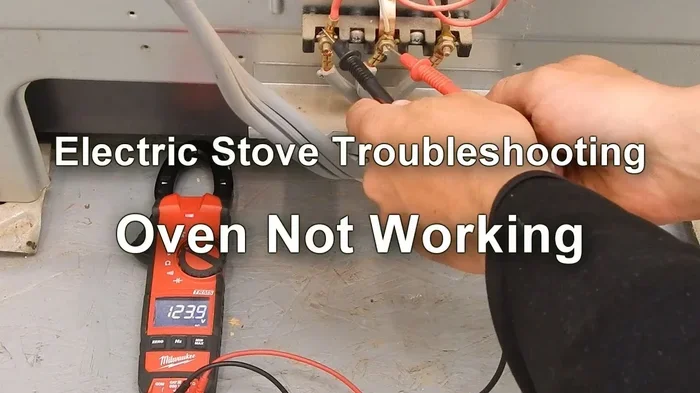
You can often spot a bad bake element by looking at it. If you see blisters, holes, or visible damage on the surface, that is your culprit. Sometimes the damage is not visible from the outside, but the element still fails internally. In that case, you will need a multimeter to test for continuity. No continuity means the element is dead and needs replacement.
Replacing a bake element is one of the easier oven repairs you can do yourself. Most elements are held in place by a few screws and connected with simple wiring. Just make sure you turn off the power before you start working.
Burned-Out Broil Element
The broil element sits at the top of the oven and provides direct high heat for broiling. If this element fails, your oven may still work for baking but will not broil properly. Some ovens rely on both elements working together for even heat distribution. A dead broil element can cause uneven cooking or complete heating failure in certain modes.
Check the broil element for the same signs of damage: visible cracks, blistering, or holes. A multimeter test will confirm whether it has failed. Replacement is straightforward and similar to replacing the bake element.
Faulty Igniter (Gas Ovens)
If you have a gas oven, the igniter is the part that lights the gas inside the oven cavity. This is a very common failure point. When the igniter starts to wear out, it may glow but not get hot enough to open the gas valve. The result is an oven that does not heat at all, even though the stove burners on top work perfectly fine.
One easy test is to watch the igniter when you turn on the oven. A healthy igniter should glow bright orange within 30 to 60 seconds. If it glows weakly, takes a long time, or does not glow at all, the igniter is likely the problem. Replacing a gas oven igniter is a common DIY oven fix that most homeowners can handle with basic tools.
Blown Thermal Fuse
The thermal fuse is a safety device that protects your oven from overheating. If the oven gets too hot, the fuse blows and cuts power to the heating system. Once a thermal fuse blows, the oven will not heat at all. This is a one-time safety feature. The fuse cannot be reset and must be replaced.
Thermal fuses can blow for several reasons. A clogged oven vent, a faulty thermostat, or a short in the wiring can all cause overheating that triggers the fuse. Before replacing the fuse, it is worth investigating why it blew in the first place. Otherwise, the new fuse may blow again soon after installation.
Defective Oven Control Board
The control board is the electronic brain that tells your oven when to heat and how much. If this board fails, the oven may not respond to any temperature settings. The stove will still work because it runs on a separate control circuit.
Control board failures are less common than heating element issues, but they do happen. Signs include the oven not responding to button presses, displaying error codes, or heating inconsistently. Replacing a control board is more complex and may require professional help, especially if you are not comfortable working with electrical components.
Oven Thermostat or Temperature Sensor Failure
The thermostat or temperature sensor tells the oven when to turn the heat on and off. If this sensor malfunctions, the oven may not heat properly or may heat to the wrong temperature. You might notice food burning on the outside while staying raw inside. This is a sign of a temperature calibration problem, often caused by a faulty sensor.
Testing the sensor requires a multimeter to check its resistance at room temperature. Most sensors should read around 1,000 to 1,100 ohms at 70 degrees Fahrenheit. If the reading is way off, the sensor needs replacement. This is another fix that is manageable for most handy homeowners.
How to Diagnose the Problem Step by Step
Step 1: Identify Your Oven Type
The first step in troubleshooting is knowing what kind of oven you have. Gas ovens and electric ovens have different parts that fail. Gas models rely on igniters and gas valves, while electric models use heating elements. Check your oven manual or look for a model number on the inside of the door or on the back of the unit.
Step 2: Test the Heating Elements
For electric ovens, visually inspect both the bake and broil elements. Look for any visible damage. Then use a multimeter set to continuity mode. Touch the probes to the element terminals. If there is no continuity, the element is burned out and needs replacing. This is the fastest way to confirm whether a heating element is the cause.
Step 3: Check the Igniter (Gas Models)
For gas ovens, turn the oven on and watch the igniter. It should glow brightly within one minute. If it glows dimly or takes more than two minutes to light the gas, the igniter is weak and needs replacement. A weak igniter is one of the sneaky reasons why does my stove work but not my oven in gas models.
Step 4: Inspect the Thermal Fuse
Locate the thermal fuse, which is usually found near the top or back of the oven cavity. Use a multimeter to test for continuity. If the fuse shows no continuity, it has blown and needs replacement. Remember to find out what caused the overheating before installing a new fuse.
Step 5: Examine the Control Board
If all the heating parts check out fine, the problem may be the control board. Look for signs of burning, corrosion, or damaged traces on the board. This step often requires a professional diagnosis because control board issues can be complex and vary widely between oven models.
Quick Fixes You Can Do Yourself
Reset the Oven
Sometimes the simplest fix is also the easiest. Turn off the oven at the circuit breaker for 30 seconds, then turn it back on. This resets the electronic controls and can clear minor glitches that prevent the oven from heating. It is like restarting a computer. Many people skip this step, but it solves a surprising number of oven problems.
Clean the Igniter and Gas Ports
For gas ovens, grease and food debris can clog the gas ports and prevent proper ignition. Use a soft brush or toothpick to clean around the igniter and the gas burner openings. This simple maintenance task can restore oven function without any part replacements at all.
Check the Power Supply
Electric ovens need a dedicated 240-volt circuit to operate. If the oven is on a shared circuit or if a breaker has tripped, the oven will not heat while the stove (which runs on 120 volts) keeps working. Check your electrical panel and make sure the oven breaker is fully engaged. If it keeps tripping, there may be a wiring issue that needs professional attention.
Recalibrate the Oven Temperature
If your oven heats but not to the right temperature, you may just need to recalibrate. Most ovens have a calibration feature accessible through the control panel. Refer to your owner manual for specific instructions. You can also use an oven thermometer to verify the actual temperature inside the cavity and adjust accordingly.
Speaking of oven cooking, if you are looking for recipe ideas once your oven is working again, cooking stuffed rouladen in the oven is a fantastic way to put your fixed oven to good use. It is a classic dish that rewards even heat and a properly functioning oven.
When to Call a Professional
Not every oven problem is a DIY fix. Some issues require the skills and tools of a qualified appliance technician. You should call a professional if you encounter any of the following situations.
First, if you smell gas near your oven and you have a gas model, do not attempt any repairs yourself. Gas leaks are dangerous and require immediate attention from a licensed technician. Turn off the gas supply and leave the area until a professional arrives.
Second, if you are uncomfortable working with electrical components, it is perfectly fine to call for help. Oven repair involves high voltages that can be dangerous without proper training and equipment. Your safety always comes first.
Third, if you have replaced the obvious parts like elements and igniters but the oven still does not work, the problem may be deeper. A control board failure, wiring issue, or main power relay problem requires advanced diagnostic skills. A professional can pinpoint these issues quickly and safely.
Finally, if your oven is more than 15 years old and needs multiple repairs, it may be more cost-effective to replace it entirely. Modern ovens are far more energy-efficient and often come with better warranties and smart features.
On the topic of oven safety, it is worth mentioning that using the wrong materials in your oven can cause serious problems. For example, placing a pizza box inside the oven is a common mistake that can lead to fire hazards. If you want to learn more about what is safe and what is not, check out our article on is it safe to put a pizza box in the oven for important safety guidelines.
Preventing Future Oven Problems
Regular Cleaning Habits
Keeping your oven clean is one of the best ways to prevent problems. Grease buildup can clog gas ports, affect heating elements, and even create unpleasant odors or smoke during cooking. Wipe down the oven interior regularly, and clean up spills as soon as they cool. A clean oven runs more efficiently and lasts longer.
Avoid Overloading the Oven
Overloading your oven with too many dishes blocks airflow and forces the heating elements to work harder than they should. This can lead to uneven cooking and premature wear on the heating components. Give your oven room to circulate heat properly by not overcrowding the racks.
Use Oven-Safe Cookware
Not all cookware is safe for oven use. Using the wrong pots and pans can damage both the cookware and the oven. Always check manufacturer guidelines before placing any dish inside. Using proper oven-safe bakeware protects your oven and ensures even cooking results.
Schedule Periodic Professional Maintenance
Even with good home care, it is wise to have a professional inspect your oven every few years. A technician can spot worn parts, loose connections, and potential issues before they become major problems. Think of it as a tune-up for your oven, similar to how you would service a car.
Know Your Oven’s Age and Model
Keeping track of your oven’s age and model number helps you stay ahead of common issues for your specific unit. Many manufacturers post recall notices and known problems for specific models. A quick search with your model number can reveal whether your oven has any known defects or common failure points.
If you ever want to explore more about oven types and how they work, our guide on how to make a tandoori oven offers great insights into oven design and heating principles that apply to many different oven styles.
Understanding Oven Heating: How It All Works Together
Now that you know the common causes of oven failure, it helps to understand how oven heating actually works. In an electric oven, the bake element at the bottom does most of the heavy lifting for baking. The broil element at the top kicks in for broiling and helps maintain even temperatures. Both elements cycle on and off based on signals from the thermostat and control board.
In a gas oven, the process is different. When you set the temperature, the control board sends power to the igniter. The igniter heats up and opens the gas valve. Gas flows to the burner and ignites. The thermostat monitors the temperature and signals the control board to stop gas flow once the target temperature is reached. Then the cycle repeats as the oven cools slightly.
When any part of this chain breaks, the oven stops heating. But because the stove burners operate on a completely separate system, they keep working normally. This is the core reason you can have a fully functional stove and a completely dead oven at the same time.
Understanding this basic principle helps you narrow down the problem faster. If the oven does not heat at all, the issue is likely in the heating element, igniter, or power supply. If the oven heats unevenly, the problem may be a weak element, a faulty thermostat, or a blocked vent. If the oven heats but the wrong temperature, the sensor or calibration is probably off.
For everyday cooking, maintaining the right oven temperature is essential for great results. Whether you are baking bread, roasting vegetables, or preparing a Sunday roast, a properly functioning oven makes all the difference. If your oven is not performing at its best, it is worth investigating the cause rather than just guessing at cooking times and temperatures.
Comparison Table: Gas vs. Electric Oven Common Failures
| Problem | Gas Oven | Electric Oven |
|---|---|---|
| Oven does not heat at all | Faulty igniter, blown thermal fuse, failed gas valve | Burned-out bake element, blown thermal fuse, control board failure |
| Oven heats unevenly | Clogged burner ports, weak igniter | Failing bake element, faulty convection fan |
| Oven heats but wrong temperature | Faulty thermostat, dirty temperature sensor | Failed temperature sensor, control board issue |
| Oven does not broil | Faulty broil igniter | Burned-out broil element |
| Oven takes too long to preheat | Weak igniter, gas pressure issue | Failing bake element, poor insulation |
| Oven makes unusual noises | Gas valve clicking, fan motor issue | Fan motor failure, element expanding |
This table gives you a quick reference for matching your symptoms to the most likely cause. Use it as a starting point for your troubleshooting, and then dig deeper into the specific parts mentioned.
Key Takeaways
- Separate systems: Your stove and oven are independent, so one can fail while the other keeps working perfectly.
- Heating elements fail most often: A burned-out bake or broil element is the top reason electric ovens stop heating.
- Gas igniters wear out: A weak or dead igniter is the most common cause of gas oven heating failure.
- Thermal fuses are one-time safety devices: Once blown, they must be replaced and the root cause of overheating must be addressed.
- Many repairs are DIY-friendly: Replacing elements, igniters, and fuses is straightforward with basic tools and a multimeter.
- Call a pro for complex issues: Control board failures, wiring problems, and gas leaks require professional handling.
- Maintenance prevents problems: Regular cleaning and periodic professional inspections keep your oven running smoothly for years.
Final Thoughts
Dealing with an oven that will not heat while the stove works perfectly is frustrating, but it is almost always a fixable problem. The key is to approach it systematically. Start with the simplest explanations, like a tripped breaker or a dirty igniter, and work your way up to more complex issues like control board failures.
Most of the time, why does my stove work but not my oven comes down to one of a handful of common parts: the bake element, the broil element, the igniter, the thermal fuse, or the control board. With a little patience and a basic multimeter, you can diagnose and often fix the problem yourself. You will save money on service calls and gain confidence in your ability to maintain your kitchen appliances.
Remember to always prioritize safety. Turn off the power before working on any electrical components. If you smell gas, leave the area and call a professional immediately. And when in doubt, there is no shame in calling a qualified technician. A good oven repair expert can diagnose problems quickly and get your oven back to full working order.
Once your oven is fixed, the real fun begins. Fire up the oven, try a new recipe, and enjoy the satisfaction of a job well done. Happy cooking.
Frequently Asked Questions
Why does my oven not heat up but the stove works fine?
This happens because your stove and oven are two separate systems with independent parts. The most common causes are a burned-out bake element, a faulty igniter in gas models, or a blown thermal fuse. These parts only affect the oven and leave the stove burners completely unaffected.
Can I still use my stove if my oven is broken?
Absolutely. Since the cooktop and oven operate on different circuits and components, a broken oven does not impact stove functionality. You can continue boiling, sautéing, and frying on the stovetop while you troubleshoot or repair the oven.
How do I know if my oven heating element is bad?
Look for visible damage like cracks, blisters, or holes on the element surface. You can also use a multimeter to test for continuity. If the multimeter shows no continuity, the element is burned out and needs replacement. No continuity means the electrical path is broken and the element cannot heat.
How much does it cost to fix an oven that will not heat?
Costs vary depending on the part and oven type. Replacing a bake element typically costs between 50 and 100 dollars for the part. Igniter replacements run around 75 to 150 dollars. Thermal fuses are usually 20 to 50 dollars. Control board replacements are the most expensive, ranging from 200 to 600 dollars including parts and labor.
Is it safe to repair an oven myself?
Many oven repairs are safe for DIYers with basic electrical knowledge. Replacing heating elements, igniters, and thermal fuses are straightforward tasks. However, you should never work on the oven while it is connected to power. Always turn off the circuit breaker first. If you are unsure about any step, consult a professional technician.
How can I prevent my oven from failing?
Regular cleaning, avoiding overloading the oven, using oven-safe cookware, and scheduling periodic professional maintenance are the best ways to prevent oven failures. Keeping the oven interior clean prevents grease buildup that can clog gas ports and affect heating elements. Also, address any unusual smells or noises promptly before they become bigger problems.
=== CONCLUSION ===
Why does my stove work but not my oven is a question with clear, solvable answers in most cases. Whether the culprit is a failed heating element, a worn-out igniter, a blown thermal fuse, or a faulty control board, understanding the root cause is the first step toward a fix. Most of the common causes we covered in this guide can be diagnosed with a visual inspection and a basic multimeter test. Many repairs are well within the range of a confident homeowner with standard tools.
Remember to always put safety first. Disconnect power before working on any internal components, and never attempt gas repairs if you are not trained. When the problem is beyond your comfort level, a qualified appliance technician can get the job done right. With the right diagnosis and the appropriate fix, your oven will be back to baking, broiling, and roasting in no time. Now go enjoy a perfectly cooked meal in your fully working oven.