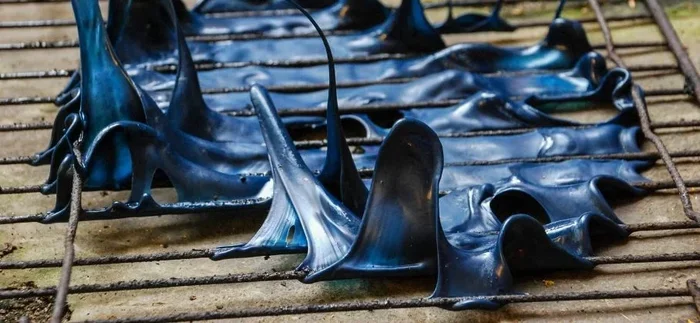
Simple Methods To Get Melted Plastic Off Oven Rack
Getting melted plastic off your oven rack is easier than you think. With the right cleaning methods like baking soda, vinegar, and ice, you can remove plastic residue safely and quickly. This guide covers the best techniques, prevention tips, and expert advice to keep your oven rack spotless and ready for your next oven rack cleaning session.
Key Takeaways
- Ice method works fast: Freezing melted plastic makes it brittle and easy to scrape off without harsh chemicals.
- Baking soda and vinegar are powerhouse cleaners: This natural combo dissolves plastic residue safely on all rack types.
- Soak time matters: Letting your oven rack soak for at least 30 minutes loosens stubborn plastic bonds.
- Prevention is key: Covering food properly and staying near the oven stops plastic from melting in the first place.
- Know when to replace: Deeply damaged racks with warping or heavy corrosion should be swapped out for safety.
- Non-toxic cleaners protect your kitchen: Using household solutions keeps your family safe from harsh chemical fumes.
- Regular maintenance extends rack life: Cleaning your oven rack after every use prevents buildup and keeps it functioning well.
📑 Table of Contents
- Why Does Plastic Melt on Oven Racks?
- What You Need Before You Start Cleaning
- Best Methods To Remove Melted Plastic From Oven Racks
- How To Prevent Plastic From Melting on Your Oven Rack Again
- When To Replace Your Oven Rack Instead of Cleaning It
- Expert Insights and Pro Tips
- Common Mistakes To Avoid When Cleaning Melted Plastic
- Conclusion
Why Does Plastic Melt on Oven Racks?
Plastic and ovens are a bad combination. When plastic touches a hot oven rack, it softens and sticks fast. The heat bonds the plastic to the metal surface, making it really hard to remove. This happens more often than you might think.
Most people accidentally leave a plastic wrapper or container inside the oven. Others forget about a dish covered in plastic wrap. Either way, the result is the same. You are left with a gooey, hardened mess on your oven rack.
The melting point of most household plastics is between 320°F and 400°F. Your oven can easily reach these temperatures. That is why even a short trip inside the oven can cause big problems. The plastic melts, drips, and bonds to the rack bars.
Understanding why this happens helps you prevent it. It also helps you choose the right removal method. Different types of plastic respond better to different cleaning approaches. Let us explore those methods next.
The Science Behind the Bond
When plastic melts, it undergoes a chemical change. The polymers in the plastic become soft and sticky. They then cool and harden onto the metal. This creates a strong bond that simple wiping cannot break.
Heat-hardened plastic is especially tricky. The longer it stays on the rack, the stronger the bond becomes. This is why you want to address the problem quickly. Fresh melted plastic is much easier to remove than old, set-in residue.
What You Need Before You Start Cleaning
Before you dive into any cleaning method, gather your supplies. Having everything ready saves time and frustration. You do not want to stop halfway through just to find a missing ingredient.
Here is a quick list of common household items you will need:
- Ice cubes or a freezer bag
- Baking soda
- White vinegar
- Dish soap
- A plastic scraper or old toothbrush
- Warm water
- A large sink or basin
- Rubber gloves
- Microfiber cloths
Most of these items are already in your kitchen. That is the beauty of these oven cleaning hacks. You do not need to buy expensive specialty products. Your kitchen pantry has everything you need.
Always wear rubber gloves when handling cleaning solutions. Even non-toxic cleaners can dry out your skin. And if you are dealing with a strong plastic burn smell, gloves keep your hands protected.
Best Methods To Remove Melted Plastic From Oven Racks
Now for the good part. Here are the most effective methods to get melted plastic off oven rack surfaces. Each method works differently, so you can pick the one that suits your situation best.
Method 1: The Ice Technique
The ice method is one of the fastest ways to remove melted plastic. Cold temperatures make plastic brittle and easy to chip away. This works especially well for fresh spills.
Here is how to do it:
- Remove the oven rack from the oven.
- Place it on a flat surface covered with old towels.
- Apply ice cubes directly to the melted plastic spots.
- Let the ice sit for 10 to 15 minutes.
- Use a plastic scraper to gently chip away the brittle plastic.
- Wipe the rack clean with a damp cloth.
This method is great because it uses no chemicals at all. It is also very safe for your oven rack. The cold does not damage the metal or coating. If you have children or pets, this is the safest option.
One thing to watch out for: do not use a metal scraper. Metal can scratch the rack surface. Scratches create spots where food sticks more easily, leading to more buildup over time.
Method 2: Baking Soda and Vinegar Soak
This is the most popular oven rack cleaning method, and for good reason. Baking soda and vinegar work together to dissolve plastic residue naturally. The chemical reaction creates tiny bubbles that lift the plastic away from the metal.
Here is the step-by-step process:
- Fill your sink or a large basin with hot water.
- Add two tablespoons of baking soda and stir until dissolved.
- Submerge the oven rack completely.
- Let it soak for at least 30 minutes, or up to two hours for tough spots.
- Remove the rack and sprinkle vinegar directly on the plastic spots.
- Scrub gently with a toothbrush or soft sponge.
- Rinse thoroughly with clean water and dry completely.
The vinegar will fizz when it touches the baking soda. This fizzing action helps break down the plastic bond. For really stubborn spots, you can make a thick paste of baking soda and water and apply it directly to the residue.
This method is also excellent for oven rack care. Regular soaks with baking soda help prevent buildup and keep your racks looking new. It is a gentle but effective approach to melted plastic cleanup.
Method 3: The Dryer Sheet Soak
This is a lesser-known trick that works surprisingly well. Dryer sheets contain ingredients that help soften and dissolve plastic residue. They are gentle on metal and safe to use.
To use this method:
- Fill a sink with hot water.
- Drop in 3 to 4 dryer sheets.
- Submerge the oven rack and let it soak for 2 to 3 hours.
- The plastic should soften enough to wipe away.
- Scrub any remaining spots with a non-abrasive sponge.
This method takes a bit longer but requires very little effort. It is perfect for those who want a hands-off approach. The dryer sheets also leave a pleasant scent on your rack.
Method 4: Using a Commercial Oven Cleaner
For really tough, set-in plastic, a commercial oven cleaner might be your best bet. These products are formulated to dissolve hardened grease and plastic residue. They are stronger than household methods but still effective.
However, there are some things to keep in mind:
- Always use the cleaner in a well-ventilated area.
- Wear gloves and avoid skin contact.
- Follow the product instructions carefully.
- Rinse the rack thoroughly after cleaning.
- Avoid using commercial cleaners on racks with non-stick coatings.
If you prefer a non-toxic oven cleaner, you can make your own with baking soda, vinegar, and a little dish soap. This gives you the cleaning power without the harsh chemicals. It is a safer choice for your household cleaning solutions.
Method Comparison Table
| Method | Best For | Time Needed | Chemical-Free |
|---|---|---|---|
| Ice Technique | Fresh plastic spills | 15-20 minutes | Yes |
| Baking Soda and Vinegar | Moderate residue | 30 minutes to 2 hours | Yes |
| Dryer Sheet Soak | Set-in but not extreme residue | 2 to 3 hours | Yes |
| Commercial Cleaner | Heavy, hardened plastic | 15-30 minutes plus soak | No |
Each method has its strengths. The ice method is fastest for fresh spills. Baking soda and vinegar are the most versatile. Dryer sheets are the easiest hands-off option. Commercial cleaners handle the toughest jobs. Choose based on how bad the plastic residue is and how much time you have.
How To Prevent Plastic From Melting on Your Oven Rack Again
Cleaning up melted plastic is a hassle. The best approach is to prevent it from happening in the first place. A few simple habits can save you a lot of trouble down the road.
Always Check Before You Close the Oven Door
This sounds obvious, but it is easy to forget. Before you turn on the oven, make sure nothing plastic is inside. Check for forgotten wrappers, containers, or bags. A quick glance can save you from a melted plastic removal job later.
Use Oven-Safe Coverings Only
Not all coverings are safe for oven use. Aluminum foil and silicone lids are oven-safe. Plastic wrap is not. Always double-check that your covering is rated for high temperatures.
If you are cooking something like how to cook cauliflower steaks in the oven, use a silicone lid or parchment paper instead of plastic wrap. This keeps your food covered without the risk of melting.
Stay in the Kitchen When Cooking with Plastic Nearby
If you must use plastic near the oven, stay nearby. Set a timer on your phone so you do not forget. Being present means you can catch any accidents before they become big problems.
Clean Your Oven Rack Regularly
Regular cleaning prevents buildup. When you clean your rack after every use, you remove food particles and residue before they can bond with any accidental plastic spills. This is one of the best kitchen cleaning tips for oven maintenance.
Store Plastic Items Away from the Oven
Keep plastic containers, wraps, and bags stored far from the oven. When items are within reach, it is tempting to use them near heat. Create a habit of storing all plastic in a cabinet or drawer away from the stove area.
Teach Everyone in the Household
If you share your kitchen, make sure everyone knows the rules. Post a small reminder near the oven about what not to put inside. This simple step can prevent accidents for everyone in your home.
When To Replace Your Oven Rack Instead of Cleaning It
Sometimes, cleaning is not enough. If the plastic damage is severe, the rack may need to be replaced. Here are signs that your oven rack has seen its last day:
- The rack is visibly warped or bent out of shape
- There is heavy corrosion or rust that does not come off
- The plastic has burned into deep grooves that cannot be scrubbed away
- The rack coating is peeling or flaking
- The rack no longer sits evenly on the oven supports
Using a damaged oven rack can affect your cooking results. A warped rack causes uneven heat distribution. Peeling coating can contaminate your food. In these cases, replacement is the safer and smarter choice.
Most oven racks are affordable and easy to replace. You can find replacements at most home goods stores or online. Check your oven manual for the right size and model number. If you are unsure, measure your rack before purchasing a new one.
While you are at it, consider learning more about how to make a tandoori oven if you enjoy exploring different oven types. Understanding your oven better helps you take better care of it.
Expert Insights and Pro Tips
Here are some extra tips from cleaning professionals that make the process easier and safer:
- Work in a well-ventilated area. Even natural cleaners produce fumes in small spaces. Open a window or turn on your range hood.
- Never use a steel wool pad. It will scratch the rack surface and cause more problems than it solves.
- Dry the rack completely after cleaning. Moisture left on the rack can cause rust over time.
- Test any cleaner on a small spot first. This ensures the solution does not damage the rack coating.
- For burnt-on plastic mixed with grease, tackle the grease first. Use dish soap and hot water before addressing the plastic. This prevents the two substances from bonding further.
One common mistake people make is using too much force. Scrubbing aggressively can damage the rack finish. Gentle, consistent cleaning works better than aggressive scrubbing. Patience is your best tool in melted plastic removal.
Another pro tip: if you are dealing with a plastic burn smell after cleaning, place a bowl of baking soda in the oven overnight. It absorbs lingering odors naturally. This is a simple non-toxic oven cleaner trick that works wonders.
Common Mistakes To Avoid When Cleaning Melted Plastic
Even with the best intentions, people make mistakes during the cleaning process. Here are the most common ones to avoid:
- Using a metal scraper. This scratches the rack and creates rough spots where food and grime accumulate faster.
- Skipping the soak. Trying to scrub dry, hardened plastic wastes your effort and can damage the rack.
- Using too much vinegar. While vinegar is safe, excessive amounts can dull the rack finish over time.
- Not rinsing thoroughly. Residual cleaning solutions can react with food during your next cooking session. Always rinse well.
- Ignoring the plastic burn smell. Lingering odors mean residue is still present. Keep cleaning until the smell is gone.
Avoiding these mistakes saves you time and protects your oven rack. It also ensures your safe oven cleaning practices keep your kitchen healthy and chemical-free.
Remember, if you ever accidentally leave a pizza box in the oven while preheating, it is important to know is it safe to put a pizza box in the oven. Generally, pizza boxes should never go in the oven due to the risk of fire and melting. Always transfer pizza to an oven-safe pan before baking.
Conclusion
Getting melted plastic off your oven rack is completely manageable with the right approach. Whether you use the ice method, a baking soda soak, or a commercial cleaner, the key is to act quickly and be patient. Each method has its strengths, and you now have all the tools to handle any situation.
Prevention is always better than cure. Simple habits like checking before you close the oven door and storing plastic away from heat can save you from this mess entirely. And when cleaning does not work, do not hesitate to replace the rack for safety.
Keep these oven rack cleaning tips in mind, and your oven rack will stay in great shape for years. Regular maintenance and quick action are the secrets to a clean, functional oven. Happy cleaning!
Frequently Asked Questions
Can I use the oven after getting melted plastic off the rack?
Yes, you can use the oven once the rack is clean and dry. Make sure all plastic residue is removed and the rack is rinsed thoroughly. If there was a strong plastic burn smell, ventilate the oven by running it empty at 200°F for 15 minutes before cooking. This clears any lingering fumes and ensures your food tastes fresh.
Is it safe to use vinegar on all oven rack types?
Vinegar is safe on most oven racks, including chrome and stainless steel. However, if your rack has a special non-stick or porcelain coating, test the vinegar on a small hidden area first. In most cases, vinegar is a gentle and effective household cleaning solution that will not damage your rack.
How long does it take for melted plastic to harden on an oven rack?
Melted plastic begins to harden within a few minutes of cooling. The longer it sits, the stronger the bond becomes. Fresh plastic is much easier to remove than plastic that has been sitting for days or weeks. This is why you should address spills as soon as you notice them for the easiest melted plastic cleanup.
Can I put my oven rack in the dishwasher to clean melted plastic?
Dishwashers can help with light plastic residue, but they are not powerful enough for heavy melted plastic. The high-pressure water and heat may soften the plastic slightly, but you will likely still need to scrub or soak the rack manually. For best results, use the methods described in this guide.
Will the ice method damage my oven rack coating?
No, the ice method is completely safe for all rack coatings. Cold temperatures do not harm metal or coating surfaces. This is one of the safest oven rack care methods available. Just be sure to use a plastic scraper, not a metal one, to avoid scratching the surface.
What temperature should I set my oven to when cooking after cleaning?
After cleaning your oven rack, you can cook at any normal temperature. If you are preparing something like what temp to cook hamburger steak in oven, a temperature of 375°F to 400°F works perfectly. Just make sure the rack is completely dry before placing food on it, and your cooking results will be great.
=== CONCLUSION ===
Simple methods to get melted plastic off oven rack are within reach for everyone. You do not need expensive products or special skills. With baking soda, vinegar, ice, and a little patience, your oven rack will look as good as new. Start with the gentlest method and work your way up if needed. And remember, prevention through good kitchen habits keeps your racks clean long-term. Apply these tips today and enjoy a sparkling, ready-to-use oven rack every time you cook.