How To Use The Oven Clean Function A Step By Step Guide
Using the oven clean function is easier than most people think. This guide shows you every step to get your oven spotless without harsh chemicals. You will learn how the self cleaning cycle works, what to do before and after, and how to avoid common mistakes that damage your oven.
Your oven works hard every day. It bakes, roasts, and broils your favorite meals. But over time, grease, food spills, and baked-on grime build up inside. This is where the oven clean function comes in. It saves you time, effort, and the hassle of scrubbing for hours.
Many people are afraid to use this feature. They worry it might damage their oven or create smoke. But when you know the right steps, the oven clean function is safe and effective. This guide walks you through everything you need to know. Whether you have a pyrolytic oven or a steam clean model, you will find clear instructions here.
We will cover how the clean function works, what to do before you start, each step of the process, and how to maintain your oven afterward. By the end, you will feel confident using this powerful feature every time. Let us get started.
Key Takeaways
- Know your oven type: Pyrolytic and steam clean ovens work differently. Each needs a slightly different approach.
- Prep matters most: Removing racks and food debris before starting the clean cycle prevents smoke and bad smells.
- Safety first: Always ventilate your kitchen and keep pets and kids away during the cleaning cycle.
- Wipe after cooling: The ash residue must be removed once the oven cools down completely.
- Clean regularly: Using the clean function every few months keeps your oven in top shape and prevents tough buildup.
- Avoid harsh chemicals: The oven clean function does the heavy lifting. Extra cleaners can damage the interior.
- Maintain between cycles: Quick daily habits like wiping spills right away reduce the need for deep cleaning.
📑 Table of Contents
- What Is The Oven Clean Function?
- How To Use The Oven Clean Function Step By Step
- Comparison: Pyrolytic Vs Steam Clean
- Tips For The Best Results
- Common Mistakes To Avoid
- How Often Should You Use The Oven Clean Function?
- Maintaining Your Oven Between Clean Cycles
- Final Thoughts On Using The Oven Clean Function
What Is The Oven Clean Function?
The oven clean function is a built-in feature found in many modern ovens. It uses high heat or steam to break down food residue and grease. Instead of scrubbing with chemicals, you simply start the cycle and let the oven do the work.
There are two main types of self cleaning ovens. Understanding the difference helps you use each one correctly.
Pyrolytic Cleaning
Pyrolytic cleaning uses very high heat, usually around 900°F (480°C). The oven heats up to burn off food and grease. What is left behind is a thin layer of ash. You simply wipe it away with a damp cloth after the cycle ends.
This method is very effective for tough, baked-on stains. It requires no cleaning products at all. The downside is that the cycle takes several hours. You will also notice smoke and a slight odor during the process.
Steam Cleaning
Steam cleaning uses lower heat and water to loosen grime. The oven heats a small amount of water on the bottom. The steam softens food residue and grease. After the cycle, you wipe the interior clean with a cloth.
Steam cleaning is faster than pyrolytic cleaning. A cycle usually takes about 20 to 30 minutes. It also produces less smoke and odor. However, it may not handle heavy buildup as well as pyrolytic cleaning.
How To Use The Oven Clean Function Step By Step
Now let us get into the heart of the guide. Using the oven clean function is simple when you follow these steps. Take your time and do not rush. Each step plays an important role in getting great results.
Step 1: Remove Everything From The Oven
Before you start the clean cycle, take out everything. Remove the oven racks, trays, and any baking stones. These parts should never go through the high heat of a pyrolytic cycle. They can warp or become discolored.
Check the oven interior as well. Remove any large food pieces or loose debris. You do not need to scrub them off. Just pull out anything that will not burn away on its own.
Quick Tip: If you have a pizza stone or a heavy baking tray, hand wash those separately. They are not designed for the clean function. Think of it like taking out the oven racks when you cook a hamburger steak in the oven — you remove items that should not be exposed to direct heat.
Step 2: Clean The Oven Door And Windows
Take a close look at the oven door. Wipe down the glass on both sides. Use a mild cleaner and a soft cloth. You do not need to use anything harsh. The goal is just to remove loose dirt before the cycle starts.
Pay special attention to the edges of the door seal. Food bits often get stuck there. A clean door seal helps the oven maintain proper heat during the cleaning cycle.
Step 3: Lock The Oven Door
Most modern ovens have a self locking door during the clean cycle. This is a safety feature. The door locks automatically when the oven reaches high temperature.
Make sure nothing is blocking the door. Check for any food scraps on the seal. Close the door firmly. You should hear it click into place. If your oven does not lock automatically, follow the manufacturer instructions for manual locking.
Step 4: Start The Cleaning Cycle
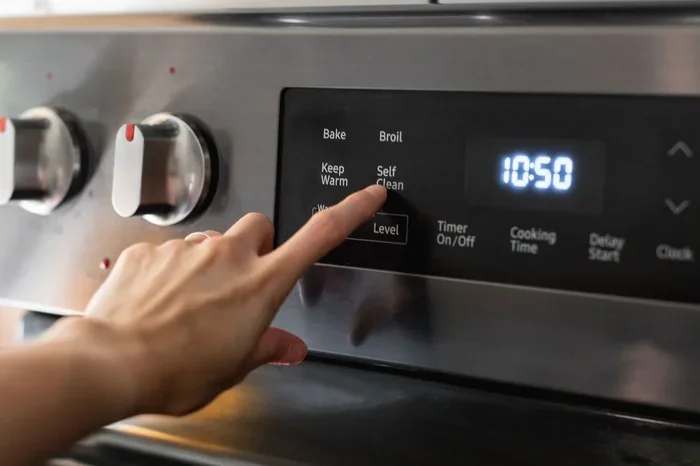
Now it is time to start the oven clean function. Turn the oven on and select the self clean or steam clean setting. The exact method depends on your oven model.
For pyrolytic ovens, the cycle will run for about 2 to 4 hours. The oven will heat up to extreme temperatures. You may see smoke and smell a slight odor. This is completely normal. The heat is burning off all the grease and food residue.
For steam clean ovens, the cycle is much shorter. It usually takes around 20 to 30 minutes. You will see steam inside the oven. The grime will loosen and soften during this time.
Important: Turn on your kitchen ventilation. Open a window or turn on the range hood. This helps clear any smoke or odor from the room. Keep pets and children in another room during the cycle.
Step 5: Let The Oven Cool Completely
Once the cleaning cycle finishes, do not open the door right away. Let the oven cool down on its own. This can take one to three hours depending on the oven type.
The interior will still be very hot. Opening the door too early can cause burns. It can also let in cool air that creates smoke. Patience is key here. Wait until the oven is at room temperature before you touch anything inside.
Step 6: Wipe Away The Residue
After the oven cools, open the door and take a look. For pyrolytic ovens, you will see a fine layer of white or gray ash. This is what is left after the food and grease burned away.
Take a damp cloth or sponge and wipe the interior. The ash should come off easily. Use gentle, circular motions. Do not use abrasive scrubbers or harsh cleaners. A simple damp cloth is all you need.
For steam clean ovens, the residue will be softer and more like soggy grime. Wipe it away with a wet cloth. You may need to rinse the cloth a few times. The interior should look clean and fresh when you are done.
Quick Tip: If you notice any stubborn spots, dampen the cloth with a little water and let it sit on the spot for a few minutes. This softens the residue and makes it easier to remove.
Step 7: Replace The Racks And Trays
Once the interior is clean and dry, put the racks and trays back in. Make sure everything is in its proper place. Your oven is now ready to use again.
You can start cooking right away. Your oven will heat more evenly since the interior is now clean. There is no residue to affect the taste of your food.
Comparison: Pyrolytic Vs Steam Clean
Not sure which clean method is better for your needs? Here is a quick comparison to help you decide.
| Feature | Pyrolytic Cleaning | Steam Cleaning |
|---|---|---|
| Heat Level | Very high (up to 900°F) | Low to moderate |
| Cycle Time | 2 to 4 hours | 20 to 30 minutes |
| Best For | Heavy grease and baked-on stains | Light to moderate grime |
| Odor | Some smoke and smell | Very little odor |
| Effort After Cycle | Wipe ash with damp cloth | Wipe softened grime with cloth |
| Uses Chemicals? | No | No |
| Racks Included? | No — remove first | Check manufacturer guidelines |
Tips For The Best Results
Want to get the most out of your oven clean function? These practical tips will help you achieve the best results every time.
Clean After Heavy Use
The best time to start a clean cycle is right after you have cooked something messy. Think of a big roast with lots of drippings or a baked casserole that bubbled over. The sooner you clean, the easier the job will be.
Letting grime sit for weeks makes it harder to remove. Even the best oven clean function works better on fresh spills than old, baked-on stains.
Use The Oven For Cooking After Cleaning
Here is a great trick. After you run the clean cycle and wipe out the oven, cook something in it right away. The heat helps burn off any remaining faint residue.
You could bake a simple dish like cauliflower steaks in the oven or roast some vegetables. This gives your oven a fresh start and helps keep the interior clean longer.
Clean The Oven Racks Separately
Oven racks cannot go through the pyrolytic cycle. But they still need regular cleaning. Soak them in hot soapy water for 30 minutes. Then scrub with a non abrasive sponge.
For tough spots on the racks, make a paste of baking soda and water. Apply it to the stained areas and let it sit for 15 minutes. Scrub gently and rinse clean.
Keep The Oven Light On
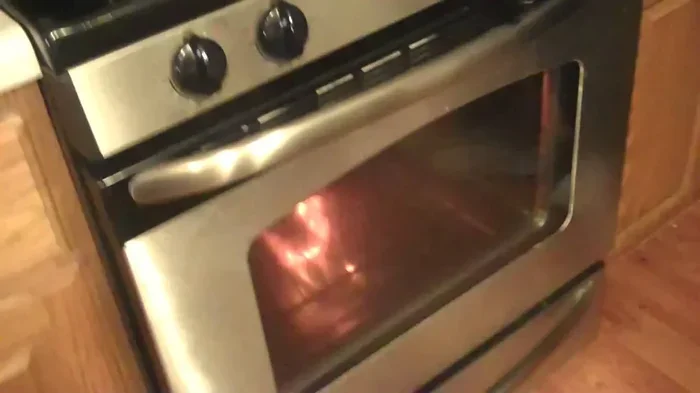
During the clean cycle, you cannot open the oven door. But you can check the progress through the window. Turn on the oven light so you can see what is happening inside.
This is especially useful if you are worried about smoke or if you want to see how much residue is left after the cycle.
Common Mistakes To Avoid
Using the oven clean function is straightforward, but a few common mistakes can cause problems. Here is what to watch out for.
Forgetting To Remove Plastic Or Paper Items
This is the number one mistake people make. If there is any plastic wrap, parchment paper, or aluminum foil left inside, it can melt or catch fire during the clean cycle.
Always do a thorough check before starting. Look at every corner of the oven. Remove any items that should not be exposed to extreme heat.
Expert Insight: Think of it the same way you would check whether it is safe to put a pizza box in the oven. Just like a pizza box should never go in a hot oven, any paper or plastic items must be removed before the clean cycle starts.
Using Chemical Cleaners Before The Cycle
Some people spray oven cleaner inside before running the self clean function. This is a bad idea. The chemicals can produce toxic fumes when heated to extreme temperatures.
The oven clean function is designed to work without any additional products. Trust the process and let the heat do the work. Your oven will be clean and safe without extra chemicals.
Not Ventilating The Kitchen
The clean cycle produces smoke and odors. If your kitchen is not ventilated, the smoke can set off your smoke alarm.
Open a window or turn on the range hood before you start. This simple step makes a big difference. It keeps your kitchen comfortable and prevents false alarms.
Skipping The Cooling Period
It can be tempting to open the door right when the cycle ends. But the oven interior is extremely hot. Wiping it while hot can burn your hands.
It can also spread ash around instead of removing it. Always wait for the oven to cool completely. This makes the cleanup process safer and more effective.
How Often Should You Use The Oven Clean Function?
The frequency depends on how often you use your oven and what you cook. Here are some general guidelines to follow.
For regular home cooks, running the clean function every two to three months is usually enough. If you cook frequently or prepare greasy meals, you may need to clean it once a month.
Watch for these signs that your oven needs attention:
- Visible grease buildup on the oven walls or ceiling
- Smoke during cooking even at normal temperatures
- Strange odors when you first turn on the oven
- Dark stains that do not come off with a simple wipe
- Food tasting off after cooking, possibly from old residue
If you notice any of these signs, it is time to run the clean cycle. Catching the problem early makes the job much easier.
Maintaining Your Oven Between Clean Cycles
The best way to keep your oven in great shape is to maintain it between clean cycles. A few simple habits go a long way.
Wipe Spills Right Away
When food bubbles over or drips on the oven floor, clean it up as soon as the oven cools down. A damp cloth is all you need for fresh spills.
This prevents grime from building up and hardening. When it is time for the next clean cycle, the oven will be much easier to clean.
Use An Oven Liner
Consider placing an oven liner on the bottom of the oven. These reusable mats catch drips and spills before they can bake onto the oven floor.
Oven liners are easy to clean. You can wash them with soap and water. They protect the oven interior and reduce the need for deep cleaning.
Check The Door Seal Regularly
The rubber seal around the oven door keeps heat inside. If it gets dirty or damaged, your oven loses efficiency.
Wipe the seal with a damp cloth every few weeks. If you notice cracks or gaps, replace the seal. A good seal also helps your oven maintain the right temperature when you cook stuffed rouladen in the oven or bake any dish that needs even heat.
Run A Quick Steam Clean Monthly
Even if your oven does not look dirty, a quick steam clean once a month can help. It loosens any early buildup and keeps the interior fresh.
This is much easier than waiting for heavy grime to accumulate. A short monthly cycle keeps the oven clean function working at its best.
Final Thoughts On Using The Oven Clean Function
The oven clean function is one of the most useful features in a modern oven. It saves you time, effort, and the need for harsh chemical cleaners. With just a few simple steps, you can have a spotless oven interior.
Remember to prep properly before starting the cycle. Remove racks, check for any items that should not be heated, and ventilate your kitchen. Let the oven do its work, then wipe away the residue once it cools.
Regular maintenance between clean cycles keeps your oven in top shape. Wipe spills promptly, use an oven liner, and check the door seal. These small habits make a big difference over time.
Now that you know how easy it is, there is no reason not to use the oven clean function regularly. Your oven will thank you with better performance and cleaner cooking results. Give it a try the next time your oven needs a refresh.
Frequently Asked Questions
Can I leave the oven racks inside during the self clean cycle?
No, you should always remove oven racks before starting the clean function. High heat can warp or discolor metal racks. Hand wash them separately with warm soapy water for the best results.
Is it safe to use the oven clean function at home?
Yes, it is completely safe when you follow the manufacturer instructions. The self clean feature is built into the oven by the manufacturer. Just make sure to ventilate your kitchen and keep children and pets away during the cycle.
Why does my oven smoke during the clean cycle?
Smoke is normal during pyrolytic cleaning. The extreme heat burns off grease and food residue, which produces smoke and a mild odor. Opening a window or turning on the range hood helps clear the smoke quickly.
How long does the oven clean cycle take?
It depends on the oven type. Pyrolytic cleaning cycles usually take 2 to 4 hours. Steam clean cycles are much faster and typically take 20 to 30 minutes. Check your oven manual for the exact timing.
Do I need to use any cleaning products with the oven clean function?
No. The oven clean function works without any additional products. Using chemical cleaners can create harmful fumes when heated. Simply wipe the interior with a damp cloth after the cycle ends.
Can I use the oven right after the clean cycle finishes?
Wait until the oven cools down completely before using it. The interior can still be very hot after the cycle ends. Once it reaches room temperature, you can cook as usual. The clean interior will help your food cook more evenly.
=== CONCLUSION ===
The oven clean function is a simple yet powerful tool for keeping your oven in top condition. With the right preparation and a few easy steps, you can enjoy a sparkling clean oven without any harsh chemicals or endless scrubbing. Follow the guide above and make the oven clean function part of your regular kitchen routine.