How Long To Cook 21 Lb Turkey In Oven Bag Perfectly
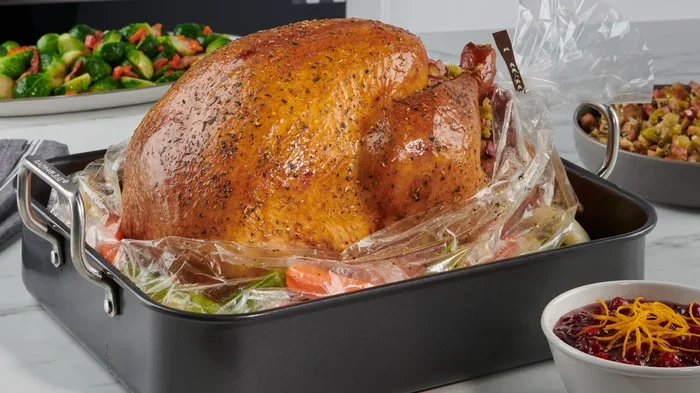
Cooking a 21 lb turkey in an oven bag takes about 3.5 to 4.5 hours at 350°F, making it one of the easiest ways to roast a large bird. Using an oven bag traps moisture, reduces cleanup, and delivers incredibly juicy meat every time. This guide covers everything from prep to resting so your turkey comes out perfect.
Roasting a large turkey can feel intimidating. But here is the good news. How Long To Cook 21 Lb Turkey In Oven Bag is a question with a really straightforward answer. When you use an oven bag, the process becomes simpler, faster, and far less stressful. You get a golden, juicy bird without hovering over the oven all day.
Whether you are preparing for Thanksgiving, Christmas, or a big family gathering, knowing the right time and temperature makes all the difference. This guide walks you through every step. From prep work to carving, you will have everything you need to roast a stunning 21 lb turkey like a pro.
Oven bags have been a kitchen staple for decades, and for good reason. They work. They are easy to use. And they produce results that rival even the most careful traditional roasting methods. Let us dive into the details.
Key Takeaways
- Cooking Time: A 21 lb turkey in an oven bag needs 3.5 to 4.5 hours at 350°F
- Internal Temperature: The turkey is done when it reaches 165°F in the thickest part of the thigh
- Oven Bag Benefits: They trap steam, keep meat juicy, and make cleanup a breeze
- Prep Matters: Brining or seasoning the night before adds big flavor
- Resting Is Essential: Let the turkey rest for 20 to 30 minutes before carving
- Avoid Common Mistakes: Don’t skip venting the bag and don’t overcook the bird
📑 Table of Contents
- How Long To Cook 21 Lb Turkey In Oven Bag: The Basics
- Step-by-Step: Cooking Your 21 Lb Turkey in an Oven Bag
- Temperature and Timing Guide for a 21 Lb Turkey
- Tips for Perfectly Juicy Turkey Every Time
- Common Mistakes to Avoid When Cooking Turkey in an Oven Bag
- How Oven Bag Cooking Compares to Traditional Roasting
- Serving and Storing Your Roasted Turkey
- Final Thoughts on Cooking a 21 Lb Turkey in an Oven Bag
How Long To Cook 21 Lb Turkey In Oven Bag: The Basics
The short answer is that a 21 lb turkey in an oven bag cooks in about 3.5 to 4.5 hours at 350°F. But the full picture is a little more detailed. Several factors can shift your cooking time slightly. Let us break those down so you know exactly what to expect.
The weight of your bird matters a lot. A 21 lb turkey sits in the upper range of average sizes. It is big enough to feed a crowd but not so enormous that it becomes unmanageable. Most oven bags are rated for turkeys up to 25 lbs, so a 21 lb bird fits perfectly inside a standard bag.
Another thing to keep in mind is whether your turkey is stuffed or unstuffed. A stuffed turkey takes longer to cook because the filling needs to reach a safe temperature too. If you are stuffing your bird, add about 30 to 45 minutes to the total cook time. Always use a meat thermometer to check that the stuffing reaches 165°F as well.
The shape of your turkey also plays a role. A wider, deeper bird may need a few extra minutes compared to a longer, narrower one. This is because heat penetrates differently depending on the thickness of the meat in various areas.
Why Oven Bags Work So Well for Turkey
Oven bags create a sealed environment around your turkey. This trapped steam does several helpful things at once. First, it keeps the meat moist. Second, it helps the skin brown evenly. Third, it dramatically reduces the amount of grease splatter inside your oven.
When you roast a turkey without a bag, the dry heat of the oven can cause the outer layers to dry out before the inner meat is fully cooked. An oven bag solves this problem by surrounding the bird with its own moisture. The result is tender, flavorful meat with a beautifully golden skin.
Cleanup is another huge advantage. Without a bag, roasting a 21 lb turkey means dealing with a greasy pan, drippings, and potential spills. With an oven bag, the turkey essentially cooks inside its own contained space. Once you are done, you simply remove the bag and toss it. Your oven stays clean and your afternoon is free for other tasks.
Some people worry that cooking in a bag affects the flavor. The good news is that oven bags are made from food-safe materials. They do not impart any taste to your food. In fact, many cooks say the flavor is richer because the juices stay trapped inside the bag instead of dripping away.
Step-by-Step: Cooking Your 21 Lb Turkey in an Oven Bag
Now let us get into the practical steps. Following this process will give you consistent, delicious results every single time.
Step 1: Gather Your Ingredients and Tools
Before you start, make sure you have everything ready. You will need:
- A 21 lb whole turkey (thawed completely if frozen)
- One large oven bag (rated for 20 to 25 lbs)
- Four tablespoons of flour (to thicken the juices inside the bag)
- Butter or oil for rubbing the skin
- Salt, pepper, and your favorite seasonings
- A meat thermometer
- A roasting pan large enough to hold the bag
Make sure your turkey is fully thawed before cooking. A frozen turkey will cook unevenly and take much longer than expected. Plan ahead and allow 24 to 48 hours for thawing in the refrigerator.
Step 2: Prepare the Turkey
Remove the giblets and neck from inside the cavity. Rinse the turkey inside and out under cold water, then pat it completely dry with paper towels. Dry skin browns better and crisps up more nicely in the oven.
Rub softened butter or oil all over the outside of the turkey. Season generously with salt and pepper. You can also add herbs like rosemary, thyme, or sage inside the cavity for extra flavor. Some cooks like to place onion quarters, lemon halves, or garlic cloves inside the cavity too. These add a subtle aroma that infuses the meat as it cooks.
If you are brining your turkey, do this the day before. Brining adds moisture and flavor deep into the meat. Even a quick dry brine with salt and spices the night before makes a noticeable difference.
Step 3: Set Up the Oven Bag
Take your oven bag out of the box and lightly grease the inside with butter or cooking spray. This helps the bag release the turkey easily after cooking. Sprinkle the four tablespoons of flour inside the bag and shake it around to coat the bottom evenly.
The flour serves an important purpose. As the turkey cooks, juices and fats render out. Without flour, these liquids would pool at the bottom and could burn. The flour thickens them into a light gravy-like sauce that keeps everything moist.
Place the turkey breast-side up into the bag. Gather the open end of the bag and tie it securely with the provided tie or kitchen twine. Use a fork to poke about six to eight small holes in the top of the bag. These vents allow steam to escape and prevent the bag from bursting.
Step 4: Cook the Turkey
Place the bagged turkey breast-side up in a roasting pan. Slide it into a preheated 350°F oven. Set your timer for about 3.5 hours for an unstuffed turkey. For a stuffed turkey, plan on closer to 4.5 hours.
Do not open the bag during cooking. This is important. Every time you open the bag, you release the trapped steam and moisture. That moisture is what keeps your turkey juicy. Resist the urge to peek. Trust the process.
After about 3 hours, check the internal temperature through one of the vent holes. Insert your meat thermometer into the thickest part of the thigh, making sure it does not touch the bone. The turkey is done when it reaches 165°F.
If the skin is not browning to your liking near the end of cooking, you can remove the bag for the last 15 to 20 minutes. This allows the skin to crisp up under direct heat. Just keep an eye on it so it does not burn.
Step 5: Rest and Carve
Once the turkey reaches 165°F, remove it from the oven. Carefully lift the bag out of the pan and set it on a cutting board. Let the turkey rest inside the bag for about 20 to 30 minutes. This resting period allows the juices to redistribute throughout the meat. Skipping this step is one of the most common mistakes home cooks make.
After resting, remove the turkey from the bag. You can use the juices left in the bag to make a quick and delicious gravy. Simply pour them into a saucepan, whisk in a bit of broth or water, and simmer until thickened.
Temperature and Timing Guide for a 21 Lb Turkey
Here is a detailed look at the timing and temperature for your 21 lb turkey. Use this as a reference point, but always rely on your meat thermometer as the final judge.
| Turkey Weight | Oven Temp | Unstuffed Time | Stuffed Time | Internal Temp Target |
|---|---|---|---|---|
| 21 lbs | 350°F | 3.5 to 4 hours | 4 to 4.5 hours | 165°F in thigh |
The target internal temperature for a whole turkey is 165°F. Check the thickest part of the thigh, the thickest part of the breast, and the center of any stuffing. All three spots should read at least 165°F before you take the turkey out.
Some cooks prefer their turkey slightly above 165°F in the breast, around 170°F. This can make the breast meat feel a bit more firm and easier to carve. The thigh can safely go up to 180°F. Just be careful not to let the breast exceed 170°F for too long, or it may dry out.
Temperature consistency matters throughout the cooking process. Avoid opening the oven door frequently. Each time you open the door, the oven temperature drops and your cook time increases. Keep the oven door closed and let the oven bag do its work.
If you are curious about how oven bags compare to other cooking methods, think of it this way. An oven bag is like creating a mini convection environment around your turkey. The trapped moisture circulates and cooks the bird evenly from all sides. This is different from roasting on a rack, where dry heat comes mainly from below and the top relies on radiation from the oven walls.
Tips for Perfectly Juicy Turkey Every Time
Getting a great turkey is about more than just timing. Small details make a big difference in the final result. Here are some tips that experienced cooks swear by.
Bring the turkey to room temperature before cooking. Take it out of the refrigerator about 1 hour before it goes in the oven. A cold turkey going into a hot oven cooks unevenly. The outside overcooks while the inside is still warming up. Letting it sit at room temperature helps it cook more evenly.
Do not skip the flour in the bag. We mentioned this earlier, but it is worth repeating. The flour thickens the drippings into a light sauce. Without it, you end up with a pool of greasy liquid at the bottom of the bag. Nobody wants that.
Use a reliable meat thermometer. This is the single most important tool for cooking turkey. Visual cues like skin color or juice color can be misleading. A digital instant-read thermometer gives you a precise reading every time.
Let the turkey rest after cooking. When you carve into a hot turkey right out of the oven, the juices run all over the cutting board. Resting allows those juices to settle back into the meat fibers. You get moister slices and less waste on the platter.
Save the drippings. The juices inside the oven bag are liquid gold. They make an incredible base for gravy, stuffing, or even just drizzled over the sliced meat. Do not throw them away.
Consider your side dishes. While your turkey roasts, you can prepare sides like oven-roasted cauliflower steaks on a separate pan. This makes the most of your oven space and gives you a complete meal. For something different, you might also explore making your own tandoori oven for a creative twist on roasted dishes.
Common Mistakes to Avoid When Cooking Turkey in an Oven Bag
Even with an oven bag, mistakes can happen. Here are the most common ones and how to avoid them.
Not thawing the turkey properly. This is the number one mistake. A partially frozen turkey will cook unevenly and take far longer than expected. Always thaw your turkey in the refrigerator for at least 24 hours per 4 to 5 pounds of weight.
Forgetting to vent the bag. The steam needs somewhere to go. If you seal the bag completely without poking holes, pressure builds up and the bag can burst. This creates a mess in your oven and can be dangerous. Always use a fork to poke several holes in the top of the bag before cooking.
Opening the bag too often. We know it is tempting to check on your turkey. But every peek releases steam and moisture. This dries out the meat and extends the cooking time. Check the temperature only once or twice, and use the vent holes to insert your thermometer.
Overcooking the turkey. Just because the bag traps moisture does not mean you can leave the turkey in forever. Overcooked turkey, even in a bag, becomes dry and stringy. Start checking the temperature at the 3-hour mark for a 21 lb bird. Remove it as soon as it hits 165°F in the thigh.
Using the wrong size bag. Oven bags come in different sizes. A bag meant for a smaller turkey will not accommodate a 21 lb bird. Check the package for the maximum weight rating and choose accordingly. Using a bag that is too small can cause it to touch the heating elements, which is a safety hazard.
Neglecting food safety. A 21 lb turkey spends a long time in the temperature danger zone between 40°F and 140°F. Make sure your turkey goes straight from the refrigerator into a preheated oven. Do not let it sit out on the counter to thaw or to come to room temperature for too long. Keep it under two hours at room temperature maximum.
Skipping the resting period. Cutting into your turkey the moment it comes out of the oven is a wasted opportunity. The resting period is when the juices settle. Carve too early and you will lose a lot of moisture onto the cutting board instead of enjoying it in every bite.
How Oven Bag Cooking Compares to Traditional Roasting
Many people wonder whether an oven bag really makes a difference compared to traditional roasting. The answer is yes, and here is how they stack up.
Moisture retention: Oven bags win hands down. The sealed environment traps steam and keeps the turkey juicy throughout the cook. Traditional roasting exposes the bird to dry oven air, which can cause the outer layers to dry out before the center is fully cooked.
Cooking time: Oven bags can slightly reduce cooking time because the trapped steam transfers heat efficiently to the meat. A 21 lb turkey in an oven bag typically finishes faster than the same turkey roasted uncovered on a rack.
Cleanup: This is where oven bags really shine. Traditional roasting means scrubbing a greasy pan and dealing with drippings that may have burned onto the bottom. With an oven bag, you simply remove the bag and discard it. Your pan stays mostly clean.
Skin texture: Traditional roasting produces crispier skin because the turkey is exposed to direct dry heat. Oven bag turkey has softer, more tender skin. Some people prefer this. Others like the crunch of traditional roasting. You can get the best of both worlds by removing the bag for the last 15 to 20 minutes of cooking.
Flavor: Both methods produce delicious turkey. The oven bag method keeps more of the natural juices and aromatics inside the cavity. Traditional roasting allows some of the drippings to evaporate and concentrate, which can create a more intense roasted flavor. Neither is objectively better. It comes down to personal preference.
For those who like to experiment with oven temperatures and techniques, understanding how different methods affect your food is key. If you ever want to try something different, check out how temperature affects cooking different meats in the oven for more insights.
Serving and Storing Your Roasted Turkey
Your turkey is done and resting. Now what? Here is how to serve and store it properly.
When you are ready to carve, transfer the turkey to a large cutting board. Remove the oven bag and reserve the juices. Carve the breast by slicing against the grain into even pieces. The thighs and drumsticks can be pulled away from the joint and served whole or sliced.
Serve the turkey with the reserved juices spooned over the slices. If you have made a separate gravy, warm it up and serve it on the side. Pair your turkey with classic sides like mashed potatoes, stuffing, cranberry sauce, and roasted vegetables.
For leftovers, let the turkey cool to room temperature within two hours of cooking. Store it in an airtight container in the refrigerator. Cooked turkey keeps well for 3 to 4 days. You can also freeze it for up to 3 months. Reheat gently in the oven at 325°F to keep the meat from drying out.
If you are looking for more oven-based recipes to round out your meal, consider exploring different oven techniques. Roasting vegetables, baking bread, or even making desserts all benefit from understanding your oven’s behavior. A well-used oven is one of the most versatile tools in any kitchen.
Final Thoughts on Cooking a 21 Lb Turkey in an Oven Bag
How Long To Cook 21 Lb Turkey In Oven Bag is a question with a satisfying answer: about 3.5 to 4.5 hours at 350°F. The oven bag method takes the stress out of roasting a large turkey. It keeps the meat moist, simplifies cleanup, and delivers consistent results that will impress your guests.
Remember to always use a meat thermometer. Let the turkey rest before carving. And do not be afraid to experiment with seasonings and aromatics inside the cavity. The oven bag is a tool, and like any tool, it works best when you use it with confidence and a little bit of care.
Whether this is your first time roasting a turkey or your fiftieth, the oven bag method is a reliable friend in the kitchen. It takes the guesswork out of timing and temperature so you can focus on what really matters: enjoying the process and sharing a wonderful meal with the people you love.
Now go ahead and roast that turkey with confidence. Your kitchen is about to smell amazing, and your guests are in for a real treat.
Frequently Asked Questions
Can I use a brown paper bag instead of an oven bag for turkey?
No, you should not use a brown paper bag for cooking turkey. Brown paper bags are not made from food-safe materials and may contain chemicals that can transfer to your food. Oven bags are specifically designed for cooking and are made from heat-safe, food-grade materials. Always use a proper oven bag to ensure safety and best results.
What temperature should a 21 lb turkey reach when done?
A 21 lb turkey is done when the internal temperature reaches 165°F in the thickest part of the thigh. You should also check the thickest part of the breast and the center of any stuffing if your turkey is stuffed. All three areas need to read at least 165°F for the turkey to be safe to eat.
How long does it take to thaw a 21 lb turkey in the refrigerator?
A 21 lb turkey takes about 3 to 5 days to thaw completely in the refrigerator. Plan for approximately 24 hours of thawing time for every 4 to 5 pounds of turkey. Make sure you place the turkey on a tray or in a container to catch any drips as it thaws.
Can I cook a frozen turkey in an oven bag?
It is not recommended to cook a frozen turkey in an oven bag. A frozen turkey will cook unevenly, and the outside may overcook while the inside is still frozen. Always thaw your turkey completely before cooking it in an oven bag. This ensures even cooking and food safety throughout the bird.
Do I need to add water to the oven bag when cooking turkey?
No, you do not need to add water to the oven bag. The turkey itself releases enough moisture during cooking to create steam inside the bag. The flour you add at the beginning thickens the juices that render out, creating a natural gravy. Adding extra water can dilute the flavor of those juices.
Can I reuse an oven bag for cooking turkey?
No, oven bags are designed for single use only. Reusing an oven bag can compromise its integrity and may lead to it tearing or bursting during cooking. Always use a fresh oven bag for each turkey you roast. They are inexpensive and make cleanup much easier.
=== CONCLUSION ===
How Long To Cook 21 Lb Turkey In Oven Bag comes down to about 3.5 to 4.5 hours at 350°F, depending on whether your turkey is stuffed and how you like your meat cooked. The oven bag method takes the guesswork out of roasting, delivers juicy results, and makes cleanup a snap.
Follow the steps in this guide, use a meat thermometer, and let your turkey rest before carving. You will be rewarded with a beautifully roasted bird that tastes incredible and looks impressive on the table.
Now it is your turn. Grab your oven bag, season that turkey, and get ready for a memorable meal. Happy cooking!