How To Know If Ceramic Is Oven Safe With These Tips
Knowing if your ceramic is oven safe saves your dishes and your dinner. You can check for oven safe labels, look at the glaze, and test the thermal shock resistance. This guide gives you practical tips to use ceramic cookware and bakeware confidently in the oven.
You just pulled out a beautiful ceramic dish from the cabinet. It looks perfect for that casserole you’ve been planning. But wait — is it actually oven safe? This is a question many home cooks face, and the answer matters more than you might think. Using the wrong dish in the oven can lead to cracks, breaks, or even dangerous situations in your kitchen.
Ceramic cookware and bakeware are popular for good reason. They look great, they distribute heat evenly, and they work well for many recipes. But not every ceramic dish is created equal. Some are designed for the oven, while others are only meant for serving or microwaving. Understanding the difference helps you cook safely and get the most out of your kitchen tools.
In this article, we walk you through everything you need to know about ceramic oven safe dishes. You will learn how to read labels, check for temperature limits, spot warning signs, and avoid common mistakes. By the end, you will feel confident every time you reach for a ceramic dish to use in the oven.
Key Takeaways
- Check for labels: Look for “oven safe” or temperature symbols on the bottom of the dish.
- Know your temperature limits: Most ceramic dishes handle up to 350–450°F, but some can go higher.
- Watch for cracks: Even small cracks can cause ceramic to shatter in the oven.
- Avoid thermal shock: Never put a cold ceramic dish into a hot oven or run cold water over hot ceramic.
- Glaze matters: Lead-free, food-safe glazes are more reliable for oven use.
- Hand washing extends life: Dishwashers and sudden temperature changes can weaken ceramic over time.
- When in doubt, don’t risk it: If you cannot find oven safe info, use the dish for serving only.
📑 Table of Contents
- What Makes Ceramic Oven Safe?
- How to Check If Your Ceramic Dish Is Oven Safe
- Temperature Limits for Ceramic Dishes
- Common Mistakes People Make With Ceramic in the Oven
- How to Test If Ceramic Is Oven Safe at Home
- Best Practices for Using Ceramic in the Oven
- Comparison: Oven Safe vs. Not Oven Safe Ceramics
- Can You Use Ceramic Mugs and Plates in the Oven?
- How to Care for Oven Safe Ceramic
- Conclusion
What Makes Ceramic Oven Safe?
The short answer is that oven safe ceramic is made and glazed to handle high oven temperatures without cracking or releasing harmful chemicals. But the full picture involves a few key factors that determine whether your ceramic dish can go in the oven.
Not all ceramic material is the same. Some ceramics are fired at very high temperatures in a kiln, making them dense and durable. Others are made at lower temperatures and are more porous. The firing temperature and the type of glaze used both play a big role in whether a dish can handle oven heat.
Understanding Ceramic Types
There are several types of ceramic used in kitchenware. Each type behaves differently in the oven. Here is a quick look at the most common ones:
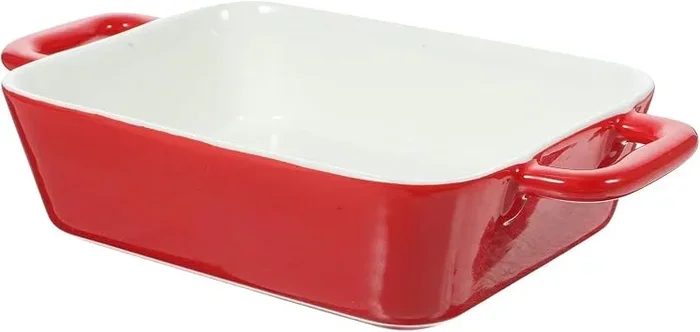
- Stoneware: This is one of the most oven-friendly ceramics. It is fired at high temperatures, usually above 2,000°F. Stoneware ceramic bakeware is thick, durable, and handles heat very well.
- Porcelain: Porcelain is also kiln fired at high temperatures. It is non-porous and smooth. Most porcelain dishes are oven proof up to 500°F or higher.
- Earthenware: This type is fired at lower temperatures. It is more porous and less durable. Earthenware dishes are often not oven safe unless specifically labeled.
- Terracotta: Traditional terracotta is porous and not always oven safe. Some modern terracotta baking dishes are designed for oven use, but you must check the label.
- Bone China: Bone china is delicate and usually not meant for oven use. It is best for serving and display.
When shopping for ceramic cookware, always look for oven safe markings. If the product does not mention oven use, treat it as not oven safe. It is better to be safe than sorry.
The Role of Glaze in Oven Safety
The glaze on a ceramic dish is the smooth, often colorful coating you see on the surface. Glaze protects the ceramic and makes it food safe. But not all glazes are oven safe.
Quality glazes are designed to withstand high temperatures without cracking or leaching chemicals. Cheap or improperly applied glazes may not hold up in the oven. Over time, heat can cause low-quality glazes to chip or release lead and other harmful substances.
Always look for food safe ceramic labels. These dishes use glazes that are free from lead and cadmium. They are tested to be safe at high temperatures. If you are using a ceramic dish for baking or roasting, this is an important consideration.
How to Check If Your Ceramic Dish Is Oven Safe
Figuring out if your ceramic dish can go in the oven is easier than you think. There are several ways to check, and most take just a few seconds. Here is a step-by-step guide to help you determine if your dish is ceramic oven safe.
Step 1: Look for Oven Safe Symbols
Most ceramic dishes have markings on the bottom. These symbols tell you a lot about how the dish can be used. Look for any of the following:
- A picture of an oven with a temperature number next to it.
- The words “oven safe” or “oven proof.”
- A symbol that looks like a fork and spoon with waves, which means the dish is microwave and oven safe.
- A temperature range, such as “safe up to 450°F.”
If you see any of these symbols, your dish is likely safe for oven use. If you do not see any markings, it is best to assume the dish is not oven safe.
Step 2: Read the Packaging or Product Manual
If you still have the box or manual that came with your ceramic dish, check it for oven use instructions. Many manufacturers include clear guidelines about maximum oven temperatures and safe use. This is one of the most reliable sources of information.
If you bought the dish secondhand and do not have the original packaging, try searching the brand name and model online. Most brands have product pages with detailed specifications, including oven safe temperature limits.
Step 3: Contact the Manufacturer
If you cannot find oven safe information anywhere, contact the manufacturer directly. Most brands have customer service lines or email addresses. They can tell you exactly whether your dish is designed for oven use and up to what temperature.
This is especially helpful for handmade or artisan ceramics. These pieces may not have standard markings, but the maker can often tell you if the piece was fired at oven-safe temperatures.
Step 4: Look for Cracks or Damage
Even if a dish is labeled as oven safe, damage can change that. Check the dish carefully for any of the following:
- Hairline cracks or chips in the ceramic.
- Cracks in the glaze.
- Uneven or warped surfaces.
- Loose handles or attachments.
Any of these issues can cause the dish to break in the oven. A cracked ceramic dish is not safe to use in any cooking appliance, including the oven and microwave.
Temperature Limits for Ceramic Dishes
Not all ceramic dishes can handle the same oven temperatures. Understanding the temperature limits helps you use your ceramic bakeware safely and effectively.
Common Temperature Ranges
Here is a general guide to oven safe temperatures for different types of ceramic:
- Standard ceramic: Safe up to 350°F. This is the most common limit for everyday ceramic dishes.
- Stoneware and porcelain: Safe up to 450°F to 500°F. These are the most durable kitchen ceramics.
- Specialty oven-safe ceramic: Some high-end ceramic bakeware can handle up to 550°F or more. Always check the manufacturer’s guidelines.
Never exceed the maximum temperature listed for your dish. Going over the limit can cause the ceramic to crack, warp, or even shatter inside the oven.
What Is Thermal Shock?
One of the biggest enemies of ceramic is thermal shock. This happens when a ceramic dish experiences a sudden change in temperature. For example, taking a cold ceramic dish straight from the fridge and putting it into a hot oven can cause it to crack or even explode.
Thermal shock occurs because different parts of the ceramic expand at different rates when heated quickly. This creates stress inside the material, which leads to cracks. The same thing can happen if you put hot ceramic on a cold or wet surface.
Ceramic oven safe dishes are more resistant to thermal shock, but they are not immune to it. Always let your ceramic dish come to room temperature before placing it in the oven. And never place hot ceramic directly on a cold countertop or into cold water.
Quick Tips to Avoid Thermal Shock
- Let ceramic dishes sit at room temperature for 15–20 minutes before oven use.
- Place a dry towel or trivet under hot ceramic dishes on countertops.
- Never run cold water over a hot ceramic dish.
- Preheat the oven before placing ceramic inside.
- Avoid placing cold ceramic on a hot stove burner or hot baking sheet.
Common Mistakes People Make With Ceramic in the Oven
Even experienced cooks make mistakes when using ceramic in the oven. Knowing what to avoid keeps your dishes safe and your cooking on track.
Using Ceramic Straight from the Fridge
This is one of the most common mistakes. You take a ceramic baking dish out of the fridge, filled with cold batter, and pop it straight into a hot oven. The sudden temperature change can cause the dish to crack or shatter. Always let the dish warm up before baking.
Overheating an Empty Dish
Never preheat an empty ceramic dish in the oven. Without food or liquid inside, the ceramic heats unevenly. This creates stress that can lead to cracking. Always place food or liquid in the dish before heating it in the oven.
Using the Broiler With Ceramic
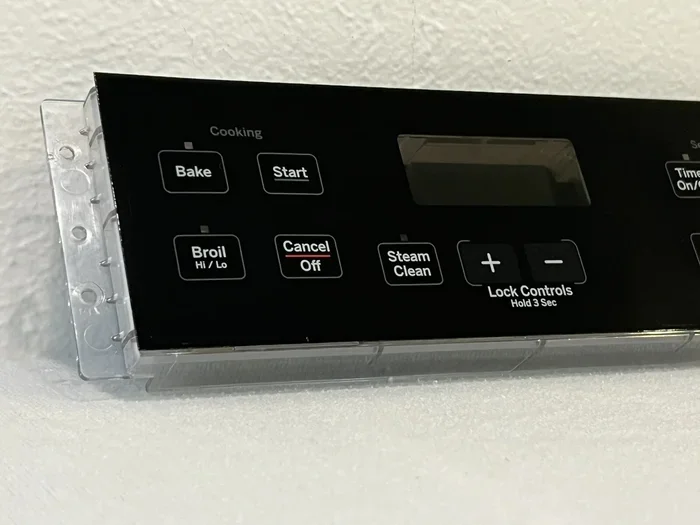
The broiler produces intense, direct heat from above. Most ceramic dishes are not designed for broiler temperatures, which can exceed 550°F. The sudden, intense heat can cause thermal shock and break the dish. Unless the manufacturer specifically says the dish is broiler safe, keep it away from the broiler.
Ignoring Small Cracks
A small crack might seem harmless, but it can grow quickly under heat. Cracks weaken the structure of the ceramic. A dish that looks fine at room temperature can break apart in the oven. If you see any cracks, stop using the dish for cooking.
Putting Ceramic in the Dishwasher
While many ceramic dishes are dishwasher safe, repeated dishwasher cycles can weaken the glaze over time. The high heat and harsh detergents can cause micro-cracks in the glaze. Hand washing is always the gentler option for preserving your ceramic bakeware.
Expert Insight
Professional chefs recommend treating your ceramic bakeware with care. They suggest hand washing, storing dishes with a cloth or paper towel between them to prevent scratching, and always checking for damage before oven use. These simple habits can extend the life of your ceramic dishes for years.
How to Test If Ceramic Is Oven Safe at Home
Sometimes you just need a quick answer, and you do not have access to the manufacturer’s guidelines. There are a few simple tests you can do at home to check if your ceramic dish is likely oven safe.
The Water Drop Test
Drop a small amount of water onto the bottom of the ceramic dish. If the water absorbs quickly into the ceramic, the dish is porous. Porous ceramics are generally not oven safe because they can crack under heat. If the water beads up on the surface, the glaze is intact, which is a good sign.
The Tap Test
Gently tap the ceramic dish with your fingernail. A clear, ringing sound usually means the dish is well fired and dense. A dull or thudding sound may indicate a lower quality or more porous ceramic that is less likely to be oven safe.
The Oven Test (Use Caution)
If you want to be absolutely sure, you can do a low-heat test. Place the empty ceramic dish in a cold oven. Set the temperature to 200°F. Let it heat slowly for 30 minutes. Then turn off the oven and let the dish cool completely inside. Check for any cracks, warping, or changes in the glaze. If the dish looks and feels the same, it is likely oven safe for lower temperatures.
Important: This test should only be done with caution. Never leave the oven unattended during this test. And never heat a damaged or cracked dish, as it could break during the process.
Best Practices for Using Ceramic in the Oven
Once you have confirmed that your ceramic dish is oven safe, following best practices ensures safe and successful cooking every time.
Preheat the Oven
Always preheat your oven before placing ceramic inside. A preheated oven provides even heat from the start, which reduces the risk of thermal shock. Placing cold ceramic into a preheated oven is much safer than putting it in while the oven is still warming up.
Use Oven Mitts
Ceramic dishes get very hot in the oven. Always use oven mitts or thick towels when handling them. Ceramic retains heat for a long time, so even after you take the dish out, it will stay hot for several minutes.
Place on a Heat-Resistant Surface
When you remove a hot ceramic dish from the oven, place it on a heat-resistant surface like a wooden cutting board, a trivet, or a towel. Never place hot ceramic directly on a cold granite countertop, metal surface, or wet cloth.
Avoid Sudden Temperature Changes
This cannot be stressed enough. Ceramic does not like sudden temperature changes. Let dishes cool gradually. If you need to cool a dish quickly, place it on a wire rack at room temperature. Never plunge hot ceramic into cold water.
Store Ceramic Properly
Proper storage protects your ceramic dishes from chips and cracks. Stack dishes with a cloth or paper towel between each one. This prevents scratching and helps maintain the glaze. Store ceramic bakeware in a cool, dry place away from direct sunlight.
Comparison: Oven Safe vs. Not Oven Safe Ceramics
It can be confusing to know which ceramics belong in the oven and which do not. Here is a simple comparison to help you sort it out.
| Feature | Oven Safe Ceramic | Not Oven Safe Ceramic |
|---|---|---|
| Temperature Limit | 350°F – 550°F+ | None for oven use |
| Glaze Quality | Durable, food-safe, heat resistant | May chip or release chemicals under heat |
| Firing Temperature | High (above 2,000°F) | Low (below 1,500°F) |
| Common Uses | Baking, roasting, serving hot dishes | Serving cold dishes, decoration, microwave only |
| Durability in Oven | High — resists cracking and warping | Low — prone to cracking and breaking |
| Labels | Oven safe symbol or text on bottom | No oven safe markings |
Keep this comparison in mind the next time you are deciding whether to use a ceramic dish in the oven. When in doubt, always choose a dish that is clearly marked as oven safe.
Can You Use Ceramic Mugs and Plates in the Oven?
Many people wonder if their favorite ceramic mug or decorative plate can go in the oven. The answer depends on the specific piece. Some ceramic mugs are oven safe, especially those made of stoneware or porcelain and labeled for oven use. However, most decorative mugs and plates are not designed for oven temperatures.
If you want to use a ceramic mug for baking a small souffle or mug cake, make sure it is oven safe. Check for markings, and avoid using mugs with metallic paint or decorations, as these can spark or melt in the oven. The same goes for plates — unless labeled oven safe, use them for serving only.
How to Care for Oven Safe Ceramic
Taking care of your oven safe ceramic ensures it lasts for years and stays in great condition. Here are some simple care tips:
- Hand wash when possible: Use warm water and mild soap. Avoid abrasive sponges that can scratch the glaze.
- Store carefully: Place a cloth or paper towel between stacked dishes to prevent scratching.
- Inspect regularly: Check for cracks, chips, or glaze damage before each use.
- Avoid stacking when wet: Moisture trapped between dishes can cause mold or odors.
- Use gentle heat: Avoid extreme temperature changes, even with oven safe dishes.
- Re-season if needed: Some ceramic baking dishes benefit from a light coating of oil after washing to maintain the surface.
With proper care, your ceramic cookware and bakeware will serve you well for many years of cooking and baking.
Conclusion
Knowing if your ceramic is oven safe is an essential skill for any home cook. By checking for oven safe labels, understanding temperature limits, and avoiding common mistakes, you can use your ceramic dishes with confidence. Always look for the oven safe symbol, avoid sudden temperature changes, and treat your ceramic bakeware with care.
Remember that not all ceramic is created equal. Stoneware and porcelain are generally the safest choices for oven use. Earthenware, bone china, and decorative pieces are usually not oven safe. When you are unsure, it is always best to check with the manufacturer or use a different dish.
With the tips in this guide, you now have everything you need to make smart, safe choices about using ceramic in the oven. Use this knowledge every time you cook, and you will protect your dishes, your food, and your kitchen. Happy cooking!
Frequently Asked Questions
Can all ceramic dishes go in the oven?
No, not all ceramic dishes are oven safe. Only dishes specifically labeled as oven safe should be used in the oven. Always check the bottom of the dish for symbols or text indicating oven use before placing it in the heat.
What temperature is ceramic oven safe up to?
Most oven safe ceramic dishes handle temperatures between 350°F and 500°F. Some high-quality stoneware and porcelain can go even higher. Always check the manufacturer’s guidelines for the specific temperature limit of your dish.
Is it safe to put a cold ceramic dish in the oven?
It is not recommended. Putting cold ceramic directly into a hot oven can cause thermal shock, which leads to cracking or breaking. Let the dish come to room temperature first for the best results.
Can ceramic mugs go in the oven?
Some ceramic mugs are oven safe, especially those made of stoneware or porcelain. Check for oven safe markings on the bottom of the mug. Avoid using mugs with metallic paint or decorations in the oven.
How can I tell if my ceramic dish is oven safe without a label?
You can check the brand and model online, contact the manufacturer, or perform a low-heat test. Also, look at the type of ceramic — stoneware and porcelain are more likely to be oven safe than earthenware or bone china.
Does the dishwasher damage oven safe ceramic?
Repeated dishwasher cycles can weaken the glaze over time. While many ceramic dishes are dishwasher safe, hand washing is gentler and helps preserve the dish for longer oven use.