Can I Put a Pizza Box in My Oven at 170 Degrees
Putting a pizza box in the oven at 170 degrees is generally not recommended due to fire risks and chemical concerns. Cardboard has a low ignition point and can release harmful fumes when heated. Discover safer alternatives for reheating your pizza and keeping your kitchen safe.
Have you ever opened a delicious pizza box and thought, “Can I just toss the whole box in the oven at 170 degrees?” It seems like a quick and easy shortcut. You save time, skip the plate, and let the box do the work. But is this really safe? The short answer is no. Putting a pizza box in oven at 170 degrees comes with real risks that most people don’t think about. In this article, we break down everything you need to know about cardboard, heat, and your oven.
Many of us have been there. You order a large pizza, eat half of it, and want to reheat the rest the next day. The box feels convenient, and 170 degrees seems low enough to be safe. But cardboard has a much lower ignition point than most people realize. Plus, the inks, adhesives, and coatings used in pizza boxes can release harmful chemicals when heated. This article covers the risks, the science, and the best alternatives so you can reheat your pizza safely and enjoy every bite.
Key Takeaways
- Cardboard ignites at around 400-450 degrees: Even at 170 degrees, prolonged exposure can pose risks, especially near heating elements.
- Pizza boxes contain chemicals and coatings: These can release harmful fumes when heated, affecting your food’s safety.
- There are much safer reheating methods: Using a baking sheet, pizza stone, or aluminum foil gives better results without risk.
- Some pizza boxes are labeled oven-safe: Always check the manufacturer’s guidelines before placing any cardboard in the oven.
- Short bursts at low temps are less risky: But removing the pizza from the box before reheating is always the safest choice.
- Greasy pizza boxes are extra risky: Grease can drip and cause smoke or even small flames inside the oven.
- Your oven’s design matters: Toaster ovens and conventional ovens behave differently with cardboard inside.
📑 Table of Contents
- What Happens When You Put a Pizza Box in the Oven at 170 Degrees
- Is Cardboard Oven Safe at Any Temperature?
- The Science Behind Cardboard and Heat
- Safe Ways to Reheat Pizza Without the Box
- When Is It Actually Okay to Use a Pizza Box in the Oven
- Tips for Using a Pizza Box in the Oven Safely
- Common Mistakes People Make When Reheating Pizza
- Frequently Asked Questions About Pizza Boxes and Ovens
- Conclusion
What Happens When You Put a Pizza Box in the Oven at 170 Degrees
When you place a pizza box in oven at 170 degrees, several things start happening immediately. The cardboard begins to dry out. The heat removes moisture slowly, which makes the material more brittle. Over time, this can cause the box to catch fire or at least scorch badly.
The Fire Risk Is Real
Most cardboard ignites at temperatures between 400 and 450 degrees Fahrenheit. So at 170 degrees, the box won’t burst into flames right away. But here is the catch. Ovens have hot spots. The heating element near the bottom or top can reach much higher temperatures than the set 170 degrees. If the pizza box sits too close to that element, the local temperature can spike well above 400 degrees. This creates a serious fire hazard.
Even if your oven maintains a steady 170 degrees, the cardboard can still brown, char, and eventually smolder. This is especially true if the box has any grease stains. Grease on cardboard acts like fuel. It lowers the temperature at which the material can ignite. A greasy pizza box in the oven is a much bigger risk than a clean one.
Chemical Release From Heated Cardboard
Pizza boxes are not made from plain, untreated cardboard. They contain inks, dyes, and adhesive glues. Some boxes also have a wax or grease-resistant coating. When you heat these materials, they can release volatile organic compounds. These are chemicals that float into the air and can land on your food. Breathing in these fumes is not good for your health. Eating food that has been heated on treated cardboard can also introduce unwanted substances into your body.
This is one of the main reasons food safety experts advise against using pizza boxes in the oven. Even at low temperatures like 170 degrees, the chemical breakdown of cardboard materials can begin. The longer the box stays in the oven, the more chemicals can transfer to your pizza.
Is Cardboard Oven Safe at Any Temperature?
The simple answer is no. Cardboard is not designed for oven use. Most manufacturers clearly state that their pizza boxes are not oven-safe. The cardboard used in pizza boxes is designed for storage and transport, not for heating. It lacks the heat-resistant properties of materials like ceramic, metal, or stone.
Understanding Cardboard’s Ignition Point
The ignition point of cardboard is the temperature at which it catches fire without any direct flame. For most types of cardboard, this point sits around 400 to 450 degrees. But that does not mean cardboard is safe below that threshold. At temperatures as low as 170 degrees, cardboard starts to degrade. It becomes dry, brittle, and more likely to scorch. Over a long baking session, even 170 degrees can cause significant damage to the box.
Some people argue that pizza delivery boxes sometimes come with a note saying they are safe for short oven use. This is misleading. Even if the box does not burst into flames, the chemical coatings and inks can still break down. The risk is not just about fire. It is also about the safety of the food you are eating.
The Difference Between Pizza Boxes and Oven-Safe Containers
Oven-safe containers are made from materials like borosilicate glass, ceramic, or heavy-duty metal. These materials can handle high heat without releasing chemicals or catching fire. Cardboard cannot do any of this. A pizza box is essentially a disposable container built for one job: carrying pizza from the shop to your home. Using it for anything beyond that is asking for trouble.
If you want to reheat pizza in the oven, transfer it to an oven-safe dish first. This small step makes a huge difference in both safety and taste. A ceramic dish or a baking sheet gives you crispy crust and evenly melted cheese. A pizza box just gives you a potential fire hazard.
The Science Behind Cardboard and Heat
Understanding why cardboard reacts to heat helps explain why you should never put a pizza box in oven at 170 degrees casually. Cardboard is made from recycled paper fibers. These fibers are held together by natural cellulose bonds. When heat is applied, these bonds start to break down. The material loses its structural integrity and becomes more flammable.
How Heat Affects Cardboard Fibers
At around 170 degrees, the moisture inside the cardboard begins to evaporate. As the moisture leaves, the fibers become more rigid and fragile. The box starts to feel dry and stiff. If the heat continues, the fibers begin to brown and eventually blacken. This browning process is called pyrolysis. It is the first step toward combustion.
Pyrolysis happens faster when the cardboard is greasy. The oils from pizza grease soak into the cardboard fibers. These oils have a lower smoke point than dry cardboard. So a greasy pizza box can start to smoke and smolder at temperatures well below 170 degrees. This is a common problem people run into when they try to reheat leftover pizza on its original box.
Why 170 Degrees Is Still Too High for Cardboard
You might think, “170 degrees is not that hot.” And you are right compared to the ignition point. But 170 degrees is still hot enough to cause problems. At this temperature, the cardboard dries out quickly. The inks on the box can start to smudge and release fumes. The adhesive used to seal the box can soften and create a mess. None of these outcomes are worth the convenience of keeping the pizza in its box.
Also, ovens do not always maintain a perfectly steady temperature. Most ovens fluctuate by 10 to 25 degrees above or below the set temperature. So when you set your oven to 170 degrees, the actual temperature might reach 195 degrees at times. These small spikes add up over time and increase the risk of scorching or ignition.
Safe Ways to Reheat Pizza Without the Box
Now that you know the risks, let us talk about the best ways to reheat pizza safely. There are several methods that give you crispy, delicious results without any danger. Each method is simple and works great for leftover slices.
Using a Baking Sheet
A baking sheet is one of the easiest tools for reheating pizza. Simply place your pizza slice directly on the sheet. Put it in a preheated oven at 375 to 400 degrees for about 5 to 8 minutes. The direct heat from the metal gives you a crispy bottom crust. This method works much better than using a pizza box ever could.
If you want extra crispiness, place the baking sheet on the lowest oven rack. This puts the pizza closer to the heat source. The bottom crust gets nice and crunchy while the cheese melts evenly on top.
Using a Pizza Stone or Pizza Steel
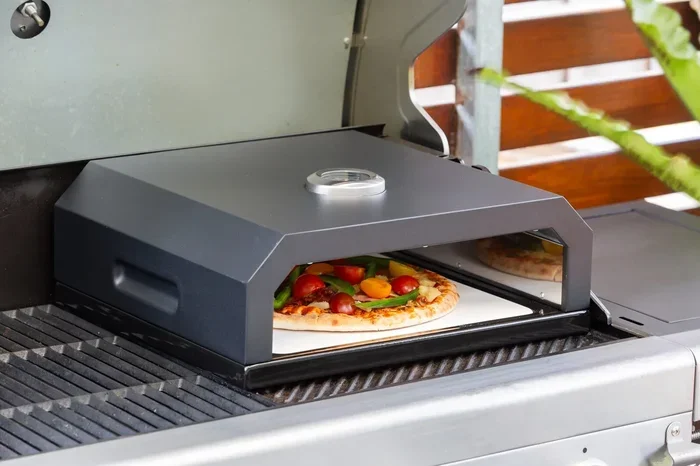
A pizza stone or pizza steel is the best tool for reheating pizza. These products are made from materials that hold heat extremely well. Preheat the stone or steel in the oven for at least 20 minutes. Then place your pizza slice directly on the hot surface. The result is a crispy crust that tastes almost as good as fresh pizza.
Pizza stones are affordable and last for years. They are a great investment for anyone who loves leftover pizza. You can find them at most kitchen supply stores or online for a reasonable price.
Using Aluminum Foil
Aluminum foil is another safe option. Wrap your pizza slice loosely in foil and place it on a baking sheet. The foil reflects heat evenly around the pizza. This prevents the toppings from drying out while the crust stays crispy. Just make sure the foil does not touch the oven heating elements directly.
One tip: if you want the crust extra crispy, leave the foil off for the last two minutes of reheating. This lets the bottom of the crust get direct heat and become perfectly crunchy.
Using a Skillet on the Stovetop
Did you know you can reheat pizza on the stovetop? Place a skillet on medium heat. Put the pizza slice directly in the pan. Cover it with a lid. The steam from the trapped moisture helps melt the cheese while the bottom crust gets crispy. This method takes about 3 to 5 minutes and gives amazing results.
This stovetop method is especially good for thin-crust pizza. The direct contact with the hot pan creates a crispy texture that an oven alone cannot match. It is also much faster than waiting for the oven to preheat.
When Is It Actually Okay to Use a Pizza Box in the Oven
There are very few situations where using a pizza box in the oven is acceptable. Most food safety experts strongly advise against it. However, some people still do it. If you must use a pizza box, here are the conditions that make it slightly less risky.
Check for Oven-Safe Labels
Some pizza boxes come with a label that says they are oven-safe. If your box has this label, it means the manufacturer has tested the box for low-heat use. Even then, you should follow the instructions carefully. Never exceed the temperature recommended on the label. And never leave the box unattended in the oven.
Keep in mind that even oven-safe labeled boxes have limits. The 170-degree threshold is close to the edge of what some boxes can handle. If the box does not explicitly say it is oven-safe, do not put it in the oven. Ever.
Short Exposure Times Only
If you decide to use a pizza box at 170 degrees, limit the exposure time to under 5 minutes. The longer the box stays in the oven, the greater the risk. Five minutes or less reduces the chance of ignition and limits chemical transfer. But even with a short time, you should watch the box closely the entire time.
Set a timer if you need to. Do not rely on your memory. Ovens can be unpredictable, and a few extra minutes can turn a safe experiment into a fire hazard. Always stay in the kitchen when the box is inside the oven.
Remove All Grease and Excess Toppings First
If you are going to use a pizza box in the oven, try to remove as much grease as possible. Grease-soaked cardboard is the biggest fire risk. Use a paper towel to blot the top of the pizza before placing the box in the oven. This reduces the amount of oil that can drip and smoke.
You should also remove any excess toppings that might fall off during reheating. Loose toppings can drip onto the box and create additional grease buildup. Less grease means less smoke and a lower fire risk.
Tips for Using a Pizza Box in the Oven Safely
If you have weighed the risks and still want to use a pizza box in the oven, here are some tips to reduce the danger. These suggestions will not make the practice completely safe, but they can lower the risk.
- Always stay in the kitchen: Never leave a pizza box in the oven unattended. Watch it closely for any signs of smoking or scorching.
- Use the lowest rack position: This keeps the box away from the upper heating element and reduces the risk of direct heat exposure.
- Set a timer: Do not let the box stay in the oven for more than 5 minutes at 170 degrees.
- Check for oven hot spots: Every oven has areas that run hotter than others. Know your oven’s hot spots and position the box away from them.
- Keep a fire extinguisher nearby: This is a smart safety practice anytime you use the oven in an unconventional way.
- Open the oven door slightly: This allows any fumes or smoke to escape rather than building up inside the oven.
- Use a pizza box lid only: If you must use cardboard, the lid is thinner and less likely to cause a major fire. But it still carries risks.
Common Mistakes People Make When Reheating Pizza
Many people make mistakes when reheating leftover pizza that affect both safety and taste. Here are the most common errors and how to avoid them.
Using the Microwave for Crispy Pizza
The microwave is the most common way people reheat pizza. But it makes the crust soggy and chewy. The microwave heats water molecules inside the pizza, which makes the crust soft and limp. If you want crispy pizza, the microwave is the wrong tool for the job.
Instead, use an oven, a skillet, or a toaster oven. These methods use dry heat that crisps the crust while melting the cheese evenly. You will notice a big difference in taste and texture compared to microwaved pizza.
Setting the Oven Too High
Some people crank the oven to 400 or 450 degrees to reheat pizza quickly. This can burn the toppings and dry out the cheese. A lower temperature of 375 to 400 degrees is better. It gives you even heating without overcooking the edges.
The same applies to pizza boxes. Setting the oven too high when using a box increases the fire risk dramatically. Keep the temperature at or below 170 degrees if you must use a box, and ideally, do not use a box at all.
Reheating Pizza Without a Plate or Pan
Placing pizza directly on the oven rack might seem convenient, but it can cause a mess. Cheese and grease can drip onto the oven floor, creating smoke and a difficult cleanup. Always use a baking sheet, pizza stone, or oven-safe dish to catch any drips.
Frequently Asked Questions About Pizza Boxes and Ovens
Can you put a pizza box in the oven at 170 degrees?
It is not recommended. At 170 degrees, the pizza box can dry out, scorch, and release harmful chemicals. The risk of fire also increases if the box is near a heating element. Always transfer your pizza to an oven-safe dish before reheating.
What is the lowest temperature at which cardboard can catch fire?
Cardboard typically ignites at temperatures between 400 and 450 degrees Fahrenheit. However, it can start to char, smoke, and degrade at much lower temperatures. Even at 170 degrees, prolonged exposure can cause the cardboard to break down and become a fire risk.
Is it safe to reheat pizza on its cardboard box in a toaster oven?
No, it is not safe. Toaster ovens have smaller interiors and heating elements that are closer to the food. This makes the fire risk even higher than in a conventional oven. Always remove the pizza from the box before placing it in a toaster oven.
Can pizza box ink be harmful when heated?
Yes, the inks, dyes, and adhesives used on pizza boxes can release harmful chemicals when heated. These fumes can contaminate your food and affect indoor air quality. Food safety experts strongly advise against heating any type of cardboard in the oven.
What is the best way to reheat leftover pizza?
The best methods are using a baking sheet, pizza stone, or skillet on the stovetop. These methods give you crispy crust and evenly melted cheese. Reheat at 375 to 400 degrees for 5 to 8 minutes in the oven, or 3 to 5 minutes on the stovetop.
Can you put a pizza box lid in the oven?
The lid is thinner than the base of the box, but it still carries the same risks. It can scorch, release chemicals, and potentially catch fire. Even using just the lid is not recommended. Always use an oven-safe dish or baking sheet instead.
Conclusion
The answer to whether you can put a pizza box in oven at 170 degrees is clear. It is not a safe practice. The fire risk, chemical release, and food safety concerns all point to the same conclusion. Keep the pizza box out of the oven and use proper reheating tools instead.
Transferring your leftover pizza to a baking sheet, pizza stone, or oven-safe dish takes just a few extra seconds. The results are far better in terms of both safety and taste. You get crispy crust, melted cheese, and the peace of mind that comes with knowing you are not risking a fire in your kitchen.
Remember these key points. Cardboard is not oven-safe. 170 degrees is too close to the danger zone for pizza boxes. There are many better ways to reheat your favorite slices. Make the switch today and enjoy safer, tastier leftover pizza every time. Your oven, your kitchen, and your taste buds will all thank you.