How Long Does It Take to Cook Steak in Oven at 425
Cooking steak in oven at 425°F is one of the easiest and most reliable methods for a perfect meal. Most steaks need 10 to 20 minutes depending on thickness and desired doneness. This guide covers everything from choosing the right cut to pulling it off the heat at the perfect moment.
There is something deeply satisfying about pulling a perfect steak out of the oven. The aroma fills the kitchen. The edges are golden brown. And the center is exactly the way you like it. If you have been wondering how long does it take to cook steak in oven at 425, you have come to the right place.
Cooking steak in oven at 425 degrees is one of the simplest methods you will ever use. It requires minimal effort and delivers consistent results. Whether you prefer a thick ribeye or a lean filet mignon, this temperature works beautifully. In this guide, we will walk you through everything you need to know. You will learn timing, temperatures, techniques, and tips that will upgrade your steak game forever.
Many people overcomplicate oven steak. They think it requires fancy equipment or years of experience. The truth is different. With a basic oven, a simple seasoning, and a little patience, you can cook restaurant-quality steak at home. Let us dive into the details of oven-baked steak at 425°F and make it easy for you.
Key Takeaways
- Standard cook time: A 1-inch steak at 425°F takes about 10 to 12 minutes for medium-rare.
- Thickness matters: Thicker steaks need more time, while thinner ones cook faster.
- Use a meat thermometer: This is the only way to know your steak is perfectly done.
- Rest your steak: Let it sit for 5 to 10 minutes after cooking for juicy results.
- Preheat the oven: Always preheat to 425°F before putting the steak in.
- Sear first, then bake: A quick sear on the stove adds flavor and a beautiful crust.
- Avoid common mistakes: Overcooking, skipping the rest, and not seasoning properly are the top errors.
📑 Table of Contents
- How Long Does Steak Take to Cook in Oven at 425°F?
- Choosing the Right Steak for Oven Cooking
- Step-by-Step Guide to Oven Steak at 425°F
- Steak Doneness and Internal Temperature Guide
- Common Mistakes to Avoid When Baking Steak
- Pro Tips for Perfect Oven Steak Every Time
- Frequently Asked Questions
- Final Thoughts
How Long Does Steak Take to Cook in Oven at 425°F?
The short answer depends on the thickness of your steak and how done you like it. But here is a general breakdown to get you started. A standard 1-inch thick steak cooks in about 10 to 12 minutes at 425°F. A 1.5-inch steak needs roughly 14 to 18 minutes. And a 2-inch steak can take 18 to 22 minutes.
These times assume you start with a room-temperature steak. They also assume you are not searing it first on the stove. If you do sear before baking, you will need to reduce the oven time slightly. More on that below.
Quick Reference: Steak Thickness and Cook Time
- 1-inch steak: 10 to 12 minutes total
- 1.5-inch steak: 14 to 18 minutes total
- 2-inch steak: 18 to 22 minutes total
- Thin steak (under 1 inch): 8 to 10 minutes total
Remember that these are guidelines. Every oven is slightly different. Some ovens run hot, while others run cool. That is why using a meat thermometer is so important. It takes the guesswork out completely and gives you confidence every single time.
Choosing the Right Steak for Oven Cooking
Not all steaks are created equal when it comes to baking steak in oven. Some cuts work better than others at this temperature. Let us look at the best options and what makes them great.
Best Steak Cuts for 425°F Oven Cooking
- Ribeye: Rich flavor and beautiful marbling. This cut stays juicy even if you slightly overcook it. Many people call it the best steak for oven cooking.
- Filet Mignon: Tender and lean. It cooks evenly and has a clean, mild flavor. Perfect for those who prefer a more delicate taste.
- New York Strip: A great balance of flavor and tenderness. It has enough fat to stay moist but is not as rich as ribeye.
- Sirloin: Budget-friendly and flavorful. It works well at 425°F but can dry out faster than fattier cuts.
- Porterhouse: Essentially two steaks in one. The tenderloin and strip sides both cook well at this temperature.
What About Steak Thickness?
Thickness is the single most important factor after temperature. A thin steak will overcook quickly at 425°F. A thick steak needs more time but rewards you with a better crust and more even cooking. Aim for steaks that are at least 1 inch thick for the best results with this method. If you buy thin steaks, consider lowering the oven temperature slightly or using a different cooking method altogether.
Also, bring your steak to room temperature before cooking. Take it out of the fridge 30 to 45 minutes before it goes in the oven. This simple step ensures the steak cooks evenly from edge to center. Cold steaks in a hot oven lead to uneven steak doneness with a cold center and overcooked edges.
Step-by-Step Guide to Oven Steak at 425°F
Now let us get into the actual process. Follow these steps for a flawless oven-baked steak every time. The process is simple, but each step matters.
Step 1: Preheat Your Oven
Set your oven to 425°F and let it fully preheat. This usually takes about 10 to 15 minutes. Do not rush this step. A properly preheated oven ensures the steak starts cooking immediately. Placing a cold steak in a warm oven leads to uneven cooking and longer bake times.
Step 2: Season Your Steak
Keep it simple for the best results. Salt and pepper are all you need for a great steak seasoning base. But you can also add garlic powder, smoked paprika, or dried herbs like rosemary and thyme. Apply the seasoning generously on both sides. The salt helps draw out moisture, which then dissolves into the meat and creates a beautiful crust during baking.
Step 3: Optional Sear (Highly Recommended)
While you can place a raw steak directly into the oven, searing it first adds incredible flavor. Heat a cast iron skillet over high heat with a little oil. Sear each side for about 1 to 2 minutes until a dark brown crust forms. Then transfer the skillet directly into the oven. This method gives you the best of both worlds. You get a deep, savory crust from the sear and even cooking from the oven.
Step 4: Place the Steak in the Oven
If you seared your steak, transfer the entire skillet into the oven. If you did not sear, place the steak on a wire rack set over a baking sheet. The wire rack allows hot air to circulate around the steak. This promotes even cooking and prevents the bottom from getting soggy. Put the steak on the middle oven rack for the best results.
Step 5: Check the Internal Temperature
This is the most important step. Insert a meat thermometer into the thickest part of the steak. Do not touch the bone or the pan if you are using a skillet. Here are the target temperatures for different levels of doneness:
- Rare: 120 to 125°F
- Medium Rare: 130 to 135°F
- Medium: 135 to 145°F
- Medium Well: 145 to 155°F
- Well Done: 155°F and above
Remove the steak from the oven when it is 5 degrees below your target temperature. The temperature will continue to rise during resting. This carryover cooking effect is essential to understand. It is what separates a good steak from a great one.
Step 6: Rest the Steak
Once your steak reaches the right temperature, take it out and let it rest. Place it on a cutting board and tent it loosely with aluminum foil. Resting allows the steak juices to redistribute throughout the meat. If you cut into it immediately, the juices will run out onto the board instead of staying in the steak. Rest for at least 5 to 10 minutes. This small wait makes a huge difference in the final result.
Steak Doneness and Internal Temperature Guide
Understanding steak doneness is key to cooking exactly the way you like it. Many people guess, but a thermometer takes all the guesswork away. Let us break down each level so you know exactly what to aim for.
What Each Doneness Level Looks and Feels Like
Rare has a cool red center. It feels very soft when you press it. The internal temperature sits around 120 to 125°F. This is ideal for steak lovers who want maximum juiciness and a bright red interior.
Medium Rare is the most popular choice. It has a warm red center and a firm exterior. The temperature reads 130 to 135°F. Most steakhouse steaks are served at this level. It offers the perfect balance of juiciness and structure.
Medium has a pink center with some pink juice. It feels firm but gives slightly when pressed. The temperature is 135 to 145°F. This is a safe, crowd-pleasing option that works well with most steak cuts.
Medium Well has a slight pink hint in the center. It feels firm when pressed. The temperature ranges from 145 to 155°F. Some people prefer this for leaner cuts like filet mignon.
Well Done has no pink at all. It feels very firm throughout. The temperature is 155°F and above. This level tends to dry out the steak more than others. It is best suited for fattier cuts that can handle the extra cooking.
Why Carryover Cooking Matters
Here is something many beginners miss. The steak continues to cook after you take it out of the oven. This is called carryover cooking. The internal temperature can rise by 5 to 10 degrees during resting. That is why we recommend pulling the steak off 5 degrees early. If you wait until it hits the exact target in the oven, it will be overcooked by the time you eat it. Keep this in mind every time you bake steak in oven at 425.
Common Mistakes to Avoid When Baking Steak
Even experienced cooks make mistakes with oven steak. Learning from common errors will save you from disappointment. Here are the top pitfalls and how to avoid them.
Mistake 1: Skipping the Rest Period
Cutting into your steak immediately after pulling it from the oven is the most common mistake. The juices need time to settle. Without resting, your steak will be dry and less flavorful. Set a timer and wait at least 5 minutes. Your patience will be rewarded.
Mistake 2: Not Using a Meat Thermometer
Relying on time alone is unreliable. Ovens vary. Steaks vary in thickness. A meat thermometer is the only accurate way to know your steak is done. Invest in a good instant-read thermometer. It costs very little and transforms your cooking results instantly.
Mistake 3: Starting with a Cold Steak
Putting a fridge-cold steak straight into a 425°F oven creates uneven cooking. The outside overcooks while the center stays cold. Always let your steak sit at room temperature for 30 to 45 minutes before baking. This small step makes a big difference in steak cooking time and overall quality.
Mistake 4: Over-Salting or Under-Seasoning
Too much salt can draw out too much moisture and make the steak soggy. Too little salt leaves the steak bland. Apply a generous layer of kosher salt and freshly cracked pepper. About 1 teaspoon of salt per side is a good starting point. Adjust based on the size of your steak.
Mistake 5: Opening the Oven Door Too Often
Every time you open the oven door, heat escapes. This lowers the oven temperature and extends cooking time. Resist the urge to check on your steak constantly. Use the oven light to peek through the window instead. Check the temperature only once or twice near the end of cooking.
Pro Tips for Perfect Oven Steak Every Time
Now that you know the basics, let us add some pro-level tips that will take your oven-roasted steak to the next level. These small adjustments make a big impact on flavor and texture.
Use a Cast Iron Skillet
If you sear your steak before baking, a cast iron skillet is the best tool. It retains heat incredibly well and creates an even, beautiful crust. You can go from stovetop to oven seamlessly without transferring the steak to another pan. This reduces heat loss and keeps the cooking process smooth.
Add Butter and Garlic for Extra Flavor
During the last few minutes of baking, add a tablespoon of butter and a few crushed garlic cloves to the skillet. The butter bastes the steak as it melts. The garlic infuses a wonderful aroma. This technique is simple but elevates the flavor significantly. It is one of the easiest ways to make your steak in oven 425 taste like a high-end restaurant.
Let the Steak Age Before Cooking
If you have the time, dry-age your steak in the fridge for a day or two before cooking. Place it on a wire rack on a plate, uncovered, in the fridge. This dries out the surface slightly, which leads to a better crust when baking. It also concentrates the flavor. While not required, it is a game-changer for serious steak lovers.
Experiment with Different Steaks
Once you master the basics at 425°F, try different cuts and thicknesses. Each steak responds slightly differently to oven baking. A thick ribeye behaves differently than a thin sirloin. Keep notes on what works best for each cut. Over time, you will develop an intuitive feel for cooking steak at 425 that makes the process second nature.
Pair It with the Right Sides
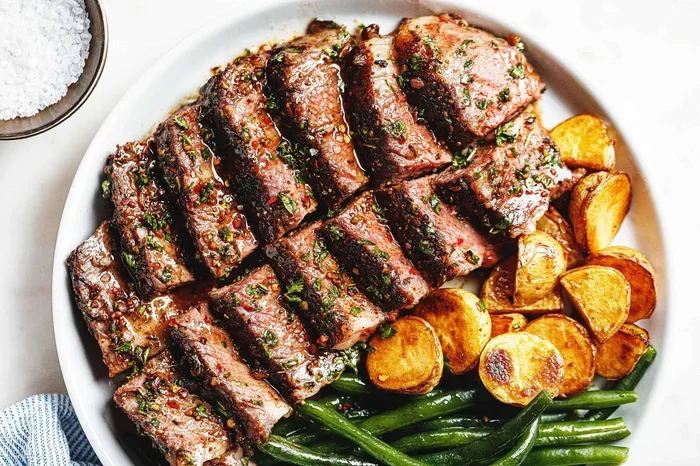
A great steak deserves great sides. Roasted vegetables, mashed potatoes, or a simple salad all work wonderfully. The 425°F oven temperature is perfect for cooking sides at the same time. While your steak rests, you can pop in some asparagus or baby potatoes. This makes the whole meal efficient and delicious.
Frequently Asked Questions
Can I cook steak in oven at 425 without searing it first?
Yes, you absolutely can. Many people prefer the simplicity of placing a seasoned steak directly into the oven. The result will be more evenly cooked with less crust. However, searing adds a deeper flavor and a beautiful brown exterior. If you skip the sear, increase the oven time by about 2 minutes and check the temperature carefully.
How do I know when my steak is done without a thermometer?
The finger test is an old-school method. Press the center of the steak with your finger. A rare steak feels very soft, like the fleshy part of your palm. Medium rare feels slightly firmer, like the base of your thumb when your hand is relaxed. Medium feels firm with a slight give. Well done feels very firm. However, a thermometer is far more accurate and consistent.
What is the best steak for beginners to cook in the oven?
Ribeye is the best choice for beginners. It has enough marbling to stay juicy even if you slightly overcook it. Filet mignon is also forgiving and tender. Both cuts respond well to the 425°F method and are widely available at grocery stores and butcher shops.
Should I cover the steak with foil while it rests?
Yes, loosely tenting the steak with aluminum foil during resting is recommended. This keeps the steak warm while allowing steam to escape. If you wrap it tightly, the steam will get trapped and soften the crust you worked so hard to create. A loose tent is the sweet spot.
Can I use this method for frozen steak?
It is not recommended. Frozen steaks cook unevenly at 425°F. The outside will overcook before the inside thaws completely. Always thaw your steak in the fridge overnight or in cold water for about an hour before baking. Cooking from frozen also throws off your steak cooking time estimates significantly.
How long should I let my steak rest after cooking?
Let your steak rest for at least 5 minutes for thin cuts and up to 10 minutes for thick cuts. This resting period allows the juices to redistribute. Cutting too early releases those juices onto the plate instead of keeping them in the meat. The result is a drier, less flavorful steak. Be patient and your steak will thank you.
Final Thoughts
Cooking steak in oven at 425 is one of the most rewarding things you can do in the kitchen. It is simple, reliable, and produces outstanding results every time. The key is understanding timing, temperature, and the importance of resting your steak properly.
Start with a good cut of meat. Season it well. Preheat your oven to 425°F. Use a meat thermometer to track doneness. And never skip the rest. These five steps alone will transform your home cooking.
Whether you are cooking for yourself or for a dinner party, this method delivers consistently. You will impress your guests and satisfy your own cravings with minimal effort. The beauty of oven-baked steak is that once you get the rhythm down, you can experiment freely. Try different seasoning blends. Adjust the time based on thickness. Explore various steak cuts. Each attempt builds your confidence and skill.
Remember that practice makes perfect. Your first oven steak might not be flawless, and that is okay. Every cook learns through experience. The more you bake steak at 425°F, the more intuitive the process becomes. You will start to trust your instincts and your thermometer. Soon, perfect steak will feel effortless.
So go ahead. Pick up a great steak from your local butcher or grocery store. Season it generously. Preheat the oven. And enjoy the process. A perfectly cooked steak at home is one of life’s simple pleasures, and now you have all the tools to make it happen.