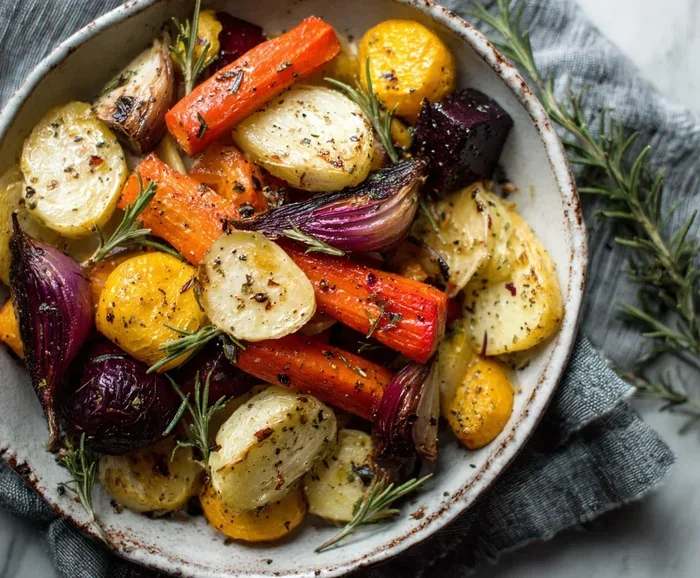
How Long To Bake Veggies In The Oven At 400 Degrees
Baking vegetables at 400°F is the fastest and easiest way to get perfectly roasted, caramelized veggies. Most vegetables take between 20 and 40 minutes depending on the type and size. This guide covers exact baking times, pro tips, and common mistakes so you can roast veggies like a seasoned chef.
Key Takeaways
- 400°F is the ideal oven temperature: This heat level creates a perfect balance of crispy edges and tender interiors for most vegetables.
- Baking times vary by vegetable: Root vegetables like sweet potatoes need 30-40 minutes, while quick-cooking veggies like zucchini take only 15-20 minutes.
- Cut size matters a lot: Smaller, uniform pieces cook faster and more evenly than large, irregular chunks.
- Don’t skip the preheating step: A fully preheated oven ensures even cooking and better caramelization from the start.
- Single layer is key: Overcrowding the baking sheet leads to steamed, soggy vegetables instead of crispy roasted ones.
- Season before baking: Olive oil, salt, and herbs applied before roasting help vegetables develop deep flavor and golden color.
- Leftovers store well: Roasted vegetables keep in the fridge for 4-5 days and reheat beautifully in the oven or microwave.
📑 Table of Contents
- Why 400°F Is the Sweet Spot for Roasting Vegetables
- How Long to Bake Different Vegetables at 400 Degrees
- Tips for Perfectly Baked Vegetables Every Time
- Common Mistakes to Avoid When Baking Vegetables
- The Best Vegetables for Oven Roasting at 400°F
- How to Store and Reheat Roasted Vegetables
- Conclusion
Why 400°F Is the Sweet Spot for Roasting Vegetables
So why does 400 degrees Fahrenheit work so well for roasting vegetables? The answer comes down to chemistry and texture. At this temperature, the natural sugars inside vegetables start to caramelize. That means you get those gorgeous golden-brown edges with a slightly sweet, rich flavor.
Lower temperatures like 350°F take longer and can leave veggies looking pale and steamed. Higher temperatures like 425°F or above risk burning the outside before the inside cooks through. 400°F hits the sweet spot perfectly.
This temperature also works for almost every type of vegetable. Whether you are roasting root vegetables, leafy greens, or cruciferous vegetables, 400°F delivers consistent results. It is the go-to temperature for home cooks and professional chefs alike.
The high heat also drives off moisture quickly. This is what gives you that satisfying crispy exterior on things like Brussels sprouts and cauliflower. The inside stays moist and tender while the outside gets beautifully browned.
What Happens When You Roast Vegetables at 400°F?
When vegetables hit 400°F, several things happen at once. The heat breaks down cell walls, which softens the vegetable. Simultaneously, surface moisture evaporates, creating that dry, crispy texture. And the natural sugars undergo a process called the Maillard reaction, which creates complex, savory flavors.
This is why roasted vegetables taste so much better than boiled or steamed ones. The high heat concentrates flavor and adds depth. You get a combination of textures that simply cannot be achieved with lower-temperature cooking methods.
How Long to Bake Different Vegetables at 400 Degrees
Now let us get into the details. The baking time for vegetables at 400°F depends on several factors. The type of vegetable, the size of your pieces, and how much moisture they contain all play a role.
Here is a general guide to help you plan your vegetable roasting perfectly every time.
Quick-Cooking Vegetables (15-20 Minutes)
These vegetables have high water content and thin skins, so they cook fast at 400°F.
- Zucchini and summer squash: 15-18 minutes. Cut into half-moons or cubes for even cooking.
- Bell peppers: 15-20 minutes. Cut into strips or chunks for best results.
- Green beans: 15-20 minutes. Trim the ends and leave them whole or halved.
- Cherry tomatoes: 12-15 minutes. They burst and get sweet and juicy.
- Broccoli florets: 15-20 minutes. Small florets cook faster than large ones.
Medium-Cooking Vegetables (20-30 Minutes)
These vegetables need a bit more time to become fork tender and fully caramelized.
- Cauliflower: 20-25 minutes. Cut into florets of equal size for even roasting.
- Broccoli stalks: 20-25 minutes. Slice into rounds for quicker cooking.
- Brussels sprouts: 20-25 minutes. Halve them for better caramelization.
- Red onions: 20-25 minutes. Cut into wedges for beautiful results.
- Eggplant: 20-25 minutes. Cube and toss with olive oil for crispy edges.
Slow-Cooking Vegetables (30-40 Minutes)
Dense, starchy vegetables need the most time in the hot oven. Patience here pays off big time.
- Sweet potatoes: 30-40 minutes. Cut into 1-inch cubes for even roasting.
- Regular potatoes: 30-40 minutes. Smaller pieces cook faster.
- Carrots: 30-35 minutes. Cut into sticks or coins for consistent results.
- Butternut squash: 30-40 minutes. Peel and cube into 1-inch pieces.
- Beets: 35-40 minutes. Cut into small wedges for faster cooking.
Tips for Cutting Vegetables for Even Roasting
Uniformity is everything when you are roasting vegetables in the oven. If some pieces are big and some are small, they will cook at different rates. Here are some quick tips.
- Cut all pieces to roughly the same size. Aim for about 1 inch for most vegetables.
- Dense vegetables like sweet potatoes should be cut smaller than soft ones like zucchini.
- Thinner pieces like asparagus can be left whole or cut in half lengthwise.
- Use a sharp knife and a stable cutting board for safety and precision.
- When in doubt, cut pieces slightly smaller. They will cook faster and more evenly.
Tips for Perfectly Baked Vegetables Every Time
Getting great results is easier than you think. Follow these simple vegetable roasting tips and your oven-baked veggies will turn out amazing every single time.
Preheat Your Oven First
Never put vegetables into a cold oven. A fully preheated oven at 400°F ensures your veggies start cooking immediately. This leads to better caramelization and a more even roast throughout.
Give your oven at least 15-20 minutes to reach the right temperature. Use an oven thermometer if you are unsure. Many ovens run hot or cold, and this can throw off your baking times significantly.
Use the Right Amount of Oil
Olive oil helps vegetables roast instead of steam. It also carries flavor and helps seasonings stick. But less is more here.
A light coating is all you need. Too much oil makes vegetables greasy and can cause them to steam rather than roast. Use about 1-2 tablespoons of extra virgin olive oil per large baking sheet. Toss your vegetables thoroughly before spreading them out.
Spread Vegetables in a Single Layer
This is probably the most important tip for perfect roasted vegetables. When vegetables overlap or pile up, they steam instead of roast. You end up with mushy, pale pieces instead of crispy, golden ones.
Use a large baking sheet or use two sheets if needed. Give each piece room to breathe. The vegetables should not be touching or overlapping. This might mean you need to roast in two batches, but the results are worth it.
Season Generously and at the Right Time
Salt your vegetables before they go in the oven. Salt draws out moisture, which helps create that crispy exterior. Add salt along with your oil and toss everything together before spreading on the sheet.
Save fresh herbs for after roasting. Delicate herbs like basil and cilantro will burn in a hot oven. Add them once the vegetables are done for the best flavor.
Flip Halfway Through
For the most even golden brown results, flip or stir your vegetables halfway through the cooking time. This ensures all sides get equal exposure to the heat.
Use a spatula to gently turn each piece. Be careful not to break up soft vegetables like tomatoes or roasted garlic. For heartier vegetables like sweet potatoes and carrots, flipping is essential for even browning.
Know When Vegetables Are Done
The best way to check if your vegetables are ready is to pierce the largest piece with a fork. It should slide in easily with no resistance. The vegetables should be tender on the inside and golden brown on the outside.
Smell is another great indicator. When your kitchen smells like caramelized, roasted goodness, your veggies are probably done. Taste one to confirm. It should be flavorful with a nice balance of crispy and tender.
Common Mistakes to Avoid When Baking Vegetables
Even experienced cooks make mistakes when roasting vegetables at 400 degrees. Here are the most common ones and how to avoid them.
Overcrowding the Pan
This is the number one mistake people make. When you cram too many vegetables onto one sheet pan, they trap steam against each other. Instead of roasting, they end up steaming and turning soggy.
The fix is simple. Use two sheet pans if you need to. Or reduce the amount of vegetables per pan. Your crispy vegetables will thank you.
Skipping the Preheat
Putting vegetables into a cold oven means they start cooking slowly and low. This gives moisture too much time to escape or redistribute unevenly. The result is often pale, unevenly cooked vegetables with no caramelization.
Always wait for the oven to reach 400°F before adding your sheet pan veggies. The extra few minutes of waiting make a huge difference.
Using Too Much or Too Little Oil
Too much oil makes vegetables greasy and heavy. Too little oil causes them to dry out and burn. Finding the right balance is key to perfectly roasted vegetables.
Start with less oil than you think you need. You can always add a light drizzle after roasting if something feels too dry. But you cannot take away excess oil once it is on the pan.
Not Cutting Vegetables to the Same Size
If you mix big chunks with small pieces, the small ones will burn while the big ones stay raw. This is the most common reason vegetables come out unevenly cooked.
Take a few extra minutes to cut everything uniformly. Your oven-roasted vegetables will cook at the same rate and look and taste so much better.
Opening the Oven Door Too Often
Every time you open the oven door, heat escapes. This drops the oven temperature and can significantly increase your vegetable baking time. It can also prevent proper caramelization.
Resist the urge to peek too often. Check on your vegetables only once or twice during cooking. Trust the process and let the oven do its work.
The Best Vegetables for Oven Roasting at 400°F
Not all vegetables roast equally well. Some are naturally better suited for high heat roasting at 400°F. Here are the best options to fill your baking sheet with.
Root Vegetables
Root vegetables are the stars of oven roasting. Their dense structure holds up beautifully to high heat and long cooking times. Sweet potatoes, carrots, beets, parsnips, and turnips all caramelize wonderfully at 400°F.
These vegetables benefit from a light coating of oil and a generous pinch of salt. They develop deep, complex flavors that are impossible to achieve with other cooking methods. Roasting brings out their natural sweetness in the most delicious way.
Cruciferous Vegetables
Broccoli, cauliflower, Brussels sprouts, and cabbage all roast beautifully at 400°F. The high heat gives them crispy edges while keeping the centers tender and slightly creamy.
Brussels sprouts are a particular favorite. When halved and roasted at 400°F, the cut sides turn golden brown and crispy while the centers stay soft and nutty. Add a sprinkle of parmesan cheese in the last 5 minutes for an extra treat.
Alliums and Peppers
Onions, garlic, bell peppers, and tomatoes all do incredibly well in a 400 degree oven. Onions caramelize and become sweet. Peppers get slightly charred and smoky. Tomatoes burst and concentrate their flavor.
These vegetables pair beautifully with almost any protein or grain. They also make amazing additions to salads, grain bowls, and sandwiches the next day.
Summer Squash and Zucchini
These mild-flavored vegetables soak up olive oil and seasonings like a sponge. At 400°F, they develop a slightly crispy exterior while staying moist inside. They cook fast, so keep an eye on them.
Zucchini and yellow squash are perfect for weeknight dinners. They require minimal prep and cook in under 20 minutes. Toss them with garlic, herbs, and a squeeze of lemon for a simple side dish everyone loves.
How to Store and Reheat Roasted Vegetables
One of the great things about baking vegetables at 400°F is that leftovers taste almost as good as the first serving. Here is how to make them last.
Let your roasted vegetables cool completely before storing. Place them in an airtight container and refrigerate. They will keep for 4-5 days in the fridge. Do not leave them at room temperature for more than 2 hours.
To reheat, spread them on a baking sheet and warm them in the oven at 375°F for about 10 minutes. This restores the crispy texture. You can also reheat them in the microwave, but they will lose some of their crunch.
Roasted vegetables make excellent additions to meal prep. Roast a big batch on Sunday and use them throughout the week in salads, wraps, pasta dishes, and grain bowls. They are a quick and healthy addition to almost any meal.
Conclusion
Baking vegetables in the oven at 400 degrees is one of the simplest and most delicious ways to prepare healthy food. With the right vegetable baking times and a few pro tips, you can create restaurant-quality roasted vegetables in your own kitchen.
Remember that most vegetables take between 15 and 40 minutes depending on the type and size. Cut everything uniformly, use a light coating of oil, and spread vegetables in a single layer. Avoid common mistakes like overcrowding the pan or skipping the preheat.
The beauty of roasting vegetables at 400°F is that once you master the basics, you can experiment endlessly. Try different vegetables, seasonings, and flavor combinations. You will quickly discover your own favorite combinations and techniques.
So preheat that oven, grab your favorite vegetables, and get ready to enjoy some of the best-tasting food you have ever made. Oven-roasted vegetables are a game-changer for weeknight dinners, meal prep, and healthy eating. Give it a try tonight and see the difference for yourself.
Frequently Asked Questions
Can I roast mixed vegetables together at 400°F?
Yes, but cut vegetables to similar sizes so they cook at the same rate. Start with vegetables that need the longest time and add quicker-cooking ones partway through. This ensures everything finishes at the same time.
Do I need to flip vegetables when roasting at 400°F?
Flipping halfway through is recommended for the most even results. It ensures all sides get crispy and golden. However, some vegetables like cherry tomatoes do not need flipping since they are small and cook quickly.
Can I use foil on the baking sheet for easier cleanup?
Yes, you can line your baking sheet with foil or parchment paper. Just be aware that foil can prevent airflow slightly, which may affect crispiness. Parchment paper is generally a better choice for roasting vegetables.
What is the best oil for roasting vegetables at 400°F?
Extra virgin olive oil is the most popular choice because of its flavor and high smoke point. Avocado oil works well too. Avoid butter for high-heat roasting since it burns easily at 400°F.
How do I know if roasted vegetables are done?
Pierce the largest piece with a fork. It should go in easily with no resistance. The vegetables should be golden brown on the outside and tender on the inside. Your kitchen should smell amazing too.
Can I roast frozen vegetables at 400°F?
Yes, but spread them on a towel first and pat them dry. Excess moisture from frozen vegetables causes steaming instead of roasting. Toss them with oil and spread them in a single layer for the best results.