What To Use For Cleaning Oven Without Harsh Chemicals
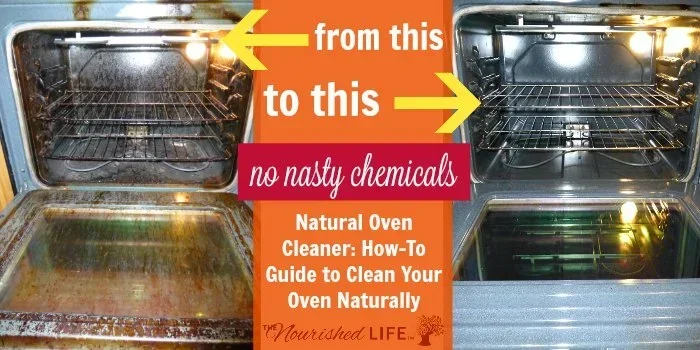
Learn exactly what to use for cleaning oven without harsh chemicals and keep your kitchen safe, fresh, and toxin-free. Baking soda, vinegar, and lemon are powerful enough to cut through tough grease and baked-on grime. These natural methods save money, protect your health, and work surprisingly well on even the dirtiest ovens.
Have you ever opened your oven and felt that wave of burnt grease and mystery grime staring back at you? It happens to all of us. The question is, what to use for cleaning oven without harsh chemicals? The good news is you do not need toxic sprays or expensive products to get the job done.
Your kitchen cupboard likely already holds the best oven cleaning tools you will ever need. Baking soda, vinegar, lemon, and dish soap can tackle even the toughest oven grime. These natural cleaners are safe, affordable, and incredibly effective. In this guide, we will walk you through every method, recipe, and tip you need to know.
Whether you have a standard gas oven, a sleek electric model, or a self-cleaning unit, these chemical-free approaches work beautifully. You will learn why harsh cleaners are risky, which ingredients actually work, and how to follow a simple step-by-step process. By the end, you will feel confident tackling oven cleaning the safe and smart way.
Key Takeaways
- Baking soda and vinegar are the top two natural ingredients for breaking down oven grease and grime effectively.
- Avoiding harsh chemicals protects your family from toxic fumes and residue that can contaminate food.
- Homemade oven cleaner recipes cost a fraction of commercial products and work just as well.
- Regular oven maintenance with simple household items prevents tough buildup and makes deep cleans easier.
- Steam cleaning and lemon-based methods offer gentle yet powerful alternatives for sensitive oven surfaces.
- Non-toxic oven cleaning is safer for pets, children, and the environment.
- Consistency matters — a quick cleaning routine keeps your oven sparkling between deep cleans.
📑 Table of Contents
- Why You Should Avoid Harsh Chemical Oven Cleaners
- Best Natural Ingredients For Oven Cleaning
- How To Clean Your Oven With Baking Soda And Vinegar
- Homemade Oven Cleaner Recipes You Can Try Today
- Step-By-Step Guide To A Chemical-Free Oven Clean
- Tips For Keeping Your Oven Clean Between Deep Cleans
- Common Mistakes To Avoid When Cleaning Your Oven Naturally
- Expert Insights On Natural Oven Cleaning
- Comparison: Natural Vs Chemical Oven Cleaners
- Final Thoughts On Cleaning Your Oven The Safe Way
Why You Should Avoid Harsh Chemical Oven Cleaners
Most commercial oven cleaners contain powerful solvents that can do more harm than good. These products release fumes that linger in your kitchen long after you spray them. The residue left behind can transfer to your food during the next cook. That is not something anyone wants on their dinner plate.
Here are some real reasons to switch to a natural oven cleaner approach:
- Toxic fumes can irritate your lungs, eyes, and skin during use.
- Chemical residue may contaminate food and affect taste.
- Harsh solvents can damage oven interiors over time, especially coatings and seals.
- Environmental harm comes from the chemicals washing into water systems.
- Health risks increase for children, pets, and anyone with sensitivities or allergies.
Switching to a chemical-free oven cleaner is one of the simplest changes you can make for a healthier home. The alternatives work just as well, and they cost much less. Once you see the results, you will never go back.
What Makes Natural Cleaners Work
Natural cleaning agents rely on simple science. Baking soda is a mild alkali that dissolves grease. Vinegar is a natural acid that breaks down mineral deposits and grime. When combined, they create a fizzing reaction that lifts dirt away from surfaces. Lemon adds a fresh scent and extra cutting power through its citric acid. These ingredients work together to handle oven grease removal without any synthetic chemicals.
Best Natural Ingredients For Oven Cleaning
Not all natural cleaners are created equal. Some ingredients are absolute powerhouses when it comes to cutting through baked-on oven grime. Here is a look at the most effective options for a non-toxic oven cleaner routine.
Baking Soda
Baking soda is the MVP of natural oven cleaning. It is a gentle abrasive that scrubs away grease without scratching surfaces. When mixed with water into a paste, it clings to oven walls and breaks down burnt food over time. This makes it perfect for oven interior cleaning on a deep level.
You can use baking soda alone or pair it with other ingredients. It works on all oven types, including stainless steel, porcelain, and glass surfaces. The best part? It is safe around food and completely non-toxic.
White Vinegar
White vinegar is a natural acid that cuts through grease and loosens grime. It also deodorizes your oven, leaving it smelling fresh instead of like last night’s burnt pizza. When heated with water, steam vinegar cleaning becomes even more effective at lifting stuck-on residue.
Vinegar works great as a rinse agent after applying a baking soda paste. The two together create a dynamic cleaning duo that handles most oven messes with ease. Look for standard white distilled vinegar for the best results.
Lemon and Citric Acid
Lemon juice and citric acid are excellent for grease cutter oven tasks. The natural acid in lemons dissolves baked-on food and cuts through oily residue. Plus, they leave behind a wonderful citrus scent that masks any lingering oven odors.
You can use fresh lemon halves, lemon juice mixed with water, or food-grade citric acid powder. The steam method with lemon is especially popular. Just simmer lemon slices in water inside the oven, and the steam loosens grime effortlessly.
Dish Soap and Warm Water
Do not underestimate a good quality dish soap and warm water. This simple combination handles light to moderate oven messes very well. Dish soap is designed to cut through kitchen grease, and it is safe for food contact surfaces. It is the perfect starting point for routine oven cleaning routine maintenance.
How To Clean Your Oven With Baking Soda And Vinegar
The baking soda and vinegar method is the gold standard for natural oven cleaning. It is reliable, affordable, and works on almost every type of oven. Here is exactly how to do it.
What You Will Need
- Half a cup of baking soda
- Two to three tablespoons of water
- One cup of white vinegar
- One cup of warm water
- A spray bottle
- A soft cloth or sponge
- A pair of gloves (optional but recommended)
Step-by-Step Process
First, remove the oven racks and soak them separately in warm soapy water. This makes it easier to clean both the racks and the oven interior at the same time. While the racks soak, prepare your baking soda paste.
Mix the baking soda with water until you get a thick, spreadable paste. Spread this paste evenly across the inside of your oven. Avoid the heating elements, as direct contact can reduce their efficiency. Focus on areas with heavy grease and burnt-on food. Let the paste sit for at least twelve hours or overnight.
After the paste has had time to work, wipe it away with a damp cloth. Most of the grime should come off easily. Next, pour the vinegar into a spray bottle and spritz the remaining baking soda residue. The fizzing reaction will lift any remaining dirt. Wipe everything down with warm water and a clean cloth.
For extra stubborn spots, repeat the process or let the paste sit for a few more hours. The oven grease removal with this method is impressive, even on tough, baked-on messes.
Cleaning Oven Racks With This Method
Your oven racks benefit from the same treatment. Apply the baking soda paste directly to the racks, let it sit for a few hours, then scrub with a soft brush or sponge. Rinse thoroughly with warm water. For heavily soiled racks, you can also soak them in a bathtub filled with hot water and a cup of vinegar overnight.
Homemade Oven Cleaner Recipes You Can Try Today
Beyond the classic baking soda and vinegar combo, there are several other homemade oven cleaner recipes worth trying. Each one targets different types of grime and offers unique benefits.
Lemon Steam Cleaner
This method is gentle, fragrant, and perfect for routine maintenance. Fill an oven-safe dish with water and squeeze in the juice of two lemons. Place the dish on the lower oven rack and heat the oven to 200 degrees Fahrenheit for about thirty minutes. The steam loosens grease and grime throughout the interior. Afterward, simply wipe everything down with a damp cloth.
The lemon steam method is ideal for steam cleaning oven without any chemicals at all. It also deodorizes the oven, which is a nice bonus. This works best when done every few weeks to prevent heavy buildup.
Baking Soda and Hydrogen Peroxide Paste
For extra tough stains, combine baking soda with a small amount of hydrogen peroxide. The peroxide adds a mild bleaching effect that helps lift discoloration. Apply the paste to stained areas, let it sit for thirty minutes, then scrub and wipe clean. This is especially useful for burnt food removal oven situations where regular methods fall short.
Always test this on a small hidden area first, especially if your oven has a special coating. Hydrogen peroxide is generally safe but can affect some surfaces.
Salt and Baking Soda Scrub
For a slightly more abrasive option, mix coarse salt with baking soda and a little water. This scrub works wonders on baked-on crusts and stubborn spots. The salt acts as a gentle exfoliant that helps lift grime without scratching. Apply, scrub gently with a cloth, and rinse thoroughly.
Step-By-Step Guide To A Chemical-Free Oven Clean
Now that you know the best ingredients, let us walk through a complete oven interior cleaning session from start to finish. This guide covers everything you need for a thorough deep clean without any harsh products.
Preparation
Start by removing everything from your oven. Take out the racks, trays, and any removable parts. Check your oven manual to see if there are any parts you should avoid getting wet. Lay down towels or newspaper on the floor to catch any drips or spills.
Application
Apply your chosen cleaning method — whether that is a baking soda paste, lemon steam, or vinegar solution — to the oven interior. Work from the top down so that any dripping residue gets cleaned up as you go. Pay special attention to corners, crevices, and around the door seal where grime tends to build up.
Dwell Time
Let your cleaning solution do its work. The longer it sits, the easier the grime comes off. For heavy buildup, overnight is ideal. For routine cleaning, thirty minutes to an hour is usually enough. The non-toxic oven cleaner approach requires a bit of patience, but the results speak for themselves.
Scrubbing and Wiping
Use a soft sponge or microfiber cloth to scrub away loosened grime. Avoid steel wool or abrasive pads, as these can damage oven surfaces. For the door glass, a paste of baking soda and water works great on baked-on spots. Wipe everything clean with a damp cloth and dry thoroughly.
Reassembly
Once the interior is clean and dry, put the racks and trays back in. Your oven is now ready to use, free of chemical residue and ready for its next culinary adventure.
Tips For Keeping Your Oven Clean Between Deep Cleans
The best oven cleaning routine includes regular light maintenance. This prevents heavy buildup and makes deep cleans much faster and easier. Here are some simple habits that make a big difference.
- Wipe spills immediately after the oven cools down. Do not let food sit and bake onto surfaces.
- Use oven liners on the bottom to catch drips and crumbs. These are cheap and easy to replace.
- Do a quick lemon steam clean every two weeks to keep grease from building up.
- Line the oven door window with foil if you frequently have messy bakes, to protect the glass.
- Run a hot water and vinegar rinse after any cooking session that produced a lot of steam or splatter.
These small habits save you hours of deep cleaning later. A few minutes of maintenance goes a long way toward keeping your oven in top shape.
Quick Tips For Best Results
Always test any new cleaner on a small, hidden area first. Never mix bleach with vinegar or ammonia-based products, even if they are natural. Ventilate your kitchen while cleaning by opening a window or turning on the fan. Wear gloves if you have sensitive skin, even with natural products. And be patient — letting the cleaning paste sit longer always produces better results.
Common Mistakes To Avoid When Cleaning Your Oven Naturally
Even with the best natural methods, some common mistakes can reduce effectiveness or even damage your oven. Here is what to watch out for.
- Using too much water can damage heating elements and electronic components in modern ovens. Use damp cloths, not soaking wet ones.
- Skipping the dwell time is a big mistake. Natural cleaners need time to break down grease. Do not rush the process.
- Using abrasive scrubbers like steel wool can scratch and damage oven surfaces, especially non-stick coatings.
- Forgetting the door seal is a common oversight. This area traps grease and food particles and affects oven efficiency.
- Not rinsing thoroughly can leave a baking soda or vinegar residue that affects the taste of your next bake.
Avoiding these mistakes ensures your chemical-free oven cleaner routine delivers the best possible results every time.
Expert Insights On Natural Oven Cleaning
Professional cleaners and kitchen experts agree that natural methods are the way to go for most households. According to cleaning professionals, the baking soda paste method is the most recommended approach for eco-friendly oven cleaner routines. It is effective, safe, and works on virtually all oven types.
Experts also emphasize the importance of consistency. A quick wipe-down after each use prevents the need for aggressive deep cleans. This approach aligns perfectly with non-toxic oven cleaner practices and keeps your oven in excellent condition year-round.
One professional tip from seasoned cleaners is to always clean your oven when it is completely cool. This ensures better paste adhesion and prevents burns. It also allows you to see every spot that needs attention. Taking this extra step makes a noticeable difference in the final results.
Another insight is to keep a dedicated cleaning kit for your oven. Store your baking soda, vinegar, spray bottle, and microfiber cloths in one place. Having everything ready makes the process faster and more likely to become a regular habit.
Comparison: Natural Vs Chemical Oven Cleaners
Let us compare the two approaches side by side so you can see why natural cleaning is the better choice for most households.
| Factor | Natural Cleaners | Chemical Cleaners |
|---|---|---|
| Safety | Non-toxic, safe around food | Toxic fumes and chemical residue |
| Cost | Very affordable, uses household items | Expensive, single-use products |
| Effectiveness | Works well on most grime | Strong on tough stains but overkill for light messes |
| Surface Safety | Gentle on all oven surfaces | Can damage coatings and seals |
| Environmental Impact | Biodegradable and eco-friendly | Harmful chemicals enter water systems |
| Ease of Use | Simple, requires some patience | Spray and wipe, but requires ventilation |
| Smell | Fresh, natural scents like lemon | Strong chemical odor that lingers |
As you can see, natural cleaners win in almost every category. The only advantage chemical cleaners have is speed on extremely tough stains. But even then, a second application of a natural paste usually handles the job just fine.
Making the switch to a natural oven cleaner is one of the best decisions you can make for your health, your wallet, and the environment. The results are just as good, if not better, than what harsh chemicals can deliver.
Final Thoughts On Cleaning Your Oven The Safe Way
Cleaning your oven does not have to involve toxic sprays or worrying about chemical residue on your next meal. With the right natural ingredients like baking soda, vinegar, and lemon, you can achieve a spotless oven safely and affordably. These methods have been trusted by households for generations, and for good reason — they work.
Remember that the key to easy oven maintenance is consistency. A little regular care prevents heavy buildup and makes deep cleans a breeze. Whether you prefer the classic baking soda paste, the refreshing lemon steam, or one of the other homemade recipes, there is a natural method that fits your needs.
Start with one method today and see the difference for yourself. Your oven will look and smell better, and your family will be safer from harmful chemical exposure. What to use for cleaning oven without harsh chemicals is a question with a simple, satisfying answer. The tools are already in your kitchen, and the results will speak for themselves.
Take a few minutes this weekend to give your oven the natural treatment it deserves. Once you experience how easy and effective it is, you will wonder why you ever relied on those harsh chemical sprays in the first place. Your kitchen, your health, and your wallet will all thank you.
Frequently Asked Questions
Can I use baking soda and vinegar together to clean my oven?
Yes, absolutely. Baking soda and vinegar work as a powerful cleaning team. Apply a baking soda paste to the oven interior first, let it sit overnight, then spray vinegar to create a fizzing reaction that lifts grime. Wipe clean with a damp cloth for best results.
How often should I clean my oven without chemicals?
For best results, do a light cleaning after every few uses and a deeper clean once a month. Regular maintenance with simple methods like lemon steam or a quick wipe prevents heavy buildup and keeps your oven in great shape.
Is lemon safe to use inside an oven?
Yes, lemon is completely safe and works wonderfully for oven cleaning. The citric acid in lemon cuts through grease effectively, and the steam method with lemon slices deodorizes the oven naturally. Just avoid overheating lemon directly on heating elements.
Will natural oven cleaners damage my oven surfaces?
No, natural cleaners like baking soda, vinegar, and lemon are gentle on all standard oven surfaces. They are much safer than chemical cleaners, which can damage non-stick coatings and seals over time. Always test on a small area first if you are unsure.
How do I remove burnt-on food from my oven naturally?
Apply a thick baking soda paste to the burnt spots and let it sit for several hours or overnight. The paste softens the burnt residue, making it easy to wipe away. For extra stubborn spots, add a little hydrogen peroxide to the paste for added cleaning power.
Are homemade oven cleaners as effective as store-bought ones?
Yes, for most household oven cleaning needs, homemade cleaners work just as well as store-bought products. They may take a bit longer on extremely tough stains, but they are safer, cheaper, and better for your health and the environment.