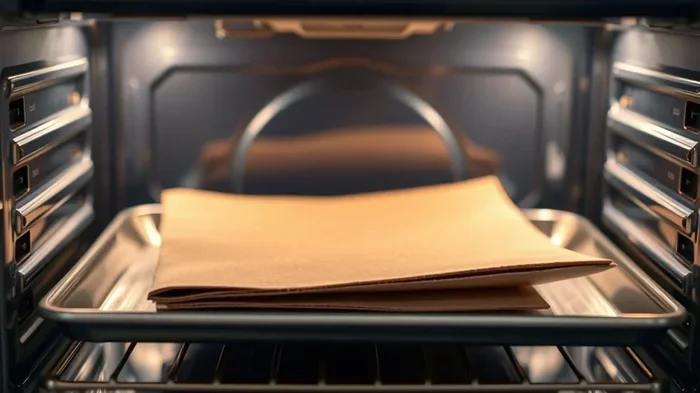
Can Cardboard Go In The Oven Without Catching Fire
Can cardboard go in the oven? The short answer is no. Cardboard can catch fire at relatively low temperatures, posing serious oven fire hazards. Always use oven-safe containers instead to keep your kitchen safe and your meals perfectly cooked.
Can cardboard go in the oven without catching fire? This is one of the most common kitchen questions people ask, especially when they are in a rush to reheat leftovers. You might have tossed a pizza box into the oven without thinking twice. But the truth is, cardboard in oven situations can be incredibly risky. Understanding the dangers and knowing what to do instead can save you from a kitchen disaster.
In this guide, we will cover everything you need to know about cardboard oven safety. We will look at why cardboard burns, what temperatures cause ignition, and what you should use instead. Whether you are reheating pizza, baking leftovers, or just curious about oven fire hazards, this article has you covered. Let us dive in and keep your kitchen safe.
Key Takeaways
- Cardboard ignites at around 400°F to 450°F: Most home ovens reach or exceed this temperature, making it dangerous.
- Pizza boxes are a common culprit: Many people accidentally leave cardboard in the oven while reheating pizza.
- Cardboard can release toxic fumes: Burning cardboard produces harmful chemicals that contaminate your food.
- Always use oven-safe alternatives: Glass, metal, ceramic, and silicone containers are much safer choices.
- Check packaging labels: Some oven-safe cardboard products exist, but they are specifically designed for high heat.
- Prevention is key: Simple habits can prevent oven fires and keep your kitchen safe.
📑 Table of Contents
- Can You Put Cardboard in the Oven?
- Why Cardboard Catches Fire in the Oven
- What Happens When Cardboard Goes in the Oven
- Safe Alternatives to Cardboard in the Oven
- Tips for Using Oven-Safe Containers
- Common Myths About Cardboard and Ovens
- What to Do If Cardboard Catches Fire in the Oven
- Environmental Impact of Cardboard and Oven Use
- Conclusion
Can You Put Cardboard in the Oven?
The simple answer is no. You should not put cardboard in the oven. Cardboard is a paper-based material that can easily catch fire when exposed to high heat. Most ovens operate between 350°F and 500°F, which is well above the cardboard ignition point. Even at lower temperatures, cardboard can still smolder and cause problems.
Some people think that because pizza boxes are made of cardboard, they must be oven-safe. This is a dangerous misconception. The cardboard used in pizza boxes is not designed to withstand oven heat. It can ignite quickly, especially if it touches the heating elements or oven walls. Oven fire prevention starts with understanding which materials are safe to use.
If you are ever unsure whether a container is safe for the oven, it is best to err on the side of caution. Transfer your food to a heat-resistant dish before baking or reheating. A few extra minutes of effort can prevent a costly and dangerous fire.
Why Do People Put Cardboard in the Oven?
There are several reasons people end up with cardboard in the oven. The most common scenario is reheating pizza. Many people leave the pizza on the cardboard sheet that comes in the box. They think it is convenient and saves time. But this habit can lead to a cardboard fire hazard that no one wants to deal with.
Another reason is convenience. Some people use cardboard trays or liners to avoid washing dishes. While this might seem like a clever shortcut, it is not worth the risk. There are plenty of oven-safe alternatives that are just as easy to use and much safer.
Some people also believe that cardboard acts as an insulator and helps cook food more evenly. This is not true. Cardboard does not distribute heat properly. It can block heat flow and create uneven cooking. Using proper oven-safe containers will always give you better results.
Why Cardboard Catches Fire in the Oven
Understanding why cardboard burns in the oven helps you appreciate the risks. Cardboard is made from paper fibers, which are highly flammable. When these fibers are exposed to heat, they begin to break down and can ignite. The process happens faster than most people expect.
The cardboard combustion temperature is surprisingly low. Most types of cardboard start to smolder at around 400°F. Full ignition can occur at temperatures commonly found in home ovens. This means that even a standard baking session can push cardboard past its safe limit.
Several factors influence how quickly cardboard catches fire in the oven:
- Oven temperature: Higher temperatures increase the risk dramatically.
- Contact with heating elements: Direct contact is extremely dangerous.
- Cardboard thickness: Thinner cardboard ignites faster than thicker pieces.
- Presence of grease or oil: Grease on cardboard can lower the ignition point.
- Oven type: Convection ovens circulate hot air more aggressively, increasing fire risk.
The Role of Oven Temperature in Cardboard Ignition
Oven temperature plays a huge role in whether cardboard will catch fire. Most recipes call for oven temperatures between 350°F and 450°F. This range is right at the edge of where cardboard becomes dangerous. Even at 350°F, cardboard can start to discolor, smoke, and eventually ignite.
When you compare this to oven-safe materials like glass, metal, or ceramic, the difference is clear. These materials can handle temperatures well above 500°F without any risk of catching fire. They are designed to withstand the heat and distribute it evenly. Cardboard simply cannot compete.
If you have ever wondered about what temp to cook hamburger steak in oven, you know that oven temperatures often exceed 400°F. At these temperatures, cardboard is an absolute no-go. Always make sure your cooking vessels are rated for the heat you are using.
What Happens When Cardboard Goes in the Oven
When cardboard is placed in a hot oven, several things happen in sequence. First, the cardboard begins to dry out. As the moisture evaporates, the fibers become more brittle. Next, the cardboard starts to discolor, turning brown or yellow. Smoke begins to appear, and the smell of burning paper fills the oven.
If the temperature continues to rise, the cardboard will ignite. This can happen within minutes, depending on the oven temperature and the type of cardboard. A burning cardboard inside the oven can spread flames to other items, causing a serious kitchen fire. The smoke produced is also toxic and can be harmful to your health.
Here is what typically happens step by step:
- The cardboard begins to dry and shrink.
- Smoke starts to appear, often within 5 to 10 minutes.
- The cardboard chars and discolors.
- If heat continues, flames develop.
- Fire can spread to other items in the oven.
- Toxic fumes are released into the kitchen.
Is It Safe to Put Pizza Box in Oven?
This is one of the most frequently asked questions about cardboard and ovens. The answer is no, it is not safe. Pizza boxes are made from cardboard and are not designed to handle oven heat. While some people claim they have put pizza boxes in the oven without problems, this is pure luck. It is not a safe practice.
In fact, is it safe to put pizza box in oven is a question that many fire safety experts warn against. Pizza boxes can ignite at oven temperatures commonly used for reheating. The cardboard can also release chemicals into your food, making it unsafe to eat. Always transfer pizza to a baking sheet, oven-safe dish, or metal pan before reheating.
If you want crispy pizza without the risk, try placing your slices directly on a baking stone or metal tray. You will get better results and a much safer cooking experience. For more tips on oven cooking, check out our guide on how to cook cauliflower steaks in the oven for great oven techniques.
Safe Alternatives to Cardboard in the Oven
The good news is that there are plenty of safe alternatives to cardboard for oven use. These materials are designed to handle high heat and will not catch fire under normal cooking conditions. Let us look at the best options.
Glass Baking Dishes
Glass dishes are one of the most popular oven-safe containers. They are durable, easy to clean, and distribute heat evenly. Pyrex and similar brands make excellent glass baking dishes that can handle temperatures up to 500°F or more. Glass is completely non-reactive, so it will not affect the taste of your food.
One of the best things about glass dishes is that you can see your food cooking through the sides. This makes it easy to monitor browning and cooking progress. Glass is also microwave-safe, so you can use it for multiple cooking tasks.
Metal Baking Sheets and Pans
Metal pans are another excellent choice for oven use. Aluminum and stainless steel are both heat-resistant materials that can handle very high temperatures. Metal baking sheets are perfect for reheating pizza, baking cookies, or roasting vegetables.
Metal heats up quickly and conducts heat efficiently. This means your food will cook more evenly compared to cardboard. Just make sure you do not use metal in a microwave oven, as it can cause sparking. For conventional and convection ovens, metal is a great option.
Ceramic and Porcelain Dishes
Ceramic and porcelain dishes are beautiful and functional. They look great on the table and can go straight from the oven to the dinner table. These materials are oven-safe and can handle high temperatures without cracking or catching fire.
One thing to keep in mind is that ceramic dishes can be heavy. They are not the best choice if you need to move them around frequently. But for stationary baking and roasting, they are a fantastic option. Always check the manufacturer’s label to confirm the dish is oven-safe.
Silicone Baking Mats and Dishes
Silicone is a versatile and heat-resistant material that is becoming increasingly popular in kitchens. Silicone baking mats can handle temperatures up to 480°F, making them perfect for lining baking sheets. Silicone dishes and molds are also oven-safe and flexible, making them easy to store.
Silicone is non-stick, which means your food is less likely to stick and burn. It is also lightweight and easy to clean. If you are looking for a safe and convenient alternative to cardboard, silicone is a great choice.
Oven-Safe Paper Products
Not all paper products are unsafe for the oven. Some specialized paper products are designed to handle high heat. Parchment paper, for example, is coated to withstand temperatures up to 450°F. It is commonly used to line baking sheets and cake pans.
However, regular paper, wax paper, and cardboard are not the same as parchment paper. Always check the label to make sure a paper product is labeled as oven-safe. Using the wrong type of paper can still lead to fires and contamination.
Tips for Using Oven-Safe Containers
Using oven-safe containers properly is just as important as choosing the right ones. Here are some practical tips to keep your cooking safe and efficient.
- Always check the label: Look for oven-safe symbols or temperature ratings on the bottom of containers.
- Preheat the oven first: This ensures even heat distribution and better cooking results.
- Use oven mitts: Always protect your hands when handling hot dishes.
- Avoid overcrowding: Leave space for heat to circulate around your food.
- Clean containers before use: Food residue can burn and create smoke.
- Never leave the oven unattended: Stay in the kitchen while cooking, especially with high heat.
Quick Tips for Oven Safety
Here are some quick kitchen safety tips to keep in mind every time you use your oven:
- Remove all packaging before placing food in the oven.
- Keep a fire extinguisher nearby in case of emergencies.
- Never throw water on an oven fire.
- Use a timer to remind yourself when food is cooking.
- Regularly clean your oven to prevent grease buildup.
For more oven cooking tips, you might find our article on what temp to cook hamburger steak in oven helpful for understanding safe cooking temperatures.
Common Myths About Cardboard and Ovens
There are many myths surrounding cardboard and oven use. Let us debunk the most common ones so you can cook with confidence.
Myth: Cardboard Insulates Food and Cooks It Better
Some people believe that cardboard acts as an insulator and helps cook food more evenly. This is false. Cardboard actually blocks heat and prevents proper cooking. It can create cold spots and uneven results. Using a proper oven-safe dish will always give you better cooking performance.
Myth: Cardboard Won’t Burn If the Oven Is Below 400°F
While it is true that cardboard is less likely to ignite at lower temperatures, it can still smolder and produce smoke. Even at 350°F, cardboard can discolor and release unpleasant odors. The risk is not worth taking, especially when safe alternatives are readily available.
Myth: Cardboard Is Fine for Short Periods in the Oven
Some people think that a short time in the oven will not cause any harm. But cardboard can ignite quickly, sometimes in less than five minutes. The time factor does not make it safe. Always use proper containers, no matter how short your cooking time is.
Myth: All Cardboard Is the Same
Not all cardboard is created equal. Some specialty cardboard products are treated with fire-resistant coatings and are designed for high-heat applications. However, the cardboard you find in pizza boxes, shipping boxes, and food packaging is not this type. Do not assume that any cardboard is safe for oven use unless it is specifically labeled as oven-safe.
For those interested in building or modifying ovens for specific cooking purposes, our article on how to make a tandoori oven offers some interesting insights into oven construction and heat management.
What to Do If Cardboard Catches Fire in the Oven
Even with the best precautions, accidents can happen. If you notice cardboard catching fire in your oven, stay calm and act quickly. Here is what you should do:
- Turn off the oven: Cut the heat source immediately.
- Do not open the oven door: Opening the door can feed oxygen to the flames and make the fire worse.
- Let the oven cool: Wait for the oven to cool down before attempting to remove anything.
- Use a fire extinguisher if needed: If the fire does not go out, use a Class B or Class K fire extinguisher.
- Call for help if necessary: If the fire spreads, evacuate and call emergency services.
Never try to put out an oven fire with water. Water can cause the fire to spread and can create a steam explosion. Always use a proper fire extinguisher or baking soda for small grease fires. Keeping a fire extinguisher in your kitchen is one of the best kitchen fire prevention steps you can take.
Environmental Impact of Cardboard and Oven Use
Beyond the safety concerns, there is also an environmental angle to consider. Cardboard is recyclable and biodegradable, which makes it a great packaging material. But burning cardboard in the oven releases harmful chemicals into the air. These pollutants are bad for both your health and the environment.
When cardboard burns in an oven, it produces carbon monoxide, particulate matter, and other toxic compounds. These fumes can linger in your kitchen and contaminate your food. Proper disposal of cardboard through recycling is always the better choice. If you are looking for ways to reduce waste, consider using reusable oven-safe containers instead of disposable cardboard.
For more information on safe oven practices, our guide on how to cook stuffed rouladen in the oven provides excellent tips on using proper cooking vessels and techniques.
Conclusion
So, can cardboard go in the oven? The answer is a clear and firm no. Cardboard is not oven-safe and poses serious fire risks at common oven temperatures. The dangers of cardboard in oven scenarios are real and can lead to fires, toxic fumes, and ruined food.
The good news is that there are plenty of safe and effective alternatives. Glass, metal, ceramic, and silicone containers are all designed to handle oven heat safely. By making a simple habit of transferring food out of cardboard packaging before cooking, you protect your kitchen, your food, and your family.
Remember these key points: never put cardboard in the oven, always check that your containers are oven-safe, and keep your kitchen equipped with proper fire safety tools. With these practices in place, you can cook confidently and enjoy your meals without worry. Stay safe, cook smart, and make your kitchen a better place for everyone.
Frequently Asked Questions
Can you put cardboard in the oven at 200°F?
Even at 200°F, cardboard is not safe to put in the oven. While the risk of immediate ignition is lower at this temperature, cardboard can still smolder, release smoke, and produce toxic fumes. Always use an oven-safe container instead of cardboard, regardless of the temperature setting.
What happens if you accidentally leave cardboard in the oven?
If you accidentally leave cardboard in the oven, turn off the heat immediately and do not open the oven door. Let the oven cool down completely before removing the cardboard. Check for any signs of fire or smoke. If flames develop, use a fire extinguisher and call emergency services if needed.
Are there any types of cardboard that are oven-safe?
Some specialty cardboard products are treated with fire-resistant coatings and are labeled as oven-safe. However, standard cardboard from pizza boxes, shipping boxes, and food packaging is not oven-safe. Always read the label and confirm that the product is specifically designed for oven use before putting any cardboard in the oven.
Can you reheat pizza on cardboard in the oven?
No, you should never reheat pizza on cardboard in the oven. The cardboard can catch fire at oven temperatures. Instead, place your pizza slices on a baking sheet, metal pan, or oven-safe dish. You will get better results and a much safer cooking experience.
What is the ignition temperature of cardboard?
The ignition temperature of cardboard is approximately 400°F to 450°F. Most home ovens operate at or above this range, which is why cardboard is considered a fire hazard in the oven. Always use materials rated for high heat to avoid dangerous situations.
Is it safe to put a pizza box in the oven to keep pizza warm?
No, it is not safe. Pizza boxes are made of cardboard and can ignite at oven temperatures. Even low heat settings can cause the box to smoke and potentially catch fire. Use an oven-safe dish or a warm setting on your stove to keep pizza warm instead.