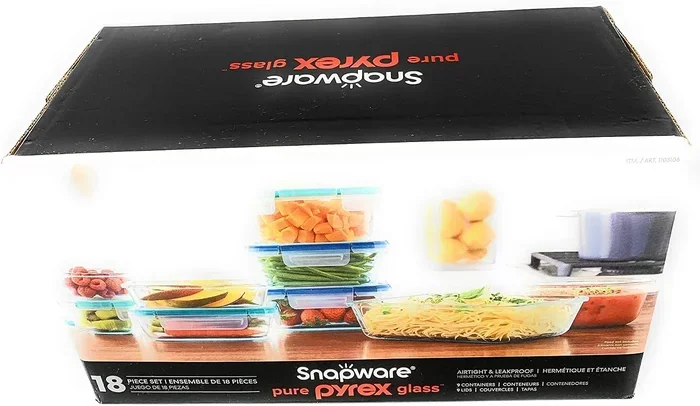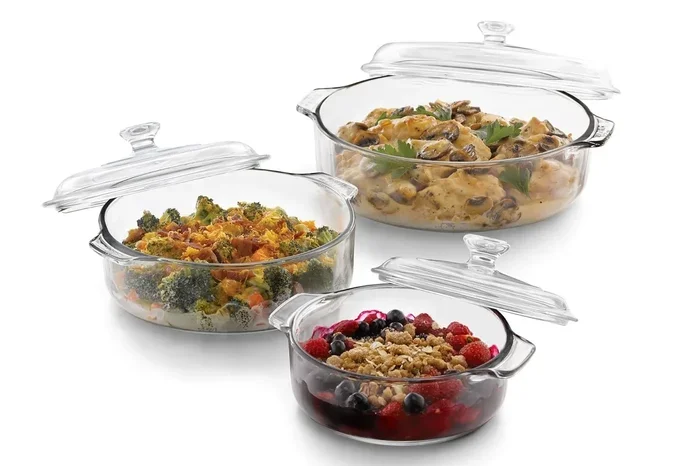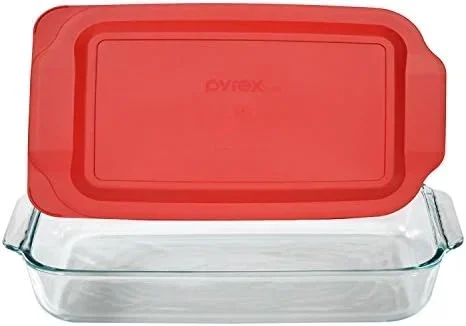
Can Pyrex Plastic Lids Go In The Oven Without Melting
Pyrex plastic lids should never go in the oven because they are not designed to withstand high heat and will melt at relatively low temperatures. Most Pyrex plastic lids are rated for temperatures up to only 212°F, while ovens typically run between 300°F and 500°F. Always use a glass lid, aluminum foil, or a proper oven-safe cover instead to protect your food and avoid dangerous chemical release.
This is a comprehensive guide about Can Pyrex Plastic Lids Go In The Oven.
Key Takeaways
- Pyrex plastic lids are not oven safe: They will melt and warp at standard oven temperatures, ruining both the lid and your meal.
- Melting point is very low: Most plastic lids begin to soften around 212°F, far below typical baking temperatures.
- Health risks exist: Melted plastic can release harmful chemicals into your food, making it unsafe to eat.
- Use oven-safe alternatives: Glass lids, aluminum foil, or silicone covers are much better options for oven use.
- Check the label every time: Always look for “oven safe” or “heat resistant” markings before placing any lid in the oven.
- Pyrex glass lids are different: Only the borosilicate glass Pyrex lids are designed for oven use, not the plastic ones.
- Follow manufacturer guidelines: Pyrex clearly states that plastic lids are for food storage only, not for cooking or baking.
[FEATURED_IMAGE_PLACEHOLDER]
Can Pyrex plastic lids go in the oven? This is one of the most common questions home cooks ask, especially when they are mid-recipe and looking for a quick cover for their baking dish. The short answer is no. Pyrex plastic lids should never be placed in the oven, and doing so can lead to melting, warping, and even health hazards. In this article, we will explore exactly why plastic lids fail in high heat, what happens when they do, and what safe alternatives you can use instead. Whether you are baking a casserole, roasting vegetables, or preparing a simple weeknight dinner, understanding oven-safe kitchenware is essential for both cooking success and food safety.
Many people assume that because Pyrex is known for its durable glass bakeware, the plastic lids that come with the containers must also handle heat. This is a dangerous misconception. Pyrex plastic lids are designed only for food storage, not for cooking. They are made from materials that cannot tolerate the high temperatures found inside a standard oven. Using them in the oven can ruin your meal, damage your appliance, and even release harmful substances into your food. Let us dive deep into the science, the risks, and the solutions so you always know what to do when you need to cover something in the oven.
What Are Pyrex Plastic Lids Made Of?
Pyrex plastic lids are typically made from polyethylene or polypropylene, two common types of food-safe plastic. These materials are excellent for storing leftovers in the refrigerator or carrying lunch to work. However, they are not built to handle heat. The melting point of most kitchen plastics falls between 212°F and 266°F, which is far below the minimum temperature most ovens operate at.
The Science Behind Plastic and Heat
When plastic is exposed to heat, its molecular structure begins to break down. This process starts with softening, then progresses to warping, and finally melting. At high temperatures, the plastic can also release volatile organic compounds. These chemicals can leach into your food, posing serious health risks. This is why food storage containers are not the same as cooking vessels, even if they come from the same brand.
Pyrex glass bakeware, on the other hand, is made from borosilicate glass. This material is specifically engineered to handle thermal shock and high oven temperatures. The difference between glass and plastic lids from the same brand is enormous. Always remember that Pyrex cookware components vary significantly in their heat tolerance, and you should never assume all parts are interchangeable when it comes to oven use.
Why Pyrex Plastic Lids Should Never Go In The Oven
The most important thing to understand is that Pyrex plastic lids are not oven safe. They are not designed, tested, or rated for use in any heating appliance. Here is a detailed look at exactly what happens when you make this mistake.
Melting and Warping
When a plastic lid is exposed to oven heat, it will begin to soften within minutes. At around 212°F, most plastic lids start to lose their shape. By 350°F, which is a common baking temperature, the lid will be visibly warped and deformed. At higher temperatures, the plastic will fully melt, potentially sticking to your baking dish and creating a mess that is very difficult to clean. Melted plastic on glass bakeware is a frustrating problem that can also ruin the dish.
If you have ever left a plastic lid on a hot pan or near a stove, you have seen how quickly it can buckle and twist. The oven amplifies this effect dramatically. The heat surrounds the lid on all sides, causing it to deform evenly and completely. There is no way to salvage a melted plastic lid, and your food may also be contaminated.
Health and Safety Risks
Beyond the obvious mess, there are real health concerns when plastic melts in the oven. When plastic reaches high temperatures, it can release toxic fumes and chemicals. Bisphenol A (BPA) and other endocrine disruptors have been found in certain types of food-grade plastics. While Pyrex plastic lids are typically BPA-free, the breakdown products of heated plastic are still not safe for consumption. Kitchen safety should always come first, and using the wrong lid in the oven is a risk not worth taking.
These chemicals can seep into your food, especially if the plastic has fully melted and come into direct contact with your meal. Even if the plastic has not touched the food, the fumes can still affect the taste and safety of what you are cooking. This is especially concerning when baking recipes that require long cook times at high temperatures.
What Temperature Do Pyrex Plastic Lids Withstand?
Pyrex plastic lids are generally rated for temperatures up to 212°F. This is the boiling point of water and the maximum temperature they can safely handle. This makes them perfectly suitable for storing hot food in the refrigerator or for use in the microwave on short defrost cycles. However, this temperature rating is nowhere near what an oven requires.
Comparing Plastic vs Glass Lids
Here is a quick comparison of Pyrex plastic lids versus Pyrex glass lids:
- Pyrex Plastic Lids: Rated for up to 212°F. Designed for food storage only. Not oven safe, not broiler safe, and not safe for stovetop use.
- Pyrex Glass Lids: Rated for up to 400°F or higher. Made from tempered borosilicate glass. Safe for oven use, microwave use, and dishwasher use.
- Silicone Lids: Rated for up to 450°F. Flexible, reusable, and oven safe. A great alternative to both plastic and glass.
- Aluminum Foil: No temperature limit for typical oven use. Excellent for covering dishes during baking.
As you can see, the gap between plastic and glass lids is enormous. Oven temperature is the deciding factor. If you are cooking above 212°F, a plastic lid simply cannot be used. This is a critical distinction that many home cooks overlook, especially when they are in a rush or not paying close attention to the containers they are using.
Safe Alternatives to Pyrex Plastic Lids for Oven Use
So what should you use instead? Fortunately, there are plenty of safe and effective alternatives that will protect your food without the risk of melting or chemical release. Here are the best options for covering dishes in the oven.
Use a Glass Lid
The best alternative is a Pyrex glass lid or any other oven-safe glass lid. Glass lids allow you to monitor your food while it cooks without removing the cover. They trap moisture and heat effectively, which is perfect for baking casseroles, roasting meats, and preparing stuffed rouladen or other dishes that benefit from a covered cook. If you are looking for great oven-baked recipes, check out our guide on how to cook stuffed rouladen in the oven for a delicious covered-dish recipe.
Glass lids are also dishwasher safe and reusable for years. They are a worthwhile investment for any kitchen. When you need to cover a baking dish, reach for the glass lid first. It is the safest and most effective option for oven cooking.
Use Aluminum Foil
Aluminum foil is an excellent and affordable oven cover. It reflects heat evenly and can be shaped to fit any dish. Many professional bakers and home cooks use foil to cover dishes during the first part of cooking, then remove it to allow browning in the final minutes. Foil is also safe to use at all standard oven temperatures, making it a versatile and reliable choice.
One tip: use heavy-duty foil for best results. Regular foil can tear easily, especially when handling hot dishes. Always use oven mitts when removing foil covers, as they can trap steam and cause burns.
Use Silicone Covers
Silicone lids are a modern and flexible alternative. They are rated for temperatures up to 450°F, making them safe for most oven applications. Silicone is also dishwasher safe, microwave safe, and very durable. These lids come in various sizes and can stretch to fit different dishes. They are a great addition to any kitchen and a smart replacement for plastic lids when oven use is needed.
Use a Baking Sheet as a Lid
In a pinch, a baking sheet or cookie sheet can serve as a makeshift lid. Simply place it over your baking dish and secure it with oven mitts or heat-resistant gloves. This works well for dishes that do not require a tight seal but still benefit from some coverage during baking. It is a simple and effective solution that every home cook should know about.
Common Mistakes People Make With Pyrex Lids
Even experienced cooks can make mistakes when it comes to lid usage. Here are some of the most common errors and how to avoid them.
Assuming All Pyrex Products Are Oven Safe
This is perhaps the biggest mistake. Pyrex is a trusted brand, and people naturally assume everything they make is safe for high heat. The truth is that Pyrex manufactures many different products, including plastic storage containers, glass bakeware, and measuring cups. Only the glass bakeware and specific glass lids are rated for oven use. Always check the product label or the manufacturer’s website for heat resistance information before using any Pyrex item in the oven.
Using a Lid That Looks Intact
A plastic lid might look perfectly fine on the outside but could have microscopic cracks or warping from previous heat exposure. Even if the lid has never been in the oven before, using it near a heat source is risky. Do not take chances with plastic near your oven. Replace old or damaged lids with proper oven-safe covers.
Forgetting to Remove Lids Before Broiling
Even if you are using a glass lid, you must be careful when broiling. The direct, intense heat from the broiler can cause glass lids to shatter if they are too close to the heating element. Always leave the oven door slightly ajar when broiling, and never place any lid directly under the broiler element.
Expert Tips for Using Pyrex Glass Lids in the Oven
If you have made the switch to glass lids, here are some expert tips to get the most out of them.
- Preheat your oven first: Always place the dish with the glass lid into a preheated oven. Sudden temperature changes can cause thermal shock, which may crack the glass.
- Do not use a glass lid on a stovetop: Pyrex glass lids are designed for oven use, not direct stovetop cooking. The uneven heat distribution on a burner can cause the glass to break.
- Allow lids to cool before washing: Do not plunge a hot glass lid into cold water. The rapid temperature change can cause it to crack or shatter. Let it cool to room temperature first.
- Store lids properly: Stack glass lids with a cloth or paper towel between them to prevent scratching. Scratches can weaken the glass over time and create weak points that may break during cooking.
- Check for cracks regularly: Inspect your glass lids before each use. Even a small crack can cause the lid to fail during cooking, which can be dangerous when the lid is hot and covered in food.
These simple habits will extend the life of your Pyrex glass lids and keep you safe while cooking. Kitchen safety is all about small, consistent practices that become second nature over time.
What the Pyrex Manufacturer Says
Pyrex is very clear about the intended use of their plastic lids. According to the manufacturer, Pyrex plastic lids are for food storage only. They are not designed, tested, or approved for use in ovens, microwaves (with some exceptions for short defrost cycles), or on stovetops. The company explicitly states that plastic lids should be kept away from all heat sources.
For their glass bakeware and glass lids, Pyrex provides clear temperature guidelines. Most Pyrex glass products are safe for use up to 400°F to 450°F, depending on the specific item. Always refer to the product packaging or the Pyrex website for the most current and accurate information. Ignoring manufacturer guidelines is one of the fastest ways to damage your kitchenware and compromise your food preparation safety.
If you are ever unsure about whether a particular Pyrex product is oven safe, the safest approach is to assume it is not. Contact Pyrex customer service directly, or check the product manual online. It is always better to be cautious than to risk melting plastic or breaking glass in your oven.
How to Know If a Lid Is Oven Safe
Not all lids are created equal, and knowing how to identify an oven-safe lid is a valuable kitchen skill. Here is what to look for.
- Check the label: Look for words like “oven safe,” “heat resistant,” or “oven proof” on the packaging or the lid itself.
- Check the temperature rating: Oven-safe lids will have a maximum temperature rating printed on them or listed in the product details.
- Check the material: Glass, silicone, and metal are generally oven safe. Plastic is almost never oven safe unless specifically labeled otherwise.
- Look for certification marks: Many oven-safe products carry marks from organizations like the FDA or NSF, indicating they have been tested for high-heat use.
- When in doubt, don’t use it: If you cannot find clear information about a lid’s oven safety, do not use it in the oven. The risk is not worth the convenience.
Following these simple steps will help you avoid accidents and ensure that your cooking goes smoothly every time. Oven safety starts with knowing what you are putting inside your oven, and lids are no exception.
What Happens If You Accidentally Put a Plastic Lid in the Oven?
If you have already made the mistake of putting a plastic lid in the oven, do not panic. Here is what to do.
First, turn off the oven and do not open the door immediately. Allow the oven to cool down slowly. Opening the door right away can cause the melted plastic to splatter or release fumes into your kitchen. Once the oven has cooled, carefully remove the lid and the dish using oven mitts. Inspect both for damage. If the plastic has melted onto the glass bakeware, do not try to scrape it off while it is still hot. Let it cool completely, then gently remove the residue.
Discard the melted plastic lid. It is not safe for further use, even for food storage. Melted plastic can harbor bacteria and may have released chemicals into the material. For your food, if it has been in direct contact with melted plastic, it is best to throw it away. Do not risk your health by trying to salvage food that has been contaminated by melted plastic. Food safety always comes first.
Finally, ventilate your kitchen. Open windows and turn on the exhaust fan to clear any fumes that may have been released during the melting process. If the smell persists, it may take several hours for it to fully dissipate.
Final Thoughts
The answer to whether Pyrex plastic lids can go in the oven is a definitive no. Pyrex plastic lids are not oven safe and will melt, warp, and potentially release harmful chemicals when exposed to high heat. Always use oven-safe alternatives like glass lids, aluminum foil, or silicone covers to protect your food and your health.
Understanding the difference between plastic and glass Pyrex products is essential for any home cook. Pyrex glass lids are a fantastic investment that will serve you well for years of safe and effective oven cooking. Take a moment to check your kitchen supplies today and make sure you are using the right lids for the right purposes. Your meals will taste better, your oven will stay clean, and your family will stay safe.
Remember, cooking should be enjoyable and stress-free. Knowing the rules of kitchen safety and proper cookware use makes the entire experience better. Share this information with friends and family who might be making the same mistake, and help keep everyone’s kitchen safe and efficient.
Frequently Asked Questions
Can you put a Pyrex plastic lid in the microwave?
Some Pyrex plastic lids are microwave safe for short defrost cycles, but you should always check the label first. Do not use plastic lids for cooking or reheating at high power in the microwave. The heat can cause the plastic to warp or release chemicals into your food. When in doubt, transfer your food to a microwave-safe glass container instead.
What temperature do Pyrex glass lids withstand?
Most Pyrex glass lids are safe for use up to 400°F to 450°F. Always check the specific product’s temperature rating on the packaging or the manufacturer’s website. Never exceed the maximum temperature rating, and avoid placing glass lids under direct broiler heat to prevent thermal shock and breakage.
Are silicone lids better than plastic lids for oven use?
Yes, silicone lids are a much better choice for oven use. They are typically rated for temperatures up to 450°F, are flexible, reusable, and do not release harmful chemicals when heated. Silicone lids are also dishwasher safe and come in a variety of sizes to fit different dishes, making them a versatile kitchen tool.
Can I use aluminum foil as an oven lid?
Absolutely. Aluminum foil is a safe and effective alternative to oven lids. It reflects heat evenly, can be shaped to fit any dish, and is safe at all standard oven temperatures. Use heavy-duty foil for durability, and always use oven mitts when removing it to avoid steam burns.
Why did my Pyrex lid crack in the oven?
Glass lids can crack due to thermal shock, which happens when there is a sudden temperature change. This can occur if you place a cold lid into a hot oven or if you put a hot glass lid on a cold or wet surface. Always allow Pyrex glass lids to reach room temperature before placing them in a preheated oven, and let them cool before washing.
Where can I buy oven-safe Pyrex glass lids?
Pyrex glass lids are available at most major retailers, kitchen supply stores, and online marketplaces. Look for products that are specifically labeled as “oven safe” and check the temperature rating before purchasing. You can also find compatible glass lids from other reputable brands that work with standard Pyrex baking dishes.
=== CONCLUSION ===
Pyrex plastic lids should never go in the oven. They are designed for food storage only and cannot handle the high temperatures required for baking and roasting. Using them in the oven leads to melting, warping, and potential health risks from chemical exposure. Always choose oven-safe alternatives like Pyrex glass lids, aluminum foil, or silicone covers for your cooking and baking needs.
By understanding the difference between plastic and glass Pyrex products, you protect your food, your health, and your kitchen equipment. Share this knowledge with others and make safe, informed choices every time you cook. Your kitchen will be safer, your meals will turn out better, and you will have peace of mind knowing you are using the right tools for the job.