How Long To Roast Turkey In Convection Oven Step By Step
Roasting a turkey in a convection oven is faster and more even than a traditional oven. A whole turkey typically takes about 2.5 to 3.5 hours at 325°F, depending on its weight. This guide walks you through every step so you get a perfectly cooked, juicy bird every single time.
Roasting a turkey can feel intimidating. There is a lot of pressure to get it right, especially during holidays or special gatherings. But here is the good news. A convection oven makes the process easier, faster, and more forgiving than you might think.
When you learn how long to roast turkey in convection oven, you unlock a reliable method that delivers consistent results every time. The circulating hot air cooks the bird more evenly, reduces drying out, and cuts total cooking time. Whether you are a first-time cook or a seasoned home chef, this step-by-step guide will walk you through the entire process from start to finish.
In this article, we cover everything you need to know. We will talk about turkey size, oven temperature, roasting times, preparation tips, and common mistakes to avoid. By the end, you will feel confident enough to roast a show-stopping turkey that everyone will rave about.
Key Takeaways
- Convection ovens cook turkey faster: The fan circulates hot air, reducing roasting time by about 25% compared to conventional ovens.
- Plan for roughly 12 to 15 minutes per pound: This is the general rule for convection roasting at 325°F.
- Always use a meat thermometer: The internal temperature should reach 165°F in the thickest part of the thigh.
- Let the turkey rest for 20 to 30 minutes: This allows juices to redistribute for a moist, flavorful result.
- Brining or dry-brining adds moisture: Either method significantly improves texture and taste.
- Avoid stuffing the cavity for faster cooking: Stuffing increases roasting time and can lead to uneven doneness.
- Crispy skin comes from dry air and high heat at the start: A brief high-heat blast helps crisp up the exterior.
📑 Table of Contents
- Understanding Your Convection Oven and Turkey Basics
- How Long To Roast Turkey In Convection Oven: The Complete Time Chart
- Step-by-Step: How to Roast Turkey in a Convection Oven
- Tips for Getting Juicy Meat and Crispy Skin
- Common Mistakes to Avoid When Roasting Turkey
- Convection Oven vs. Conventional Oven: Which Is Better for Turkey?
- Conclusion
Understanding Your Convection Oven and Turkey Basics
What Makes a Convection Oven Different
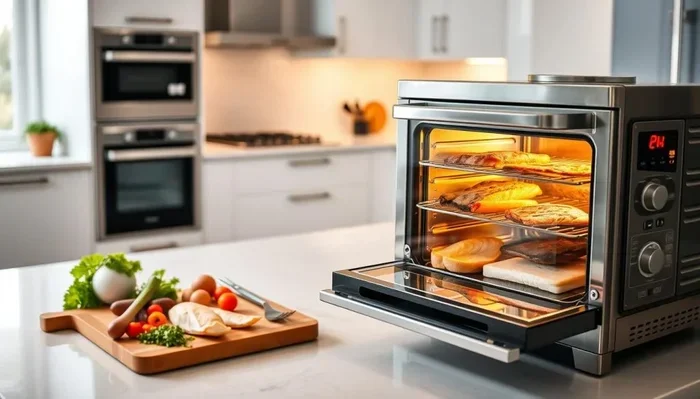
A convection oven has a fan and exhaust system that moves hot air around the food. This is a big deal when it comes to roasting. Traditional ovens rely on still, radiant heat. That means hot spots and cold spots can form. A convection oven eliminates most of those issues.
The moving air surrounds the turkey on all sides. This means the surface of the bird browns faster and more evenly. It also means the interior cooks more consistently. For turkey, this is a game changer. You get crispy skin and juicy meat without having to rotate the pan multiple times.
One important thing to remember. Convection cooking is faster. Most recipes recommend lowering the temperature by about 25°F when using a convection setting. So if a traditional recipe calls for 350°F, you would set your convection oven to 325°F. This small adjustment makes a big difference in the final result.
Choosing the Right Turkey Size
Not all turkeys are created equal. The size of your bird directly affects how long to roast turkey in convection oven. A smaller turkey cooks faster, while a larger one takes more time. Here is a simple breakdown to help you plan.
- 8 to 10 pounds: About 2.5 to 3 hours
- 12 to 14 pounds: About 3 to 3.5 hours
- 15 to 18 pounds: About 3.5 to 4 hours
- 18 to 20 pounds: About 4 to 4.5 hours
- 20 to 24 pounds: About 4.5 to 5 hours
These times are based on a convection oven set to 325°F. Always use a meat thermometer to confirm doneness. The internal temperature in the thickest part of the thigh should read 165°F. The breast should also reach at least 165°F.
When shopping for a turkey, think about how many guests you are serving. A good rule of thumb is about 1 to 1.5 pounds per person. This accounts for bone weight and leftovers. If you are feeding a crowd, go with a larger bird. If it is just a small family dinner, a smaller turkey works perfectly.
How Long To Roast Turkey In Convection Oven: The Complete Time Chart
Roasting Time Based on Turkey Weight
The most common question people ask is, “How long does a turkey take in a convection oven?” The answer depends on weight, but here is a detailed chart to guide you. These times assume a 325°F convection setting and a fully thawed bird.
For an 8-pound turkey, expect about 2.5 hours. A 12-pound bird takes roughly 3 hours. A 16-pound turkey needs about 3.5 hours. And a 20-pound turkey can take 4 to 4.5 hours. These are approximate times, so always rely on your meat thermometer more than the clock.
If your turkey is frozen, you need to factor in extra thawing time. A good rule is to allow 24 hours of refrigerator thawing for every 4 to 5 pounds. Never roast a frozen turkey directly in the oven. It will cook unevenly and can become a food safety risk.
Temperature Settings for Convection Roasting
Most turkey experts agree that 325°F is the sweet spot for convection roasting. This temperature cooks the bird thoroughly without drying it out. Some cooks start at a higher temperature, like 400°F, for the first 20 to 30 minutes. This helps crisp up the skin early on. Then they lower it to 325°F for the remainder of the cook.
Here is a quick look at the different temperature approaches.
- 325°F steady: Most reliable and even cooking throughout
- 400°F for 20 minutes, then 325°F: Great for crispy skin and faster browning
- 350°F steady: A middle-ground option that works well for smaller birds
Avoid going above 350°F for extended periods. Higher temperatures can cause the outside to burn before the inside reaches a safe temperature. Stick with 325°F for the best balance of crispy skin and juicy meat.
Step-by-Step: How to Roast Turkey in a Convection Oven
Step 1: Prep and Brine the Turkey
Start by removing the turkey from the refrigerator 1 to 2 hours before cooking. Let it come closer to room temperature. This helps it cook more evenly. While you wait, prepare your brine or dry rub.
Brining is one of the best things you can do for flavor and moisture. A wet brine uses salt, sugar, water, and aromatics like garlic, onion, and herbs. Submerge the turkey in the brine for 12 to 24 hours. If you do not have time for a wet brine, try a dry brine. Simply rub the turkey with salt and let it sit uncovered in the fridge overnight. The salt draws out moisture and then reabsorbs it, seasoning the meat deeply.
After brining, pat the turkey completely dry with paper towels. Remove the giblets and neck from the cavity. Rinse the bird inside and out, then dry it again thoroughly. Dry skin crisps up much better than wet skin.
Step 2: Season and Prepare the Turkey
Now it is time to season. Mix softened butter with herbs like rosemary, thyme, and sage. Gently loosen the skin over the breast and rub the butter mixture directly onto the meat. This creates an incredibly flavorful and juicy result. Rub any remaining seasoning over the outside of the bird.
Some people like to stuff the cavity with citrus halves, onion wedges, and fresh herbs. This adds a subtle aroma to the meat as it cooks. However, avoid packing the cavity tightly. You want air to circulate inside the bird for even cooking.
Do not tie the legs together too tightly. Leave a little room for hot air to flow around the thighs. Some cooks also tuck the wing tips under the body. This prevents them from burning during the long roast.
Step 3: Load the Turkey into the Convection Oven
Place the turkey breast-side up on a roasting rack inside a large roasting pan. The rack lifts the bird off the bottom of the pan. This allows hot air to circulate underneath, which is especially important in a convection oven. It promotes even browning on all sides.
Add about 2 cups of liquid to the bottom of the pan. You can use water, chicken broth, or a mix of both. This prevents drippings from burning and creates steam that keeps the oven environment moist. Some people also add aromatics like onion quarters and celery stalks to the pan liquid.
Put the turkey in the oven on the middle rack. Make sure there is enough space around the bird for air to flow freely. Do not crowd the oven with other dishes. Convection ovens work best when air can move unobstructed.
Step 4: Monitor the Turkey During Roasting
Set a timer for the estimated cooking time based on your turkey’s weight. Resist the urge to open the oven door too often. Every time you open the door, heat escapes and cooking time increases. Plan to check the turkey only once or twice during the roast.
About halfway through the cooking time, you can rotate the pan 180 degrees. This ensures even browning, especially if your oven has a slight hot spot. However, many convection ovens distribute heat so well that this step is optional.
Basting the turkey every 45 minutes to 1 hour helps keep the surface moist. Use a bulb baster or spoon to scoop pan juices and drizzle them over the bird. While basting adds flavor, it is not strictly necessary for a moist turkey. The brine or dry-brine method does most of the heavy lifting.
Step 5: Check Internal Temperature
This is the most critical step. A reliable instant-read meat thermometer is your best friend. Insert it into the thickest part of the thigh, making sure it does not touch the bone. The temperature should read 165°F for a fully cooked turkey.
Also check the thickest part of the breast. It should read at least 165°F as well. If the thigh is done but the breast is still a few degrees low, tent the breast loosely with aluminum foil and continue cooking. This prevents the breast from drying out while the rest of the bird finishes.
Remove the turkey from the oven when it is 5 to 10 degrees below your target temperature. The carryover cooking will raise the temperature several more degrees as the bird rests. This is a pro tip that prevents overcooking.
Step 6: Let the Turkey Rest Before Carving
Once the turkey comes out of the oven, tent it loosely with foil and let it rest for 20 to 30 minutes. This step is non-negotiable. During resting, the juices inside the meat redistribute and settle. If you carve too early, those juices run out onto the cutting board instead of staying in the meat.
While the turkey rests, you can use the pan drippings to make a quick gravy. Simply pour off excess fat, add a little broth or wine to the pan, and scrape up the browned bits. Simmer for a few minutes, strain, and you have a delicious homemade gravy.
After resting, carve the turkey by first removing the legs, then the wings, and finally slicing the breast against the grain. Serve immediately and enjoy the fruits of your labor.
Tips for Getting Juicy Meat and Crispy Skin
Brining for Maximum Moisture
If you want the juiciest turkey possible, brining is the way to go. A wet brine infuses the meat with moisture and seasoning deep into the muscle fibers. Even a short brine of just 4 to 6 hours makes a noticeable difference compared to no brine at all.
For a basic wet brine, dissolve 1 cup of kosher salt and 1/2 cup of brown sugar in 2 gallons of water. Add bay leaves, peppercorns, garlic cloves, and any herbs you like. Submerge the turkey and refrigerate for 12 to 24 hours. Rinse and dry thoroughly before roasting.
Dry brining is even simpler. Just salt the turkey generously and let it sit uncovered in the fridge overnight. The salt pulls moisture out, dissolves, and then gets reabsorbed into the meat. The result is seasoned, juicy turkey with a naturally dry surface that crisps beautifully in the convection oven.
Getting Perfectly Crispy Skin
Crispy skin is one of the best parts of a roasted turkey. To achieve it, start with a completely dry bird. Pat it down thoroughly with paper towels after brining and before seasoning.
Applying a thin layer of oil or melted butter to the skin helps it crisp up. You can also sprinkle a light dusting of salt on the skin before roasting. The salt draws out residual moisture and promotes even browning.
In the first 20 to 30 minutes, consider roasting at a slightly higher temperature like 400°F. This kickstarts the browning process. Then reduce to 325°F for the rest of the cook. The combination of a hot start and steady heat creates that golden, crackly skin everyone loves.
Another tip is to make sure the turkey is not covered or tented too tightly during roasting. You want the hot air to reach the skin directly. Only tent with foil if the skin is browning too quickly before the interior is done.
Common Mistakes to Avoid When Roasting Turkey
Overcooking the Turkey
Overcooking is the number one enemy of a great turkey. It leads to dry, tough meat that nobody enjoys. The easiest way to avoid this is to use a meat thermometer and pull the turkey out when it is 5 to 10 degrees below 165°F. Carryover cooking will bring it up to the safe temperature during resting.
Another mistake is relying solely on the recipe time without checking the actual temperature. Every oven is different. Even convection ovens can vary. Your thermometer is the only reliable way to know the turkey is done.
Also, avoid cooking the turkey too early in the day. A freshly rested turkey is far superior to one that has been sitting for hours. Plan to roast it so it is ready within 30 minutes of serving time.
Skipping the Rest Period
We mentioned resting earlier, but it is worth repeating. Cutting into a turkey immediately after it comes out of the oven is a huge mistake. The juices will flood the cutting board, and the meat will be drier than it should be.
Give it at least 20 minutes. For a large turkey, 30 minutes is even better. Use this time to prepare your sides, set the table, or make gravy. The turkey will still be hot when you carve it, and the meat will be noticeably more succulent.
Using the Wrong Pan or Rack Setup
Do not roast your turkey directly in the bottom of the pan. Without a rack, the bottom of the bird sits in its own juices and steams instead of roasting. This leads to soggy, pale skin. A simple wire roasting rack solves this problem completely.
Also, avoid using a pan that is too small. The turkey needs room for air to circulate. If the pan is crowded, the convection fan cannot do its job properly. Choose a pan that is at least 2 to 3 inches wider than the turkey on all sides.
Convection Oven vs. Conventional Oven: Which Is Better for Turkey?
Many home cooks wonder whether a convection oven is really worth using for turkey. The short answer is yes. Convection ovens cook turkey faster and more evenly than conventional ovens. The fan-driven hot air reduces cooking time by about 25% and promotes superior browning.
That said, there are a few things to keep in mind. Convection can dry out thinner cuts or small pieces of food more quickly. But for a whole turkey, the even heat distribution is a major advantage. The bird stays moist inside while the skin gets perfectly crispy outside.
If you are used to cooking turkey in a conventional oven, you will need to adjust your timing and temperature. Lower the heat by 25°F and reduce the cooking time by about 25%. Keep a close eye on the turkey during the first few times you switch to convection. Once you get the hang of it, you will never go back.
Conclusion
Learning how long to roast turkey in convection oven does not have to be complicated. With the right temperature, timing, and a little preparation, you can roast a turkey that is juicy, flavorful, and beautifully golden. Remember the key numbers: 325°F, about 12 to 15 minutes per pound, and an internal temperature of 165°F in the thickest part of the thigh.
Brine or dry-brine your turkey for the best results. Let it rest after cooking. And always trust your meat thermometer over the clock. These simple habits make all the difference between a good turkey and a great one.
Now that you have this step-by-step guide, you are ready to take on any turkey roast with confidence. Whether it is Thanksgiving, Christmas, or just a Sunday family dinner, your convection oven will deliver outstanding results. Enjoy the process, savor the aroma filling your kitchen, and take pride in a job well done.
Frequently Asked Questions
How long does it take to roast a 12-pound turkey in a convection oven?
A 12-pound turkey typically takes about 3 to 3.5 hours in a convection oven set to 325°F. This is roughly 25% faster than the same bird in a conventional oven. Always confirm doneness with a meat thermometer reading 165°F in the thickest part of the thigh.
What temperature should I set my convection oven for turkey?
The recommended temperature is 325°F for convection roasting. Some cooks start at 400°F for the first 20 to 30 minutes to crisp the skin, then lower it to 325°F for the remainder. Avoid going above 350°F for extended periods to prevent the outside from burning before the inside cooks through.
Should I cover my turkey with foil when using a convection oven?
Generally, no. The convection fan works best when air circulates freely around the turkey. Leave the bird uncovered for the entire roast. Only tent with foil loosely if the skin is browning too quickly before the interior reaches a safe temperature.
Can I roast a frozen turkey in a convection oven?
It is not recommended. A frozen turkey will cook unevenly, and the outer portions may reach unsafe temperatures while the center remains frozen. Always thaw your turkey completely in the refrigerator before roasting. Plan for about 24 hours of thawing time for every 4 to 5 pounds.
How do I know when the turkey is done without a thermometer?
The safest and most accurate way is with a meat thermometer. However, you can also check by inserting a fork into the thickest part of the thigh. If the juices run clear and not pink, the turkey is likely done. The leg should also wiggle loosely in its socket. That said, a thermometer removes all guesswork and is highly recommended.
Does a convection oven dry out turkey?
Not if you follow the right steps. Convection ovens actually help prevent drying by cooking more evenly and in less time. The key is to brine the turkey beforehand, avoid overcooking, and let it rest properly after roasting. These steps lock in moisture and keep the meat tender and juicy.
=== CONCLUSION ===
Roasting turkey in a convection oven is one of the simplest and most rewarding cooking techniques you can master. By understanding how long to roast turkey in convection oven and following the steps in this guide, you will consistently produce a bird that is moist, flavorful, and visually stunning. Use the time chart, trust your thermometer, brine for moisture, and never skip the resting period. With a little practice, you will become the go-to turkey expert in your family and among your friends. Happy roasting!