The Best Way To Cook A Ribeye In The Oven Perfectly
Learning the best way to cook a ribeye in the oven is easier than you think. This guide covers everything from choosing the right cut to nailing the perfect internal temperature. You will master oven-baked ribeye with a crispy, golden crust and a juicy, tender center every single time.
There is something deeply satisfying about cooking a ribeye steak in the oven. Whether you are a beginner in the kitchen or a seasoned home cook, finding the best way to cook a ribeye in the oven can change your entire dinner game. No more standing over a hot skillet, hovering and flipping nervously. The oven gives you consistent, even heat and frees you up to focus on getting that beautiful crust just right.
A perfectly cooked ribeye steak should have a crispy, golden-brown exterior and a juicy, tender interior. When done right, every bite melts in your mouth. The good news is that achieving this at home is totally doable. You do not need fancy equipment or years of experience. You just need the right method, a little patience, and a solid oven-baked ribeye recipe to follow.
In this guide, we will walk you through every step of the process. From selecting the perfect cut to understanding ribeye internal temperature targets, you will have everything you need. We will also share common mistakes to avoid and quick tips that separate good steak from great steak. By the end, you will feel confident enough to make oven-baked steak your go-to cooking method.
Key Takeaways
- Reverse Sear Method: Cooking low and slow in the oven, then finishing with a hot sear, gives you the most even doneness.
- Temperature Matters: Aim for 250°F for the oven phase and 450°F for the final sear to get the perfect ribeye crust.
- Rest Your Steak: Always let your ribeye rest for 5-10 minutes after cooking to lock in the juices.
- Use a Meat Thermometer: This is the single best tool for hitting your target internal temperature every time.
- Season Simply: Salt, pepper, garlic, and fresh herbs are all you need for a stunning oven-baked ribeye.
- Thick Cuts Work Best: A 1.5-inch thick ribeye gives you the most room for error and the best results.
📑 Table of Contents
- Why Cooking Ribeye In The Oven Works So Well
- Choosing The Right Ribeye For Oven Cooking
- The Reverse Sear Method: The Best Way To Cook A Ribeye In The Oven
- Essential Tools And Equipment
- Ribeye Internal Temperature And Doneness Guide
- Common Mistakes To Avoid When Cooking Ribeye In The Oven
- Quick Tips For The Perfect Oven-Baked Ribeye Every Time
- Pairing Your Oven-Baked Ribeye With Sides
- Conclusion
Why Cooking Ribeye In The Oven Works So Well
Many people default to grilling when they think about steak. And grilling is wonderful. But the best way to cook a ribeye in the oven offers some real advantages that deserve your attention.
Even Heat Distribution
Your oven surrounds the steak with consistent heat on all sides. This means no hot spots or uneven cooking. A thick ribeye roast benefits enormously from this gentle, surrounding warmth. The heat penetrates evenly, giving you a more uniform result from edge to center.
Better Control Over Doneness
When you cook on a stovetop, it is easy to overshoot your target. The oven temperature for steak gives you a wider window to nail the perfect level of doneness. You can pull the steak out, check the temperature, and adjust your timing with much more confidence.
Hands-Off Cooking
Once your ribeye steak is in the oven, you can prep your sides, set the table, or simply relax. There is no need to stand over a hot pan flipping and monitoring constantly. This oven-baked steak approach is perfect for busy weeknights when you still want something special on the plate.
Choosing The Right Ribeye For Oven Cooking
Not all ribeye steaks are created equal. Picking the right cut makes a huge difference in your final result. Here is what you should look for.
Thickness Is Everything
For oven cooking, thickness really matters. A thick cut ribeye that is at least 1.5 inches thick works best. Thinner steaks can overcook quickly in the oven before you get a good crust. If you can find a 2-inch cut, even better. The extra mass gives you a buffer zone between a perfect medium-rare center and an overcooked exterior.
Marbling Makes The Flavor
Look for a ribeye with beautiful white streaks of fat running through the meat. This marbling is what gives ribeye its signature rich, buttery flavor. When the fat melts during oven-baked ribeye cooking, it bastes the meat from the inside out. The result is an incredibly juicy and flavorful steak that is hard to beat.
Bone-In vs Boneless
Both options work well in the oven. Bone-in ribeye adds extra flavor and can look impressive on the plate. Boneless ribeye is easier to slice and eat. Choose whichever suits your style. Neither is wrong when it comes to the best way to cook a ribeye in the oven.
The Reverse Sear Method: The Best Way To Cook A Ribeye In The Oven
If you want the single most reliable oven-baked steak technique, look no further than the reverse sear method. This approach has become the go-to for home cooks and professional chefs alike. It works by slowly bringing the steak up to temperature in the oven, then finishing with a blazing hot sear on the stovetop.
How The Reverse Sear Works
The process is simple. You start by cooking the ribeye steak at a low temperature in the oven. This gently raises the internal temperature without overcooking the edges. Then you transfer the steak to a screaming hot pan for a quick sear. The result is a steak that is perfectly pink from edge to edge with a deeply caramelized, flavorful crust.
Why It Beats Traditional Searing
With traditional searing, you cook the steak entirely on the stovetop. The heat has to travel from the outside in, which often means the outer layers are overcooked while the center is still reaching your target. The reverse sear eliminates this problem. The ribeye internal temperature rises gradually and evenly, giving you restaurant-quality results with minimal effort.
Step-By-Step Reverse Sear Process
- Pat the steak dry with paper towels. Moisture is the enemy of a good crust.
- Season generously with kosher salt and freshly cracked black pepper. Let it sit at room temperature for 30 minutes.
- Preheat your oven to 250°F. Place a wire rack over a baking sheet.
- Put the ribeye on the rack and insert a meat thermometer into the thickest part.
- Cook until the internal temperature reaches about 110°F for medium-rare. This usually takes 20-30 minutes depending on thickness.
- Remove from the oven and let the oven preheat to 450°F or get a cast iron skillet ripping hot.
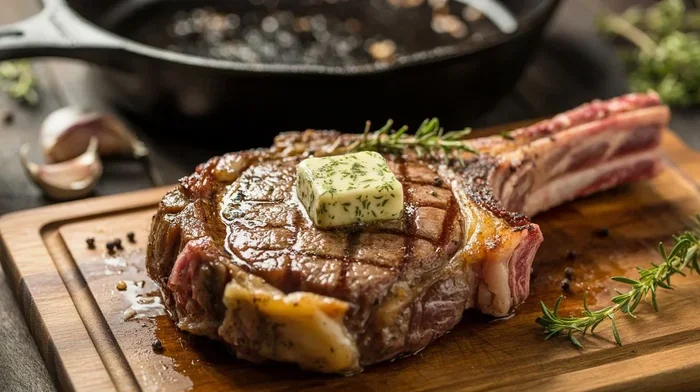
- Sear for 60-90 seconds per side with a little butter and fresh thyme for extra flavor.
- Rest the steak for 5-10 minutes before slicing against the grain.
For more oven cooking inspiration, you might also enjoy How To Cook Stuffed Rouladen In The Oven, which shares some great low-and-slow oven techniques that pair well with the reverse sear philosophy.
Essential Tools And Equipment
You do not need a lot of fancy gear to cook a ribeye steak perfectly in the oven. But having the right tools definitely helps.
A Reliable Oven-Safe Pan
A cast iron skillet is the gold standard for finishing your oven-baked ribeye. It holds heat beautifully and gives you an unmatched sear. If you do not have cast iron, a heavy stainless steel pan works well too. Avoid nonstick pans for the searing step, as they do not get hot enough to create that perfect crust.
A Good Meat Thermometer
This is non-negotiable. A meat thermometer removes all the guesswork from ribeye cooking time and temperature. Instant-read thermometers are fast and accurate. Probe thermometers let you monitor the temperature without opening the oven door. Either one will transform your steak game.
Simple Seasonings That Make A Difference
You do not need a complicated spice cabinet to make a great ribeye seasoning. Here is what works best:
- Kosher salt (the big flaky kind)
- Freshly cracked black pepper
- Garlic cloves (smashed and added during the sear)
- Fresh rosemary or thyme
- Unsalted butter for basting
Keep it simple. A quality ribeye does not need much help. The fat and marbling do most of the heavy lifting. Your job is simply to enhance what is already there.
Ribeye Internal Temperature And Doneness Guide
Knowing your target ribeye internal temperature is the key to nailing doneness every time. Here is a clear reference guide to help you pull your oven-baked steak at exactly the right moment.
| Doneness | Internal Temperature | Texture |
|---|---|---|
| Rare | 120-125°F | Cool red center, very soft |
| Medium Rare | 130-135°F | Warm red center, juicy and tender |
| Medium | 140-145°F | Pink center, firmer texture |
| Medium Well | 150-155°F | Slight pink, noticeably firmer |
| Well Done | 160°F+ | Little to no pink, very firm |
Remember that the temperature will rise 5-10 degrees after you remove the steak from the heat. This is called carryover cooking. So if you want a perfect medium-rare, pull the steak at 125°F. It will coast up to 135°F while resting. This is one of the most important oven-baked steak tips to keep in mind.
For a deeper dive into oven cooking techniques, check out How To Make A Tandoori Oven for creative oven-building ideas that highlight how versatile and powerful an oven can be for cooking meats.
Common Mistakes To Avoid When Cooking Ribeye In The Oven
Even experienced cooks make mistakes. Here are the most common ones and how to avoid them.
Skipping the Dry-Brine
Salting your ribeye at least 40 minutes before cooking (or even overnight) draws out moisture, which then gets reabsorbed. This process seasons the meat deeply and helps create that incredible ribeye crust. Skipping this step is one of the biggest missed opportunities for flavor.
Not Letting the Steak Come to Room Temperature
Putting a cold steak straight into the oven creates uneven cooking. The outside can overcook while the center is still cold. Let your ribeye steak sit on the counter for 30-45 minutes before cooking. This simple step makes a noticeable difference in ribeye cooking time and final texture.
Overcooking the Sear
The reverse sear method is designed to get you to the perfect internal temperature in the oven. The stovetop sear is just for the crust. Many people sear for too long, which pushes the center past their target doneness. Keep it to 60-90 seconds per side, max.
Cutting Into the Steak Too Soon
Your ribeye resting time matters. Cutting too early releases all those precious juices onto the cutting board instead of staying in the meat. Give it at least 5-10 minutes. Tent it loosely with foil if you like, but do not wrap it tightly, or you will steam the crust.
For more oven safety tips and creative uses, you might find it interesting to read Is It Safe To Put Pizza Box In Oven, which covers important oven safety considerations every home cook should know.
Quick Tips For The Perfect Oven-Baked Ribeye Every Time
Here are some fast, actionable tips that will level up your ribeye steak game immediately:
- Preheat your oven at least 20 minutes before you need it. An oven that is not fully up to temperature will cook unevenly.
- Use a wire rack on your baking sheet. This allows air to circulate around the steak, ensuring the bottom does not get soggy.
- Brush with butter during the sear. This adds richness and helps the herbs crisp up beautifully on the surface of your thick cut ribeye.
- Let the steak rest in a warm spot. A warm spot on the counter (not the hot oven) keeps the steak at a pleasant serving temperature while the juices redistribute.
- Slice against the grain. This shortens the muscle fibers and makes each bite noticeably more tender. It is a small step that makes a big difference.
- Experiment with finishing salts. A sprinkle of flaky sea salt or smoked salt right after slicing adds a beautiful final touch to your oven-baked ribeye.
These tips may seem small, but they add up to a massive improvement in flavor, texture, and presentation. The best way to cook a ribeye in the oven is all about paying attention to these little details.
Pairing Your Oven-Baked Ribeye With Sides
A great ribeye steak deserves equally great sides. Here are some pairing ideas that complement the rich, beefy flavor perfectly.
Roasted Vegetables
Toss asparagus, broccolini, or carrots with olive oil, salt, and pepper. Roast them on the same sheet pan as your ribeye during the final sear phase. The flavors meld together beautifully.
Creamy Mashed Potatoes
Classic comfort food that pairs with almost any steak. The creamy texture balances the bold, savory flavor of a perfectly cooked ribeye roast.
Simple Green Salad
A light salad with arugula, lemon vinaigrette, and shaved parmesan cuts through the richness of the steak. It adds freshness and crunch to your plate.
Grilled Corn or Sauteed Mushrooms
These add an earthy, umami-rich dimension that enhances the natural flavor of oven-baked steak without overwhelming it.
Conclusion
Finding the best way to cook a ribeye in the oven opens up a world of possibility in your kitchen. The reverse sear method gives you unmatched control, incredible consistency, and a steak that rivals anything from a fancy restaurant. With the right cut, proper seasoning, accurate temperatures, and a little patience, you can serve up a ribeye steak that will impress everyone at the table.
Remember to use a meat thermometer, let your steak rest, and keep your seasoning simple but effective. Avoid the common mistakes that trip up so many home cooks. And most importantly, enjoy the process. Cooking a great ribeye steak in the oven is one of the most rewarding things you can do in the kitchen. It is simple, satisfying, and absolutely delicious.
Now that you have all the knowledge you need, go fire up that oven. Your perfect oven-baked ribeye is just one cooking session away.
Frequently Asked Questions
What is the best temperature to cook ribeye in the oven?
For the reverse sear method, start at 250°F for the low-and-slow phase, then finish at 450°F for a hot sear. This combination gives you the most even doneness and the best ribeye crust possible. Using a meat thermometer at both stages ensures perfect results every time.
How long should I cook a ribeye in the oven?
Ribeye cooking time depends on thickness and starting temperature. A 1.5-inch thick steak typically takes 20-30 minutes at 250°F to reach 110°F internally. Always use a thermometer rather than relying on time alone, since ovens can vary significantly.
Can I cook a thin ribeye in the oven?
Thin cuts under 1 inch are better suited for stovetop cooking. If you must use the oven with a thin ribeye steak, keep a close eye on it and use a high temperature of 400°F. The best way to cook a ribeye in the oven really shines with thicker cuts that benefit from the gentle, even heat.
Do I need to sear after cooking ribeye in the oven?
Yes, the final sear is what creates that beautiful golden-brown ribeye crust. After the oven phase brings the steak to temperature, a 60-90 second sear per side in a cast iron skillet with butter adds incredible flavor and texture. Do not skip this step.
How long should I rest my ribeye after oven cooking?
Let your ribeye steak rest for at least 5-10 minutes after cooking. This allows the juices to redistribute throughout the meat. Cutting too early releases those juices onto the board, leaving you with a drier steak. A little patience here makes a big difference.
Can I use frozen ribeye for oven cooking?
It is best to thaw your ribeye roast completely before oven cooking. Cooking from frozen leads to uneven ribeye internal temperature and often results in overcooked edges with a cold center. Plan ahead and thaw in the refrigerator for the best results.
=== SEO TITLE ===
The Best Way To Cook A Ribeye In The Oven Perfectly
=== META TITLE ===
The Best Way To Cook A Ribeye In The Oven (Perfect Results)
=== URL SLUG ===
best-way-to-cook-ribeye-in-oven